Overwhelming Force: The Key to Military Strategy
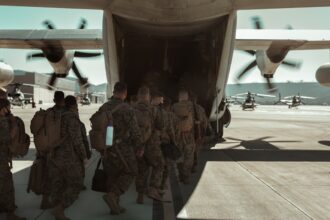
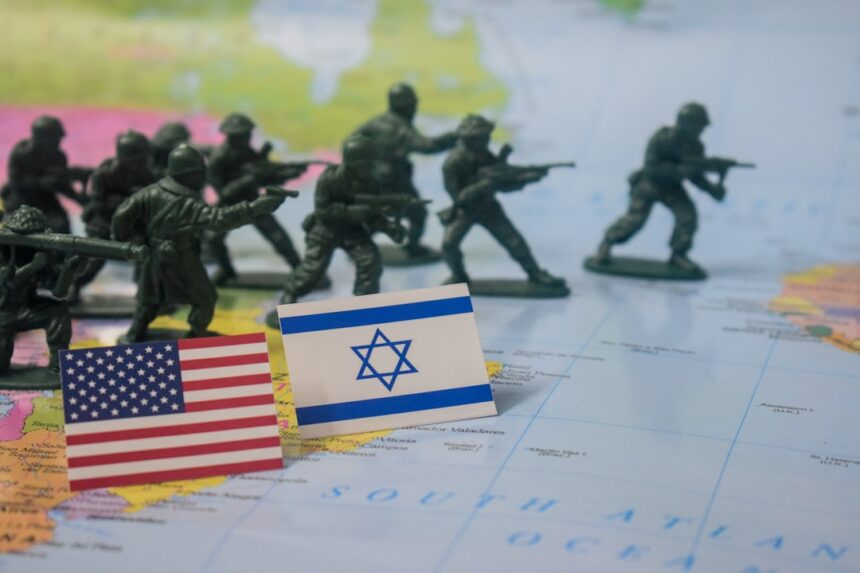
The concept of overwhelming force has long been a cornerstone of military doctrine, a principle that resonates through centuries of warfare and continues to shape the strategic calculus of modern armed conflicts. It is a notion that, at its core, speaks to the decisive application of power to achieve military objectives, often with the aim of rendering enemy resistance futile and minimizing friendly casualties. However, understanding overwhelming force as merely a brute-force approach is a simplistic interpretation. A deeper examination reveals it to be a nuanced and multifaceted strategy, demanding meticulous planning, sophisticated execution, and a profound understanding of the adversary, the terrain, and the political objectives. This article will delve into the multifaceted nature of overwhelming force, exploring its historical precedents, its strategic advantages, the prerequisites for its successful implementation, the inherent risks and limitations, and its evolving role in contemporary warfare.
Throughout history, military leaders have recognized the efficacy of concentrating overwhelming force at critical junctures. The sheer weight of superior numbers, firepower, and logistical capacity has often been the decisive factor in turning the tide of battles and campaigns. From the ancient phalanxes of Macedon to the mechanized blitzkrieg of World War II, the principle has remained remarkably consistent: achieve a localized superiority so pronounced that the enemy cannot effectively resist.
Ancient Grandeur and the Concentration of Might
The Hellenistic period, for instance, witnessed the masterful application of overwhelming force by Alexander the Great. His Macedonian phalanx, coupled with his elite Companion cavalry, represented a concentrated application of military might that shattered Persian formations. Alexander understood that while battlefield maneuver was crucial, the ability to deliver a decisive blow through superior combined arms was paramount. His campaigns were characterized by swift, audacious movements designed to bring his superior forces to bear on enemy weak points, overwhelming them before they could adapt or regroup. The Battle of Gaugamela, where Alexander faced a numerically superior Persian army, exemplifies this principle. By meticulously planning his attack, exploiting the terrain, and unleashing his cavalry in a devastating charge at the opportune moment, he achieved a decisive victory that effectively broke the Persian Empire.
The Age of Gunpowder and Industrial Might
The advent of gunpowder and, subsequently, industrialization, amplified the potential for overwhelming force exponentially. The Napoleonic Wars saw the French Grande Armée, with its superior artillery and organized corps system, frequently overwhelm Austrian and Prussian armies through concentrated firepower and rapid maneuver. Napoleon’s ability to mass his forces and artillery at key points, creating localized superiority, was a hallmark of his tactical genius. Later, the American Civil War, with its escalating industrial capacity, saw battles where the sheer volume of artillery fire and the numerical superiority of Union forces often proved insurmountable for the Confederate army, despite their tactical prowess.
The World Wars and the Pinnacle of Industrial Warfare
The World Wars, particularly World War II, represent perhaps the zenith of overwhelming force as a strategic doctrine. The Allied powers, with their vast industrial capacity and manpower, systematically ground down the Axis powers. The D-Day landings, for example, involved an unprecedented concentration of naval, air, and ground forces, designed to overwhelm German defenses on the beaches of Normandy. The subsequent advance through Europe was a testament to the sustained application of overwhelming force, where the Allies could afford to absorb higher casualties in protracted campaigns due to their superior reserves and industrial output. The strategic bombing campaigns against Germany and Japan, while devastating and controversial, also represented an attempt to overwhelm enemy infrastructure and morale through sheer destructive power. This era solidified the understanding that overwhelming force was not just about battlefield numbers but also about the ability to sustain a prolonged conflict through superior resources.
The concept of overwhelming force in military strategy emphasizes the importance of using superior numbers and firepower to achieve decisive victories on the battlefield. A related article that delves deeper into this strategy can be found at In the War Room, where various military tactics and their historical applications are analyzed. This resource provides valuable insights into how overwhelming force has shaped modern warfare and the implications it has for future conflicts.
Strategic Advantages: The Decisive Edge
The pursuit of overwhelming force in military strategy offers several significant advantages, primarily centered around achieving decisive outcomes and minimizing risks for the attacking force. When executed effectively, it can shorten conflicts, reduce casualties, and secure objectives with a higher degree of certainty.
The Swift Annihilation of Resistance
The most immediate and apparent advantage of overwhelming force is its capacity to rapidly crush enemy resistance. When a force is so significantly superior in numbers, firepower, and capabilities, the enemy’s ability to mount a sustained defense or even a tactical withdrawal becomes severely compromised. This can lead to rapid battlefield successes, the capture of key objectives, and the disintegration of enemy cohesion. The psychological impact of facing such an insurmountable obstacle can also be profound, leading to demoralization and a willingness to surrender.
Minimizing Friendly Casualties
A corollary to crushing enemy resistance is the reduction of friendly casualties. By achieving a decisive local superiority, the attacking force can often bypass protracted and bloody attrition warfare. Instead of engaging in costly slugfests, they can achieve their objectives quickly and efficiently, thereby preserving the lives and fighting capacity of their own soldiers. This is a crucial consideration for any military leader, as sustained high casualties can erode public support, deplete manpower reserves, and undermine morale.
Establishing and Maintaining Dominance
Beyond immediate battlefield objectives, the application of overwhelming force can also be instrumental in establishing and maintaining overall dominance. A decisive victory achieved through overwhelming power can have lasting strategic implications, discouraging future aggression from the defeated foe and projecting strength to potential adversaries. It can shape the geopolitical landscape, deter further conflict, and secure long-term strategic interests. The swift and decisive defeat of Iraq in the 1991 Gulf War, for example, re-established regional stability and demonstrated American military superiority.
Achieving Political Objectives Swiftly
Ultimately, military strategy serves political objectives. Overwhelming force, when employed effectively, can be a powerful tool for achieving these aims rapidly and decisively. A swift and conclusive military victory can prevent a conflict from escalating into a protracted quagmire, which could otherwise undermine the political will of the nation and its allies. This allows for a quicker return to diplomatic solutions and the stabilization of the region.
Prerequisites for Overwhelming Force: The Foundation of Success
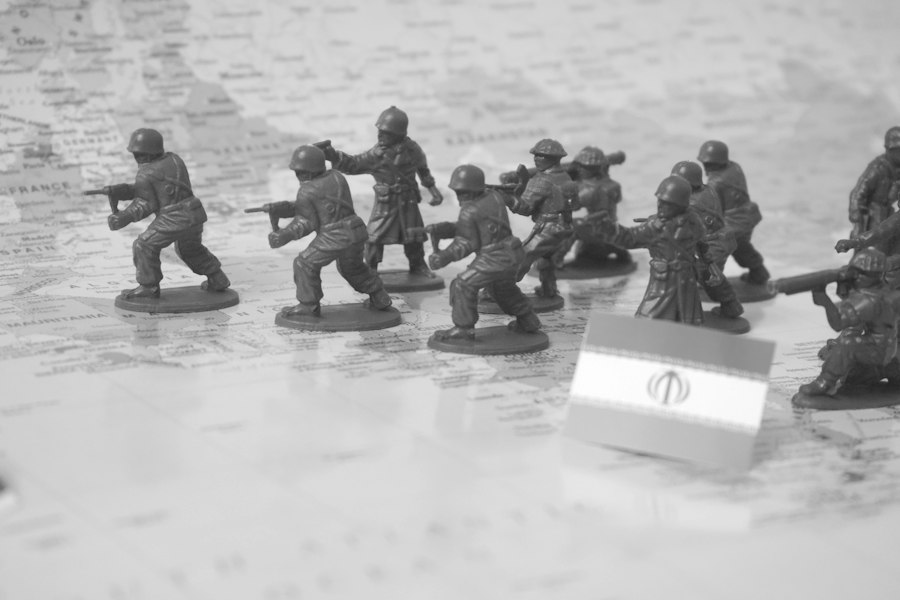
Achieving overwhelming force is not a spontaneous event; it requires meticulous planning, significant investment, and a comprehensive understanding of various factors. A successful application of this principle hinges on several critical prerequisites.
Superior Intelligence and Reconnaissance
Before any application of overwhelming force can be contemplated, a profound understanding of the enemy is paramount. This involves sophisticated intelligence gathering and analysis to accurately assess enemy strengths, weaknesses, dispositions, and intentions. Superior reconnaissance allows military planners to identify the most vulnerable points in the enemy’s defenses, predict their likely responses, and allocate their overwhelming force precisely where it will have the greatest impact. Without accurate intelligence, the concentration of force might be misdirected, leading to wasted resources and missed opportunities.
Logistical Superiority and Sustainment
The ability to project and sustain overwhelming force over time is a critical prerequisite. This necessitates a robust logistical network capable of delivering personnel, equipment, ammunition, and supplies to the front lines. Modern warfare, especially when employing overwhelming force, is incredibly resource-intensive. The ability to maintain a continuous flow of resources ensures that superiority is not just a momentary advantage but a sustained advantage that can be leveraged throughout an operation. This includes everything from transportation infrastructure to maintenance and repair capabilities.
Technological and Material Advantage
While numerical superiority is a key component, overwhelming force in modern warfare also heavily relies on technological and material advantages. Superior weaponry, advanced communication systems, sophisticated surveillance technology, and well-trained personnel equipped with cutting-edge gear can amplify the effectiveness of even numerically comparable forces. The development and deployment of advanced military technology, coupled with the ability to mass-produce and deploy it, is therefore a crucial prerequisite.
Coherent Command and Control
Effective command and control (C2) structures are essential for orchestrating the complex movements and actions of overwhelming force. This involves clear lines of authority, seamless communication channels, and the ability to rapidly adapt to changing battlefield conditions. A decentralized command structure might be necessary to empower lower-level commanders to exploit fleeting opportunities, while a centralized structure is needed for overall strategic direction and resource allocation. The synergy between these levels is vital.
Political Will and Public Support
The commitment of resources and the potential for high-risk operations associated with overwhelming force necessitate strong political will and sustained public support. Leaders must be prepared to invest heavily in military capabilities and to withstand the potential political fallout of a protracted conflict, even if the ultimate aim is to achieve a swift victory. Public understanding and acceptance of the strategy, particularly if it involves offensive action, are crucial for maintaining the national resolve.
Risks and Limitations: The Double-Edged Sword
While the advantages of overwhelming force are significant, its application is not without considerable risks and limitations. Miscalculations, unforeseen circumstances, and the inherent complexities of warfare can transform a planned decisive victory into a costly failure.
The Risk of Overextension and Resource Depletion
One of the most significant risks associated with overwhelming force is the danger of overextension. Concentrating vast resources and personnel in one area can leave other fronts vulnerable, potentially inviting enemy counter-offensives. Furthermore, maintaining such a concentrated force places immense strain on logistical networks and can lead to the depletion of critical resources, leaving the attacking force unsustainable in the long run. This is particularly true in prolonged campaigns where the enemy can employ Fabian tactics to bleed the attacker.
Underestimating the Adversary and Adaptability
A critical pitfall is the underestimation of the enemy’s resilience, ingenuity, and adaptability. An adversary facing overwhelming force may resort to unconventional tactics, guerrilla warfare, or asymmetric strategies that can negate the attacker’s conventional advantages. The historical examples of Vietnam and Afghanistan, where technologically superior forces struggled against determined insurgencies, highlight this limitation. The enemy may also learn and adapt to the attacker’s tactics, eroding the initial superiority.
The Moral and Ethical Dilemma
The sheer destructive power inherent in overwhelming force raises significant moral and ethical questions. The potential for massive civilian casualties, collateral damage, and the dehumanization of the enemy are serious concerns that must be carefully considered. The use of overwhelming force can also lead to prolonged resentment and instability, sowing the seeds for future conflicts. International law and humanitarian considerations place stringent constraints on the application of such power.
The Escalation of Conflict and Unintended Consequences
The application of overwhelming force can inadvertently lead to the escalation of conflict. A swift and decisive victory might embolden the victor to pursue further objectives, potentially drawing in other actors or widening the scope of the conflict. The unintended consequences of such actions can be far-reaching and difficult to predict, leading to a destabilization of regional or global security.
The Cost of Victory: Political and Economic Burdens
Even a successful application of overwhelming force can carry significant political and economic costs. The financial burden of developing, deploying, and sustaining such power is immense. Furthermore, the political repercussions of employing such force, particularly in terms of international relations and public perception, can be long-lasting and detrimental. The “victory” might come at a price that outweighs the initial strategic gains.
The concept of overwhelming force in military strategy emphasizes the importance of deploying superior strength to achieve decisive victories. This approach has been a cornerstone of many successful military campaigns throughout history, as it allows for the rapid dismantling of enemy defenses and minimizes prolonged conflict. For a deeper understanding of this strategy and its implications, you can explore a related article that discusses various aspects of military tactics and their effectiveness in modern warfare. To read more about it, visit this insightful article.
The Evolving Landscape: Overwhelming Force in the 21st Century
| Metric | Description | Typical Values/Examples |
|---|---|---|
| Force Ratio | Ratio of attacking force size to defending force size | 3:1 or higher recommended for overwhelming force |
| Firepower Concentration | Percentage of total available firepower focused on a single objective | 70% or more |
| Speed of Deployment | Time taken to mobilize and deploy forces to the battlefield | Hours to days, depending on scale |
| Logistical Support | Ratio of support personnel to combat troops | 1:3 to 1:5 |
| Casualty Rate | Expected percentage of casualties in overwhelming force operations | Lower than in evenly matched engagements, often under 10% |
| Morale Impact | Effect on enemy morale due to overwhelming force | High; often leads to rapid enemy collapse or surrender |
| Duration of Engagement | Typical length of battle when overwhelming force is applied | Short; hours to a few days |
The nature of warfare is constantly evolving, and the concept of overwhelming force must adapt accordingly. While the fundamental principle of achieving decisive superiority remains relevant, its implementation in the 21st century is shaped by new technologies, changing geopolitical dynamics, and the rise of asymmetric threats.
The Digital Battlefield and Information Warfare
The advent of cyber warfare and information operations has introduced new dimensions to the concept of overwhelming force. The ability to disrupt enemy communication networks, sow disinformation, and cripple critical infrastructure through digital means can achieve effects comparable to traditional kinetic force. An overwhelming advantage in the information domain can paralyze an adversary before physical engagement even begins.
Precision Warfare and Targeted Application
Modern military technology allows for a more precise application of force. Instead of relying solely on mass, militaries can now achieve overwhelming effects through the accurate targeting of critical enemy assets and leadership. This concept of “precision overwhelming force” aims to achieve decisive results with minimized collateral damage and a more efficient use of resources.
The Rise of Hybrid Warfare and Irregular Threats
The increasing prevalence of hybrid warfare, which blends conventional military tactics with irregular tactics, cyber warfare, and political subversion, presents a significant challenge to traditional notions of overwhelming force. In such environments, a purely kinetic overwhelming force might be insufficient to address the multifaceted nature of the threat. Strategies must incorporate a broader spectrum of capabilities, including soft power and intelligence operations.
The Importance of Deterrence and Strategic Messaging
In the age of nuclear weapons and sophisticated conventional arsenals, the threat of overwhelming force also plays a crucial role in deterrence. The clear and credible demonstration of a nation’s ability to project overwhelming power can dissuade potential adversaries from initiating conflict. Strategic messaging and military posturing become as important as the actual application of force.
The Need for Adaptability and Multi-Domain Operations
Ultimately, the future of overwhelming force lies in its adaptability. Military forces must be capable of operating across multiple domains – land, sea, air, space, and cyberspace – to achieve and maintain superiority. This requires seamless integration of different capabilities and a flexible approach to strategy, ensuring that overwhelming force can be applied effectively in an increasingly complex and interconnected world. The ability to overwhelm an adversary in one domain while simultaneously mitigating risks and achieving objectives in others is the hallmark of modern strategic thinking.

America Sent an Aircraft Carrier to Cut Down One Tree
FAQs
What is overwhelming force military strategy?
Overwhelming force military strategy is a tactic used in warfare where a military power seeks to achieve victory by using an excessive amount of force to quickly and decisively defeat an opponent.
How does overwhelming force military strategy differ from other military strategies?
Unlike other military strategies that may focus on tactics such as guerrilla warfare or attrition, overwhelming force military strategy emphasizes the use of superior firepower, numbers, and resources to overpower the enemy swiftly.
What are the advantages of overwhelming force military strategy?
Advantages of overwhelming force military strategy include the ability to quickly incapacitate the enemy, minimize casualties on one’s own side, and create a psychological impact on the opponent, potentially leading to a quicker resolution of the conflict.
What are the potential drawbacks of overwhelming force military strategy?
Drawbacks of overwhelming force military strategy may include high financial costs, potential civilian casualties, international condemnation for excessive use of force, and the risk of creating long-term resentment or resistance from the defeated enemy.
Can overwhelming force military strategy be used in modern warfare?
While overwhelming force military strategy has been historically effective in certain conflicts, its applicability in modern warfare is debated due to factors such as technological advancements, asymmetric warfare, and the increasing importance of winning hearts and minds in conflicts.