The whispers of Operation Northwoods are a chilling reminder of a darker, more clandestine era in American history, a time when the very fabric of public trust was nearly shredded by a proposed government deception of unimaginable scale. This plan, conceived in the crucible of Cold War anxieties, envisioned a series of staged terrorist attacks on American soil, designed to be blamed on Cuba and thus provide the pretext for a full-scale invasion. It was a hypothetical scenario, never enacted, yet its existence exposes the extraordinary lengths to which some within the U.S. government were willing to go to achieve their geopolitical objectives.
The early 1960s were a period of intense ideological struggle. The Cold War was at its zenith, and the Cuban Revolution, led by Fidel Castro, had fundamentally altered the geopolitical landscape of the Western Hemisphere. The rise of a communist government just ninety miles off the coast of Florida was viewed as a grave threat by the United States. The Bay of Pigs invasion in 1961, a CIA-backed attempt to overthrow Castro, had been a spectacular failure, embarrassing the Kennedy administration and strengthening Castro’s position. This setback fueled a desperate desire within certain circles of the U.S. government to find a decisive solution to the “Cuban problem.”
The Shadow of the Cold War
The overarching context for Operation Northwoods was the pervasive fear of Soviet expansionism and the ideological battle between capitalism and communism. The establishment of a communist regime in Cuba, allied with the Soviet Union, was seen as a direct challenge to American hegemony and security. The proximity of Cuba also made it a perceived proxy for Soviet influence, a beachhead from which communist ideology could spread throughout Latin America. This existential dread, amplified by the rapid pace of technological advancement and the looming threat of nuclear war, created an environment where extreme measures were considered, if not actively debated.
Post-Bay of Pigs Fallout
The failure of the Bay of Pigs invasion was a critical turning point. It not only emboldened Castro but also exposed a lack of decisive and effective policy regarding Cuba. The Kennedy administration was seeking new avenues to pressure Castro and diminish his influence. This search for a more aggressive approach, coupled with a deep-seated mistrust of Castro’s regime, created fertile ground for radical proposals. The military and intelligence agencies, particularly those within the Department of Defense and the CIA, felt the pressure to deliver results and were exploring a range of options, some far more extreme than others.
Operation Northwoods was a proposed plan by the U.S. Department of Defense in the early 1960s that aimed to create a pretext for military intervention in Cuba by staging false-flag terrorist attacks. This controversial operation has sparked numerous discussions about government transparency and the ethical implications of such covert actions. For further insights into the historical context and implications of Operation Northwoods, you can read a related article that delves deeper into the subject by following this link: related article.
Unveiling the Proposed Scenarios
Operation Northwoods was not a single, monolithic plan, but rather a series of proposed operations, each more audacious and morally reprehensible than the last. The Joint Chiefs of Staff, in their memo to the Secretary of Defense, meticulously outlined various scenarios designed to incite public outrage and garner domestic and international support for military action against Cuba. These scenarios were characterized by their Machiavellian cunning and a chilling disregard for human life and democratic principles.
The “Remember the Maine” Gambit
One of the most striking parallels drawn by historians and critics of Operation Northwoods is to the USS Maine incident. The sinking of the USS Maine in Havana harbor in 1898, a mysterious event that killed 266 American sailors, was used as a propaganda tool to justify the Spanish-American War. Operation Northwoods aimed to replicate this historical precedent, albeit with a manufactured cause. The idea was to create an incident that would evoke a similar public outcry, fueling nationalist sentiment and demanding retribution.
Terrorist Acts on American Soil
The core of Operation Northwoods involved orchestrating acts of terror on American soil, which would then be subtly blamed on Cuba. The proposals ranged from the hijacking of civilian airliners and crashing them into targets in Cuba or Mexico, to the staging of bombings in U.S. cities. The goal was to create a narrative of Cuban aggression, a direct attack on American citizens and interests, thereby justifying an overwhelming military response.
Hijacking and Ramming Aircraft
Among the most shocking proposals was the idea of hijacking commercial airliners. The Joint Chiefs suggested they could “stage a hijacking of a commercial airplane” and then “force the captured planes to fly into Cuba, or to land in Russia or other neutral country.” This would be framed as an attempt by Castro to demonstrate his defiance and potentially provoke a wider conflict. Another, even more terrifying, scenario involved crashing a hijacked plane into a U.S. city, such as the Bayside Canal in Florida or a naval base. The intention was to make it appear as though Cuba was directly attacking the United States, thereby galvanizing public opinion.
Bombings and Assassinations
The plan also included suggestions for carrying out bombings in U.S. cities and assassinating key Cuban expatriates or figures sympathetic to the revolution. These acts were intended to sow chaos and fear, and then to be expertly attributed to Cuban intelligence agencies. The idea was to create a wave of terror that would leave the American public clamoring for protection and demanding action against the perceived enemy.
The Propaganda Machine
Crucially, the architects of Operation Northwoods understood the importance of public perception. They envisioned a sophisticated propaganda campaign to accompany these staged events. This would involve disseminating fabricated evidence, manipulating news reports, and cultivating a narrative that unequivocally blamed Cuba for the atrocities. The goal was to create an overwhelming consensus that the U.S. had no choice but to invade Cuba to protect its citizens and its way of life.
The Moral and Ethical Abyss

The very existence of Operation Northwoods, even as a proposal, plunges into a profound moral and ethical abyss. The idea of a government orchestrating the deaths of its own citizens and the destruction of its own property to achieve political ends is a concept that deeply unsettles the foundations of democratic society. It represents a betrayal of the trust that citizens place in their government to protect them, rather than to use them as pawns in a dangerous game.
Betrayal of Public Trust
The core tenet of a democratic government is its obligation to serve and protect its citizens. Operation Northwoods fundamentally violates this principle. The plan explicitly calls for the sacrifice of innocent lives and the creation of widespread fear and suffering, all under the guise of national security. Had it been implemented, it would have been an unforgivable act of deception, eroding the very trust that underpins the relationship between the governed and their government.
The Dehumanization of Citizens
The plan’s chilling indifference to human life is perhaps its most disturbing aspect. The citizens who would have been targeted by these attacks were to be mere instruments in a political scheme. Their lives and their suffering would have been discounted, their deaths used as a tool to achieve a strategic objective. This level of dehumanization is antithetical to the values of a society that purports to uphold the sanctity of individual life.
The Slippery Slope of Deception
Even as a hypothetical, Operation Northwoods serves as a stark warning about the potential for governmental overreach and deception. It highlights the dangers of allowing national security concerns to justify actions that would otherwise be considered abhorrent. The acceptance of such extreme measures, even in theory, creates a precedent that can be difficult to reverse, potentially leading down a slippery slope of increasingly unethical and undemocratic practices.
The Unintended Consequences of Exposure

Fortunately, Operation Northwoods was never put into action. The plan was ultimately rejected by President John F. Kennedy, who reportedly found the proposals to be outlandish and morally unacceptable. However, the mere documentation of such a plan has had profound and lasting consequences, shedding light on the darker corners of American foreign policy and sparking crucial debates about government transparency and accountability.
The Role of Whistleblowers and Transparency
The declassification of documents related to Operation Northwoods in the late 1990s was a pivotal moment. It brought to light a secret that had been hidden for decades, sparking public outrage and renewed scrutiny of government actions. This event underscored the critical importance of whistleblowers and government transparency in holding power accountable. Without the courage of individuals to expose such plans and the mechanisms that allow for declassification, these dangerous machinations might have remained buried forever.
A Catalyst for Debate and Reform
The exposure of Operation Northwoods has fueled ongoing debates about the balance between national security and civil liberties, the ethics of covert operations, and the potential for abuse of power within intelligence agencies. It has served as a catalyst for discussions about oversight mechanisms and the need for greater accountability in government. The chilling realities of this plan have undoubtedly contributed to a more vigilant and informed citizenry, demanding greater scrutiny of governmental actions.
Historical Repercussions and Trust
The revelation of Operation Northwoods has undeniably impacted public perception of government institutions. While it does not represent the entirety of government actions, it serves as a potent symbol of the potential for clandestine and morally compromised decision-making. This has led to a lingering skepticism and a demand for greater transparency from the public, influencing how citizens interact with and perceive their government. The scars of such revelations, though historical, continue to shape the landscape of public trust.
Operation Northwoods was a controversial plan proposed by the U.S. Department of Defense in the early 1960s, which aimed to justify military intervention in Cuba through a series of covert operations. This secretive proposal has sparked numerous discussions about government transparency and the lengths to which authorities might go to achieve political goals. For a deeper understanding of the implications of such covert operations, you can read more in this insightful article on government secrecy and its consequences.
Lessons Learned and Enduring Warnings
| Operation Northwoods Secret Government Plan | |
|---|---|
| Plan Name | Operation Northwoods |
| Objective | To create public support for a war against Cuba |
| Proposed Actions | Faking terrorist attacks, hijacking planes, and creating public unrest |
| Government Involvement | Proposed by the US Department of Defense and Joint Chiefs of Staff |
| Outcome | The plan was ultimately rejected by President Kennedy |
Operation Northwoods stands as a stark historical artifact, a grim testament to the extreme measures that were once contemplated in the name of national security. While the plan was never implemented, its mere existence serves as a powerful and enduring warning, reminding us of the constant need for vigilance, ethical conduct, and robust democratic oversight. The lessons learned from this dark chapter continue to resonate, urging us to remain ever watchful to ensure that such proposals are never again allowed to surface from the shadows of secrecy.
The Importance of Ethical Leadership
The rejection of Operation Northwoods by President Kennedy highlights the crucial role of ethical leadership in preventing disastrous outcomes. It demonstrates that even in times of heightened geopolitical tension, moral principles must guide decision-making. The ability of leaders to recognize and reject morally reprehensible proposals is a vital safeguard against the abuse of power.
Maintaining Democratic Oversight
The continued existence of checks and balances within a democratic system is paramount. Operation Northwoods, though an internal proposal, underscores the necessity of robust oversight mechanisms, both internal and external, to scrutinize and, if necessary, reject dangerous initiatives. A free press, an independent judiciary, and an engaged citizenry are all critical components in preventing such plans from ever gaining traction.
The Perpetual Need for Vigilance
The story of Operation Northwoods is not just a historical anecdote; it is a contemporary cautionary tale. It reminds us that the threats to democratic values can come from within, and that vigilance is not a passive state but an active commitment. The ongoing struggle to balance security with freedom requires constant attention, critical thinking, and an unwavering dedication to the principles of justice and human dignity. The specter of Operation Northwoods compels us to remain vigilant, ensuring that the pursuit of security never comes at the cost of our fundamental moral compass.
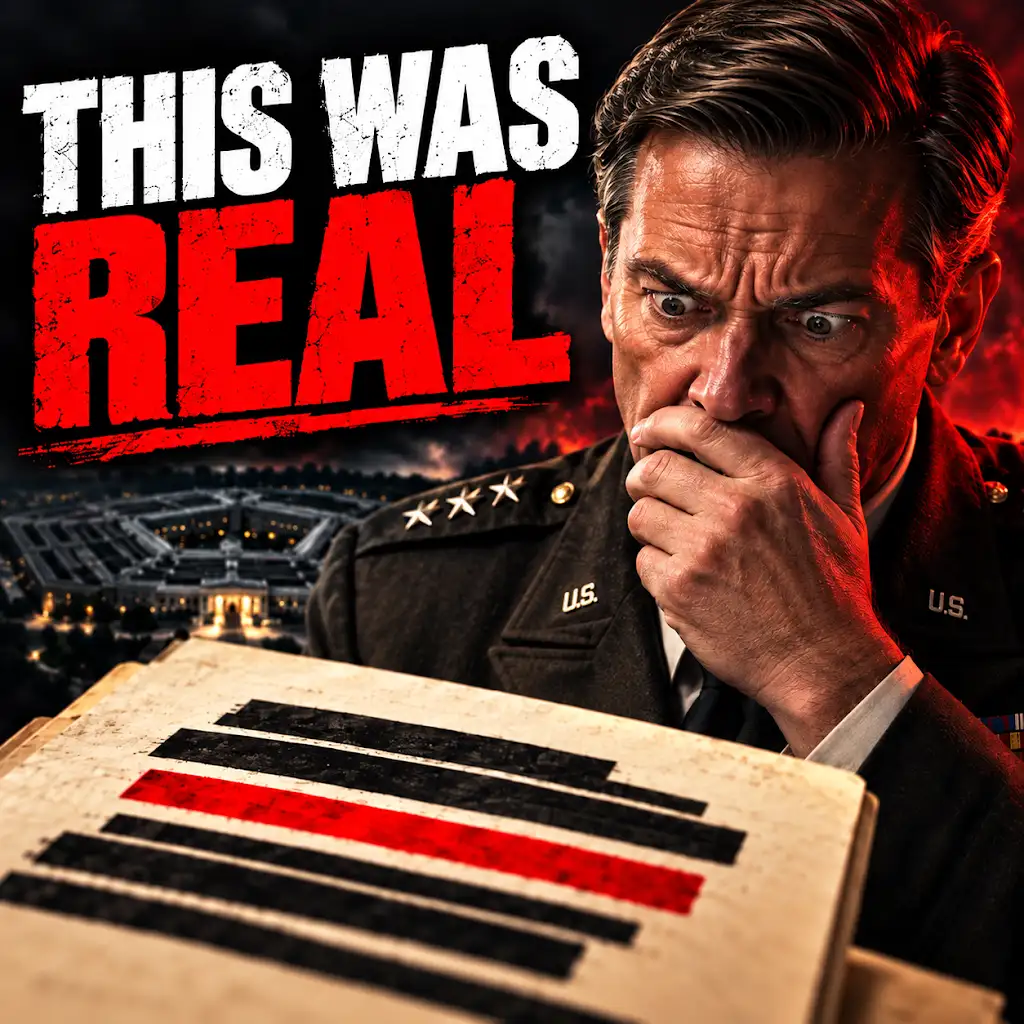
The Pentagon Plan to Fake an Attack on America—and Blame Cuba
FAQs
What was Operation Northwoods?
Operation Northwoods was a proposed false flag operation by the U.S. Department of Defense in the 1960s. The plan involved staging terrorist attacks on U.S. soil and blaming them on Cuba in order to justify military intervention.
Was Operation Northwoods ever put into action?
No, Operation Northwoods was never put into action. The plan was ultimately rejected by President John F. Kennedy and his administration.
What were the proposed actions in Operation Northwoods?
The proposed actions in Operation Northwoods included hijacking planes, sinking boats, and orchestrating bombings in U.S. cities. These actions were intended to create a pretext for military intervention in Cuba.
What was the purpose of Operation Northwoods?
The purpose of Operation Northwoods was to create public support for a war against Cuba by fabricating a series of terrorist attacks and blaming them on the Cuban government.
What was the public reaction to the revelation of Operation Northwoods?
The revelation of Operation Northwoods in the early 2000s sparked controversy and raised concerns about the potential for government involvement in false flag operations. Many people were shocked by the existence of such a plan within the U.S. government.