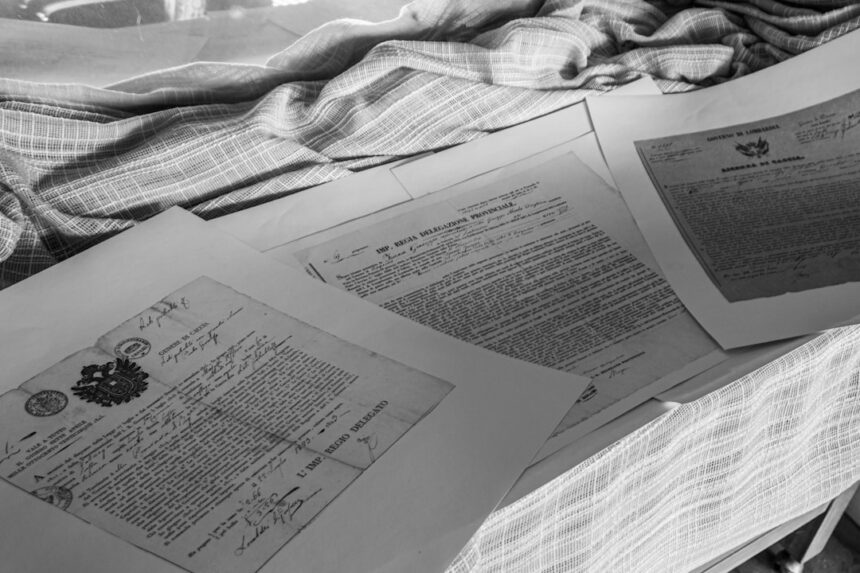
The flickering images on screen are not the stuff of Hollywood fiction. They are grainy, black-and-white glimpses into history, accompanied by the hushed voices of former intelligence operatives and seasoned historians. This is the essence of “The Truth Revealed: Declassified Government Documents,” a new documentary that promises to pull back the curtain on some of the most enigmatic and controversial chapters of the 20th century, armed with the irrefutable evidence of declassified government files. For years, these documents lay buried in the labyrinthine archives of official institutions, their contents a closely guarded secret, fueling speculation and conspiracy theories. Now, the film meticulously pieces together narratives, transforming whispers into documented facts, and challenging long-held assumptions about the actions and motivations of powerful governments.
The documentary begins not with sensational revelations, but with the fundamental question of why so much information was initially classified. It delves into the historical context that necessitated national security concerns, exploring the post-World War II era and the burgeoning Cold War. The filmmakers painstakingly explain the mechanisms of classification, from the initial stamping of documents to the decades-long processes of redaction and storage. This section lays the groundwork for understanding the significance of declassification, highlighting the inherent tension between the public’s right to know and the government’s perceived need for secrecy.
The Cold War’s Shadow: A Climate of Fear and Uncertainty
The early segments of “The Truth Revealed” focus on the pervasive atmosphere of the Cold War. The documentary showcases declassified intelligence reports that illustrate the deep-seated anxieties surrounding the Soviet Union and its perceived global ambitions. It presents evidence of extensive surveillance programs, covert operations, and the constant fear of nuclear escalation. Viewers are introduced to the justifications used by governments at the time to implement such stringent secrecy, often citing the dire consequences of information falling into enemy hands. This part of the film aims to contextualize the sheer volume of classified material generated during this period, emphasizing that it was a direct byproduct of an era defined by existential threats and unprecedented geopolitical maneuvering.
Operation Mockingbird: The Media’s Unseen Hand?
One of the most compelling segments within this section tackles the controversial “Operation Mockingbird.” The documentary presents declassified documents that appear to corroborate the existence of a sophisticated government program designed to influence domestic and foreign media. Through interviews with journalists and researchers who have studied these files, the film explores the extent to which intelligence agencies may have manipulated news narratives to shape public opinion. The implications are profound, raising questions about the integrity of journalistic reporting during critical historical junctures and the potential for government propaganda to masquerade as objective news. The sheer volume of evidence presented, painstakingly extracted from previously hidden files, forces a re-evaluation of historical events where media coverage played a pivotal role.
The Bay of Pigs: A Covert Operation Exposed
The ill-fated Bay of Pigs invasion is another focal point. “The Truth Revealed” draws upon declassified accounts, memos, and presidential directives to dissect the planning and execution of this disastrous CIA-backed operation. The film meticulously details the miscalculations, the broken promises, and the ultimate betrayal of Cuban exiles. It highlights how these documents expose the internal deliberations and the dissenting voices within the government that were ultimately ignored. The narrative emphasizes the human cost of such covert actions and the devastating consequences of decisions made in the shadows, driven by flawed intelligence and political expediency. The raw, unvarnished accounts within these files offer a stark contrast to the carefully constructed public narratives that often followed such events.
The Rise of Covert Action: Intelligence Agencies in the Shadows
The documentary then broadens its scope to examine the increasing reliance on covert operations by intelligence agencies during the latter half of the 20th century. It explores the ethical and legal gray areas that these agencies often operated within, and how the classification of their activities allowed them to evade public scrutiny. The film argues that the declassified documents reveal a pattern of intervention in the internal affairs of other nations, often with unintended and detrimental consequences. This section is crucial for understanding the long-term impact of clandestine operations on international relations and the erosion of trust between governments and their citizens.
Project MKUltra: Mind Control Experiments Unveiled
Perhaps one of the most chilling revelations within “The Truth Revealed” concerns Project MKUltra. The documentary presents declassified documents detailing the CIA’s extensive and ethically dubious experiments in mind control. Through firsthand accounts, albeit anonymized, and the stark documentation of laboratory procedures, the film illustrates the disturbing use of LSD, hypnosis, and other psychological manipulation techniques on unsuspecting individuals. The revelations are deeply unsettling, raising profound questions about the limits of government power and the violation of fundamental human rights in the pursuit of perceived national security objectives. The declassified nature of these documents is what lends undeniable weight to these previously fringe theories.
The Iran-Contra Affair: A Tangled Web of Deception
The complex and scandal-ridden Iran-Contra affair is meticulously reconstructed through the release of crucial government documents. “The Truth Revealed” lays bare the clandestine arms sales to Iran in exchange for the release of American hostages, and the subsequent diversion of profits to fund the Contra rebels in Nicaragua, all in defiance of congressional prohibitions. The film uses internal memos, transcripts of secret meetings, and personal accounts to unravel the intricate network of deception and the calculated efforts to conceal the truth from the American public and Congress. The sheer scale of the duplicity and the high-level involvement exposed in these documents are staggering, painting a picture of a government operating outside the bounds of its own laws.
For those interested in exploring the implications of declassified government documents, a fascinating related article can be found on the website “In the War Room.” This piece delves into the historical context and significance of these documents, shedding light on how they shape our understanding of past events and influence current policies. You can read more about it by visiting In the War Room.
Beyond the Cold War: New Eras, New Secrets
“The Truth Revealed” doesn’t confine itself to the Cold War era. It argues that the mechanisms of secrecy and covert action persisted, albeit evolving, into the post-Cold War period and even into the 21st century. This section of the documentary explores how new technological advancements and shifting global threats created new justifications for classification and, consequently, new bodies of declassified material for future historians to scrutinize.
The War on Terror: Secrecy in the Digital Age
The documentary dedicates significant attention to the post-9/11 era and the “War on Terror.” It examines how the perceived existential threat of terrorism led to a dramatic increase in classified information, particularly concerning surveillance programs and counterterrorism operations. The film presents declassified documents related to the justification for the invasion of Iraq, highlighting inconsistencies and withheld information that have since come to light. The use of drone warfare, enhanced interrogation techniques, and the expansion of government surveillance powers are all explored through the lens of newly released files, raising critical questions about the balance between security and civil liberties.
The Iraq Dossier: Unpacking the Justifications for War
A particularly impactful segment focuses on the intelligence surrounding the 2003 invasion of Iraq. “The Truth Revealed” meticulously analyzes declassified documents that reveal the doubts and dissenting opinions within intelligence agencies regarding the existence of Weapons of Mass Destruction (WMDs). The film showcases how certain intelligence assessments were selectively presented, and how dissenting voices were marginalized, in order to build a case for war. This section is vital for understanding the historical debate surrounding the Iraq War and for appreciating the power of information control in shaping public perception and political decision-making. The documentary doesn’t shy away from presenting the stark evidence that emerged after the invasion, directly contradicting the pre-war justifications.
NSA Surveillance: The Scope of Electronic Eyes
The revelations surrounding the National Security Agency’s (NSA) extensive surveillance programs, as brought to light by whistleblowers and subsequently detailed in declassified documents, are central to this part of the film. “The Truth Revealed” presents evidence of the vast scope of data collection, including metadata from phone calls and internet activity, and the legal frameworks used to justify these operations. The documentary explores the ethical and privacy implications of such widespread monitoring, and how these declassified files have fundamentally altered the public’s understanding of government reach in the digital age. The debate over privacy versus security is laid bare through the undeniable evidence of government capabilities.
The Power of Declassification: A Catalyst for Accountability
The documentary concludes by emphasizing the crucial role of declassification in fostering accountability and historical understanding. It argues that the release of these documents is not merely an academic exercise, but a vital mechanism for holding governments accountable for their actions and for informing future policy decisions. The film highlights how persistent efforts by journalists, historians, and public interest groups have been instrumental in bringing these secrets to light.
The Impact on Public Discourse: Shaping Perceptions and Demands
“The Truth Revealed” powerfully demonstrates how declassified documents can fundamentally alter public discourse. The film showcases instances where the release of specific files has led to public outcry, congressional investigations, and shifts in public opinion. It illustrates how previously accepted narratives have been challenged and rewritten, forcing a re-examination of historical events and the motivations of those in power. The documentary serves as a testament to the fact that truth, even when buried for decades, has a way of surfacing, and that the public’s demand for transparency is a potent force.
The Role of Whistleblowers: Unsung Heroes of Transparency
The documentary acknowledges the often-risky role of whistleblowers in bringing critical information to light. While not always directly featuring their stories, the film implicitly celebrates their courage by showcasing the fruits of their actions – the declassified documents themselves. It suggests that without individuals willing to challenge the status quo and expose wrongdoing, many of these truths would have remained permanently concealed. The impact of their revelations, amplified by the documentary, underscores the importance of protecting those who speak truth to power.
The recent documentary on declassified government documents sheds light on the hidden truths behind historical events, revealing how much information has been kept from the public. For those interested in exploring this topic further, a related article discusses the implications of these revelations and their impact on public trust in government institutions. You can read more about it in this insightful piece here. This connection between the documentary and the article highlights the ongoing conversation about transparency and accountability in governance.
The Ongoing Struggle for Access: The Future of Transparency
The final segments of “The Truth Revealed” address the ongoing struggle for greater transparency and access to government information. The film acknowledges that declassification is a slow and often arduous process, and that many documents remain classified for reasons that are increasingly questionable. It encourages viewers to engage with the ongoing debates about freedom of information and to advocate for policies that promote greater openness. The documentary leaves the audience with a profound understanding of the power of declassified documents and a renewed appreciation for the importance of vigilance in safeguarding the public’s right to know. The lingering question is: what other truths still lie hidden, waiting for their moment to be revealed?
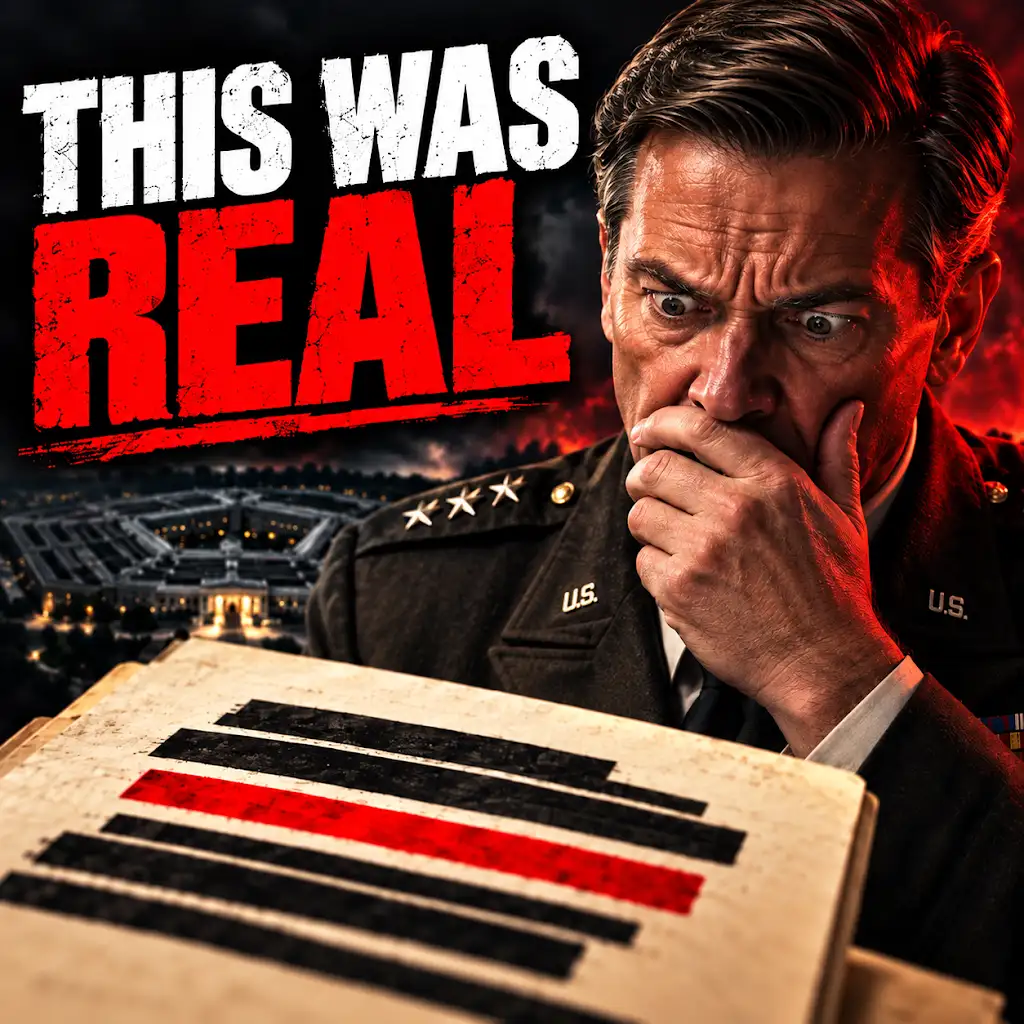
The Pentagon Plan to Fake an Attack on America—and Blame Cuba
FAQs
What are declassified government documents?
Declassified government documents are official records or files that were previously classified as confidential, secret, or top secret, but have since been made available to the public.
What type of information can be found in declassified government documents?
Declassified government documents can contain a wide range of information, including historical records, intelligence reports, diplomatic cables, military plans, scientific research, and more.
How are declassified government documents made available to the public?
Declassified government documents are typically released through a formal declassification process, which involves reviewing the documents to determine if they still contain sensitive information. Once declassified, the documents may be made available through government archives, libraries, or online databases.
What are the benefits of declassifying government documents?
Declassifying government documents can provide transparency and accountability, allow for historical research and analysis, and contribute to public understanding of government actions and policies.
Are there any restrictions on accessing declassified government documents?
While many declassified government documents are made available to the public, some may still have redacted or withheld information to protect national security or individual privacy. Additionally, certain documents may have access restrictions based on their sensitivity or classification level.