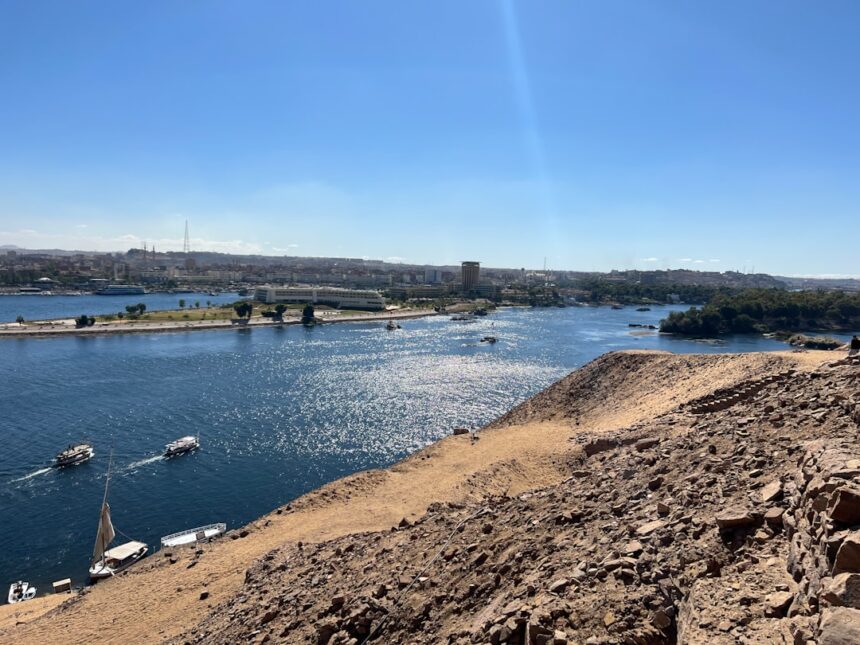
The Aswan Dam, a monumental engineering feat located on the Nile River in Egypt, has long been a cornerstone of the nation’s infrastructure and economic development. Initially constructed in the 1960s, the dam has played a crucial role in controlling flooding, generating hydroelectric power, and providing irrigation to vast agricultural lands. However, recent developments have cast a shadow over the future of this vital project.
A significant withdrawal of funding from key international partners has raised concerns about the completion and maintenance of the dam, which is essential for sustaining Egypt’s water supply and energy needs. The withdrawal of financial support has not only jeopardized ongoing projects related to the dam but has also sparked debates about the sustainability and management of water resources in the region. As Egypt grapples with increasing population pressures and climate change, the implications of this funding withdrawal extend beyond mere financial concerns; they touch upon the very fabric of Egyptian society and its economy.
The situation calls for a comprehensive understanding of the factors at play and their potential consequences for both Egypt and its neighbors.
Key Takeaways
- The Aswan Dam funding withdrawal: A brief overview
- Impact on the completion timeline
- Potential alternative funding sources
- Environmental concerns and mitigation efforts
- Economic implications for Egypt and neighboring countries
Impact on the completion timeline
The withdrawal of funding for the Aswan Dam has significantly impacted the timeline for its completion and ongoing maintenance. With financial resources dwindling, project managers face delays in critical upgrades and expansions that are necessary to enhance the dam’s capacity and efficiency. These delays could lead to a ripple effect, affecting not only the dam’s operational capabilities but also the agricultural sectors that rely heavily on its irrigation systems.
Farmers who depend on consistent water supply may find themselves facing uncertainty, which could ultimately threaten food security in the region. Moreover, the timeline for completing additional infrastructure projects associated with the dam, such as power generation facilities and irrigation systems, has also been thrown into disarray. The lack of funding means that these projects may be postponed indefinitely, leading to a backlog of work that could take years to resolve.
As a result, stakeholders must now navigate a complex landscape of logistical challenges and resource allocation issues, all while trying to maintain public confidence in the government’s ability to manage such a critical national asset.
Potential alternative funding sources
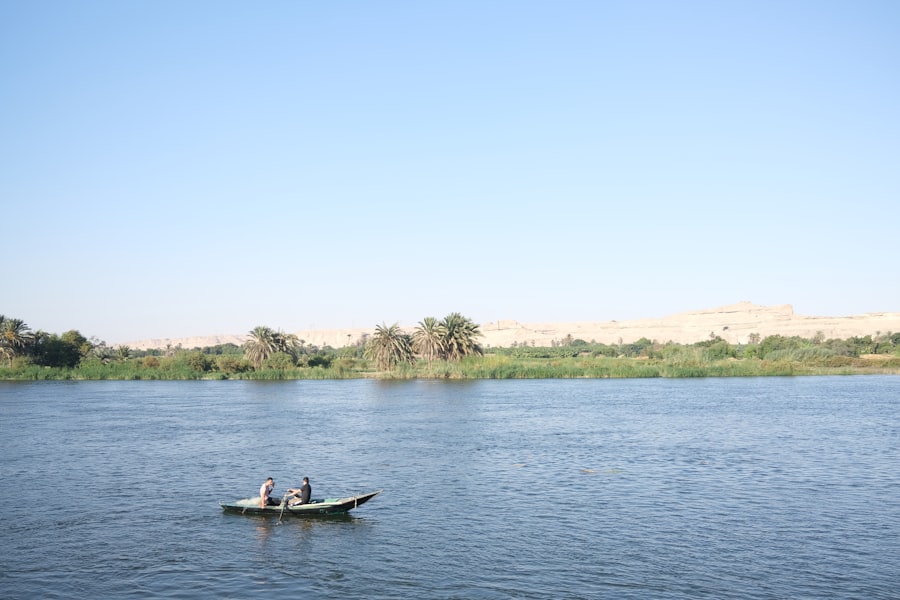
In light of the funding withdrawal, Egypt must explore alternative sources of financing to ensure the continued operation and enhancement of the Aswan Dam.
By engaging with private investors who are interested in renewable energy and infrastructure development, Egypt could secure much-needed capital while also fostering partnerships that could lead to innovative solutions for managing water resources.
Additionally, Egypt may consider tapping into regional cooperation initiatives that focus on shared water management strategies. Collaborating with neighboring countries that also rely on the Nile River could open doors to joint funding opportunities and resource-sharing agreements. Such partnerships could not only alleviate financial burdens but also promote a sense of collective responsibility for managing this vital waterway sustainably.
Environmental concerns and mitigation efforts
| Environmental Concerns | Mitigation Efforts |
|---|---|
| Climate Change | Transition to renewable energy sources |
| Deforestation | Reforestation projects and sustainable logging practices |
| Pollution | Implementation of stricter environmental regulations |
| Loss of Biodiversity | Protected area conservation and habitat restoration |
The Aswan Dam has long been a subject of environmental scrutiny due to its profound impact on the Nile River ecosystem. The alteration of natural water flow patterns has led to significant ecological changes, affecting fish populations and other wildlife that depend on the river’s health. The withdrawal of funding raises concerns about whether adequate resources will be allocated for environmental mitigation efforts that are essential for preserving biodiversity in the region.
To address these environmental challenges, Egypt must prioritize comprehensive assessments of the dam’s ecological footprint. Implementing strategies such as habitat restoration projects and sustainable fishing practices can help mitigate some of the adverse effects caused by the dam’s operations. Furthermore, engaging local communities in conservation efforts can foster a sense of stewardship over natural resources, ensuring that both people and wildlife can thrive in harmony.
Economic implications for Egypt and neighboring countries
The economic implications of the funding withdrawal from the Aswan Dam extend far beyond Egypt’s borders. As one of Africa’s largest economies, Egypt plays a pivotal role in regional stability and growth. The dam’s ability to generate hydroelectric power is crucial not only for domestic consumption but also for exporting electricity to neighboring countries.
A delay in completing necessary upgrades could hinder Egypt’s capacity to meet energy demands, potentially leading to increased energy prices and economic instability. Moreover, neighboring countries that rely on the Nile River for irrigation and water supply may also feel the repercussions of funding withdrawal. Disruptions in water management could exacerbate tensions over resource allocation, particularly in a region where water scarcity is already a pressing issue.
Collaborative efforts among Nile Basin countries will be essential to navigate these economic challenges and ensure equitable access to shared resources.
Political ramifications of the funding withdrawal
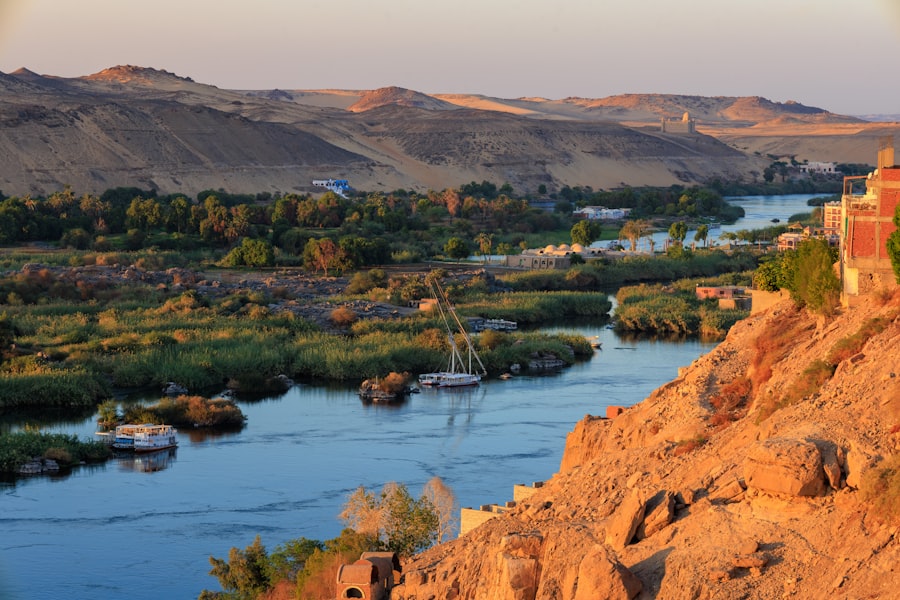
The political ramifications of withdrawing funding from the Aswan Dam are multifaceted and complex. Domestically, the Egyptian government faces pressure to demonstrate its commitment to infrastructure development and resource management amidst growing public concern over water scarcity and energy shortages. The inability to secure alternative funding may lead to public discontent, potentially undermining confidence in government leadership.
On an international scale, the funding withdrawal could strain diplomatic relations between Egypt and its partners. Countries that have historically supported the dam’s development may reassess their commitments based on shifting geopolitical dynamics or concerns about environmental sustainability. This situation necessitates careful diplomatic maneuvering as Egypt seeks to maintain strong relationships while advocating for its national interests.
Social and cultural effects on local communities
The Aswan Dam is not merely an engineering project; it is deeply intertwined with the social and cultural fabric of local communities along the Nile River. The withdrawal of funding threatens not only the dam’s operational capabilities but also the livelihoods of those who depend on it for agriculture, fishing, and tourism. Communities that have flourished around the dam may face economic hardships as uncertainty looms over their primary sources of income.
Furthermore, cultural heritage tied to the Nile River is at risk as environmental changes continue to unfold. Traditional practices related to fishing and farming may be disrupted, leading to a loss of cultural identity for many communities. It is crucial for policymakers to engage with local populations in discussions about sustainable development strategies that honor their cultural heritage while addressing contemporary challenges.
The role of international organizations in finding a solution
International organizations play a vital role in addressing complex infrastructure challenges like those posed by the Aswan Dam funding withdrawal. Institutions such as the World Bank and regional development banks can provide technical expertise, financial resources, and policy guidance to help Egypt navigate this crisis effectively. By facilitating dialogue among stakeholders, these organizations can foster collaborative approaches that prioritize sustainable development while addressing immediate financial needs.
Moreover, international organizations can assist in promoting best practices for water management and environmental conservation. By sharing knowledge and resources, they can help Egypt implement innovative solutions that balance economic growth with ecological preservation. Engaging with these organizations will be essential for Egypt as it seeks to secure alternative funding sources and develop comprehensive strategies for managing its water resources sustainably.
Technological innovations to address funding challenges
In an era marked by rapid technological advancements, Egypt has an opportunity to leverage innovation to address funding challenges associated with the Aswan Dam project. Emerging technologies in renewable energy generation, such as solar power and wind energy, could complement hydroelectric production by diversifying Egypt’s energy portfolio. By investing in these technologies, Egypt could reduce its reliance on traditional funding sources while enhancing energy security.
Additionally, advancements in water management technologies can improve efficiency in irrigation systems and reduce waste. Smart irrigation techniques that utilize sensors and data analytics can optimize water usage in agriculture, ensuring that farmers receive adequate supplies without over-extraction from the Nile River. Embracing these technological innovations will be crucial for Egypt as it seeks sustainable solutions amid financial constraints.
The future of the Aswan Dam project
The future of the Aswan Dam project hangs in a delicate balance as Egypt navigates funding challenges and environmental concerns. While the withdrawal of financial support poses significant obstacles, it also presents an opportunity for re-evaluation and innovation. By exploring alternative funding sources, engaging local communities, and prioritizing sustainable practices, Egypt can chart a path forward that ensures the dam remains a vital asset for generations to come.
Ultimately, the future of the Aswan Dam will depend on collaborative efforts among stakeholders at all levels—government officials, local communities, international organizations, and private investors alike. By fostering dialogue and cooperation, Egypt can work towards a sustainable vision that honors both its rich history and its aspirations for economic growth.
Lessons learned and recommendations for future large-scale infrastructure projects
The situation surrounding the Aswan Dam serves as a poignant reminder of the complexities involved in large-scale infrastructure projects. One key lesson is the importance of diversifying funding sources early in project planning stages to mitigate risks associated with reliance on single entities or governments. Establishing partnerships with private investors and regional stakeholders can create a more resilient financial framework.
Additionally, engaging local communities throughout all phases of project development is essential for ensuring that their needs are met while fostering a sense of ownership over shared resources. Incorporating environmental assessments into project planning can help identify potential ecological impacts early on, allowing for proactive mitigation strategies.
By learning from past experiences and embracing new opportunities, Egypt can navigate this complex landscape while securing its future water and energy needs.
The recent withdrawal of funding for the Aswan Dam has raised significant concerns regarding the future of water management in the region. This decision has been linked to broader geopolitical tensions and environmental considerations. For a deeper understanding of the implications of such funding changes, you can read more in this related article on the topic: here.
WATCH THIS! The Suez Canal Crisis: The 7-Day War That Broke The British Empire’s Bank
FAQs
What is the Aswan Dam funding withdrawal trigger?
The Aswan Dam funding withdrawal trigger refers to the decision by the United States to withdraw its offer of financial assistance for the construction of the Aswan High Dam in Egypt in 1956.
Why did the United States withdraw its funding for the Aswan Dam?
The United States withdrew its funding for the Aswan Dam in response to Egypt’s decision to nationalize the Suez Canal, which was previously controlled by British and French interests. This move by Egypt was seen as a threat to Western interests in the region.
What were the consequences of the funding withdrawal for the Aswan Dam?
The withdrawal of funding for the Aswan Dam led to a significant shift in Egypt’s foreign policy, as the country turned to the Soviet Union for financial and technical assistance to complete the project. This move had far-reaching implications for the Cold War dynamics in the Middle East.
How did the funding withdrawal trigger impact Egypt’s relationship with the United States?
The funding withdrawal trigger strained relations between Egypt and the United States, leading to a period of heightened tensions and mistrust. It also contributed to Egypt’s alignment with the Soviet Union during the Cold War.
What was the ultimate outcome of the Aswan Dam funding withdrawal trigger?
The ultimate outcome of the funding withdrawal trigger was the completion of the Aswan Dam with Soviet assistance, which had a lasting impact on the geopolitical landscape of the Middle East. It also marked a significant shift in Egypt’s foreign policy and its relations with the United States and the Soviet Union.