The shadow of the Cold War cast a long and chilling pall over the world, and in its murky depths, clandestine operations bloomed like poisonous flowers. Among the most persistent and ambitious of these covert campaigns was the United States’ multi-faceted, decades-long effort to destabilize and ultimately remove Fidel Castro from power in Cuba. This was no single, monolithic endeavor, but rather a sprawling, evolving series of initiatives, born of a deep-seated fear of communist expansion in the Western Hemisphere and fueled by a potent mix of ideology, national security concerns, and at times, sheer personal animosity towards the charismatic Cuban leader.
The seeds of the covert operation against Fidel Castro were sown almost immediately after his triumphant revolution overthrew the Batista regime on January 1, 1959. While initially met with a degree of cautious optimism by some in Washington, the burgeoning anti-American sentiment emanating from Havana, coupled with Castro’s increasingly socialist leanings and his overtures to the Soviet Union, quickly transformed that optimism into alarm. The Eisenhower administration, already deeply entrenched in Cold War dogma, viewed Castro’s Cuba as a dangerous ideological outpost and a potential springboard for Soviet influence in its own backyard. The nationalization of American-owned businesses and the perceived threat to U.S. interests in the region solidified this perception.
The Eisenhower Administration’s Early Steps
In the initial months following Castro’s victory, the U.S. government found itself in a precarious position. While officially recognizing the new government, underlying anxieties began to simmer. The State Department and the intelligence community, particularly the nascent Central Intelligence Agency (CIA), started to explore various options, ranging from diplomatic pressure to more unconventional means.
Initial Intelligence Gathering and Assessment
The first phase of U.S. engagement involved extensive intelligence gathering. Analysts sought to understand the internal dynamics of the new Cuban government, its leadership, and its potential trajectory. The question of whether Castro was a genuine ideological convert to communism or a pragmatic nationalist exploiting opportunities was a subject of intense debate. This initial assessment, however, was heavily colored by pre-existing biases and the overarching fear of Soviet encroachment.
The First Whispers of Intervention
Even before any formal planning, whispers of intervention began circulating within intelligence and military circles. The idea of supporting opposition groups or even orchestrating a coup was not entirely alien. These early discussions, while not yet formalized into concrete plans, laid the groundwork for the more substantial covert actions that would follow.
The covert operations against Fidel Castro during the Cold War have long been a topic of intrigue and speculation. A related article that delves into the intricacies of these secret campaigns can be found at this link: The Secret Campaign Against Fidel Castro. This piece explores the various strategies employed by the U.S. government to undermine Castro’s regime, shedding light on the complex interplay of espionage, propaganda, and political maneuvering that characterized this tumultuous period in history.
Operation Zapata: The Bay of Pigs Fiasco and its Aftermath
The most infamous, and arguably the most catastrophic, of the covert operations against Castro was Operation Zapata, the ill-fated Bay of Pigs invasion in April 1961. Launched under the Kennedy administration, this operation was the culmination of extensive planning and preparation by the CIA, aimed at overthrowing Castro by supporting a U.S.-trained brigade of Cuban exiles. The invasion, however, proved to be a stunning military and political disaster, a public humiliation for the United States and a significant propaganda victory for Castro.
The Genesis of the Bay of Pigs Plan
The roots of the Bay of Pigs operation can be traced back to the final months of the Eisenhower administration, which authorized the CIA to begin planning for the overthrow of Castro. The plan was to train and equip a force of Cuban exiles who would then launch an invasion, ignite an internal uprising, and establish a provisional government that the U.S. would then support.
CIA’s Role in Exile Training and Preparation
The CIA was entrusted with the monumental task of recruiting, training, and equipping the Cuban exiles. Camps were established in Guatemala and elsewhere, where these individuals underwent rigorous military training, learning tactics, weapons handling, and amphibious assault techniques. The goal was to create a force capable of challenging Castro’s well-established army.
Kennedy’s Inherited Plan and its Imperfections
President John F. Kennedy inherited the Bay of Pigs plan upon taking office in January 1961. Despite his initial reservations and concerns about its feasibility, he ultimately approved the operation. However, crucial flaws in the plan, including insufficient air support, a poorly chosen landing site, and an underestimation of Castro’s popular support and military strength, proved to be fatal.
The Invasion and its Devastating Failure
On April 17, 1961, the 1,400-strong Brigade 2506 landed at the Bay of Pigs. What followed was a chaotic and ultimately futile struggle. Lacking adequate air cover to neutralize Castro’s air force, the exiles were quickly outmaneuvered and overwhelmed. Within three days, the invasion collapsed, with most of the invaders killed or captured.
Underestimation of Cuban Resistance
A critical miscalculation was the profound underestimation of the Cuban people’s willingness to defend their revolution and their leader. Instead of a widespread popular uprising against Castro, the invasion was met with fierce resistance from the Cuban military and mobilized civilians.
The Impact of Lack of Air Superiority
The decision to limit air strikes and the subsequent failure to achieve air superiority proved to be a fatal blow. Castro’s air force, though not as sophisticated as the U.S. military’s, was able to effectively counter the invaders and prevent crucial resupply efforts.
The Lingering Scars and Political Fallout
The Bay of Pigs invasion was a deeply embarrassing episode for the United States. It damaged its international credibility, emboldened Castro, and solidified his anti-American stance. For the Cuban exiles, it was a tragic loss of life and a shattered dream of returning to their homeland.
Damage to U.S. International Reputation
The world watched as the United States stumbled in its attempt to overthrow a democratically elected government (albeit one that was increasingly socialist). This failure significantly undermined America’s image as a benevolent global power and highlighted the potential for hubris in its foreign policy.
Fortification of Castro’s Regime
Paradoxically, the failed invasion served to strengthen Castro’s position within Cuba. He was able to rally nationalistic sentiment against the “imperialist aggressors” and further consolidate his power. The captured invaders, paraded on Cuban television, became symbols of Castro’s victory over American intervention.
Beyond the Invasion: A Multifaceted Campaign of Destabilization

The failure of the Bay of Pigs did not signify the end of U.S. efforts to remove Castro. Instead, it marked a shift towards a more sustained, multifaceted, and often insidious campaign of covert action. The goal remained the same: to destabilize Castro’s regime, undermine his authority, and ultimately pave the way for his removal. This involved a wide array of tactics, from economic sabotage to assassination plots, all operating in the shadows.
Operation Mongoose: The Cold War’s Shadow War
Following the Bay of Pigs, the Kennedy administration initiated Operation Mongoose, a comprehensive and highly ambitious program of covert operations designed to bring about the overthrow of Fidel Castro’s communist regime in Cuba. This operation, active from late 1961 to 1962, was a sprawling effort involving multiple government agencies and a vast array of tactics aimed at destabilizing Cuba economically, politically, and socially.
Economic Warfare and Sabotage
A significant component of Operation Mongoose involved economic warfare. The U.S. aimed to cripple Cuba’s economy, thereby creating widespread discontent and undermining Castro’s ability to govern. This included efforts to disrupt trade, encourage capital flight, and damage key industries.
Targeting Agricultural Output
Specific efforts were made to target Cuba’s agricultural sector, a crucial source of its revenue. This involved acts of sabotage aimed at destroying crops, livestock, and essential agricultural infrastructure, with the hope of creating food shortages and fueling public anger.
Disrupting Industrial Production
Similarly, U.S. intelligence agencies sought to sabotage Cuba’s burgeoning industrial sector. This could involve anything from spreading rumors to inciting labor strikes to more direct acts of sabotage against factories and production facilities.
Psychological Warfare and Propaganda
Beyond tangible sabotage, Operation Mongoose also heavily relied on psychological warfare and propaganda. The objective was to erode Castro’s legitimacy, sow doubt among the Cuban population, and amplify any existing discontent.
Spreading Disinformation
U.S. propaganda efforts aimed to spread negative narratives about Castro and his regime. This included highlighting human rights abuses (real or exaggerated), economic hardships, and the perceived subservience of Cuba to the Soviet Union.
Encouraging Internal Dissent
The CIA actively sought to identify and support internal opposition groups within Cuba. This involved providing funding, training, and logistical support to dissidents and anti-Castro elements, aiming to foster an internal resistance movement.
The Shadow of Assassination Plots
Perhaps the most controversial and ethically fraught aspect of the covert campaign was the exploration and planning of assassination plots against Fidel Castro. While the extent of direct presidential authorization remains a subject of historical debate, evidence suggests that various U.S. agencies were involved in developing and even attempting to execute plans to eliminate the Cuban leader. These plots, often involving elaborate and risky schemes, underscore the desperation and the lengths to which some in Washington were willing to go.
Operation GIOCONDA and its Variants
Various codenames were associated with these assassination attempts, with Operation GIOCONDA being one of the more widely discussed. These operations often involved intricate plans, utilizing everything from poison to explosives and even engaging with organized crime figures who had their own motives for wanting Castro gone.
The Role of Organized Crime
In a chilling convergence of interests, the CIA reportedly collaborated with figures from the American mafia, who had significant business interests in Cuba that were nationalized by Castro’s government. These criminal organizations possessed the skills and connections for clandestine operations, and their involvement in plots against Castro remains a dark chapter in the history of U.S. covert action.
The Evolution of Tactics: From Direct Intervention to Subversion
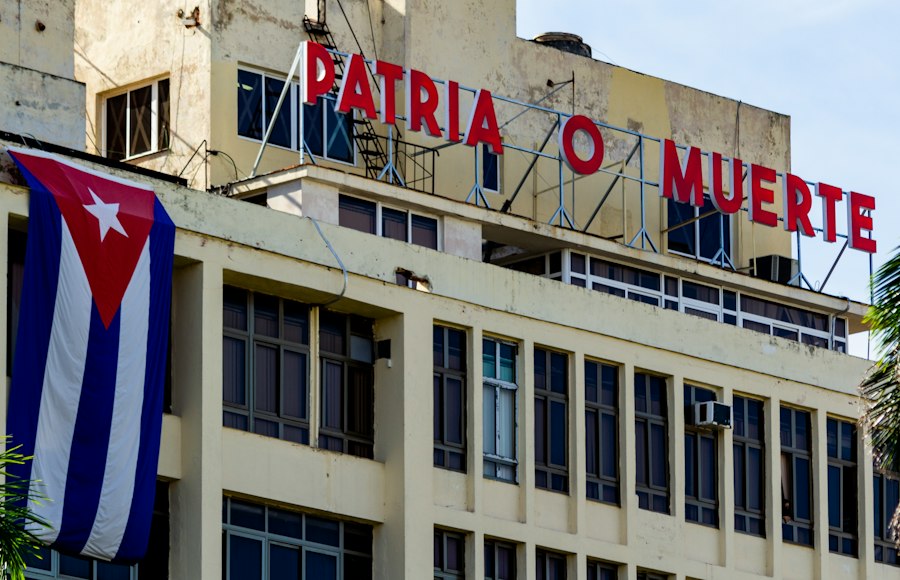
As the years passed and Castro’s regime solidified its grip on power, the nature of U.S. covert operations evolved. The direct, large-scale intervention of the Bay of Pigs proved to be too risky and politically damaging. Subsequent efforts focused more on long-term subversion, intelligence gathering, and fostering internal opposition. The emphasis shifted from overtly overthrowing the government to subtly undermining it, creating conditions for its eventual collapse.
Intelligence Gathering and Analysis: A Continuous Effort
Throughout the entire period, the U.S. intelligence community maintained a dedicated and continuous effort to gather information on Cuba. This was crucial for understanding the internal dynamics of the regime, identifying vulnerabilities, and informing future covert actions.
Human Intelligence Sources
A significant portion of intelligence was gathered through human sources – defectors, diplomats, and Cuban citizens willing to provide information to the U.S. These sources, often operating at great personal risk, provided invaluable insights into the workings of the Castro government.
Signals Intelligence and Technical Surveillance
Beyond human sources, sophisticated technical surveillance methods were employed. This included intercepting communications, monitoring radar, and other forms of signals intelligence, all aimed at piecing together a comprehensive picture of Cuba’s military capabilities, political intentions, and economic status.
Supporting and Amplifying Internal Dissent
Recognizing the limitations of external intervention, U.S. policy increasingly focused on fostering and amplifying internal dissent within Cuba. This involved identifying, supporting, and coordinating with individuals and groups who opposed Castro’s rule.
Funding and Training Dissident Groups
Direct financial and logistical support was provided to various dissident organizations and individuals operating within Cuba. This often involved clandestine meetings, the smuggling of supplies, and the provision of communication equipment.
Promoting Anti-Castro Propaganda Internally
Efforts were made to disseminate anti-Castro propaganda within Cuba, utilizing various means to bypass state control. This could involve radio broadcasts, leaflets, and the exploitation of existing underground networks to spread messages of discontent.
Economic Pressure and Sanctions: A Long-Term Strategy
The U.S. also implemented a long-term strategy of economic pressure and sanctions against Cuba. This was designed to isolate the island nation economically, limit its access to resources, and create hardship for the Cuban population, hoping to erode support for the regime.
The Embargo’s Lasting Impact
The U.S. trade embargo against Cuba, first imposed in the early 1960s, became a cornerstone of this economic strategy. The embargo, with its various extensions and modifications over the decades, significantly impacted Cuba’s economic development and its ability to engage in international trade.
Targeting Key Economic Sectors
Beyond the general embargo, specific efforts were made to target key sectors of the Cuban economy, such as tourism and trade, with the aim of further restricting its financial resources and limiting its ability to fund its political and military endeavors.
The covert operations aimed at undermining Fidel Castro’s regime have long been a subject of intrigue and speculation. A fascinating exploration of these secret campaigns can be found in an article that delves into the various tactics employed by the U.S. government during the Cold War. For those interested in understanding the complexities of this historical narrative, the article provides valuable insights into the motivations and consequences of these clandestine efforts. You can read more about it in this detailed piece on the war room.
The Enduring Legacy: A Complex and Controversial Chapter
| Metrics | Data |
|---|---|
| Duration of the campaign | 1959-2006 |
| Number of attempts on Castro’s life | 638 |
| Cost of the campaign | Millions of dollars |
| Number of CIA operatives involved | Over 1000 |
The covert operations against Fidel Castro represent a significant and deeply complex chapter in the history of U.S. foreign policy and the Cold War. While intended to counter Soviet influence and protect U.S. interests, these operations also raised profound ethical questions and had far-reaching consequences, both for Cuba and for the United States. The legacy of these clandestine campaigns continues to be debated, with historians and policymakers grappling with the effectiveness, morality, and long-term implications of this protracted shadow war.
The Effectiveness of Covert Operations: A Mixed Record
The effectiveness of the covert operations against Castro is a subject of ongoing debate. While they arguably prevented Cuba from becoming a more significant Soviet military outpost and certainly contributed to the regime’s internal challenges, they ultimately failed to achieve their primary objective: the removal of Fidel Castro from power.
Unintended Consequences and Unforeseen Reactions
Many of the U.S. actions, particularly the Bay of Pigs invasion, had unintended and often counterproductive consequences. Instead of weakening Castro, they often served to rally nationalistic sentiment and solidify his support within Cuba and among his international allies.
The Resilience of the Cuban State
Despite decades of pressure, sanctions, and covert operations, the Cuban state, under Castro and his successors, demonstrated remarkable resilience. The regime adapted, found new allies, and largely weathered the storm of U.S. hostility.
Ethical and Moral Dilemmas
The covert operations against Castro also highlight a series of serious ethical and moral dilemmas. The use of sabotage, assassination plots, and the instigation of internal dissent raise fundamental questions about the limits of state power and the justification of such actions in the pursuit of foreign policy objectives.
The Question of State-Sponsored Violence
The involvement of U.S. intelligence agencies in plots that could have resulted in the death of a head of state, even a perceived adversary, remains a deeply troubling aspect of this history. It raises questions about the acceptable boundaries of international relations and the potential for abuse of power.
The Impact on the Cuban People
While the intent was often to liberate the Cuban people from communist rule, the long-term impact of U.S. policies, including sanctions and covert actions, on the daily lives of ordinary Cubans is a crucial consideration. The economic hardships and the climate of fear fostered by these operations had a profound and lasting effect.
The Lessons of the Shadow War
The secret campaign against Fidel Castro offers a stark and valuable case study for understanding the complexities and potential pitfalls of covert operations. It underscores the importance of realistic assessments of local conditions, the unintended consequences of intervention, and the enduring challenges of attempting to shape the internal affairs of sovereign nations. The lessons learned from this protracted shadow war continue to inform discussions about intelligence, foreign policy, and the ethical responsibilities of global powers.
The Pentagon Plan to Fake an Attack on America—and Blame Cuba
FAQs
What was the secret campaign against Fidel Castro?
The secret campaign against Fidel Castro refers to the covert operations carried out by the United States government to undermine and overthrow the Cuban leader, Fidel Castro, during the Cold War era.
When did the secret campaign against Fidel Castro take place?
The secret campaign against Fidel Castro took place primarily during the 1960s, following the Cuban Revolution in 1959. The United States government, particularly the Central Intelligence Agency (CIA), initiated various covert operations to destabilize Castro’s regime.
What were some tactics used in the secret campaign against Fidel Castro?
The tactics used in the secret campaign against Fidel Castro included assassination attempts, economic sabotage, propaganda efforts, and support for anti-Castro groups within Cuba. The CIA also organized the failed Bay of Pigs invasion in 1961, which aimed to overthrow Castro’s government.
Did the secret campaign against Fidel Castro succeed?
No, the secret campaign against Fidel Castro did not succeed in its primary goal of overthrowing the Cuban leader. Despite numerous attempts and covert operations, Fidel Castro remained in power until he stepped down due to health issues in 2008.
What is the historical significance of the secret campaign against Fidel Castro?
The secret campaign against Fidel Castro is significant in Cold War history as a reflection of the intense geopolitical rivalry between the United States and the Soviet Union. It also sheds light on the use of covert operations and the ethical implications of such tactics in international relations.