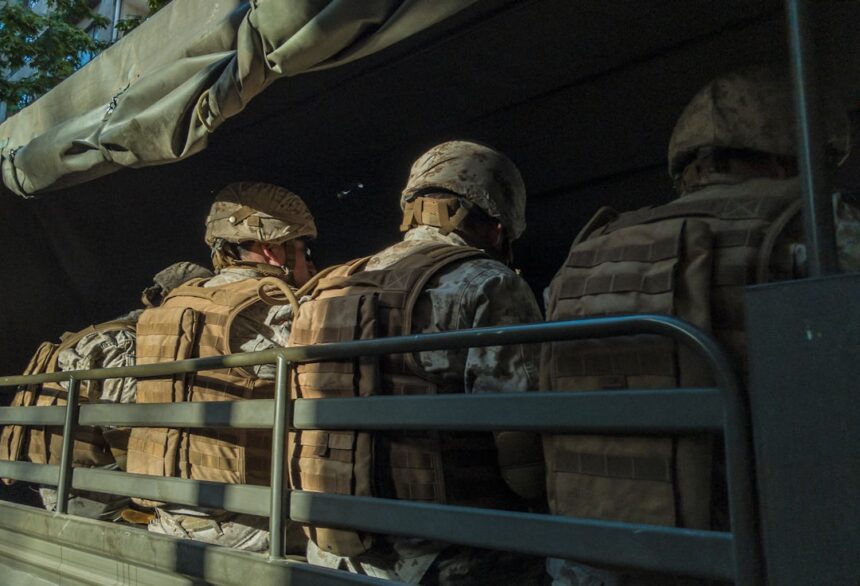
The chilling shadow of the Cold War, a period of unprecedented global tension and ideological conflict, cast a long and complex spell over the 20th century. For decades, the world held its breath, a constant undercurrent of fear permeating international relations as two superpowers, the United States and the Soviet Union, engaged in a high-stakes game of espionage, proxy wars, and nuclear brinkmanship. While much of this era remains shrouded in secrecy, a groundbreaking new documentary, “Declassified: Cold War Military Planning,” pulls back the curtain on the intricate, and at times terrifying, strategic machinations that defined this turbulent period. This film, drawing upon newly released classified documents and extensive archival footage, offers an unprecedented and often unsettling look into the minds of the military planners who navigated the perilous waters of potential global annihilation.
Unveiling the Shadows: The Dawn of Nuclear Deterrence
The genesis of Cold War military planning was irrevocably shaped by the dawn of the nuclear age. The devastating power unleashed at Hiroshima and Nagasaki fundamentally altered the nature of warfare and diplomacy. The immediate post-war years saw a frantic race to understand and weaponize this new destructive force, leading to the development of increasingly sophisticated and powerful nuclear arsenals. “Declassified” meticulously details this crucial period, revealing how military strategists grappled with the implications of possessing weapons capable of unimaginable destruction.
The Weight of the Bomb: Early Nuclear Strategies
The documentary explores the initial, often ad-hoc, strategies that emerged in the late 1940s and early 1950s. With the Soviet Union rapidly developing its own nuclear capabilities, the United States found itself in a precarious position. The concept of “Massive Retaliation,” a cornerstone of early American nuclear doctrine, is examined in depth. This strategy posited that any Soviet aggression, regardless of its scale, would be met with an overwhelming nuclear response. The film presents declassified documents that illustrate the internal debates surrounding this doctrine, highlighting the immense moral and practical dilemmas it posed. The sheer destructive potential of nuclear weapons meant that any recourse to them, even in retaliation, carried the risk of global catastrophe.
The Arms Race Ignites: A Technological Spiral
“Declassified” vividly portrays the escalating arms race that became a defining characteristic of the Cold War. The pursuit of technological superiority, particularly in nuclear weapons delivery systems and offensive capabilities, fueled a relentless cycle of innovation and counter-innovation. The film showcases declassified plans for intercontinental ballistic missiles (ICBMs), strategic bombers, and nuclear submarines – the triad of nuclear deterrence that would define superpower arsenals for decades. The sheer scale of investment in these programs, as revealed through budget allocations and procurement documents, underscores the immense economic and societal costs of this perpetual arms buildup.
For those interested in the intricate strategies and decisions that shaped military planning during the Cold War, the documentary “Cold War Military Planning: Strategies and Consequences” offers a comprehensive overview. It delves into the various military doctrines and the geopolitical tensions that influenced defense strategies of the era. To explore more about this topic, you can read a related article that provides additional insights and analysis at In The War Room.
The Calculus of Containment: Strategies Beyond the Nuclear
While nuclear weapons loomed large, Cold War military planning encompassed a far broader spectrum of strategies. The overarching objective for the West was the containment of Soviet influence, a policy that necessitated a multifaceted approach extending beyond the threat of nuclear annihilation. The documentary delves into these less-publicized but equally critical aspects of military planning, revealing the intricate web of operations designed to counter Soviet expansionism.
Proxy Wars and Covert Operations: The Hidden Frontlines
The film dedicates significant attention to the phenomenon of proxy wars and covert operations, areas where the superpowers often clashed indirectly. Declassified intelligence reports and operational plans illustrate the extent to which the CIA and its Soviet counterparts engaged in clandestine activities, supporting insurgencies, orchestrating coups, and engaging in espionage across the globe. From the Korean War to the Vietnam War, and numerous less-known conflicts in Africa and Latin America, “Declassified” reveals the meticulous planning and resource allocation that underpinned these proxy struggles, often with devastating consequences for the regions caught in their crossfire.
Conventional Superiority and Forward Deployment: The Iron Curtain’s Edge
Beyond the nuclear realm, the documentary explores the strategies for maintaining conventional military superiority and the critical role of forward deployment. The immense Soviet land army and its perceived threat to Western Europe necessitated a robust NATO defense. Declassified war games and troop deployment plans reveal the detailed preparations for a potential conflict on the European continent. The film highlights the strategic importance of alliances like NATO and the logistical complexities of maintaining a military presence thousands of miles from home. The constant state of readiness and the vast resources dedicated to conventional defense painted a stark picture of a world perpetually on the verge of conflict.
The Cuban Missile Crisis: A Moment of Truth
Few events in the Cold War encapsulate the existential peril more vividly than the Cuban Missile Crisis of 1962. “Declassified” provides an unprecedented look into the decision-making processes during those thirteen days of extreme tension. The documentary draws upon declassified transcripts of ExComm meetings, presidential directives, and intelligence assessments, offering a granular view of how President Kennedy and his advisors navigated the precipice of nuclear war.
The Brink of Annihilation: Decision Points and Dilemmas
The film meticulously reconstructs the agonizing choices faced by American leaders. The discovery of Soviet nuclear missile sites in Cuba triggered a profound crisis, forcing a reevaluation of strategies and a desperate search for a resolution that would avoid direct military confrontation. “Declassified” reveals the intense debates between those advocating for an immediate military strike and those pushing for a more diplomatic approach. The sheer volume of declassified documents pertaining to this crisis underscores its significance and the gravity of the decisions made.
The Shadow of Mutually Assured Destruction (MAD)
The Cuban Missile Crisis also brought the chilling doctrine of Mutually Assured Destruction (MAD) into stark relief. The understanding that a nuclear exchange would result in the annihilation of both sides acted as a powerful deterrent, but also intensified the psychological pressure on leaders. The documentary examines how the architects of MAD, while aiming to prevent war, also created a precarious balance of terror. The film reveals how the constant threat of escalation, even during de-escalation efforts, meant that any miscalculation could have had catastrophic consequences.
Adapting to Détente and the Shifting Sands of Power
As the Cold War progressed, the rigid doctrines of the early years began to evolve. The immense costs of the arms race and the palpable threat of nuclear war eventually led to periods of détente, a relaxation of tensions between the superpowers. “Declassified” explores how military planning adapted to these changing dynamics, even as the underlying competition persisted.
The Strategic Arms Limitation Talks (SALT) and Beyond
The documentary examines the complex negotiations and agreements that characterized arms control efforts, such as the Strategic Arms Limitation Talks (SALT). Declassified documents reveal the intricate diplomatic maneuvering and the strategic considerations that underpinned these efforts. While SALT aimed to limit the growth of nuclear arsenals, the film suggests that it also allowed for a degree of continued modernization and development, reflecting the inherent mistrust that persisted between the superpowers.
The Evolution of Nuclear Strategy: Flexible Response and Limited War
The rigid adherence to “Massive Retaliation” gradually gave way to more nuanced doctrines, such as “Flexible Response.” This strategy emphasized the need for a range of military options, from conventional warfare to limited nuclear strikes, rather than an all-or-nothing nuclear response. “Declassified” showcases declassified studies and war games that explored scenarios of limited nuclear war, revealing the chilling strategic thinking that sought to contain and manage a nuclear conflict, a concept that many found inherently contradictory and terrifying. The film also delves into the planning for conventional conflicts in regions deemed strategically important, highlighting the constant need to maintain a credible military presence and capability.
In exploring the intricate strategies of Cold War military planning, one can gain deeper insights by examining a related article that delves into the geopolitical tensions of the era. This article provides a comprehensive analysis of the various military doctrines that shaped the decisions of world leaders during this critical period. For a more detailed understanding, you can read the article here: Cold War Military Strategies. It highlights how these strategies influenced not only military engagements but also diplomatic relations across the globe.
The Legacy of Cold War Planning: Lessons for the Future
The end of the Cold War did not erase the impact of its military planning. The vast arsenals, the complex logistical networks, and the ingrained strategic doctrines left an indelible mark on global security. “Declassified” concludes by examining the enduring legacy of this era and the critical lessons it holds for contemporary challenges.
The Perils of Secrecy and the Importance of Transparency
The very existence of the documentary, “Declassified,” underscores the importance of transparency in military planning. The film demonstrates how decades of secrecy allowed for the unchecked development of potentially world-ending weapons and strategies. The filmmakers argue that a more open discourse and public understanding of military planning are essential to prevent future escalations and foster a more stable global environment. The revelations within the documentary serve as a stark reminder of the dangers inherent in unchecked military ambition.
Preventing Escalation: The Enduring Need for Diplomacy and De-escalation
Perhaps the most crucial lesson from the Cold War, as illuminated by “Declassified,” is the paramount importance of diplomacy and de-escalation. The documentary vividly illustrates how close the world came to nuclear catastrophe on multiple occasions and how often it was diplomatic intervention, careful communication, and a willingness to compromise that averted disaster. The film serves as a powerful argument for investing in diplomatic solutions and fostering international cooperation, rather than relying solely on military might as a guarantor of security. The intricate and often frightening military plans laid bare in “Declassified” offer a stark warning about the consequences of miscalculation and the profound responsibility that rests with those who hold the power to wage war. The documentary compels viewers to confront the uncomfortable realities of past strategic thinking and to actively engage in the ongoing conversation about how to navigate the complex security landscape of the 21st century, ensuring that the lessons learned from the brink are not forgotten.
The Pentagon Plan to Fake an Attack on America—and Blame Cuba
FAQs
What is the Cold War military planning documentary about?
The Cold War military planning documentary explores the strategic military planning and preparations that took place during the Cold War era, focusing on the tensions and rivalries between the United States and the Soviet Union.
When was the Cold War military planning documentary released?
The release date of the Cold War military planning documentary varies depending on the specific documentary being referenced. However, many documentaries on this topic have been released in the 21st century, offering a retrospective look at the military strategies and preparations of the Cold War era.
What are some key themes covered in the Cold War military planning documentary?
Key themes covered in the Cold War military planning documentary may include nuclear deterrence, arms race, proxy wars, espionage, and the geopolitical strategies employed by both the United States and the Soviet Union during the Cold War.
Who are the intended audiences for the Cold War military planning documentary?
The intended audiences for the Cold War military planning documentary may include history enthusiasts, military historians, students of international relations, and anyone interested in gaining a deeper understanding of the Cold War era and its impact on global politics and military strategies.
Where can one watch the Cold War military planning documentary?
The Cold War military planning documentary may be available for viewing on various streaming platforms, such as Netflix, Amazon Prime Video, or Hulu. Additionally, it may be available for purchase or rental on platforms like iTunes or Google Play. Some documentaries may also be accessible through educational institutions or public libraries.