The Bay of Pigs, a seemingly minor beachhead on Cuba’s southern coast, became a crucible of geopolitical fallout, its failure etching a deep scar onto the history of the Cold War. The attempted invasion by a U.S.-backed force of Cuban exiles in April 1961 was a catastrophic miscalculation, a bold stroke that landed with a resounding thud, leaving behind a tangled mess of diplomatic recriminations, hardened ideologies, and a profoundly altered Caribbean landscape. Understanding the aftermath requires delving into the immediate chaos, the long-term consequences for Cuba and the United States, and the ripple effects that resonated across the globe.
The swift and decisive defeat of the Bay of Pigs invasion sent shockwaves through Washington and Havana. For the United States, it was a profound national embarrassment, a public unraveling of covert operations and a stark illustration of flawed intelligence and strategic incompetence. For Cuba, however, it was a moment of defiant triumph, solidifying Fidel Castro’s revolutionary government and galvanizing nationalistic fervor against perceived American aggression.
The Public Scrutiny and Political Fallout in the United States
The immediate aftermath in the United States was characterized by intense public scrutiny and political recriminations. President John F. Kennedy, who had inherited the plan from the Eisenhower administration, bore the brunt of the criticism. The failure was undeniable, and the administration scrambled to explain away the disaster. Questions swirled about the planning, the intelligence assessments, and the extent of American involvement.
The Kennedy Administration Under Fire
President Kennedy’s approval rating took a significant hit. Critics, both within and outside his administration, questioned his judgment and his handling of the operation. The Joint Chiefs of Staff faced accusations of overconfidence and underestimation of Cuban forces. The Central Intelligence Agency (CIA), which had spearheaded the planning and execution of the invasion, found itself under intense pressure to justify its actions and its intelligence gathering capabilities. Kennedy himself, though outwardly stoic, was deeply affected by the failure, famously stating, “Victory has a thousand fathers, but defeat is an orphan.” This introspection would lead to significant changes within his national security apparatus.
The Role of the CIA and Intelligence Failures
The Bay of Pigs exposed critical flaws in the CIA’s intelligence gathering and analysis. The agency had overestimated the internal opposition to Castro and underestimated the loyalty of the Cuban population to the revolutionary government. The assumption that the invasion would spark a widespread popular uprising proved to be a critical miscalculation. Furthermore, the operational planning itself was riddled with errors, including inadequate air support and insufficient logistical planning for the invading force. The secrecy surrounding the operation, while intended to protect American interests, ultimately hampered effective oversight and accountability.
The Impact on U.S.-Cuban Relations
The failed invasion irrevocably damaged U.S.-Cuban relations, transforming them from strained to outright hostile. The incident cemented the perception of the United States as an aggressor in the eyes of the Cuban government and many of its citizens. This hostility would fuel decades of animosity, trade embargoes, and further covert actions by both sides. The rhetoric from both Washington and Havana became increasingly acrimonious, setting the stage for an even more dangerous confrontation just over a year later.
Cuba’s Triumph and Castro’s Consolidation of Power
In Cuba, the Bay of Pigs was hailed as a monumental victory for the revolution. It served as a powerful propaganda tool for Fidel Castro, allowing him to rally the Cuban people against a foreign threat and solidify his leadership. The swift defeat of the invading exiles underscored the strength of the Cuban military and the resolve of the revolutionary government.
The “People’s War” Narrative
The narrative that emerged in Cuba was one of a united people rising up to defend their sovereignty against imperialist aggression. Castro effectively framed the invasion as a direct assault on Cuban independence, an attempt by the U.S. to reassert its dominance. This narrative resonated deeply with the Cuban populace, many of whom had supported the revolution and were wary of American influence. The concept of a “people’s war” became a cornerstone of Cuban defense strategy and national identity.
Increased Soviet Influence and Alignment
The Bay of Pigs played a crucial role in pushing Cuba further into the Soviet orbit. Feeling increasingly threatened by the United States, Castro sought stronger alliances and security guarantees. The Soviet Union, eager to expand its influence in the Western Hemisphere and counter American power, saw an opportunity. The aftermath of the invasion led to increased Soviet military and economic aid to Cuba, solidifying their strategic partnership and setting the stage for the Cuban Missile Crisis.
The Fate of the Invading Exiles
The captured invaders faced a grim fate. While many were imprisoned and later ransomed back to the United States in a complex negotiation, their families were left in a state of agonizing uncertainty. The failure of the invasion dashed the hopes of many exiles who had dreamed of returning to a free Cuba, leaving them disillusioned and their future in limbo. This created a significant and enduring Cuban diaspora in the United States, many of whom remained deeply committed to the eventual overthrow of Castro’s regime.
The aftermath of the Bay of Pigs invasion had profound implications for U.S.-Cuba relations and shaped the geopolitical landscape of the Cold War. For a deeper understanding of the events that followed this ill-fated operation, you can read a related article that explores the long-term consequences and the impact on Cuban society. Check it out here: The Bay of Pigs: Aftermath and Implications.
Long-Term Consequences for Cuba: A Revolutionary Path Solidified
The Bay of Pigs was not just a singular event; it was a catalyst that shaped Cuba’s trajectory for decades to come. The immediate victory allowed the revolutionary government to consolidate its power, implement its socialist agenda with greater conviction, and forge a unique path independent of U.S. influence.
The Acceleration of Socialist Policies
Emboldened by their victory and facing continued American hostility, the Cuban government accelerated its implementation of socialist policies. Nationalizations, land reforms, and the establishment of a centrally planned economy were all advanced with renewed vigor. The perceived threat from the United States provided justification for these measures, fostering a sense of urgency and national unity behind the revolutionary project.
The Intensification of State Control
The aftermath of the Bay of Pigs saw an intensification of state control over all aspects of Cuban life. This included the establishment of neighborhood surveillance committees, the suppression of dissent, and the prioritization of state-run media and propaganda. The narrative of external threat justified these measures as necessary for national security and the preservation of the revolution.
Economic Dependence on the Soviet Bloc
With the U.S. trade embargo in place and continued hostility, Cuba became increasingly reliant on economic and military support from the Soviet Union and other Eastern Bloc nations. This economic dependence, while providing a lifeline for the Cuban economy, also limited its diversification and exposed it to the vulnerabilities of the Soviet system.
The Cuban Missile Crisis: A Direct Offspring
Perhaps the most direct and alarming long-term consequence of the Bay of Pigs was the Cuban Missile Crisis of 1962. The failed invasion, coupled with ongoing U.S. covert operations against Cuba, led Castro to seek increased military assurances from the Soviet Union. This resulted in the secret deployment of Soviet nuclear missiles on Cuban soil, bringing the world to the brink of nuclear war. The crisis served as a stark reminder of how the Bay of Pigs had inadvertently escalated tensions to an unprecedented level.
The Perceived Need for Deterrence
Following the Bay of Pigs, both Cuba and the Soviet Union felt a heightened need for deterrence against further U.S. aggression. For Castro, the invasion was a clear indication of American willingness to intervene militarily. For Khrushchev, the presence of U.S. Jupiter missiles in Turkey, bordering the Soviet Union, created a strategic imbalance. The decision to place missiles in Cuba was, in part, a response to these perceived threats and a desire to project Soviet power into the Western Hemisphere.
The Escalation of Superpower Confrontation
The Cuban Missile Crisis, a direct consequence of the events surrounding the Bay of Pigs, represented the most dangerous confrontation of the Cold War. The world held its breath as the two superpowers navigated a path away from nuclear annihilation. The crisis ultimately led to a de-escalation of immediate tensions, including the removal of Soviet missiles from Cuba and U.S. missiles from Turkey, but it underscored the volatility of the geopolitical landscape shaped by the initial Bay of Pigs failure.
The Enduring Cuban Diaspora and U.S. Policy
The Bay of Pigs fueled a continuous exodus of Cubans from the island, creating a significant and politically influential diaspora in the United States. This diaspora, driven by opposition to Castro’s regime, became a powerful lobbying force in American politics, advocating for a continued hardline stance against Cuba.
The Political Influence of Exiles
The Cuban exile community in South Florida, in particular, became a formidable political bloc. Their unwavering commitment to a free Cuba shaped U.S. policy towards the island for decades, influencing everything from trade sanctions to diplomatic engagement. This influence often created a domestic political imperative for successive U.S. administrations to maintain a tough stance, regardless of changing geopolitical realities.
The Persistence of the Embargo
The U.S. economic embargo against Cuba, initiated in the early 1960s, became a cornerstone of U.S. policy in the aftermath of the Bay of Pigs. This embargo, intended to cripple the Cuban economy and pressure the government, has had profound and lasting consequences for the Cuban people and has been a constant source of contention in international relations. Despite numerous calls for its lifting, the embargo has largely persisted, a testament to the enduring legacy of the Bay of Pigs and the geopolitical animosity it engendered.
The Unraveling of U.S. Foreign Policy and Intelligence Practices
The Bay of Pigs was a watershed moment for U.S. foreign policy and intelligence practices. It exposed the dangers of covert operations lacking sufficient oversight and the consequences of ideological rigidity overriding pragmatic strategic thinking. The failure led to introspection and ultimately to reforms designed to prevent similar catastrophes.
The Scrutiny of Covert Operations
The botched invasion triggered a critical examination of the CIA’s role and the efficacy of covert operations as a tool of foreign policy. The agency’s power and autonomy came under intense scrutiny, leading to demands for greater congressional oversight and accountability. This introspection would eventually lead to the establishment of more robust checks and balances on intelligence activities.
The Pike and Church Committee Investigations
In the wake of the Bay of Pigs and subsequent intelligence failures, the U.S. Congress undertook significant investigations into the activities of the CIA and other intelligence agencies. The Pike Committee in the House of Representatives and the Church Committee in the Senate, formed in the 1970s, thoroughly documented abuses and recommended reforms to curb the unchecked power of intelligence agencies. These committees exposed a pattern of questionable operations and a lack of civilian oversight that had contributed to the Bay of Pigs disaster and other controversial actions.
The Need for Accountability and Oversight
The lessons learned from the Bay of Pigs underscored the critical need for clear lines of accountability and effective oversight in the realm of national security and intelligence. The failures highlighted how operations conceived and executed without adequate checks and balances could lead to devastating consequences, both domestically and internationally.
The Shift Towards Diplomacy and “Flexible Response”
While the Bay of Pigs initially led to a hardening of U.S. policy, it also, paradoxically, fostered a greater appreciation for diplomatic solutions and the need for a more nuanced approach to foreign policy. The experience contributed to the development of President Kennedy’s “flexible response” doctrine, which emphasized a range of options beyond massive retaliation, including diplomacy, counterinsurgency, and limited military action.
The Importance of Intelligence Gathering and Analysis
The intelligence failures associated with the Bay of Pigs emphasized the critical importance of accurate and objective intelligence gathering and analysis. The administration realized that its foreign policy decisions were only as good as the information upon which they were based. This led to efforts to improve intelligence methodologies and reduce the influence of preconceived notions on the intelligence process.
The “Thrust and Parry” of Cold War Diplomacy
The Bay of Pigs was a stark reminder of the dangers inherent in direct confrontation. While the Cold War continued, the immediate aftermath saw a period of intense diplomatic maneuvering and a greater emphasis on managing crises. The world had glimpsed the precipice of nuclear war, and efforts were made to establish communication channels and de-escalate tensions where possible, even as ideological competition persisted.
The Legacy of Mistrust and Miscalculation
The Bay of Pigs left a lasting legacy of mistrust between the United States and Cuba, a mistrust that has proven remarkably resilient. The incident became a potent symbol of American interventionism in Latin America, fueling anti-American sentiment and reinforcing Cuba’s independent and often confrontational stance on the world stage.
A Symbol of American Imperialism
For many in Latin America and beyond, the Bay of Pigs became a tangible example of perceived American imperialism and a willingness to interfere in the affairs of sovereign nations. This perception continued to shape U.S. relations with the region for decades, complicating diplomatic efforts and fueling anti-American sentiment.
The Long Shadow of the Failed Operation
The shadow of the Bay of Pigs has loomed large over U.S.-Cuban relations for over six decades. The failed invasion, its immediate aftermath, and its long-term consequences continue to inform policy decisions, shape public perception, and influence the complex and often fraught relationship between the two nations. The unraveling of the aftermath reveals not just a single historical event, but a complex tapestry of geopolitical shifts, ideological battles, and enduring human consequences.
The Global Ramifications: A Shifting Balance of Power
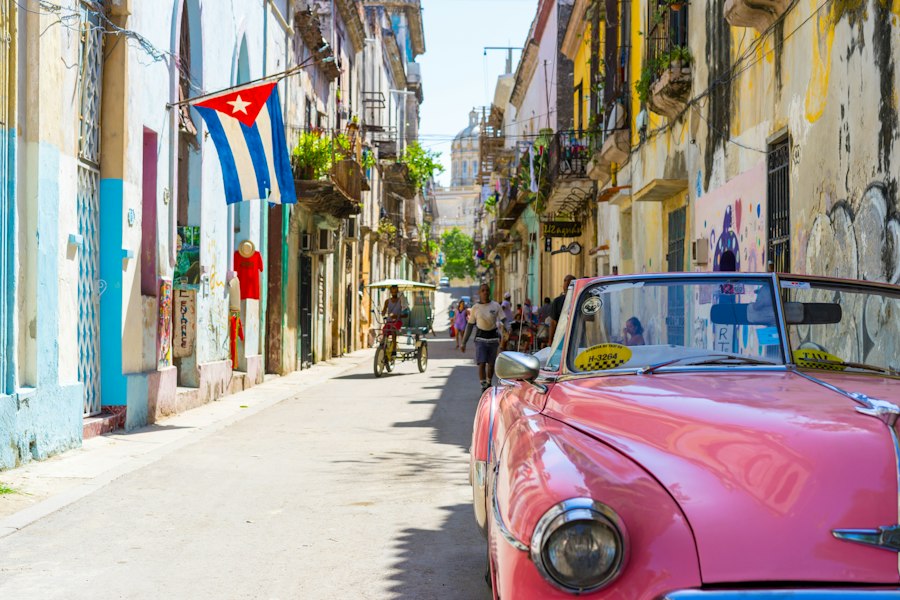
The Bay of Pigs was not confined to the shores of Cuba or the halls of Washington. Its repercussions rippled outward, influencing the broader dynamics of the Cold War and the geopolitical landscape of the 20th century. The perceived weakness of the United States and the growing strength of the Soviet-Cuban alliance had significant implications for global power balances.
The Strengthening of the Soviet Position
The failure of the U.S.-backed invasion was a clear propaganda victory for the Soviet Union. It demonstrated that the United States was not invincible and that its attempts to undermine socialist governments could be thwarted. This emboldened the Soviets and their allies, and it signaled a potential shift in the balance of power in the Western Hemisphere.
A Blow to American Credibility
The humiliating defeat at the Bay of Pigs dealt a significant blow to American credibility on the global stage. It raised questions about the efficacy of U.S. foreign policy and its ability to project power effectively. This was particularly concerning for U.S. allies, who looked to Washington for leadership and security.
Increased Soviet Influence in Latin America
The perceived American setback in Cuba encouraged the Soviet Union to increase its efforts to expand its influence in Latin America. The success of Cuba’s revolution, bolstered by its defiance of the United States, served as an inspiration for other revolutionary movements in the region. This led to a period of increased Soviet diplomatic and economic engagement with various Latin American countries.
The Non-Aligned Movement’s Perspective
The Bay of Pigs also resonated with the Non-Aligned Movement, a group of states seeking to remain independent of both the U.S.-led Western Bloc and the Soviet-led Eastern Bloc. For many non-aligned nations, the invasion was viewed as a clear example of superpower interference and a threat to national sovereignty.
A Warning Against Interventionism
The events in Cuba served as a stark warning to non-aligned countries about the dangers of superpower interventionism. It reinforced their commitment to principles of self-determination and non-interference in the internal affairs of other states. The Bay of Pigs became a touchstone for discussions about sovereignty and the role of superpowers in a multipolar world.
Reinforcement of Neutrality Stances
The perceived aggression by the United States in Cuba reinforced the commitment of many non-aligned nations to their neutrality. They saw the invasion as a demonstration of the risks of aligning too closely with either superpower and opted to maintain their independent foreign policies.
The Arms Race and Nuclear Deterrence
The heightened tensions following the Bay of Pigs and the subsequent Cuban Missile Crisis undoubtedly contributed to the continuation and escalation of the arms race. The realization of how close the world had come to nuclear war prompted both superpowers to re-evaluate their strategies, but it also spurred further investment in nuclear weapons and delivery systems as a means of deterrence.
The Constant Threat of Escalation
The Bay of Pigs, and its direct offspring the Cuban Missile Crisis, underscored the inherent dangers of the Cold War. The constant threat of escalation, the potential for miscalculation, and the existence of nuclear weapons meant that regional conflicts could rapidly metastomize into global catastrophes. This reality shaped the strategic thinking of both superpowers for decades.
The Quest for Strategic Advantage
Each perceived advantage or disadvantage in the Cold War balance of power was meticulously analyzed and responded to with further military and technological development. The Bay of Pigs, by shifting the geopolitical landscape, directly influenced this ongoing competition for strategic advantage, pushing both sides to develop more sophisticated and potent weaponry, all under the chilling shadow of nuclear annihilation.
The aftermath of the Bay of Pigs invasion had profound implications for U.S.-Cuba relations, leading to increased tensions during the Cold War. In the wake of the failed operation, Cuba solidified its ties with the Soviet Union, which ultimately contributed to the Cuban Missile Crisis. For a deeper understanding of the geopolitical shifts that occurred during this period, you can read more in this insightful article about the consequences of the invasion. Check it out here.
Conclusion: A Lingering Legacy of Misjudgment and Resilience
| Event | Impact |
|---|---|
| Cuban government strengthened | Fidel Castro’s regime became more entrenched and gained support |
| US-Cuba relations strained | Diplomatic relations between the two countries deteriorated |
| Increased Soviet influence | The Soviet Union gained more influence in Cuba, leading to the Cuban Missile Crisis |
| Embarrassment for the US | The failed invasion was a major embarrassment for the US government |
The Bay of Pigs invasion, a product of flawed intelligence, overconfidence, and ideological fervor, ultimately failed to achieve its objectives. However, its aftermath proved to be a far more significant historical force. For Cuba, it was a moment of nationalistic vindication, solidifying a revolutionary path and deepening its ties with the Soviet Union. For the United States, it was a harsh lesson in the complexities of foreign intervention and a catalyst for introspection that would reshape its intelligence practices and foreign policy approaches. The lingering legacy of the Bay of Pigs is a testament to the enduring power of misjudgment, the resilience of national will, and the profound and often unpredictable consequences that can unfold from a single, ill-fated endeavor. The beachhead at Playa Girón, once a site of attempted conquest, became an indelible symbol of a turning point, forever etched in the annals of the Cold War and the history of U.S.-Cuban relations. The unraveling of its aftermath continues to offer valuable lessons about the delicate dance of international relations, the perils of underestimating an opponent, and the enduring spirit of a nation determined to chart its own course.
The Pentagon Plan to Fake an Attack on America—and Blame Cuba
FAQs
What was the aftermath of the Bay of Pigs invasion in Cuba?
The aftermath of the Bay of Pigs invasion in Cuba was a significant victory for Fidel Castro’s government. The failed invasion strengthened Castro’s grip on power and led to increased tensions between the United States and Cuba.
How did the Bay of Pigs invasion impact US-Cuba relations?
The Bay of Pigs invasion strained relations between the United States and Cuba, leading to increased hostility and suspicion. The failed invasion also solidified Castro’s anti-American stance and pushed Cuba further into the Soviet sphere of influence.
What were the consequences of the Bay of Pigs invasion for the Cuban exiles involved?
The Cuban exiles who participated in the Bay of Pigs invasion faced imprisonment, torture, and even death upon their capture by Cuban forces. Many of them were held as political prisoners for years, while others were executed.
How did the Bay of Pigs invasion impact the Cold War dynamics?
The Bay of Pigs invasion heightened Cold War tensions between the United States and the Soviet Union. It also emboldened the Soviet Union to increase its support for Cuba, leading to the Cuban Missile Crisis in 1962.
What long-term effects did the Bay of Pigs invasion have on Cuba?
The Bay of Pigs invasion solidified Fidel Castro’s hold on power in Cuba and strengthened the communist regime. It also led to increased militarization and a deepening of the divide between Cuba and the United States, shaping the island’s political and economic trajectory for decades to come.