The revelation of the Stasi files was not a singular event, but a cascading series of discoveries that forever altered the landscape of German society and the collective memory of the East. For decades, the Ministry for State Security, or Stasi, had operated as the omnipresent and omnipotent secret police of the German Democratic Republic (GDR). Its reach was insidious, its methods chilling, and its existence a constant, unseen pressure on the lives of millions. The fall of the Berlin Wall in November 1989, while a moment of exhilarating triumph, also heralded an unprecedented challenge: what to do with the vast and terrifying apparatus of repression left behind, and the mountains of information it had meticulously collected on its own people?
The swift and unexpected collapse of the GDR in 1989-1990 left a vacuum of power and a bewildering array of institutions to manage. Among the most pressing was the Stasi, a sprawling organization with thousands of employees and an immeasurable archive. The initial days and weeks were characterized by a mix of apprehension and a nascent desire for accountability. Citizens, emboldened by their newfound freedom, were desperate to understand the extent of the surveillance and to identify those who had been informants.
Fear of Destruction and the Citizen Uprising
As the political landscape shifted, a primal fear gripped many: that the Stasi, in its dying throes, would attempt to destroy the evidence of its crimes. Rumors circulated about burning documents and shredders working overtime. This fear catalyzed a crucial grassroots movement. Ordinary citizens, many of whom had suffered under the regime, took it upon themselves to act. They formed citizen committees and occupied Stasi buildings, driven by a fierce determination to preserve the archives.
The Peaceful Occupation of Stasi Headquarters
The iconic images of East Germans peacefully occupying Stasi headquarters across the GDR became a symbol of the new era. These acts of defiance were not about violence, but about the reclaiming of spaces that had been dedicated to oppression. The citizens, armed with little more than their courage and a belief in transparency, acted as guardians of a future built on truth. Their actions were instrumental in preventing widespread destruction of the files.
The Bureaucratic Void and the Initial Steps
The fledgling government of the GDR, grappling with the immense task of reunification, was ill-equipped to handle the immediate aftermath of the Stasi’s dissolution. There was no precedent for dealing with such a vast and sensitive archive. The initial steps were tentative, involving the establishment of provisional bodies to oversee the remaining Stasi assets.
Provisional Oversight and the Question of Secrecy
Early attempts at managing the Stasi’s legacy were hampered by a lack of clear legal frameworks and a lingering uncertainty about how to proceed. The very nature of the Stasi’s work, steeped in secrecy and deception, made any attempt at transparency a monumental undertaking. The question of who would have access to the files, and under what conditions, became a central and contentious debate.
The opening of the Stasi files after the fall of East Germany marked a significant moment in the country’s transition to democracy, allowing citizens to confront their past and understand the extent of surveillance and repression they faced. For a deeper exploration of this topic, you can read the article “Unveiling the Past: The Impact of Stasi File Access on East German Society” available at this link. This article delves into the implications of accessing these files and how it has shaped the collective memory and identity of a nation grappling with its history.
The Birth of the Federal Commissioner for the Stasi Records
The need for a dedicated and independent body to manage the Stasi archives became increasingly apparent. The Federal Commissioner for the Stasi Records (BStU) was ultimately established in 1991, marking a pivotal moment in the process of coming to terms with the past. This institution was tasked with a monumental and unprecedented mission: to collect, preserve, process, and make accessible the vast collection of Stasi documents.
The Mandate of the BStU: Preservation and Access
The BStU was granted a broad mandate, encompassing the physical preservation of millions of files, photographs, audio recordings, and other materials. Crucially, it was also tasked with developing a system for allowing individuals to access their own files, as well as facilitating research and public education. This dual focus on preservation and access was intended to serve both individual justice and collective historical understanding.
The Scale of the Archive: A Digital and Physical Labyrinth
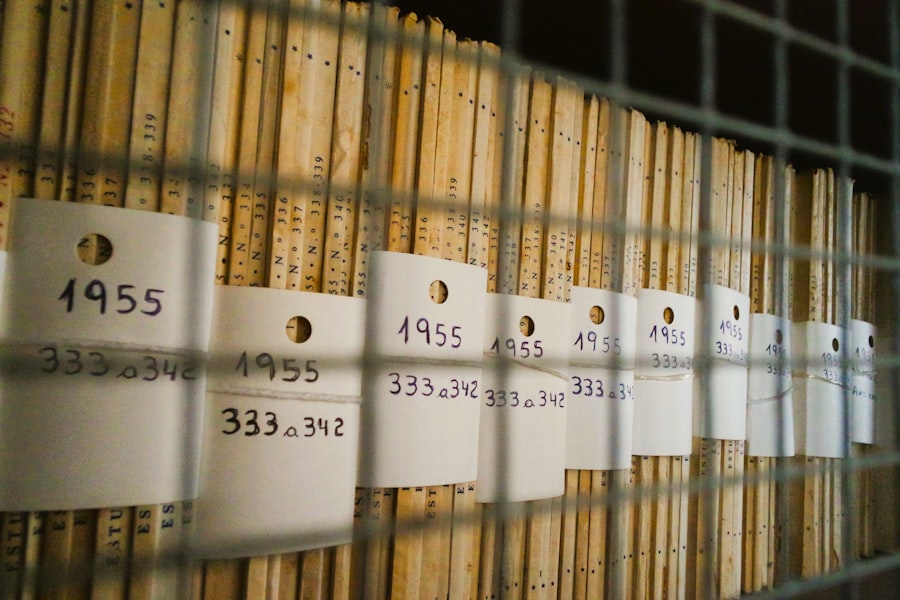
The sheer volume of the Stasi archive was staggering. It comprised over 180 kilometers of shelf space filled with documents, along with countless microfiches, photographs, and audio recordings. The task of cataloging and digitizing this immense collection was a logistical and technological Herculean effort, requiring significant investment and expertise.
Navigating the Legal and Ethical Minefield
The BStU operated within a complex legal and ethical framework. The right to privacy clashed with the public’s demand for transparency and accountability. Decisions had to be made about what information could be disclosed, who had the right to know, and how to protect the identities of individuals, particularly those who had been informants under duress.
Balancing Transparency and Privacy Concerns
The BStU faced constant pressure to balance the need for open access with the protection of individual privacy. Strict regulations were put in place to govern who could access files and what information within those files could be revealed. This balancing act was often fraught with tension, as victims sought full disclosure while concerns were raised about potential repercussions for former informants and others named in the files.
Unveiling the Network: The Everyday Infiltrators
The opening of the Stasi files revealed the chilling depth and breadth of the regime’s surveillance network. It was not merely a top-down operation; the Stasi relied heavily on a vast army of informants, often ordinary citizens, who were incentivized or coerced into spying on their friends, families, and colleagues.
The “Inoffizielle Mitarbeiter” (IMs): The Unseen Eyes and Ears
The term “Inoffizielle Mitarbeiter” (IM) became synonymous with the Stasi’s widespread network of unofficial collaborators. These individuals, ranging from housewives to factory workers, students to intellectuals, provided the Stasi with invaluable intelligence. Their motivations were varied: ideological conviction, financial gain, blackmail, or a desire for personal advancement within the socialist system.
The Psychology of Collaboration: Fear, Duty, and Greed
The files offered a disturbing glimpse into the psychological underpinnings of collaboration. For some, it was a matter of perceived duty to the state. For others, financial incentives proved irresistible. But for many, the decision to become an IM was driven by fear – fear of reprisal for themselves or their families, or fear of being marginalized in a society that prized conformity.
The Pervasiveness of Surveillance: Every Corner Observed
The files demonstrated that virtually no aspect of life in the GDR was free from Stasi scrutiny. From political dissent to personal relationships, from career aspirations to even private conversations, the Stasi sought to monitor and control. The sheer volume of surveillance data collected was overwhelming, painting a picture of a society under constant observation.
The Tools of the Trade: Microphones, Cameras, and Mail Interception
The Stasi employed a sophisticated array of surveillance techniques. Microphones were hidden in apartments, offices, and even public spaces. Cameras, often disguised, captured incriminating images. Mail was routinely intercepted and read, and telephone conversations were tapped. The ingenuity with which the Stasi pursued its surveillance mission was as impressive as it was sinister.
The Personal Impact: Reclaiming Narratives and Confronting Truths
The opening of the Stasi files had a profound and often deeply personal impact on millions of individuals. For many, the files offered long-sought answers, validating their suspicions and providing concrete evidence of the injustices they had suffered. For others, the revelations were a source of pain and betrayal.
Victims and the Search for Justice
For those who had been persecuted, imprisoned, or silenced by the regime, the Stasi files were a crucial tool in their search for justice. The documents provided irrefutable proof of the Stasi’s actions and helped to expose the perpetrators of state-sponsored repression. This led to some legal proceedings, though often with limited success due to the passage of time and the complexities of proving intent.
Reconciling with the Past: The Long Road to Healing
The process of confronting one’s own Stasi file was not always straightforward. For some, it was a vindication, a confirmation of their experiences. For others, it was a source of immense grief and anger, particularly when they discovered that friends or family members had been informants. The files often revealed painful truths that required individuals and communities to engage in a difficult and protracted process of reconciliation.
The Burden of Knowledge: Navigating Betrayal and Disillusionment
The widespread presence of informants meant that many East Germans were forced to confront the uncomfortable reality of betrayal. The discovery that trusted individuals had been reporting on them could be devastating, shattering long-held beliefs and relationships. This led to widespread disillusionment and a re-evaluation of the past.
The Dilemma of the “Informant”: Coercion vs. Complicity
The files often presented a complex picture of the “informant.” While some IMs were undoubtedly ideologically committed, many were clearly acting under duress or in exchange for material benefits. This created a moral dilemma for society, as it grappled with how to judge individuals who had operated within the confines of a totalitarian system.
The decision to open the Stasi files after the fall of East Germany marked a significant turning point in the nation’s history, allowing citizens to confront the realities of their past. This move not only aimed to promote transparency but also facilitated a broader understanding of the impact of state surveillance on everyday life. For a deeper insight into the implications of this historical event, you can read more in this informative article about the legacy of the Stasi and its influence on modern Germany at this link.
The Legacy and the Ongoing Process of Remembrance
| Year | Number of Stasi Files Opened | Number of Individuals Affected |
|---|---|---|
| 1992 | 42,000 | Approximately 6 million |
| 1993 | 53,000 | Approximately 7 million |
| 1994 | 48,000 | Approximately 6.5 million |
The opening of the Stasi files was not an end, but a beginning. The ongoing work of the BStU and the continuing public engagement with these historical documents have ensured that the legacy of the Stasi remains a vital part of German collective memory. The lessons learned from this period are crucial for understanding the dangers of unchecked state power and the importance of individual freedoms.
The BStU’s Evolving Role: From Archive to Educational Hub
Over time, the BStU has transitioned from solely managing an archive to becoming a vital educational institution. It plays a crucial role in public discourse, organizing exhibitions, producing educational materials, and hosting conferences. The goal is to ensure that future generations understand the realities of life in the GDR and the importance of safeguarding democratic values.
The Digital Age and Future Access to Information
As technology advances, the BStU continues to explore new ways to make the Stasi files accessible to a wider audience. Digitization efforts are ongoing, and the potential for online access raises new possibilities for research and public engagement. However, the challenges of privacy and data protection remain paramount.
The International Dimension: Lessons for Global Democracies
The experience of the GDR and the opening of the Stasi files offers valuable lessons for democracies around the world. It serves as a stark reminder of the fragility of freedom and the constant need for vigilance against authoritarian tendencies. The systematic nature of Stasi surveillance highlights the insidious ways in which state power can be abused.
The Importance of Transparency and Accountability in Governance
The Stasi files underscore the fundamental importance of transparency and accountability in any government. When state institutions operate in secrecy and without public oversight, the potential for abuse and repression is immense. The courage of the East German citizens who demanded access to these files serves as an inspiration for those who seek to hold power accountable. The aftermath of the Stasi files is a testament to the enduring power of truth and the ongoing struggle for a just and free society.

The Stasi Made You Suspect Everyone
FAQs
1. What are the Stasi files?
The Stasi files refer to the extensive records kept by the Ministry for State Security (Stasi) in East Germany, documenting surveillance, espionage, and repression of the East German population during the Cold War era.
2. When were the Stasi files opened to the public?
Following the fall of the Berlin Wall in 1989 and the reunification of Germany in 1990, the Stasi files were opened to the public in 1992, allowing individuals to access their own files and providing transparency into the activities of the Stasi.
3. What was the purpose of opening the Stasi files?
The opening of the Stasi files was aimed at promoting accountability, reconciliation, and historical understanding by allowing individuals to learn about the extent of Stasi surveillance and to hold former Stasi members accountable for their actions.
4. How did the opening of the Stasi files impact German society?
The opening of the Stasi files had a profound impact on German society, leading to public revelations about Stasi activities, fostering discussions about the legacy of East Germany, and providing closure for many individuals who discovered the extent of Stasi surveillance on their lives.
5. Are the Stasi files still accessible today?
Yes, the Stasi files are still accessible today through the Federal Commissioner for the Stasi Records (BStU) in Germany, where individuals can request access to their own files and researchers can study the historical records for academic and educational purposes.