The year 1989 stands as a watershed moment in modern history, a period when the established order in Eastern Europe began to crumble under the weight of popular dissent and a yearning for freedom. While the fall of the Berlin Wall often garners the most attention, other, perhaps less visible, but equally significant events played a crucial role in shaping the trajectory of change. One such defining moment, an act of courage and foresight, occurred in the waning days of the German Democratic Republic (GDR) when ordinary citizens, driven by a profound sense of justice and a desire to prevent the erasure of truth, took extraordinary measures to safeguard the incriminating files of the Stasi, the infamous state security service. This act of preservation was not merely a symbolic gesture; it was a vital step in the process of reckoning with a totalitarian past and building a future rooted in accountability and transparency.
The Omnipresent Eye
For decades, the Ministry for State Security, or Stasi, was the iron fist within the velvet glove of the GDR. Its primary mandate was to maintain the Socialist Unity Party’s (SED) absolute power by rooting out any perceived opposition. This mission was pursued through a pervasive and sophisticated network of surveillance, informants, and psychological manipulation. The Stasi sought to control not just overt acts of defiance but also the very thoughts and feelings of its citizens. The omnipresent eye of the Stasi was a constant, chilling reality for those living under its shadow. Homes were bugged, mail was intercepted, and public spaces were monitored. Every conversation, every gesture, could be interpreted as a potential threat to the regime. This atmosphere of constant scrutiny bred fear and a deep sense of isolation, as individuals were encouraged to report on their neighbors, colleagues, and even family members.
Informants: The Fabric of Fear
The Stasi’s effectiveness stemmed in large part from its vast army of unofficial collaborators, known as inoffizielle Mitarbeiter (IMs). These informants, drawn from all walks of life, were incentivized through a complex mix of ideological conviction, financial reward, coercion, and blackmail. They infiltrated workplaces, schools, churches, and private residences, providing the Stasi with an intimate and often distorted picture of daily life. This reliance on a network of informants created a pervasive climate of distrust, where even the closest relationships could be compromised. The knowledge that anyone could be an informant made genuine connection and open expression a dangerous gamble. The Stasi actively cultivated this fear, knowing that a population divided by suspicion would be less likely to unite against the regime.
The Tools of Repression: Psychological Warfare and Physical Abuse
Beyond surveillance, the Stasi employed a range of repressive tactics. These included psychological manipulation, designed to break individuals’ spirits and sow doubt in their own sanity. Methods like Zersetzung (decomposition) involved systematically undermining individuals through rumour-mongering, fabricated evidence, and the disruption of their personal and professional lives. In more severe cases, the Stasi did not shy away from physical abuse, including arbitrary arrests, interrogations, and detention in inhumane conditions. The trauma inflicted by these methods left deep scars on individuals and society as a whole, creating a legacy of fear and silence that would take generations to overcome.
In 1989, as the winds of change swept across Eastern Europe, citizens in East Germany took a bold step to preserve their history by saving Stasi files, which contained extensive surveillance records of the population. This grassroots movement not only highlighted the importance of transparency and accountability in a post-totalitarian society but also served as a crucial step in the reconciliation process for a nation grappling with its past. For more insights into this significant historical moment, you can read a related article [here](https://www.inthewarroom.com/sample-page/).
The Winds of Change: Autumn of 1989
Peaceful Protests and Growing Dissatisfaction
The summer of 1989 saw a surge in emigration from the GDR, as East Germans sought to escape to the West, often through newly opened borders in Hungary and Czechoslovakia. This exodus, combined with growing economic stagnation and a palpable sense of political stagnation, fueled widespread discontent. The peace prayers at the Nikolaikirche in Leipzig, which began with a handful of participants, gradually grew into massive demonstrations, with hundreds of thousands of people taking to the streets. Chants of “Wir sind das Volk!” (We are the people!) and “Keine Gewalt!” (No violence!) echoed through the cities, a powerful testament to the desire for change. These peaceful protests, often met with a hesitant and increasingly ineffective response from the authorities, demonstrated the erosion of the regime’s legitimacy.
The Fall of the Wall: A Symbol of Liberation
On November 9, 1989, the unthinkable happened: the Berlin Wall, a brutal symbol of division and oppression, was opened. This momentous event, spurred by a confusing announcement from a government official and the overwhelming pressure of the crowds, unleashed a wave of euphoria and celebration. People from East and West streamed through the checkpoints, embracing, crying, and chipping away at the Wall itself. The fall of the Berlin Wall was a powerful visual representation of the collapse of the Iron Curtain and the dawning of a new era. It symbolized the end of an ideological divide that had shaped the world for over four decades and ignited hopes for reunification and a democratic future.
The Precariousness of Transition
However, the euphoria of the Wall’s fall was accompanied by a pervasive sense of uncertainty. The SED regime was rapidly losing control, and the future of the GDR was unclear. Amidst this political vacuum, there was a significant concern that the outgoing authorities might attempt to destroy incriminating evidence that would expose their crimes and those of the Stasi. This fear was not unfounded, as history had shown that regimes in decline often sought to erase their wrongdoings. The transition period was fragile, marked by a complex interplay of popular demands for justice and the lingering influence of the old guard.
The Urgent Mission: Saving the Stasi Files
The Growing Anxiety of the People
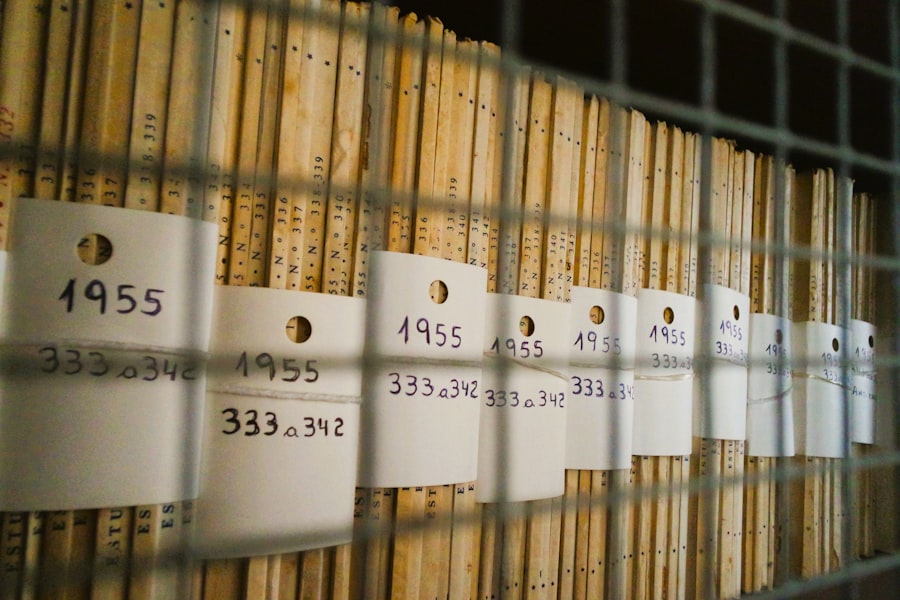
As the SED’s grip weakened, a palpable anxiety began to spread through East German society. Whispers turned into urgent discussions: what would happen to the Stasi archives? Would these records, containing years of surveillance, betrayal, and abuse, simply disappear? Many feared that the incoming democratic government, if it could even be formed, would be unable or unwilling to confront the full extent of the Stasi’s operations. The prospect of the Stasi files being destroyed was seen not just as an act of cowardice by the former regime but as a betrayal of the victims and a denial of the truth that had been so arduously sought.
The Role of the “Bürgerkomitees” (Citizens’ Committees)
In this climate of apprehension, ordinary citizens began to organize. The Bürgerkomitees, or Citizens’ Committees, which had emerged during the protests, took on a new and critical role. These grassroots organizations, composed of individuals committed to democratic reform and accountability, became the driving force behind the initiative to preserve the Stasi records. They understood that the files were not just dusty documents; they were a crucial repository of evidence, a testament to the suffering of countless individuals, and a vital resource for understanding and prosecuting past abuses.
The Fear of Destruction: A Race Against Time
The fear of deliberate destruction was a potent motivator. Citizens worried that sensitive documents, revealing the identities of informers, the methods of repression, and the extent of state-sanctioned wrongdoing, would be systematically shredded, burned, or otherwise disposed of before a new government could secure them. This perceived threat created a sense of urgency, transforming the abstract concept of historical preservation into an immediate and practical necessity. The race against time was on.
The Dawn of the Guardians: Citizen Occupation of Stasi Headquarters
Spontaneous Action and Collective Will
The act of saving the Stasi files was not a top-down directive. It was a spontaneous eruption of collective will, fueled by a profound sense of responsibility. As the SED’s authority crumbled, citizens, acting with remarkable bravery and determination, began to occupy Stasi buildings. These were not armed militants; they were librarians, teachers, students, and workers, united by a common purpose. They walked into the very heart of the beast, facing the intimidating architecture and the lingering presence of the state security apparatus, armed with little more than their convictions.
The Occupation of Normannenstraße and Beyond
The most iconic site of this citizen occupation was the sprawling Stasi headquarters at Normannenstraße in East Berlin. On January 15, 1990, following days of mounting protests and pressure, protestors breached the building, finding themselves amidst a labyrinth of offices, interrogation rooms, and archives. Their immediate priority was to secure the files. Similar occupations took place at Stasi facilities across the GDR. These acts of civil disobedience were not about vandalism or revenge; they were about safeguarding a historical legacy and ensuring that the truth would not be buried.
The Challenge of Access and Preservation
Upon occupying the buildings, the citizens faced an immense challenge. The sheer volume of documents was staggering, estimated to be over 170 kilometers of files and millions of index cards. The buildings themselves were often in a state of disrepair, and the preservation of such a vast archive required specialized knowledge and resources. Yet, the initial occupiers, with makeshift solutions and immense dedication, began the arduous task of cataloging, securing, and preventing the destruction of these invaluable records. They established makeshift guards, organized teams to patrol the archives, and alerted journalists and international observers to their efforts.
In 1989, as the winds of change swept through Eastern Europe, citizens in East Germany took a bold step to reclaim their history by saving Stasi files that documented the extensive surveillance and oppression they endured. This grassroots movement not only highlighted the importance of transparency and accountability but also served as a powerful reminder of the need to confront the past. For a deeper understanding of this pivotal moment in history, you can read more about the implications of these actions in a related article on the topic at In the War Room.
The Legacy of the Guardians: Truth, Justice, and Remembrance
| City | Number of Citizens | Number of Stasi Files Saved |
|---|---|---|
| Leipzig | Approximately 500 | Approximately 16,000 |
| Dresden | Approximately 300 | Approximately 9,000 |
| Berlin | Approximately 1,000 | Approximately 30,000 |
The Unveiling of Truth
The citizens’ courageous act of preserving the Stasi files had profound and lasting consequences. It ensured that the truth about the GDR’s oppressive regime would not be erased. The archives provided irrefutable evidence of the Stasi’s pervasive surveillance, its role in suppressing dissent, and the suffering it inflicted on countless individuals. This unveiling of truth was a crucial step in the process of coming to terms with the past and building a new society. Without these files, the scale of the Stasi’s operations and the extent of its abuses might have remained largely unknown, allowing for a more sanitized and incomplete historical narrative.
Laying the Groundwork for Justice
The Stasi archives became the bedrock upon which efforts for justice and accountability were built. The information contained within them allowed for the identification of former Stasi officers and informants who had committed crimes. This led to prosecutions and legal proceedings, holding individuals responsible for their actions. While the process of achieving justice was complex and often fraught with challenges, the preserved files provided the necessary evidence to pursue these cases and offer a measure of redress to the victims. The files facilitated the understanding of the systemic nature of the repression, making it clear that individual actions were often part of a larger, state-sanctioned apparatus of control.
A Monument to Remembrance and a Warning for the Future
The saved Stasi files stand as a powerful monument to remembrance. They serve as a constant reminder of the dangers of unchecked state power, the importance of civil liberties, and the enduring human spirit’s capacity for courage in the face of oppression. The act of preservation by ordinary citizens in 1989 is a potent symbol of the power of the people to protect truth and demand accountability. It serves as a vital warning for future generations, underscoring the need for vigilance in safeguarding democratic values and preventing the resurgence of authoritarianism. The efforts of these unnamed heroes ensure that the lessons of the GDR’s past are not forgotten, providing a crucial historical bulwark against the erosion of freedom and human rights. The ongoing work of making these files accessible to researchers and the public continues to shed light on this complex period, contributing to a deeper and more nuanced understanding of the GDR and its legacy. The citizens who took it upon themselves to act as guardians of these records did more than just save documents; they saved a part of history and, in doing so, helped to forge a more just and truthful future.

The Stasi Made You Suspect Everyone
FAQs
What are Stasi files?
Stasi files refer to the extensive records kept by the Ministry for State Security in East Germany, documenting the surveillance and control of the country’s citizens during the communist era.
Why did citizens save Stasi files in 1989?
In 1989, as the communist regime in East Germany began to crumble, citizens recognized the importance of preserving the Stasi files as evidence of the government’s oppressive tactics and human rights abuses.
How did citizens save the Stasi files?
Citizens took various measures to save the Stasi files, including smuggling them out of government buildings, hiding them in private homes, and even creating secret archives to protect the documents from destruction.
What impact did saving the Stasi files have?
The preservation of the Stasi files played a crucial role in exposing the extent of the government’s surveillance and repression, leading to public outrage and contributing to the eventual collapse of the East German regime.
Are the Stasi files still accessible today?
Yes, the Stasi files are now accessible to the public at the Stasi Records Agency in Germany, where individuals can request access to their own files or conduct research on the activities of the Ministry for State Security.