
Blackwater: From Controversy to Rebranding
The name Blackwater evokes a visceral reaction for many. For some, it conjures images of ruthless mercenaries operating with impunity in the war-torn landscapes of Iraq. For others, it represents a necessary, albeit controversial, private security solution in complex geopolitical environments. Regardless of perspective, the story of Blackwater is one of rapid ascent, profound scandal, and a subsequent, often fraught, rebranding effort. This article will delve into the history of Blackwater, exploring its origins, the controversies that defined it, and the various iterations and name changes it underwent in an attempt to shed its tarnished legacy.
Blackwater Worldwide, later known by several other names, was founded in 1997 by former U.S. Navy SEAL Erik Prince. The company’s inception was rooted in a perceived gap in the market for highly trained, privately contracted security personnel. Prince, leveraging his military experience and connections, aimed to provide a specialized service that could supplement government and military efforts in high-risk zones.
The Vision of Erik Prince
Erik Prince’s vision for Blackwater was ambitious. He envisioned a private military company that could offer a spectrum of services, from personal protection and intelligence gathering to logistical support and even paramilitary operations. The company’s headquarters, a sprawling 6,000-acre training facility in Moyock, North Carolina, became a symbol of this ambition. This facility, known as the “Blackwater Training Facility,” was state-of-the-art and became a crucial element in the company’s recruitment and training processes. It offered a wide array of training scenarios, simulating environments from urban combat to jungle warfare, attracting individuals with military and law enforcement backgrounds.
Early Contracts and the War on Terror
The post-9/11 world, and particularly the U.S.-led wars in Afghanistan and Iraq, proved to be fertile ground for Blackwater’s expansion. The demand for private security contractors surged as governments sought to bolster their presence in these volatile regions without significantly increasing their official military footprints. Blackwater, with its well-equipped facility and highly trained personnel, was perfectly positioned to capitalize on this demand.
The Exploitation of a Growing Market
The “War on Terror” created an unprecedented demand for private military contractors. Governments, facing stretched resources and political constraints on deploying uniformed troops, increasingly turned to private companies to fill critical roles. Blackwater, and companies like it, stepped into this void, offering flexibility, specialized skills, and often, a degree of deniability that governments found appealing. This rapid growth, however, also laid the groundwork for future scrutiny.
The Allure of Specialized Skills
Blackwater’s initial success was partly due to its ability to recruit former elite military personnel. These individuals brought with them advanced combat skills, tactical experience, and a disciplined mindset. This pool of talent was highly sought after by governments and international organizations operating in dangerous environments. The company cultivated an image of professionalism and effectiveness, which attracted both clients and recruits.
The rise and fall of Blackwater, a private military company that gained notoriety for its controversial operations in Iraq, is a compelling case study in the complexities of privatized warfare. For a deeper understanding of the implications of such private entities in military conflicts, you can read a related article that explores the broader impact of private security firms on modern warfare. For more insights, visit this article.
The Nisour Square Massacre: A Defining Scandal
While Blackwater initially enjoyed a period of growth and relative obscurity, its trajectory took a sharp and devastating turn in September 2007. The infamous Nisour Square massacre in Baghdad, Iraq, would forever tarnish the Blackwater name and propel the company into the global spotlight for all the wrong reasons.
The Events of September 16, 2007
On that fateful day, a convoy of Blackwater contractors, operating under the State Department’s Diplomatic Security Service, was escorting a U.S. diplomatic team through Baghdad. At Nisour Square, a busy intersection, the convoy came under fire. The ensuing engagement, which involved Blackwater personnel firing into a crowd of Iraqi civilians, resulted in the deaths of 17 unarmed Iraqis and injuries to many more.
A Chaotic Scene and Conflicting Accounts
The immediate aftermath of the shooting was characterized by chaos and conflicting accounts. Blackwater personnel claimed they were ambushed and fired in self-defense. However, investigations by the FBI and Iraqi authorities presented a different picture, suggesting that the Blackwater contractors had initiated the gunfire without provocation. The event ignited widespread outrage in Iraq and intensified calls for greater accountability of private military contractors.
The Human Cost of Private Warfare
The Nisour Square massacre brought into sharp focus the immense human cost that can arise from the unchecked use of private military force. The deaths of innocent civilians highlighted the ethical and legal complexities of deploying armed contractors in conflict zones, particularly concerning rules of engagement and the potential for excessive force.
The Legal Fallout and Public Outcry
The Nisour Square massacre sparked intense legal scrutiny and a significant public outcry. The U.S. government launched multiple investigations, and ultimately, several Blackwater guards were indicted on charges ranging from voluntary manslaughter to murder. The legal proceedings were lengthy and complex, facing challenges related to jurisdiction and evidence.
The Indictments and Convictions
While the legal path was arduous, the outcome saw several Blackwater guards convicted of crimes related to the incident. These convictions, though hard-won, represented a significant step towards accountability for the actions of private contractors. However, the prolonged legal battles and the eventual overturning of some convictions by higher courts fueled frustration and further eroded public trust.
Damage to Blackwater’s Reputation
The Nisour Square massacre inflicted irreparable damage on Blackwater’s reputation. The company went from being a perceived provider of essential security services to a symbol of corporate misconduct and a perpetrator of civilian deaths. The negative publicity severely impacted its ability to secure new contracts and led to increased scrutiny from governments and the public alike.
The Struggle for Rebranding: A Series of Name Changes
Following the Nisour Square massacre and the ensuing public outcry, it became clear that the Blackwater name was too toxic to salvage. Erik Prince and the company’s leadership embarked on a strategic rebranding effort, hoping that new names and a revised image could distance them from the scandals of the past.
Academi: The First Attempt at a New Identity
In 2009, Blackwater Worldwide officially changed its name to Academi. This was the first major rebranding attempt, signaling a desire to move beyond the shadow of its former identity. The company asserted that the name change was not merely cosmetic but reflected a commitment to improved operations and a renewed focus on its core security services.
Shifting Focus and Corporate Restructuring
With the new name, Academi aimed to project an image of professionalism and adherence to stricter ethical standards. The company underwent corporate restructuring, and its leadership emphasized a commitment to transparency and accountability. The goal was to rebuild trust and re-establish its credibility in the private security sector.
Continued Scrutiny and Lingering Doubts
Despite the rebranding, the ghost of Blackwater lingered. Many observers and critics viewed the name change as a superficial attempt to escape accountability. The company continued to face scrutiny regarding its past actions and its ongoing operations. The legacy of Nisour Square remained a significant hurdle to overcome.
Xe Services and Beyond: Further Transformations
The rebranding efforts did not end with Academi. The company continued to evolve, experiencing further name changes and ownership shifts in its quest for a more acceptable public face. In 2011, Academi was rebranded as Xe Services. This marked another attempt to distance itself from the past, with the company seeking to attract a broader range of clients and operations.
The Constant Evolution of a Company Under Fire
The continued name changes reflected the company’s ongoing struggle to shed its controversial past. Each new iteration was met with a degree of skepticism, as the underlying issues and the company’s history were not easily erased. The perception of a company constantly trying to reinvent itself rather than genuinely reform persisted for many.
The Persistent Shadow of Blackwater
Regardless of the name on the door, the actions and controversies associated with Blackwater remained a significant part of the company’s narrative. The deep-seated public perception of the company as having operated with a disregard for human life proved difficult to overcome.
The Legacy of Blackwater: Accountability and Regulation
The rise and fall of Blackwater, and its subsequent rebranding efforts, have had a profound impact on the debate surrounding private military contractors (PMCs) and the need for greater regulation. The controversies have served as a stark reminder of the potential dangers and ethical challenges associated with privatizing warfare.
The Evolving Landscape of Private Military Contracting
The Blackwater saga catalyzed a broader discussion about the role and regulation of PMCs. Governments and international bodies began to re-examine the legal frameworks governing these companies, seeking to establish clearer lines of accountability and oversight. The incidents highlighted the need for robust legal mechanisms to address potential abuses.
Calls for Stricter Oversight and Accountability
The Nisour Square massacre, in particular, fueled demands for stricter oversight and accountability for private contractors operating in conflict zones. There was a growing consensus that these individuals, while not uniformed military personnel, should not be immune from prosecution for serious crimes. This led to the establishment of more comprehensive legal frameworks and reporting requirements.
The Debate Over Privatization of Security
The controversy surrounding Blackwater intensified the debate over the privatization of security. Critics argued that outsourcing core security functions to private companies could erode state sovereignty, compromise ethical standards, and lead to a lack of transparency. Proponents, however, maintained that PMCs offer valuable flexibility and specialized expertise in challenging environments.
The Ongoing Quest for Justice and Redress
For the victims and their families affected by the actions of Blackwater personnel, the quest for justice and redress has been a long and often painful one. The legal battles, while some resulted in convictions, did not always provide the closure or compensation that was sought. The complexity of international law and the nature of private contracting often created significant obstacles.
The Search for Closure and Reparations
The pursuit of closure and reparations for the victims of incidents like Nisour Square remains an ongoing challenge. The legal and financial complexities involved in obtaining justice against powerful private security firms can be daunting for individuals and communities.
The Future of Private Security Companies
The experiences with Blackwater and its successors have undoubtedly shaped the future of private security companies. There is a greater emphasis now on transparency, ethical conduct, and adherence to international humanitarian law. Companies that operate in this sector face increased scrutiny from governments, the public, and human rights organizations.
The controversial actions of Blackwater, a private military company, have sparked extensive discussions about the role of private contractors in conflict zones. For a deeper understanding of the implications of their operations and the subsequent fallout, you can read a related article that delves into the complexities of privatized warfare and its impact on military ethics. This exploration can be found at In The War Room, where various perspectives on the issue are examined.
Beyond the Names: A Question of Substance
| Event | Date |
|---|---|
| Renamed to Academi | December 2011 |
| Acquired by Constellis Group | 2014 |
| Rebranded as Constellis | 2015 |
Ultimately, the story of Blackwater is not just about names and rebranding. It is a story about power, accountability, and the complex ethical considerations that arise when private entities are entrusted with the use of force in international affairs. The company’s journey from a relatively unknown entity to a global symbol of controversy, and its subsequent attempts to reinvent itself, serve as a crucial case study in the evolving landscape of private military and security contracting.
The Enduring Impact of Blackwater’s Actions
The actions of Blackwater, particularly the events at Nisour Square, have left an indelible mark on the perception of private military contractors. The controversy has undoubtedly led to increased caution and a more rigorous approach to the vetting and oversight of such companies by governments.
Lessons Learned for Future Operations
The lessons learned from the Blackwater era are critical for any future engagements involving private security personnel. There is a heightened awareness of the potential for abuses and the imperative to establish clear lines of command, responsibility, and accountability.
The Ongoing Scrutiny of Private Security Firms
As private security companies continue to operate in various capacities around the world, they do so under a much more watchful eye. The legacy of Blackwater has created a persistent demand for transparency and accountability, forcing these firms to demonstrate their commitment to ethical conduct and respect for human rights.
The Importance of Ethical Frameworks and International Law
The future of private security contracting will likely hinge on the ability of these companies to operate within robust ethical frameworks and adhere strictly to international humanitarian law. The failures of the past serve as a constant reminder of the severe consequences when these principles are disregarded.
The story of Blackwater, from its controversial beginnings to its multiple rebranding efforts, is a complex and often troubling one. It highlights the evolving nature of warfare and the significant challenges associated with the privatization of security. While the names may have changed, the lessons learned from Blackwater’s troubled past continue to resonate, shaping the future of private security and the ongoing debate about its role in the international arena. The enduring question remains: can a company built on such a controversial foundation truly transcend its past, or will the shadow of Blackwater forever loom large?
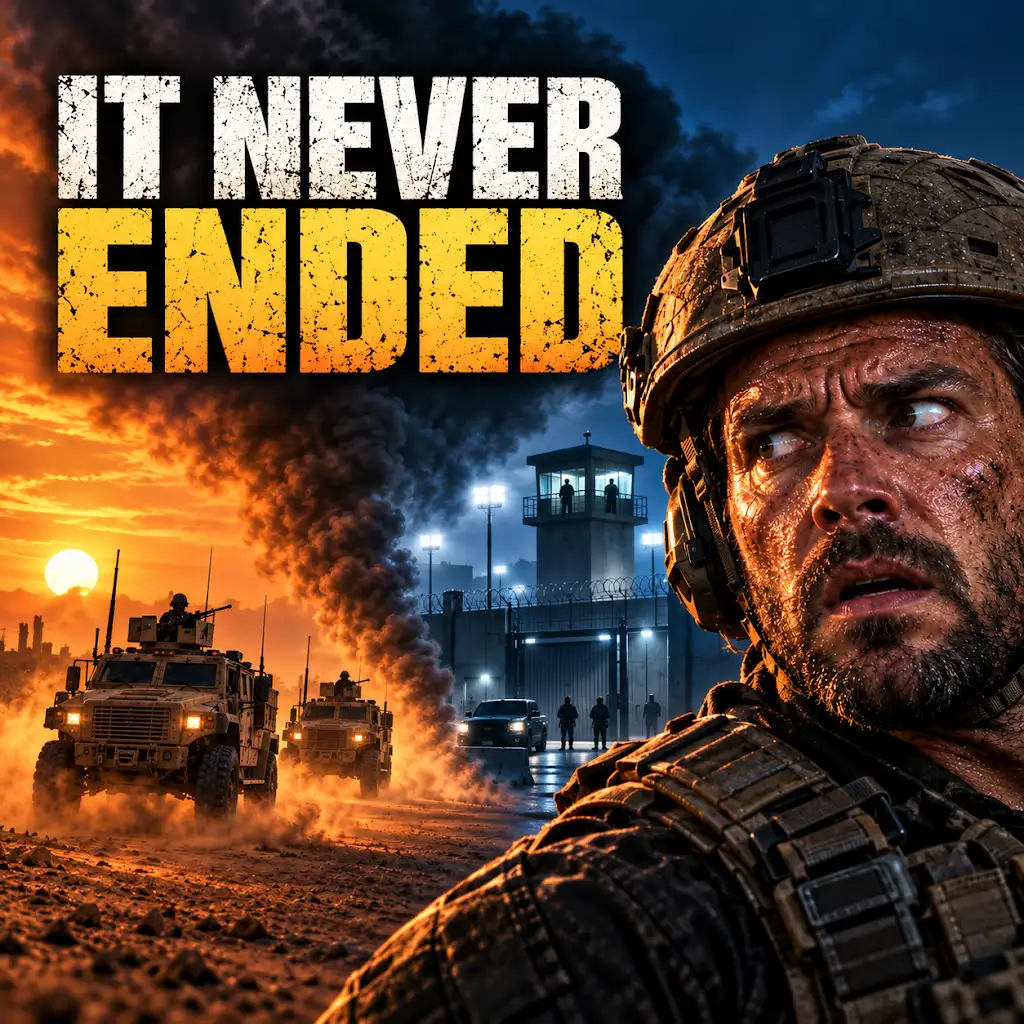
Blackwater Disappeared. America’s Private Army Didn’t.
FAQs
1. What is Blackwater company?
Blackwater was a private military company founded in 1997 by Erik Prince. It provided security, training, and military services, primarily to the United States government.
2. What happened to Blackwater company?
In 2007, Blackwater gained international attention when its employees were involved in a shooting incident in Baghdad, Iraq, where 17 Iraqi civilians were killed. This incident led to increased scrutiny and legal challenges for the company.
3. Did Blackwater change its name?
Yes, in 2009, Blackwater rebranded itself as “Xe Services LLC” and later as “Academi” in 2011. The rebranding was an attempt to distance the company from the negative publicity and legal issues associated with the Blackwater name.
4. What is the current status of Blackwater/Academi?
In 2014, the company was acquired by a group of private investors and became a part of the Constellis Group, a security and risk management company. It continues to provide security and training services, primarily to government and commercial clients.
5. What is the legacy of Blackwater/Academi?
The legacy of Blackwater/Academi is a controversial one, marked by the Baghdad shooting incident and subsequent legal battles. The company’s actions have sparked debates about the use of private military contractors and their accountability in conflict zones.