The shadows of American foreign policy have often been cast by the presence of its military, a force readily recognized and understood. Yet, lurking just outside the glare of official pronouncements and uniformed soldiers, a parallel force has been steadily growing in influence and scope: American private military contractors (PMCs). These entities, comprised of individuals with military experience and specialized skills, have become an integral, albeit often controversial, component of U.S. operations abroad. Their journey from obscure support roles to the forefront of conflict zones is a complex narrative shaped by evolving geopolitical landscapes, the nature of warfare, and the dynamics of private enterprise.
The concept of private military services is not a new one. For centuries, mercenaries and hired soldiers have played a role in conflicts. However, the modern American PMC is a distinctly post-Vietnam phenomenon, born out of a changing military doctrine and a growing demand for specialized skills that the traditional armed forces were either unwilling or unable to provide.
The Ghost of Vietnam and the All-Volunteer Force
The Vietnam War profoundly impacted the American psyche and its military. The draft, a deeply unpopular mechanism for staffing the armed forces, was abolished, leading to the establishment of the All-Volunteer Force (AVF). While this shift fostered a more professional and motivated military, it also meant that the pool of available personnel became more constrained. As the U.S. military downsized and became more technologically focused, certain tasks that were once performed by uniformed personnel began to be outsourced.
Vietnam’s Legacy of Private Support
Even during the Vietnam War, private companies were involved in supporting U.S. operations, primarily in logistical and maintenance roles. These were often unglamorous but essential functions, handling everything from food services to equipment repair. However, these early contractors were largely confined to the periphery of combat operations and did not possess the overt security or combat-oriented roles that define modern PMCs. The experience of the war, however, planted the seeds for a future where private entities could fill specific gaps.
The Rise of “Consulting” Firms: The 1970s and 1980s
The 1970s and 1980s saw the emergence of companies that, while not explicitly calling themselves PMCs, began to offer services that blurred the lines. These firms often focused on providing specialized training to foreign militaries, security consulting, and logistical support in regions where U.S. government personnel were either limited or prohibited. The legal and ethical frameworks surrounding these operations were still nascent, and the public awareness of their existence was minimal. These companies operated in a grey area, often utilizing former military and intelligence personnel to leverage their expertise. The demand for such services was driven by the Cold War context, where proxy conflicts and the need for deniable support were prevalent.
The history of American private military contractors is a complex and often controversial topic that has evolved significantly over the past few decades. For a deeper understanding of this subject, you can explore a related article that delves into the various roles and impacts of these contractors in modern warfare. To read more about this fascinating aspect of military history, visit this article.
The Gulf War and the Dawn of a New Era
The 1991 Gulf War proved to be a watershed moment for American PMCs, transforming them from niche providers of support services into a visible and indispensable element of military operations. The scale and ambition of the coalition effort created an unprecedented demand for logistical and support personnel, and private contractors stepped in to fill the void.
“No boots on the ground” and the Rise of Support Services
The political imperative to minimize American casualties and the public perception of war played a significant role in the increased reliance on contractors. The idea of “no boots on the ground” became a powerful political slogan, and PMCs offered a way to project power and achieve objectives without the political baggage of deploying large numbers of uniformed soldiers. This led to a massive surge in the hiring of contractors for a wide range of support functions, from catering and laundry services to transportation and maintenance.
The “Logistics Tail” and the Efficiency Argument
The U.S. military, while capable, is often characterized by a vast “logistics tail” – the extensive network of personnel and resources required to support combat operations. During the Gulf War, the sheer scale of operations highlighted the inefficiencies and costs associated with maintaining this tail entirely with military personnel. Private companies, with their inherent focus on cost-effectiveness and specialized management, offered a compelling alternative. They could recruit, train, and deploy personnel more rapidly and often at a lower cost per diem than the equivalent military roles. This efficiency argument became a cornerstone of the justification for using PMCs.
The Shift from Support to Security Roles
While the initial surge in contractor employment during the Gulf War was primarily in support roles, the seeds of their future security functions were also sown. As the conflict progressed, the lines between support and security began to blur. Contractors found themselves performing tasks that involved protecting infrastructure, convoys, and even personnel in increasingly volatile environments. This gradual evolution laid the groundwork for the more direct security roles that would become synonymous with PMCs in later conflicts.
The Post-9/11 Explosion: Iraq, Afghanistan, and the Contractor Hegemony

The September 11, 2001, attacks marked a dramatic acceleration in the growth and scope of American PMCs. The subsequent “War on Terror,” particularly the conflicts in Iraq and Afghanistan, saw an unprecedented demand for private security and military support, transforming PMCs into a pervasive and often indispensable force.
The “Global War on Terror” and the Expanding Battlefield
The amorphous nature of the Global War on Terror, with its focus on counter-insurgency, nation-building, and asymmetrical warfare, created a complex operational environment. The U.S. military found itself stretched thin across multiple theaters, facing challenges that traditional military structures were not always best equipped to handle. This created a vacuum that PMCs were uniquely positioned to fill.
Filling the Gaps: Security, Training, and Reconstruction
In Iraq and Afghanistan, PMCs were deployed in a vast array of roles. Beyond logistics and maintenance, they provided armed security for diplomats, government officials, and aid workers. They also played crucial roles in training nascent local security forces, providing intelligence analysis, and even participating in reconstruction efforts. The sheer number of contractors deployed often rivaled, and in some cases surpassed, the number of U.S. military personnel on the ground.
Blackwater and the Symbol of a New Era
The name “Blackwater” (later Academi) became synonymous with the controversial side of PMCs during this era. Incidents like the Nisour Square massacre in 2007 brought the actions and accountability of private contractors under intense public scrutiny. While Blackwater represented a highly visible example, it also highlighted the broader trends of private military involvement and the challenges of oversight and regulation. These incidents sparked intense debate about the role of PMCs, their legal standing, and the moral implications of outsourcing warfare.
The Privatization of State Functions
The extensive reliance on PMCs during this period led to concerns about the privatization of core state functions, including the use of force and the provision of security. Critics argued that outsourcing these responsibilities eroded democratic accountability and blurred the lines between government and private enterprise. The high profits generated by PMC operations also raised questions about the incentives driving their involvement in protracted conflicts.
The Evolving Role: From Security Guards to Specialized Operations
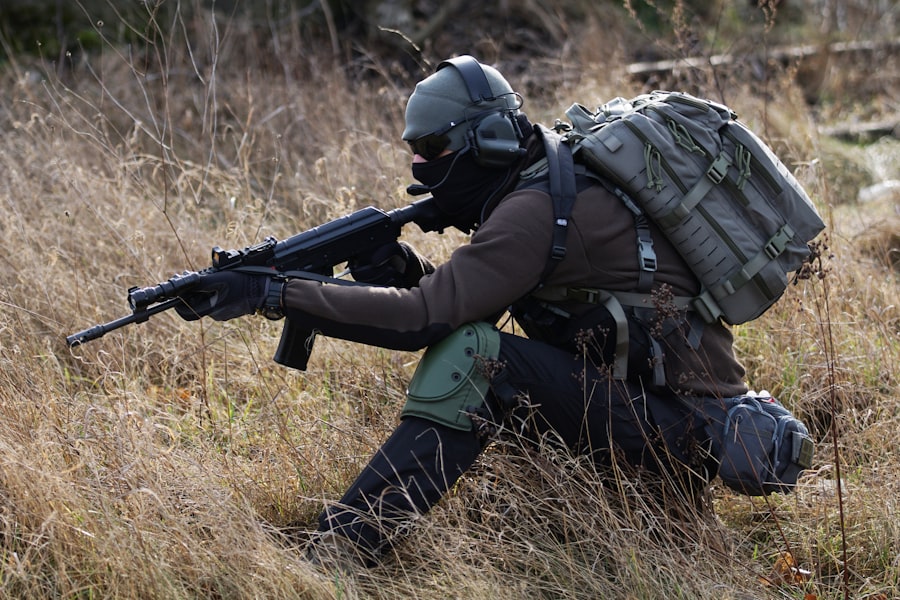
As the nature of conflicts has evolved, so too have the roles and capabilities of American PMCs. They have transitioned from primarily providing security and logistical support to engaging in more specialized and often sensitive operations, pushing the boundaries of their traditional mandate.
Beyond the Bodyguard: Intelligence and Special Operations Support
Modern PMCs are increasingly involved in intelligence gathering, analysis, and even supporting special operations forces. Their personnel often possess highly specialized skills, including linguistic abilities, technical expertise in areas like cybersecurity, and experience in unconventional warfare. This allows them to operate in environments and perform tasks that might be too politically sensitive or logistically challenging for uniformed military personnel.
Training and Capacity Building: The New Frontline
A significant and growing area of PMC activity is in training and capacity building for foreign security forces. This includes everything from basic military training to developing specialized units for counter-terrorism or law enforcement. These programs are often funded by the U.S. government or international organizations, aiming to empower local forces to handle their own security challenges. This approach is seen as a more sustainable and cost-effective way to achieve long-term stability.
The Drone War and Remote Operations
The rise of drone warfare has also created new opportunities for PMCs. While many drone pilots are military personnel, private contractors are increasingly being employed to operate and maintain these sophisticated unmanned aerial vehicles, as well as to analyze the vast amounts of data they collect. This allows for remote operation of surveillance and strike capabilities, further blurring the lines between traditional military operations and private enterprise.
Humanitarian Aid and Disaster Relief
In a less publicized but significant area, PMCs are also involved in providing logistical and security support for humanitarian aid organizations and disaster relief efforts. Their ability to deploy rapidly and operate in challenging environments makes them valuable assets in crisis situations, offering essential services where official government responses may be slower or less equipped to handle the immediate needs.
The history of American private military contractors is a complex narrative that intertwines with various conflicts and geopolitical strategies over the years. For those interested in exploring this topic further, a related article can provide valuable insights into the evolution and impact of these contractors on modern warfare. You can read more about it in this informative piece on In the War Room, which delves into the significant roles these entities have played in shaping military operations and policy.
Challenges, Controversies, and the Future of Private Military Contractors
| Year | Event |
|---|---|
| 1990 | First Gulf War – private military contractors used for logistics and support |
| 2003 | Second Gulf War – significant increase in the use of private military contractors |
| 2007 | Blackwater Baghdad shootings – controversial incident involving private military contractors |
| 2011 | US withdrawal from Iraq – decrease in the use of private military contractors |
| 2014 | Resurgence of private military contractors in Iraq due to ISIS threat |
Despite their widespread use and undeniable utility in certain contexts, American PMCs remain a subject of intense debate and scrutiny. Their operations are fraught with challenges related to accountability, regulation, and ethical considerations, shaping their ongoing evolution.
The Accountability Gap: Legal and Ethical Dilemmas
One of the most persistent challenges surrounding PMCs is the issue of accountability. Determining legal responsibility for the actions of contractors, particularly in the context of armed conflict, can be incredibly complex. When incidents occur, it can be difficult to prosecute contractors for war crimes or other offenses, leading to a perception of impunity. This “accountability gap” is a major concern for human rights organizations and international legal scholars.
Oversight and Regulation: A Patchwork System
The regulatory framework governing PMCs has often lagged behind their expanding operational scope. While there are some U.S. government regulations and contractual oversight mechanisms in place, critics argue that these are often insufficient to ensure proper conduct and prevent abuses. The global nature of PMC operations also presents challenges in enforcing national laws and international conventions.
Public Perception and the Erosion of State Monopoly on Force
The extensive use of PMCs has fueled public debate about the erosion of the state’s monopoly on the legitimate use of force. Concerns are often raised about the potential for profit motives to influence decisions in conflict zones, and the ethical implications of outsourcing violence to private entities. The perception of PMCs as “mercenaries” can be detrimental to the legitimacy of U.S. foreign policy.
The Future Landscape: Adapting to a Changing World
The future of American PMCs will likely be shaped by a number of factors, including evolving geopolitical threats, technological advancements, and ongoing efforts to improve oversight and accountability. As nation-states continue to face complex security challenges, the demand for specialized private military services is unlikely to disappear. However, the focus will likely shift towards more specialized roles, with greater emphasis on transparency, ethical conduct, and clearly defined lines of responsibility. The debate over their role will undoubtedly continue, as societies grapple with the implications of a world where private actors play an increasingly significant part in security and conflict. The lessons learned from past controversies will likely inform future policy decisions, striving for a balance between the practical benefits of PMCs and the fundamental principles of justice and accountability.
Blackwater Disappeared. America’s Private Army Didn’t.
FAQs
What is the history of American private military contractors?
Private military contractors have been used by the United States since the American Revolutionary War. However, their use significantly increased during the Vietnam War and has continued to grow in the modern era.
What role do American private military contractors play in conflicts?
Private military contractors often provide a range of services, including security, logistics, training, and advisory support. They have been involved in conflicts around the world, including in Iraq and Afghanistan.
How are American private military contractors regulated?
Private military contractors are subject to various regulations and laws, including the U.S. Military Extraterritorial Jurisdiction Act and the Uniform Code of Military Justice. Additionally, many contractors are required to adhere to the terms of the International Code of Conduct for Private Security Service Providers.
What controversies have surrounded American private military contractors?
Private military contractors have faced criticism for their actions in conflict zones, including allegations of human rights abuses and misconduct. The use of contractors has also raised questions about transparency, accountability, and the potential for outsourcing inherently governmental functions.
What is the future outlook for American private military contractors?
The use of private military contractors is likely to continue, as they provide valuable support to the U.S. military and government. However, ongoing debates about their role, oversight, and accountability are likely to shape the future of the industry.