The dust of Iraq, a constant companion during the war, often concealed the vital arteries of logistical support and the personnel who kept them functioning. These weren’t always the gleaming armored vehicles of the military, but often the sturdy trucks and vans operated by private security companies. These entities, colloquially known as Private Military Companies (PMCs) or Private Security Companies (PSCs), played an indispensable, albeit often under-acknowledged, role in safeguarding the flow of essential goods, personnel, and even sensitive information across a volatile landscape. Their operations, termed Private Security Convoys, became a critical component of the broader security architecture of the Iraq War, designed to mitigate the inherent risks faced by those operating outside the direct protection of formal military units.
The initial invasion of Iraq in 2003 was met with a relatively predictable enemy. However, as the conflict evolved, the threat landscape transformed dramatically. Insurgency, sectarian violence, and the proliferation of improvised explosive devices (IEDs) created an environment where even routine movements could become life-threatening. The coalition forces, while equipped and trained for conventional warfare, found themselves stretched thin, responsible for a vast array of tasks beyond direct combat. This created a vacuum, particularly in the realm of logistical support and the protection of non-combatants.
The Limitations of Military Resources
Military units, despite their immense capabilities, were often prioritized for frontline combat operations. This meant that the critical but less glamorous task of escorting supply trucks, transporting contractors, or moving specialized equipment often fell to units that were already overstretched. The resources required for dedicated convoy security – personnel, vehicles, fuel, and training – were significant and competing demands often left logistical movements vulnerable.
The Emergence of the PMC Model
In response to these limitations, the demand for private security services surged. Companies with expertise in security, logistics, and risk management stepped in to fill the gap. These PMCs, often staffed by former military and law enforcement personnel, offered a flexible and specialized solution to the unique challenges of operating in Iraq. They could be contracted for specific tasks, providing a more agile and potentially cost-effective alternative to relying solely on military escorts for all non-combatant movements.
During the Iraq War, private security convoys played a crucial role in ensuring the safety of personnel and supplies in a volatile environment. These convoys often faced significant risks, including ambushes and roadside bombs, which highlighted the complexities of relying on private contractors for security. For a deeper understanding of the challenges and implications of private security operations during this conflict, you can read a related article at this link.
The Mechanics of Private Security Convoys
A private security convoy in Iraq was a complex operation, far removed from the simplistic image of a few armed vehicles escorting a truck. It involved meticulous planning, advanced technology, and a highly trained workforce. The success of a convoy often hinged on its ability to anticipate and neutralize threats before they materialized.
Pre-Deployment Planning and Intelligence Gathering
Before a single vehicle departed, extensive planning took place. This included detailed route reconnaissance, which involved identifying potential choke points, areas of known insurgent activity, and safe havens along the intended path. Intelligence gathering was paramount, drawing from a variety of sources, including military intelligence reports, local contacts, and even social media analysis. The goal was to build a comprehensive picture of the operational environment.
Route Analysis and Risk Assessment
- Terrain Evaluation: Understanding the terrain was crucial. Was it urban, desert, or mountainous? Each presented different challenges and opportunities for attackers and escorts.
- Traffic Patterns: Identifying peak traffic times and areas prone to congestion helped in planning the optimal departure and arrival times.
- Known Threat Hotspots: Mapping areas with a history of attacks, ambushes, or IED placements was essential for route deviation or increased vigilance.
- Villages and Settlements: Interactions with local populations needed careful consideration. Some villages offered potential support, while others could be hostile or harbor insurgents.
Communication Protocols and Contingency Planning
- Secure Communication Channels: Establishing and maintaining reliable, encrypted communication systems was vital for coordinating movement, reporting incidents, and requesting assistance.
- Standard Operating Procedures (SOPs): Detailed SOPs for various scenarios, from IED encounters to vehicle breakdowns and medical emergencies, were developed and drilled regularly.
- Emergency Response Plans: Protocols for immediate medical evacuation, vehicle recovery, and liaison with local authorities or military units in case of an attack were critical.
Convoy Composition and Vehicle Selection
The composition of a private security convoy was tailored to the specific mission and the perceived threat level. This could range from a simple escort for a single vehicle to a large, multi-faceted formation.
Types of Vehicles Employed
- Armored Personnel Carriers (APCs): These provided a robust defensive capability and could carry both escorts and potentially critical cargo.
- Mine-Resistant Ambush Protected (MRAP) Vehicles: Designed to withstand IED blasts, MRAPs became a cornerstone of convoy security, offering a significant advantage in survivability.
- Armored SUVs and Trucks: These were commonly used for escort duties, reconnaissance, and the transport of personnel and lighter equipment.
- Unarmored Vehicles for Cargo: While the escort vehicles were heavily armored, the cargo vehicles themselves might be less so, depending on the perceived threat to the cargo.
The Role of Specialized Security Vehicles
- IED Detection Vehicles: Equipped with sophisticated sensors, ground-penetrating radar, and other detection equipment, these vehicles would often lead or sweep sections of the route to identify potential threats.
- Command and Control (C2) Vehicles: These vehicles served as the mobile headquarters for the convoy, housing communication equipment and leadership.
The Human Element: Highly Trained Personnel
The effectiveness of any convoy ultimately rested on the skills and discipline of its personnel. Private security operators were typically drawn from experienced military and law enforcement backgrounds, possessing a wealth of tactical knowledge and combat experience.
Roles within the Convoy
- Convoy Commander: Responsible for the overall planning, execution, and safety of the convoy.
- Lead and Trail Element Operators: Responsible for providing situational awareness, identifying threats at the front and rear of the convoy.
- Vehicle Commanders: Responsible for the immediate safety and tactical execution of their assigned vehicle.
- Gunners: Operating the weapon systems mounted on escort vehicles.
- Drivers: Highly skilled in operating armored vehicles under duress and navigating challenging terrain.
- Close Protection Operatives (CPOs): Focused on the immediate security of high-value individuals or sensitive cargo.
Training and Skill Sets
- Defensive Driving Techniques: Essential for maneuvering in combat situations and evading threats.
- Tactical Communication and De-escalation: Skills to manage interactions with local populations and de-escalate tense situations.
- Weapons Proficiency and Tactical Shooting: Mastery of various firearm systems.
- First Aid and Tactical Combat Casualty Care (TCCC): Crucial for immediate response to injuries.
- IED Recognition and Avoidance: Specific training to identify and mitigate IED threats.
Tactical Maneuvers and Threat Mitigation Strategies
The operational success of private security convoys was heavily reliant on their ability to execute well-rehearsed tactical maneuvers and employ effective threat mitigation strategies. This was not about brute force alone, but a combination of proactive measures and reactive responses.
Formation and Spacing
The way a convoy was arranged was crucial for mutual support and defense. Different formations were adopted depending on the route, terrain, and threat level.
Common Convoy Formations
- Staggered Column: Vehicles offset from each other, allowing for overlapping fields of fire and minimizing the impact of a single IED detonation on the entire convoy.
- In-Lieu-Of (ILO) Formation: Used when specific military assets were not available, adapting existing resources into a defensive formation.
- Echelon Left/Right: A formation designed to provide flank security.
Maintaining Optimal Spacing
- Vulnerability Reduction: Maintaining sufficient spacing between vehicles was critical to prevent a single IED from taking out multiple vehicles.
- Mutual Support: Spacing also allowed for effective fields of fire and quick response from adjacent vehicles.
- Adaptability: The spacing would be adjusted dynamically based on route conditions and the observed threat.
Reaction to Contact and IED Threats
The most dangerous moments for a convoy were often when contact was made with the enemy or when an IED was encountered. Immediate and decisive action was paramount.
Immediate Action Drills (IADs)
- IED Strike Response: Immediate procedures upon encountering an IED blast, including reporting, assessing damage, and securing the area.
- Ambush Response: Drills for responding to small arms fire or RPG attacks, including returning fire, seeking cover, and maneuvering.
- Vehicle Breakdown Procedures: Protocols for dealing with mechanical failures in hostile environments, including vehicle recovery and defense.
The Role of Mounted and Dismounted Elements
- Dismounted Security: In certain situations, escorts might dismount to provide closer observation of the route, clear obstacles, or engage threats on foot.
- Mounted Overwatch: Vehicles would often take up elevated positions to provide observation and cover for other elements.
Use of Technology and Intelligence Integration
Private security companies invested in advanced technology to enhance their operational capabilities and integrate real-time intelligence into their decision-making processes.
Surveillance and Reconnaissance Tools
- Counter-IED Technologies: Electronic countermeasure devices (jamming signals) and specialized detection equipment.
- Day/Night Vision Optics: Essential for operating in low-light conditions.
- GPS and Satellite Imagery: For route planning, navigation, and real-time situational awareness.
- Unmanned Aerial Vehicles (UAVs): Small drones were increasingly used for aerial reconnaissance of the route ahead.
Real-Time Intelligence Dissemination
- Situational Awareness Platforms: Proprietary or commercially available software that integrated intelligence feeds and displayed them on maps for the convoy commander.
- Communication with Military and Civilian Agencies: Maintaining active liaison channels for the sharing of critical information.
Challenges and Criticisms of Private Security Convoys
Despite their vital role, private security convoys were not without their challenges and faced significant criticism. The unique nature of their operations, operating alongside, but often separate from, formal military structures, created inherent complexities.
Accountability and Oversight
One of the most persistent criticisms leveled against PMCs and their convoys was the question of accountability. Operating outside the traditional military chain of command sometimes led to concerns about who was responsible when things went wrong.
The Incident at Nisour Square
The notorious 2007 incident involving Blackwater Worldwide guards at Nisour Square in Baghdad remains a stark reminder of the accountability challenges. The ensuing investigation and legal proceedings highlighted the difficulties in applying legal frameworks to private contractors operating in a war zone.
Contractual vs. Military Law
- Jurisdictional Issues: Determining which legal framework applied to the actions of private contractors – contract law, the laws of their home nation, or international humanitarian law – was often complex.
- Disciplinary Measures: The ability of PMC employers to effectively discipline their personnel for misconduct, and the transparency of such processes, were often questioned.
Cost-Effectiveness Debates
While PMCs could offer flexibility, their costs were often substantial. Debates arose regarding whether the perceived benefits justified the significant financial investment.
The “Mercenary” Label and Public Perception
The association of private security with “mercenaries” often fueled public suspicion and contributed to negative perceptions, regardless of the professionalism and training of the individuals involved.
Comparing Costs to Military Deployment
- Overhead and Profit Margins: PMC contracts included operational costs, overhead, and profit margins, which could make them appear more expensive on a per-mission basis.
- Flexibility and Responsiveness: Proponents argued that the ability to deploy rapidly and for specific missions, without the bureaucratic hurdles of military deployment, offered a unique value.
Operational Difficulties and Ethical Dilemmas
Operating in a complex and often ethically ambiguous environment presented significant challenges for private security personnel.
Navigating Local Populations and Cultural Nuances
- Misunderstandings and Mistrust: The presence of armed private contractors could sometimes exacerbate tensions with local populations, leading to mistrust and potential hostility.
- Balancing Security with Diplomacy: Operators were often tasked with navigating sensitive interactions with civilians, a task that required a delicate balance of security and diplomacy.
Rules of Engagement (ROE) and Discretion
- Ambiguity in ROE: The ROE for private security personnel could sometimes be less clear or more restrictive than those for military personnel, leading to difficult decisions in the field.
- The Use of Lethal Force: Decisions regarding the use of lethal force, especially in situations where threats were ambiguous, could have profound ethical and legal consequences.
During the Iraq War, the use of private security convoys became a controversial topic, raising questions about accountability and effectiveness in conflict zones. A related article discusses the implications of these private security forces and their role in shaping the dynamics of the war. For more insights on this subject, you can read the article on In The War Room, which delves into the complexities surrounding the privatization of military operations and its impact on both soldiers and civilians.
The Enduring Legacy of Private Security Convoys
| Year | Number of convoys | Number of security personnel | Incidents reported |
|---|---|---|---|
| 2003 | Unknown | Unknown | Unknown |
| 2004 | Over 20,000 | Over 50,000 | Over 300 |
| 2005 | Over 25,000 | Over 60,000 | Over 400 |
| 2006 | Over 30,000 | Over 70,000 | Over 500 |
The Iraq War, in many ways, served as a proving ground for the modern private security industry. The lessons learned from the deployment and operation of private security convoys continue to shape how such services are utilized in complex environments today.
Evolution of Private Military and Security Companies
The industry has evolved significantly since the early days of the Iraq War. There is a greater emphasis on professionalism, standardized training, and more robust oversight mechanisms.
Increased Professionalization and Regulation
- Industry Standards: The development of industry-specific standards and certifications has aimed to improve the quality and reliability of services.
- Governmental Oversight: Increased scrutiny from governments and international organizations has led to more robust regulatory frameworks for PMCs.
Impact on Future Military Operations
The experience of relying on private security has undoubtedly influenced how militaries plan for and conduct operations in high-risk environments.
Hybrid Warfare and the Blurring of Lines
The Iraq War demonstrated the blurred lines between state and non-state actors in conflict, and the role of private entities in supporting military objectives. This has led to discussions about how to effectively integrate private capabilities into future military planning.
The “Off-the-Shelf” Security Solution
The concept of procuring specialized security services as a readily available solution for specific mission requirements has become more commonplace, influencing procurement strategies.
Lessons Learned for Security in the 21st Century
The successes and failures of private security convoys in Iraq offer valuable insights for addressing security challenges in the modern era.
The Importance of Comprehensive Risk Management
The need for a holistic approach to risk management, encompassing not only physical security but also legal, ethical, and reputational considerations, has been underscored.
The Human Factor in Security Operations
Ultimately, the effectiveness of any security operation, whether military or private, hinges on the competence, training, and ethical conduct of the individuals involved. The experience in Iraq reinforced the indispensable nature of the human element in safeguarding operations. Private security convoys, while often operating in the shadows, were a critical, if sometimes controversial, element in the complex tapestry of the Iraq War, demonstrating the evolving nature of security in contemporary conflict.
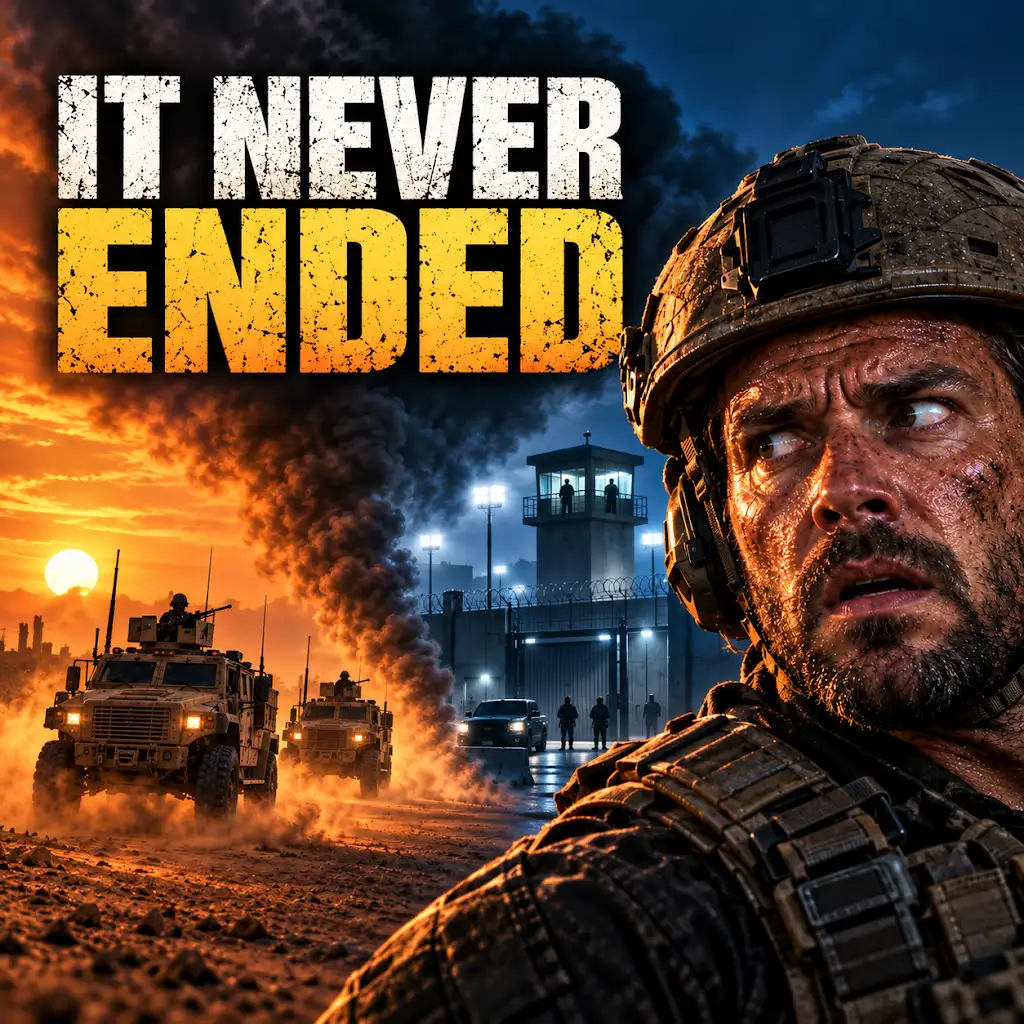
Blackwater Disappeared. America’s Private Army Didn’t.
FAQs
What are private security convoys in the context of the Iraq War?
Private security convoys in the context of the Iraq War refer to the use of private security companies to protect and escort personnel, equipment, and supplies in Iraq. These convoys were often used by government agencies, non-governmental organizations, and private companies operating in the region.
Which private security companies were involved in providing convoys in Iraq during the war?
Several private security companies were involved in providing convoys in Iraq during the war, including Blackwater, Triple Canopy, Aegis Defence Services, and DynCorp International. These companies were contracted to provide security services and protection for various clients operating in Iraq.
What were the primary responsibilities of private security convoys in Iraq during the war?
The primary responsibilities of private security convoys in Iraq during the war included protecting personnel and assets from hostile threats, providing armed escort for transportation and logistics operations, conducting security assessments and risk analysis, and implementing defensive measures to mitigate the risk of attacks.
What challenges did private security convoys face in Iraq during the war?
Private security convoys in Iraq during the war faced numerous challenges, including the threat of insurgent attacks, improvised explosive devices (IEDs), ambushes, and hostile fire. Additionally, navigating complex and volatile security environments, coordinating with military forces and local authorities, and adhering to rules of engagement were also significant challenges.
What impact did private security convoys have on the overall security situation in Iraq during the war?
The presence of private security convoys in Iraq during the war had both positive and negative impacts on the overall security situation. While they provided essential protection and support for various operations, their actions also sparked controversy and raised concerns about accountability, oversight, and the use of force in a complex and volatile conflict environment.