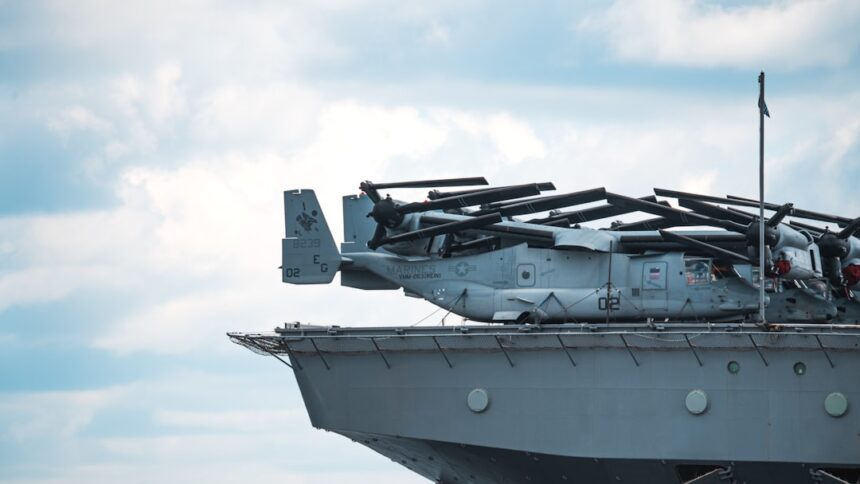
The defense contractor ecosystem, once characterized by monolithic, slow-moving giants and predictable procurement cycles, is undergoing a profound transformation. Driven by a confluence of geopolitical shifts, rapid technological advancements, and evolving threat landscapes, the modern defense contractor is no longer solely defined by its ability to manufacture tanks and fighter jets. Instead, it operates within a dynamic and increasingly complex ecosystem, demanding agility, innovation, and a deep understanding of emerging challenges. This article explores the multifaceted nature of this evolving landscape, examining the key drivers of change, the emerging players, the critical adaptations required, and the future trajectory of defense contracting.
The global security environment is no longer dominated by the familiar bipolarity of the Cold War. Instead, it is characterized by a multipolar world with a resurgence of great power competition, the proliferation of sophisticated non-state actors, and the rise of hybrid warfare. This complex tapestry of threats necessitates a fundamental rethinking of defense strategies and, consequently, the services and solutions that defense contractors must provide.
The Resurgence of Great Power Competition
Nations are re-evaluating their defense postures in light of renewed competition from established and rising global powers. This translates to increased demand for advanced conventional weaponry, sophisticated intelligence, surveillance, and reconnaissance (ISR) capabilities, and robust cyber defenses. Defense contractors are being pressed to deliver cutting-edge platforms, advanced missile systems, and highly integrated command and control (C2) networks that can operate effectively in contested environments. The emphasis is shifting from simply meeting quantity requirements to achieving technological superiority and maintaining information dominance.
Implications for Platform Development
The renewed focus on great power competition directly impacts the development of major defense platforms. While traditional platforms like fighter jets, naval vessels, and armored vehicles remain crucial, their designs and capabilities are being reimagined. This includes incorporating stealth technology, enhanced electronic warfare (EW) capabilities, and improved survivability in high-threat scenarios. The integration of artificial intelligence (AI) and autonomous systems into these platforms is no longer a futuristic concept but a present-day imperative.
The Growing Importance of Space and Cyber Domains
As strategic competition intensifies, the space and cyber domains have emerged as critical battlegrounds. Nations are investing heavily in satellite constellations for communication, navigation, and ISR, as well as in offensive and defensive cyber capabilities. Defense contractors must possess expertise in designing, launching, and maintaining resilient space-based assets and in developing sophisticated cyber defense tools and strategies to protect critical infrastructure and information networks. This necessitates a shift in skillsets and a greater emphasis on software development and cybersecurity expertise.
The Rise of Asymmetric and Hybrid Warfare
Beyond state-on-state conflict, the modern defense contractor must also contend with the complexities of asymmetric warfare and hybrid threats. These encompass a range of tactics, including terrorism, insurgency, disinformation campaigns, and the use of proxy forces. This demands a more nuanced and adaptable approach to defense, requiring capabilities that go beyond traditional military might.
Counter-Terrorism and Special Operations Support
The persistent threat of terrorism necessitates specialized capabilities for counter-terrorism operations. Defense contractors are increasingly called upon to provide training, intelligence analysis, specialized equipment, and logistical support for special operations forces. This includes the development of advanced surveillance technologies, secure communication systems, and non-lethal weapon technologies. The ability to operate in austere and politically sensitive environments is paramount.
Information Warfare and Counter-Disinformation
The digital age has ushered in the era of information warfare, where narratives and perceptions can be as potent as conventional weapons. Defense contractors are facing growing demand for solutions that can detect, analyze, and counter disinformation campaigns. This involves developing sophisticated social media monitoring tools, AI-powered sentiment analysis, and strategies for promoting accurate information. The ability to understand and influence public opinion in contested information spaces is becoming a crucial element of national security.
The Impact of Emerging Technologies on Defense Capabilities
The rapid pace of technological innovation is fundamentally reshaping the nature of warfare. Defense contractors that fail to embrace and integrate these emerging technologies risk obsolescence. From artificial intelligence and machine learning to quantum computing and directed energy weapons, the technological frontier is constantly expanding.
Artificial Intelligence and Autonomy
Artificial intelligence (AI) and autonomous systems are perhaps the most transformative technologies impacting the defense sector. AI is being integrated into everything from predictive maintenance and logistics optimization to autonomous weapon systems and intelligent ISR analysis. Defense contractors are investing heavily in AI research and development, recognizing its potential to enhance efficiency, reduce human risk in dangerous situations, and provide a decisive operational advantage. The ethical implications and regulatory frameworks surrounding autonomous weapons are also becoming a significant consideration.
The Promise and Peril of Quantum Technologies
Quantum computing and quantum sensing hold immense potential for revolutionizing defense capabilities. Quantum computers, when they mature, could break current encryption methods, necessitating the development of quantum-resistant cryptography. Quantum sensing could lead to unprecedented precision in navigation, detection, and surveillance, allowing for the identification of stealthy targets and the mapping of complex environments with unparalleled accuracy. Defense contractors are actively exploring these nascent technologies, investing in research and strategic partnerships.
Directed Energy Weapons and Advanced Munitions
Directed energy weapons (DEWs), such as lasers and high-power microwaves, offer new possibilities for defense. These weapons can provide precise, scalable, and cost-effective solutions for defense against drones, missiles, and other threats. Similarly, advancements in conventional munitions, including hypersonic missiles and precision-guided munitions, continue to push the boundaries of offensive capabilities. Defense contractors are at the forefront of developing and fielding these advanced weapon systems.
The modern defense contractor ecosystem is rapidly evolving, influenced by technological advancements and shifting geopolitical landscapes. For a deeper understanding of these dynamics, you can explore the article titled “Navigating the Future of Defense Contracting” available at In the War Room. This piece delves into the challenges and opportunities faced by defense contractors today, highlighting the importance of innovation and collaboration in maintaining national security.
The Evolving Landscape of Defense Contracting: New Players and Business Models
The traditional model of large, prime defense contractors dominating the landscape is being challenged by a more diverse and dynamic ecosystem. Startups, small and medium-sized enterprises (SMEs), and even non-traditional technology companies are increasingly playing significant roles, bringing fresh perspectives and disruptive innovations.
The Rise of the “New Space” and Tech Industry Giants
The emergence of “New Space” companies, often with commercial origins, has injected a dose of entrepreneurial spirit into the space defense sector. These companies are innovating in areas like satellite constellation deployment, launch services, and in-orbit servicing, often at lower costs and with greater speed than traditional government contractors. Similarly, major technology companies, with their deep expertise in software, AI, and data analytics, are increasingly seeking to enter the defense market, either directly or through partnerships.
Leveraging Commercial Off-the-Shelf (COTS) and Open Architectures
A key trend is the increasing reliance on Commercial Off-the-Shelf (COTS) technologies and the adoption of open architecture principles. This allows for faster integration of new capabilities, reduced development costs, and greater flexibility in adapting to evolving requirements. Defense contractors are increasingly looking to leverage commercial technologies and adapt them for military use, rather than developing every component from scratch.
The Challenge of Traditional Procurement Processes
The traditional defense procurement process, often characterized by long lead times, bureaucratic hurdles, and rigid specifications, can be a significant barrier for agile startups and tech companies. Navigating this complex environment requires a deep understanding of government regulations and a willingness to adapt business processes.
The modern defense contractor ecosystem is evolving rapidly, driven by advancements in technology and shifting geopolitical landscapes. As companies adapt to these changes, they are increasingly focusing on collaboration and innovation to meet the demands of national security. For a deeper understanding of these dynamics, you can explore a related article that discusses the challenges and opportunities facing defense contractors today. This insightful piece can be found here.
The Growing Importance of Cybersecurity and Software Development
As defense systems become more interconnected and reliant on data, cybersecurity and software development have become paramount. Defense contractors are no longer just building hardware; they are increasingly building complex software systems and providing cybersecurity services. This requires a shift in talent acquisition, emphasizing software engineers, cybersecurity analysts, and AI specialists.
Securing the Digital Battlefield
The proliferation of cyber threats necessitates a robust cybersecurity posture across all defense operations. Defense contractors are tasked with developing and implementing sophisticated cybersecurity solutions to protect critical military networks, weapons systems, and sensitive data from cyberattacks. This includes threat intelligence, intrusion detection and prevention, and incident response capabilities.
The Software-Defined Future of Defense
The concept of a “software-defined” military is gaining traction. This implies that many defense capabilities will be delivered and upgraded through software, allowing for rapid adaptation and innovation. Defense contractors are investing in agile development methodologies, DevOps practices, and the ability to deliver continuous software updates and improvements to military systems.
The Rise of Public-Private Partnerships and Collaborations
The complex challenges facing modern defense require a collaborative approach. Public-private partnerships (PPPs) and industry-academia collaborations are becoming increasingly vital for accelerating innovation, sharing risks, and developing cutting-edge solutions.
Bridging the Gap Between Innovation and Deployment
PPPs can facilitate the transfer of technology from research institutions and commercial entities to the defense sector, speeding up the adoption of new capabilities. These partnerships can involve joint research and development projects, co-investment in new technologies, and the establishment of innovation hubs.
The Role of Academia in Driving Defense Innovation
Universities and research institutions are crucial sources of fundamental research and talent. Defense contractors are increasingly forging closer ties with academia to tap into their expertise, recruit top talent, and jointly explore emerging technological frontiers. This can involve sponsoring research, establishing dedicated labs, and participating in collaborative programs.
Adapting to New Challenges: Key Strategies for Defense Contractors
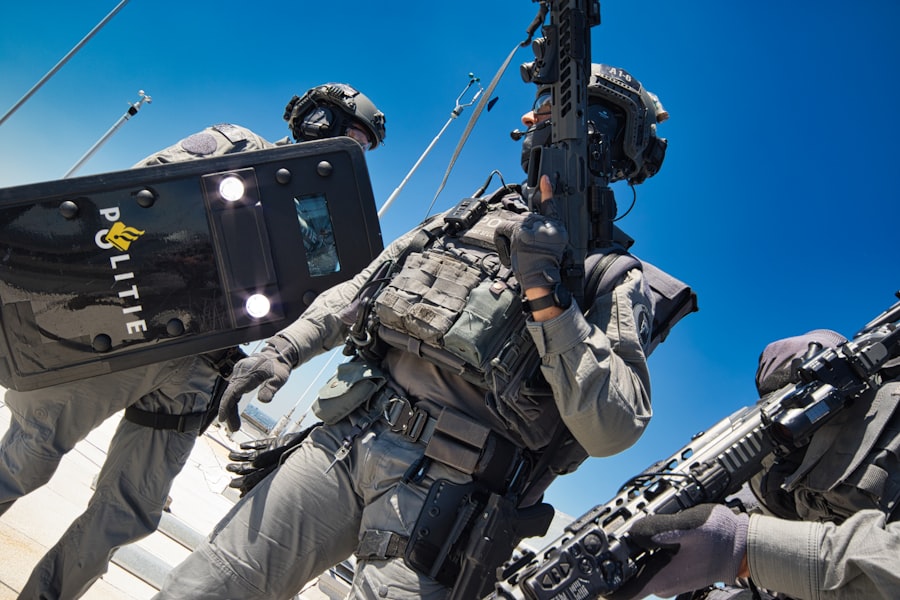
To thrive in this evolving landscape, defense contractors must adopt a proactive and adaptable approach. This involves a multifaceted strategy encompassing technological innovation, talent development, and strategic partnerships.
Embracing Agility and Innovation as Core Competencies
The days of slow, deliberate development cycles are over. Defense contractors must embrace agility and foster a culture of continuous innovation to keep pace with rapidly evolving threats and technological advancements.
Agile Development Methodologies and Digital Transformation
Adopting agile development methodologies, similar to those used in the commercial software industry, allows for faster iteration, flexibility, and responsiveness to changing requirements. A broader digital transformation across the organization, from R&D to supply chain management, is essential for unlocking greater efficiency and agility.
Fostering an Innovation Culture
Creating an environment that encourages experimentation, risk-taking, and the sharing of ideas is crucial for driving innovation. This can involve establishing internal innovation labs, offering incentives for creative solutions, and embracing lessons learned from both successes and failures.
Investing in Talent and Future Workforce Development
The most critical asset for any defense contractor is its people. The skills required in the modern defense sector are rapidly changing, demanding a strategic focus on talent acquisition, development, and retention.
Attracting and Retaining Top Technical Talent
The competition for skilled engineers, data scientists, AI specialists, and cybersecurity experts is fierce, extending beyond the defense industry. Defense contractors must offer competitive compensation, engaging work, and clear career progression pathways to attract and retain this critical talent. Building a reputation as an innovative and forward-thinking employer is also essential.
Upskilling and Reskilling the Existing Workforce
As technologies evolve, it is imperative to invest in upskilling and reskilling the existing workforce. Providing opportunities for employees to learn new technologies, acquire new skills, and adapt to changing roles is crucial for maintaining a competitive edge and ensuring workforce continuity.
Building Resilient and Diversified Supply Chains
The modern defense ecosystem relies on complex and often global supply chains. Ensuring the resilience and security of these supply chains is critical to avoiding disruptions and maintaining operational readiness.
Mitigating Supply Chain Risks
Identifying and mitigating potential risks within the supply chain, such as geopolitical instability, single-source dependencies, and cyber vulnerabilities, is paramount. This involves diversification of suppliers, increased transparency, and the development of contingency plans.
The Importance of Secure and Trusted Networks
Ensuring the security of digital communication and data sharing across the supply chain is non-negotiable. Implementing robust cybersecurity measures and establishing trusted networks are essential to prevent data breaches and protect sensitive information.
The Future of Defense Contracting: A Collaborative and Technologically Driven Landscape

The trajectory of defense contracting points towards a future characterized by even greater collaboration, technological integration, and a relentless pursuit of agility.
The Rise of the “Defense-as-a-Service” Model
We are likely to see a continued shift towards “Defense-as-a-Service” (DaaS) models, where capabilities are delivered as subscription-based services rather than outright purchases. This could apply to everything from cybersecurity solutions and ISR data analysis to unmanned system operation and maintenance.
Shifting from Ownership to Access
This model offers benefits such as reduced upfront costs for governments, greater flexibility in scaling capabilities, and continuous access to the latest technology and upgrades. Defense contractors will need to adapt their business models to support recurring revenue streams and provide ongoing service and support.
The Role of Cloud Computing and Edge AI
Cloud computing will be fundamental to delivering DaaS models, providing the scalable infrastructure needed to host and manage these services. Edge AI, which allows for data processing and decision-making closer to the source, will also play a crucial role in enabling real-time capabilities and reducing reliance on constant connectivity.
The Interoperability Imperative and Joint Capabilities
As threats become more complex and multi-domain, the ability for different systems and services to interoperate seamlessly is no longer a desirable feature but a fundamental requirement. Defense contractors will be increasingly focused on developing solutions that can integrate with existing platforms and contribute to broader joint capabilities.
Breaking Down Silos for Enhanced Effectiveness
The traditional approach of developing bespoke, stovepiped systems is giving way to an emphasis on interoperability. This means developing systems that can communicate and share data with other national and allied forces, across all domains of operation.
The Role of Standards and Open Architectures in Enabling Interoperability
The widespread adoption of open standards and open architecture principles is critical for achieving true interoperability. This allows for easier integration of new components and systems, fostering greater flexibility and reducing vendor lock-in.
The Ethical and Societal Implications of Advanced Defense Technologies
As defense contractors push the boundaries of technological innovation, they must also grapple with the significant ethical and societal implications of their work. The development of autonomous weapons, AI-powered decision-making, and advanced surveillance technologies raises critical questions about accountability, bias, and the future of warfare.
Navigating the Ethical Landscape of AI and Autonomy
The responsible development and deployment of AI and autonomous systems in defense are paramount. This requires establishing clear ethical guidelines, ensuring human oversight in critical decision-making processes, and engaging in open dialogue about the potential risks and benefits.
The Importance of Transparency and Public Discourse
Defense contractors have a responsibility to engage in transparent discussions about the technologies they are developing and their potential societal impact. Open public discourse is essential for building trust and ensuring that these advancements serve the interests of national security and global stability.
In conclusion, the modern defense contractor ecosystem is a dynamic and rapidly evolving entity. The challenges are significant, ranging from the complexities of the geopolitical landscape and the rise of hybrid warfare to the transformative impact of emerging technologies. However, these challenges also present immense opportunities for innovation and adaptation. Defense contractors that embrace agility, invest in talent, foster collaboration, and proactively address the ethical dimensions of their work will be best positioned to navigate this new era and contribute to global security in the years to come. The future of defense contracting is not just about building advanced machines; it is about building integrated capabilities, fostering resilient networks, and ultimately, ensuring a secure and stable future.

Blackwater Disappeared. America’s Private Army Didn’t.
FAQs
What is the modern defense contractor ecosystem?
The modern defense contractor ecosystem refers to the network of companies, organizations, and government entities involved in the development, production, and support of defense-related products and services.
What are the key components of the modern defense contractor ecosystem?
The key components of the modern defense contractor ecosystem include defense contractors, government agencies, research and development organizations, suppliers, and subcontractors.
How has the modern defense contractor ecosystem evolved in recent years?
In recent years, the modern defense contractor ecosystem has evolved to incorporate advanced technologies such as artificial intelligence, cyber security, and unmanned systems. There is also an increased focus on collaboration and partnerships between industry and government.
What are the challenges facing the modern defense contractor ecosystem?
Challenges facing the modern defense contractor ecosystem include budget constraints, changing geopolitical dynamics, cybersecurity threats, and the need to adapt to rapidly evolving technologies.
What are the opportunities in the modern defense contractor ecosystem?
Opportunities in the modern defense contractor ecosystem include the development of innovative technologies, international partnerships, and the potential for growth in areas such as space and cyber defense.