The Suez Crisis of 1956 marked a pivotal moment in the history of international relations and global trade. Triggered by Egyptian President Gamal Abdel Nasser’s nationalization of the Suez Canal, the crisis saw a military intervention by Britain, France, and Israel, aiming to regain control over this vital waterway. The canal had long been a crucial artery for maritime trade, particularly for oil shipments from the Middle East to Europe and beyond.
The ensuing conflict not only highlighted the geopolitical tensions of the Cold War era but also underscored the vulnerabilities of global supply chains reliant on specific maritime routes. As the crisis unfolded, it became evident that the Suez Canal’s closure would have far-reaching implications. The canal, which had facilitated the swift passage of vessels, was suddenly rendered inaccessible, forcing nations to reconsider their shipping strategies.
The decision to reroute oil tankers around the Cape of Good Hope emerged as a necessary response to the crisis, setting the stage for a significant shift in global oil trade dynamics. This rerouting would not only affect shipping times and costs but also reshape the geopolitical landscape in ways that would resonate for decades.
Key Takeaways
- The Suez Crisis of 1956 led to the decision to reroute oil tankers around the Cape of Good Hope.
- Rerouting oil tankers around the Cape of Good Hope had a significant impact on global oil trade and prices.
- Navigating around the Cape of Good Hope presented challenges and risks for oil tankers, including longer travel times and exposure to harsh weather conditions.
- Environmental concerns and potential oil spills were a major issue associated with rerouting oil tankers around the Cape of Good Hope.
- The economic implications for countries involved in the oil trade were substantial, with increased costs and potential disruptions to supply chains.
The decision to reroute oil tankers around the Cape of Good Hope
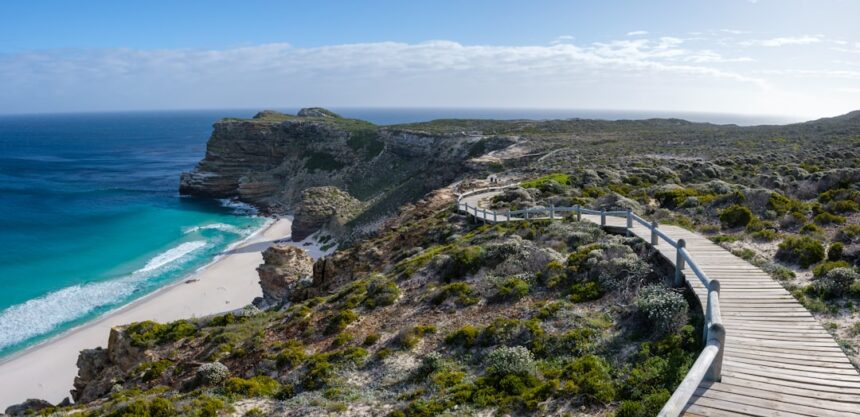
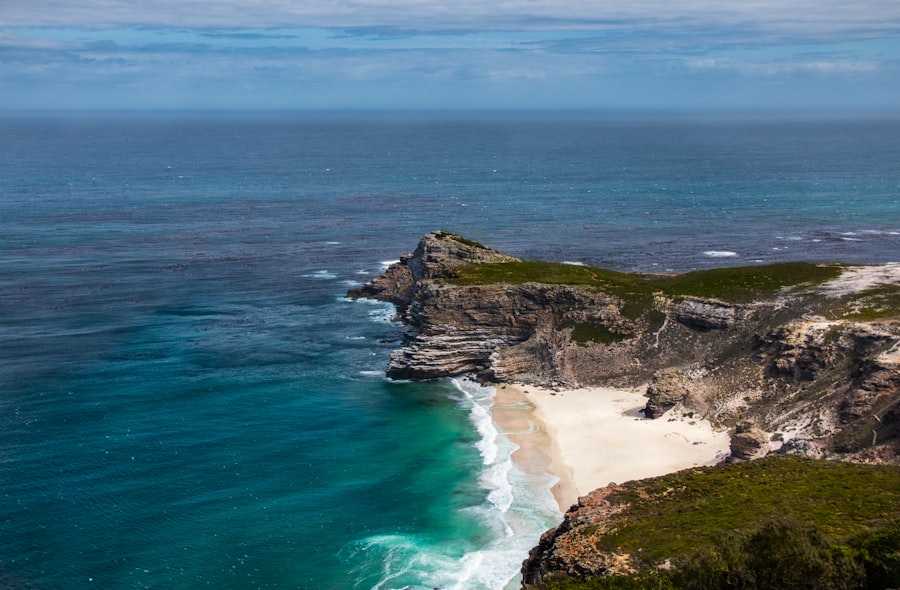
In the wake of the Suez Crisis, oil companies and governments faced an urgent need to adapt to the new reality of disrupted shipping routes. The closure of the Suez Canal meant that oil tankers could no longer take the shortcut through this vital passage, which had significantly reduced travel time between the Middle East and Europe. As a result, the decision was made to reroute these vessels around the Cape of Good Hope, a journey that would add considerable distance and time to their voyages.
The Cape of Good Hope route, while historically significant, posed its own set of challenges. Navigating around this southern tip of Africa required careful planning and coordination, as ships would encounter rough seas and unpredictable weather conditions. Additionally, the longer journey meant increased fuel consumption and operational costs for shipping companies.
Despite these challenges, the decision to reroute was seen as a necessary measure to ensure the continued flow of oil to European markets during a time of crisis.
Impact on global oil trade and prices

The rerouting of oil tankers around the Cape of Good Hope had immediate and profound effects on global oil trade. With the Suez Canal closed, European countries that relied heavily on Middle Eastern oil found themselves facing significant delays in supply. This disruption led to a scramble for alternative sources of energy and a reevaluation of existing supply chains.
As tankers took longer to reach their destinations, concerns about potential shortages began to mount, prompting a surge in oil prices. The increase in transportation costs due to longer shipping routes also contributed to rising oil prices on the global market. As companies adjusted their pricing strategies to account for these new realities, consumers began to feel the impact at the pump.
The crisis served as a stark reminder of how interconnected global economies are and how quickly disruptions in one region can ripple through markets worldwide. The long-term implications of this shift would influence energy policies and international relations for years to come.
Challenges and risks of navigating around the Cape of Good Hope
| Challenges and Risks | Description |
|---|---|
| Strong Winds | The area is known for strong winds which can make navigation difficult. |
| Aggressive Currents | The meeting of the Atlantic and Indian Oceans creates aggressive currents that can be hazardous for ships. |
| Shallow Waters | There are shallow waters and submerged rocks that pose a risk to navigation. |
| Historical Shipwrecks | The Cape of Good Hope has a history of shipwrecks due to its challenging navigation conditions. |
| Unpredictable Weather | The weather around the Cape can be unpredictable, leading to potential risks for ships. |
While rerouting oil tankers around the Cape of Good Hope was a necessary response to the Suez Crisis, it was not without its challenges and risks. The journey around the cape is notorious for its treacherous waters, where strong currents and unpredictable weather can pose significant hazards to navigation. Ships faced the risk of encountering storms that could delay their arrival times even further, exacerbating supply chain issues already caused by the Suez Canal’s closure.
The waters off the coast of Africa have historically been hotspots for piracy, raising concerns about the safety of valuable cargoes. Shipping companies had to invest in enhanced security measures and contingency plans to mitigate these risks, further increasing operational costs during an already challenging period.
Environmental concerns and potential oil spills
The decision to reroute oil tankers around the Cape of Good Hope also raised significant environmental concerns. The longer journey increased the likelihood of accidents occurring at sea, particularly given the challenging navigation conditions. An oil spill resulting from a tanker accident could have catastrophic consequences for marine ecosystems along the coast of Africa and beyond.
Environmental advocates voiced their concerns about the potential for increased pollution and habitat destruction as more vessels traversed these sensitive waters. The risk of spills not only threatened marine life but also posed challenges for coastal communities that relied on fishing and tourism for their livelihoods. As awareness of environmental issues grew during this period, calls for stricter regulations on shipping practices became more pronounced.
Economic implications for countries involved in the oil trade
The rerouting decision had significant economic implications for countries involved in the oil trade. For oil-exporting nations in the Middle East, longer shipping routes meant increased costs associated with transporting their products to market. This shift could potentially impact their revenues and economic stability, particularly for countries heavily reliant on oil exports.
Conversely, countries that were able to adapt quickly to these changes could find new opportunities in emerging markets or alternative energy sources. The crisis prompted some nations to diversify their energy portfolios or invest in infrastructure that would allow them to better navigate future disruptions in global trade. Overall, the economic landscape was reshaped as countries grappled with both immediate challenges and long-term strategic considerations in light of the rerouting decision.
Political repercussions of the oil rerouting decision
The political repercussions of rerouting oil tankers around the Cape of Good Hope were far-reaching and complex. The Suez Crisis itself had already strained relations between Western powers and newly independent nations in Africa and Asia. As countries navigated this new reality, alliances were tested, and geopolitical dynamics shifted.
For Western nations reliant on Middle Eastern oil, maintaining stable relationships with oil-producing countries became increasingly important. The crisis underscored the need for diplomatic engagement and collaboration to ensure continued access to vital energy resources. Additionally, emerging powers like Egypt sought to assert their influence on the global stage, leading to a reevaluation of traditional power structures within international relations.
The role of international organizations in managing the rerouted oil traffic
In response to the challenges posed by rerouted oil traffic, international organizations played a crucial role in managing logistics and ensuring safety at sea. Organizations such as the International Maritime Organization (IMO) stepped in to provide guidance on best practices for navigating challenging waters and mitigating risks associated with increased shipping traffic. These organizations also facilitated dialogue among member states regarding maritime security and environmental protection measures.
By fostering cooperation among nations involved in oil trade, they aimed to create a more resilient framework for managing future disruptions in global supply chains. The collaborative efforts underscored the importance of multilateralism in addressing complex challenges that transcended national borders.
Long-term effects on shipping routes and infrastructure
The decision to reroute oil tankers around the Cape of Good Hope had lasting effects on shipping routes and infrastructure development. In response to increased traffic through this route, ports along the African coast began investing in upgrades and expansions to accommodate larger vessels and improve efficiency. This investment not only enhanced local economies but also positioned these ports as critical nodes in global trade networks.
Over time, shipping companies adapted their operations to optimize routes around the Cape, incorporating advanced navigation technologies and data analytics into their planning processes. These changes reflected a broader trend toward increased efficiency and resilience within global supply chains, as stakeholders sought to mitigate risks associated with geopolitical uncertainties.
Lessons learned from the Cape of Good Hope oil rerouting
The experience of rerouting oil tankers around the Cape of Good Hope during the Suez Crisis provided valuable lessons for future crises in global trade. One key takeaway was the importance of flexibility and adaptability in supply chain management.
Additionally, the crisis highlighted the need for robust contingency planning and risk assessment strategies within industries reliant on global shipping routes. As geopolitical tensions continue to shape international relations today, stakeholders must remain vigilant in anticipating potential disruptions and developing proactive measures to safeguard their interests.
Legacy of the 1956 oil rerouting decision
The legacy of the 1956 decision to reroute oil tankers around the Cape of Good Hope is multifaceted and enduring. It not only reshaped global oil trade dynamics but also influenced geopolitical relationships and economic strategies for decades to come. The crisis served as a catalyst for change within international shipping practices, prompting greater collaboration among nations and organizations aimed at ensuring maritime safety and environmental protection.
As contemporary challenges continue to emerge within global trade networks, lessons from this historical event remain relevant today. The ability to adapt swiftly in response to disruptions is crucial for maintaining stability within interconnected economies. Ultimately, the Suez Crisis stands as a reminder of how geopolitical events can reverberate through time, shaping policies and practices that define our world today.
In 1956, the rerouting of oil around the Cape of Good Hope marked a significant shift in global trade routes, largely influenced by geopolitical tensions in the Middle East. This event not only altered shipping practices but also had lasting implications for energy security and maritime logistics. For a deeper understanding of the historical context and its impact on global trade, you can read more in this related article on the topic at this link.
WATCH THIS! The Suez Canal Crisis: The 7-Day War That Broke The British Empire’s Bank
FAQs
What is the significance of the Cape of Good Hope in oil transportation?
The Cape of Good Hope is a crucial point for oil transportation as it is a major route for tankers traveling between the Middle East and Europe. It is a key part of the global oil transportation network.
Why was oil rerouted around the Cape of Good Hope in 1956?
Oil was rerouted around the Cape of Good Hope in 1956 due to the closure of the Suez Canal during the Suez Crisis. This forced tankers to take the longer route around the southern tip of Africa.
How did the rerouting of oil around the Cape of Good Hope impact global oil transportation?
The rerouting of oil around the Cape of Good Hope in 1956 led to longer shipping times and increased transportation costs for oil. It also highlighted the vulnerability of relying on a single major shipping route for oil transportation.
What were the long-term effects of the oil rerouting around the Cape of Good Hope?
The long-term effects of the oil rerouting around the Cape of Good Hope included the diversification of oil transportation routes and the development of alternative shipping options to mitigate the impact of potential disruptions in major shipping lanes.