
The shadowy tendrils of history often conceal truths so profound and disturbing that their revelation can fundamentally alter our understanding of past events. Operation Gladio, a clandestine network that permeated Western Europe during the Cold War, stands as a prime example of such obscured realities. Far from being a mere theoretical construct or a fringe conspiracy, Gladio was a deeply embedded, state-sponsored strategy with far-reaching implications that continued to echo long after the fall of the Berlin Wall. Uncovering the secrets of Operation Gladio requires delving into a labyrinth of covert operations, political intrigue, and the chilling realization of how far some governments were willing to go to maintain their perceived security.
The immediate aftermath of World War II was not a period of peaceful reconstruction for Europe, but rather one of escalating tension between the burgeoning superpowers, the United States and the Soviet Union. The ideological chasm between capitalism and communism, coupled with the threat of Soviet expansionism, created a fertile ground for paranoia and preemptive planning within Western governments. It was in this climate of fear that the seeds of Operation Gladio were sown.
The Domino Theory and the Specter of Communist Infiltration
A central tenet of American foreign policy during this era was the “domino theory,” which posited that if one nation fell to communism, its neighbors would inevitably follow. This fear was particularly acute in Western Europe, a continent scarred by war and susceptible to internal political instability. The specter of Soviet-backed communist parties gaining significant political power, even through democratic means, was viewed by many in the West as an existential threat. This perceived threat necessitated a proactive approach, one that went beyond conventional military defense.
NATO’s Strategic Imperative: Beyond Conventional Warfare
While NATO was established as a military alliance to counter Soviet aggression on a conventional battlefield, intelligence agencies recognized the need for a more insidious form of defense. This involved preparing for scenarios where overt military conflict might not occur, but rather a gradual, internal subversion of democratic institutions. The idea was to create a “stay-behind” network – a clandestine force composed of trained operatives, stockpiled weapons, and communication channels – capable of resisting a Soviet occupation or communist insurgency from within.
The Italian Connection: The Birth of “Gladio”
The term “Gladio” itself originates from Italy. In 1956, Italian intelligence services, with the collaboration of the CIA, initiated a program designed to create a paramilitary network capable of acting behind enemy lines in the event of a Soviet invasion. The name “Gladio” is derived from the Latin word for a short sword, symbolizing the sharp, covert nature of the operation. While Italy is often cited as the birthplace, the concept was not confined to a single nation.
Operation Gladio has long been a subject of intrigue and controversy, with many seeking to uncover the hidden truths behind this clandestine NATO operation during the Cold War. For those interested in a deeper exploration of the implications and historical context of Operation Gladio, I recommend reading the related article available at this link. It provides insightful analysis and perspectives that shed light on the operation’s impact on European politics and security.
The European Network: A Web of “Stay-Behind” Organizations
What began as a seemingly localized defense initiative quickly metastasized into a vast, interconnected network spanning multiple European nations. The United States, through its Central Intelligence Agency (CIA), played a pivotal role in coordinating and supporting these clandestine organizations, ensuring a degree of standardization and operational coherence. The secrecy surrounding these operations meant that their true extent and nature remained hidden from public scrutiny for decades.
The Role of the CIA and the “Noble Project”
The CIA’s involvement in the formation and sustenance of these “stay-behind” networks was multifaceted. They provided funding, training in espionage, sabotage, and guerrilla warfare, and facilitated the procurement of weapons and equipment. This extensive program was often referred to internally as the “Noble Project” or similar codenames, reflecting the perceived righteousness of their mission to combat communism. The collaboration was not always overt, with intelligence agencies often working through intermediaries or directly with national security apparatuses.
National Variations and Local Autonomy
While the overarching objective was shared, each nation’s Gladio-type organization had its own unique characteristics, shaped by its political landscape, historical context, and specific threats perceived. These organizations were typically composed of a mix of former military personnel, intelligence officers, and trusted civilians with proven loyalty and a strong anti-communist stance. While coordinated, there was a degree of national autonomy, with local commanders responsible for recruitment, training, and operational planning within their respective countries.
Weapons Caches and Secret Bunkers
A crucial element of Operation Gladio was the establishment of numerous hidden weapons caches and secret bunkers across Europe. These sites were strategically located in remote rural areas, abandoned buildings, and even under public infrastructure, designed to be accessed only by trained operatives in times of crisis. These caches contained firearms, explosives, communication equipment, and even forged identity documents, ensuring that the networks could function independently and effectively in a collapsed or occupied environment.
Beyond Defense: The Darker Chapters of Gladio’s Legacy
The initial justification for Operation Gladio was ostensibly defensive: to resist Soviet aggression. However, as information has slowly emerged, a far more disturbing picture has come into focus. The capabilities and resources of these clandestine networks were, in some instances, allegedly utilized for purposes far removed from their stated defensive mandate, leading to accusations of involvement in domestic political manipulation and even acts of terrorism.
The “Strategy of Tension” and False Flag Operations
One of the most controversial allegations surrounding Operation Gladio is its alleged involvement in a “strategy of tension.” This theory suggests that certain elements within these networks, or those who controlled them, deliberately orchestrated terrorist attacks, often blamed on far-left extremist groups, with the aim of destabilizing democratic governments and creating a climate of fear that would justify increased state control and a shift towards more authoritarian policies. The goal was to foster public support for strong leadership and a crackdown on perceived internal enemies.
The Italian Context: Bologna, Piazza Fontana, and the Years of Lead
Italy, the namesake of the operation, experienced a particularly turbulent period known as the “Anni di Piombo” (Years of Lead) characterized by political violence and bombing campaigns. The bombing of Piazza Fontana in Milan in 1969 and the devastating attack at the Bologna railway station in 1980 are among the most infamous incidents. Investigations into these and other attacks have, at various junctures, pointed to the involvement of individuals with links to far-right extremist groups and, disturbingly, to elements within state security services that were purportedly connected to Gladio. The intent, proponents of the theory argue, was to discredit the left and create a justification for a hardline response.
Accusations of Involvement in Other European Countries
While Italy has been a focal point of these allegations, similar accusations of Gladio’s or similar “stay-behind” networks’ involvement in domestic terrorism and political destabilization have surfaced in other European countries, including Belgium, France, and Germany. These allegations often revolve around unsolved bombings, assassinations, and other acts of political violence that occurred during the Cold War era, with investigators and researchers struggling to connect the dots and bring perpetrators to justice.
The Unveiling of Secrets: Official Admissions and Investigative Efforts
For decades, Operation Gladio remained a subject of speculation and whispered rumors. The very nature of its clandestine existence made official acknowledgement virtually impossible. However, the end of the Cold War, coupled with persistent investigative journalism and parliamentary inquiries, began to chip away at the wall of secrecy.
The Italian Parliamentary Commission’s Revelations
A significant turning point came in 1990 with the Italian Parliament’s investigation into Operation Gladio. The findings of the parliamentary commission, led by Senator Giovanni Pellegrino, confirmed the existence of the Italian “stay-behind” network and its links to NATO and the CIA. While the commission did not definitively prove Gladio’s direct involvement in specific terrorist acts, it did highlight the network’s existence, its clandestine nature, and the potential for its misuse. This official admission sent shockwaves through Italy and beyond.
Investigations in Other European Nations
Following Italy’s lead, other European governments were compelled to address the issue of their own “stay-behind” networks. Parliamentary inquiries, judicial investigations, and journalistic exposés began to surface in countries like Belgium, France, and Germany, revealing the existence of similar clandestine structures. While the level of detail and transparency varied, these investigations collectively painted a picture of a coordinated, multinational undertaking with a shared underlying objective.
The Persistence of Doubt and Unanswered Questions
Despite these admissions and investigations, many questions surrounding Operation Gladio remain unanswered. The full extent of its operations, the exact nature of its involvement in terrorist incidents, and the ultimate responsibility for any alleged abuses continue to be subjects of intense debate and ongoing research. The inherent secrecy of these operations makes definitive proof challenging, and the passage of time has, in some cases, made the task of uncovering the truth even more arduous.
The complexities surrounding Operation Gladio have sparked considerable debate among historians and political analysts alike. For those interested in delving deeper into the intricacies of this covert NATO operation and its implications on European politics during the Cold War, a related article can provide valuable insights. You can explore more about this topic by visiting this informative piece that discusses the various aspects and controversies of Operation Gladio.
The Enduring Shadow: Gladio’s Impact and Modern Relevance
| Aspect | Details |
|---|---|
| Operation Gladio | A clandestine NATO operation during the Cold War |
| Objective | To counter potential Soviet invasion of Western Europe |
| Activities | Covert operations, intelligence gathering, and sabotage |
| Controversy | Accusations of involvement in false flag operations and terrorism |
| Exposure | Revealed by Italian Prime Minister in 1990s |
The legacy of Operation Gladio extends far beyond the Cold War era. The networks, though perhaps disbanded or fundamentally altered, leave behind a troubling precedent and a lingering question about the extent to which state-sponsored clandestine operations can influence domestic politics and public discourse. The revelations have also fostered a deeper understanding of the complex and often ethically ambiguous methods employed by intelligence agencies in the name of national security.
The Erosion of Trust and Public Perception
The exposure of Operation Gladio has, for many, led to a significant erosion of trust in government institutions and intelligence agencies. The idea that secret organizations, operating outside of democratic oversight, may have been involved in acts of violence and political manipulation has fueled skepticism and conspiracy theories, even while legitimate evidence supports many of the concerns. This distrust can have lasting implications for public engagement and the perception of state power.
The Moral and Ethical Dilemmas of Covert Operations
The existence and alleged actions of Operation Gladio raise profound moral and ethical questions about the limits of state power and the justification of covert operations. When does the pursuit of national security cross the line into unacceptable manipulation and violence? The concept of “ends justifying the means” is tested to its limits when considering the potential for unintended consequences and the abuse of power inherent in secret, unaccountable networks.
Lessons for the Present and Future
The lessons learned from Operation Gladio are crucial for understanding contemporary security challenges. The ongoing debate about state surveillance, the balance between security and liberty, and the potential for intelligence agencies to overstep their bounds all echo the historical realities of Gladio. Understanding the past, with all its hidden complexities and uncomfortable truths, is essential for navigating the present and building a more transparent and accountable future, ensuring that such clandestine operations, if they exist in new forms, are subject to robust oversight and adhere to democratic principles. The truth about Operation Gladio, though partially uncovered, continues to serve as a stark reminder of the shadows that can lurk beneath the surface of even the most seemingly stable societies.
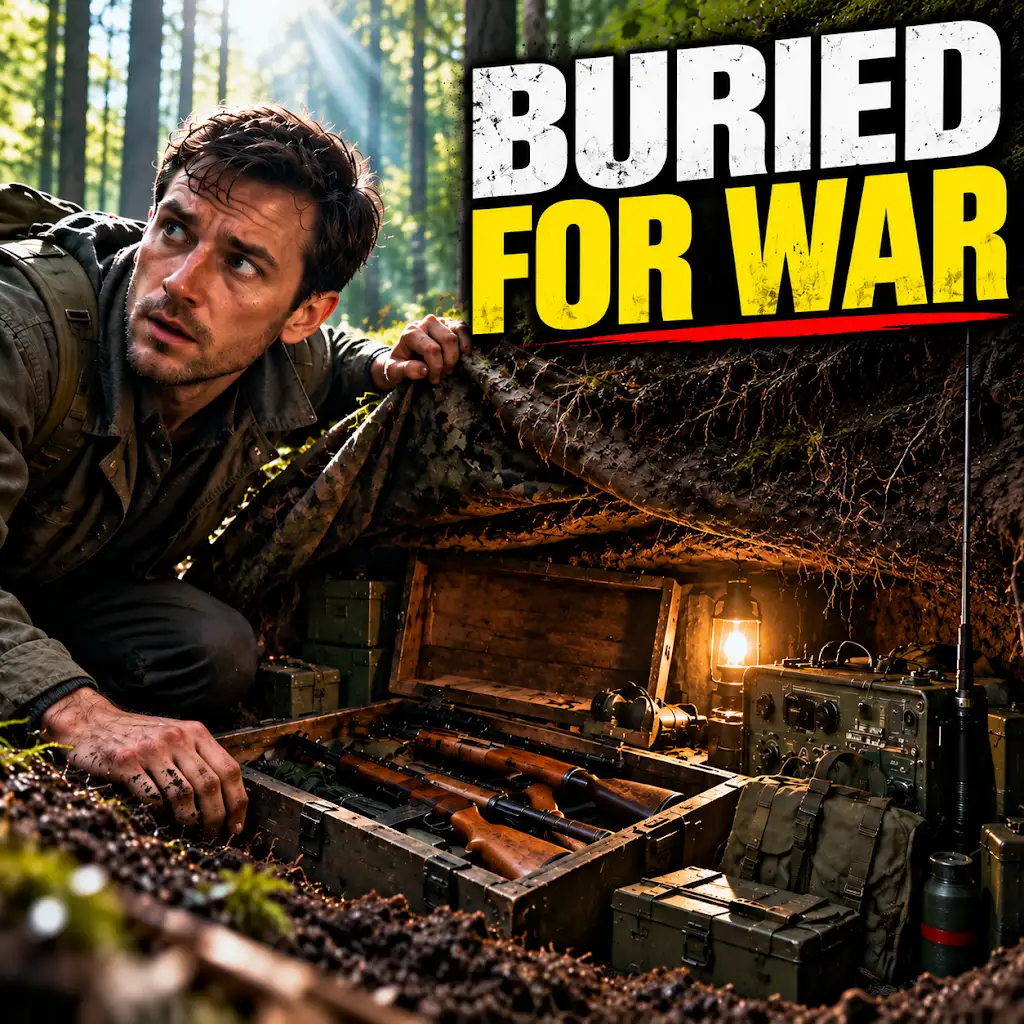
The Secret Armies NATO Prepared for a Soviet Invasion
FAQs
What was Operation Gladio?
Operation Gladio was a clandestine NATO operation that was established after World War II to counter potential Soviet invasion of Western Europe. It involved the creation of secret “stay-behind” armies in several European countries, with the purpose of conducting guerrilla warfare in the event of a Soviet invasion.
What were the activities of Operation Gladio?
The activities of Operation Gladio included the training of secret paramilitary units, stockpiling of weapons and explosives, and establishing communication networks. These units were intended to operate behind enemy lines and disrupt the occupying forces in the event of a Soviet invasion.
What were the controversies surrounding Operation Gladio?
Operation Gladio became controversial due to allegations of involvement in various covert activities, including political assassinations, bombings, and other acts of terrorism. There were also claims that some of these activities were carried out with the knowledge or involvement of Western intelligence agencies.
When was Operation Gladio exposed?
The existence of Operation Gladio was first publicly revealed in 1990, when Italian Prime Minister Giulio Andreotti confirmed its existence in a speech to parliament. This led to further investigations and revelations about the extent of its activities in various European countries.
What is the legacy of Operation Gladio?
The legacy of Operation Gladio includes ongoing debates about the balance between national security and democratic principles, as well as the role of covert operations in the Cold War era. It also raised questions about the accountability and oversight of intelligence agencies and their involvement in clandestine activities.