The dim glow of the projector cast a stark illumination across the hushed audience, their faces etched with anticipation. This was not just another historical retelling; this was an invitation into the shadows, a peek behind the curtain of clandestine endeavors. “The Untold Story: Secret Military Operations” promised revelations, and as the opening credits rolled, a palpable sense of intrigue settled in the room. The documentary, meticulously researched and compellingly presented, sought to unearth the less-known, yet profoundly impactful, covert missions that have shaped the course of modern history. It ventured beyond the grand pronouncements of open warfare to explore the silent victories and often-unsung sacrifices made in the realm of special operations.
The very essence of “secret military operations” is their deliberate obscurity. These are not the parades and public declarations of conventional warfare, but rather the intricate dances of intelligence gathering, sabotage, and covert intervention conducted away from the prying eyes of the public and, often, even from significant portions of the government itself. This documentary endeavors to peel back that veil, not through sensationalism, but through a rigorous examination of historical evidence, declassified documents, and the hushed testimonies of those who lived and breathed these clandestine realities.
Defining the Undefinable: What Constitutes a “Secret Operation”?
The documentary grapples with the inherent difficulty in defining what truly qualifies as a “secret military operation.” It’s not simply about classified information, but about a deliberate strategy of operational anonymity. This could range from the placement of deep-cover agents in hostile territories to the clandestine deployment of specialized units for surgical strikes or intelligence extraction. The film emphasizes that these operations are characterized by their reliance on plausible deniability, their avoidance of direct attribution, and their often-unseen impact on geopolitical landscapes. It distinguishes them from espionage, though often intertwined, by focusing on the active, kinetic, or overtly disruptive nature of the actions undertaken.
The Strategic Imperative: Why Secrecy is Paramount
The narrative powerfully argues that secrecy is not an optional add-on for these missions, but a foundational necessity. The documentary illustrates how transparency in these scenarios would not only jeopardize the immediate success of the operation but could also have catastrophic long-term consequences. These consequences include escalating international tensions, revealing valuable intelligence capabilities to adversaries, and endangering the lives of operatives. The film provides compelling case studies where the preservation of secrecy was directly linked to mission success and the avoidance of wider conflict.
Ethical Labyrinths: The Moral Ambiguities of Covert Action
A significant portion of the documentary delves into the complex ethical considerations inherent in secret military operations. The film doesn’t shy away from the moral quandaries that arise when clandestine actions are undertaken, often with significant human cost, without public debate or oversight. It explores the tension between the perceived greater good of national security and the individual rights and lives that can be affected by these hidden maneuvers. This aspect is crucial in providing a balanced and nuanced perspective, acknowledging that while these operations may serve a strategic purpose, they also operate within a challenging moral framework.
For those interested in the intricacies of secret military operations, a fascinating article can be found that delves deeper into the subject. This piece explores the historical context and the impact of covert missions on modern warfare, providing insights that complement the themes presented in the documentary. To read more, visit the article at this link.
Echoes from the Shadows: Case Studies of Impactful Covert Missions
“The Untold Story” dedicates substantial segments to dissecting specific historical operations, bringing to light their clandestine nature and their profound, often unacknowledged, impact. These are not the well-documented battles of world wars, but the precise, often brutal, interventions that operated far from the public eye, yet undeniably shaped the world we inhabit today.
Operation Mongoose: A Cold War Chess Game Beyond the Battlefield
The documentary meticulously details Operation Mongoose, the extensive campaign of covert operations waged by the United States against Fidel Castro’s Cuba during the early 1960s. This section goes beyond the commonly known Bay of Pigs invasion, revealing a multi-faceted approach involving psychological warfare, sabotage, and assassination plots. The film uses archival footage and expert interviews to illustrate the sheer scale and ambition of Mongoose, portraying it as a desperate attempt to destabilize the Cuban government without resorting to overt invasion. The chilling effectiveness of some of these tactics, and their failure to achieve their ultimate objective, is explored with sober reflection.
The Psychological Front: Propaganda and Disinformation
The documentary highlights the extensive use of propaganda and disinformation as a key weapon in Operation Mongoose. It showcases examples of fabricated news stories, engineered rumors, and covertly distributed materials designed to erode public support for Castro’s regime. The film delves into the sophisticated psychological operations employed, demonstrating how misinformation was weaponized to sow discord and create an atmosphere of fear and uncertainty within Cuba. This section serves as a stark reminder of the power of narrative control in shaping public perception and influencing political outcomes.
Economic Sabotage: Crippling an Island Nation
The narrative then shifts to the economic dimensions of Operation Mongoose, detailing the systematic efforts to cripple Cuba’s economy. The film presents evidence of sabotage against key industries, including sugar plantations, mining operations, and transportation networks. It explores the deliberate disruption of trade and the imposition of clandestine economic sanctions, all designed to push Cuba to the brink of collapse. The long-term ramifications of these actions, on both Cuba and the broader geopolitical landscape of Latin America, are carefully considered.
The world of secret military operations has always intrigued both historians and the general public, shedding light on the covert activities that shape global events. A fascinating article that delves deeper into this subject can be found at In the War Room, where it explores the complexities and ethical dilemmas surrounding clandestine missions. This documentary not only highlights the strategic importance of these operations but also raises questions about transparency and accountability in military actions.
The Iranian Coup of 1953: A Catalyst for Regional Instability
A particularly insightful segment focuses on the 1953 Iranian coup d’état, orchestrating by the United States and the United Kingdom. The documentary unpacks the complex motivations behind this operation, primarily the perceived threat of Prime Minister Mohammad Mosaddegh’s nationalization of the Iranian oil industry. It presents a detailed chronological account of the covert actions, from the recruitment of agents and the dissemination of propaganda to the instigation of protests and the eventual overthrow of Mosaddegh. The film emphasizes how this intervention, while achieving its immediate objective of restoring the Shah to power, also sowed seeds of resentment and contributed to the rise of anti-Western sentiment in the region, with consequences that continue to reverberate today.
The Role of Intelligence Agencies: A Shadow War
This portion of the documentary meticulously examines the crucial role played by intelligence agencies like the CIA and MI6 in orchestrating the coup. It details the clandestine meetings, the covert funding, and the strategic planning that underpinned the operation. The film highlights the shadowy nature of these agencies’ involvement, emphasizing how they operated with a high degree of autonomy and with limited public accountability. The ethical implications of such powerful, unelected bodies wielding such significant influence on sovereign nations are implicitly and explicitly explored.
The Long-Term Geopolitical Repercussions: A Bitter Harvest
The documentary does not merely recount the events of 1953 but also delves into their enduring legacy. It connects the coup to the rise of Iranian nationalism, the erosion of trust between Iran and the West, and the subsequent geopolitical shifts that have shaped the Middle East. The film argues that the short-term gains of the operation were overshadowed by the long-term destabilizing effects, serving as a cautionary tale about the unintended consequences of covert interventions.
The Search for the Lost Pilot: Operation Tangled Web
“The Untold Story” also sheds light on more specialized, yet equally critical, secret operations. The segment on “Operation Tangled Web” explores the complex and often perilous missions undertaken to recover downed pilots behind enemy lines during various conflicts. This isn’t about large-scale rescue operations, but about highly specialized teams operating deep within hostile territory, relying on stealth, wit, and immense bravery.
The Art of Infiltration and Exfiltration: Navigating Hostile Terrain
The documentary details the intricate methods employed for infiltrating enemy territory undetected. This includes the use of specialized equipment, advanced camouflage techniques, and a deep understanding of the terrain and enemy patrol patterns. The film emphasizes the immense pressure and constant threat of discovery that these operatives faced, highlighting their exceptional physical and mental fortitude. The exfiltration phase is depicted as equally perilous, often involving pre-arranged rendezvous points and the constant threat of pursuit.
The Human Element: Courage in the Face of Adversity
Beyond the tactical maneuvers, the documentary underscores the profound human element of these operations. It shares accounts, where possible, of the immense courage and selflessness displayed by the rescue teams, often risking their own lives to save a single pilot. The emotional toll on these operatives, the weight of responsibility, and the profound bonds forged in the crucible of clandestine operations are conveyed with sensitivity and respect.
The Unseen Architects: The Individuals Behind the Operations
While the operations themselves are the focus, “The Untold Story” also seeks to acknowledge the individuals who planned, executed, and often paid the ultimate price for these covert missions. These are the men and women who operated in the shadows, their names largely unknown to the public, yet their actions undeniably shaped history.
The Intelligence Operatives: Masters of Deception and Analysis
The documentary devotes significant attention to the intelligence operatives, the unsung heroes who gather the vital information that underpins all covert actions. It explores their rigorous training, their mastery of deception, and their ability to analyze complex geopolitical situations to identify opportunities for intervention. The film provides glimpses into the meticulous planning and meticulous execution that characterized their work, highlighting the immense pressure and the constant need for vigilance.
The Special Forces Teams: The Sharp End of the Spear
The film showcases the indispensable role of special forces units in executing the direct action components of these secret operations. It details their specialized training, their unique skill sets, and their unwavering commitment to mission success. The documentary illustrates how these teams were often deployed in situations where conventional forces were unsuitable, requiring a level of agility, discretion, and combat prowess that set them apart.
The Analysts and Strategists: The Minds Behind the Missions
Beyond the operatives on the ground, the documentary acknowledges the vital contributions of the intelligence analysts and strategists who conceived and guided these complex operations. It highlights their role in interpreting intelligence, developing strategic objectives, and managing the inherent risks involved. The film emphasizes the intellectual rigor and the foresight required to orchestrate clandestine actions with potentially far-reaching consequences.
The Legacy of Secrecy: Lessons Learned and Warnings for the Future

“The Untold Story” is not merely a historical archive; it is a deliberate attempt to draw lessons from the past to inform the present and future. The documentary concludes by reflecting on the enduring legacy of secret military operations and the critical need for ongoing scrutiny and ethical consideration.
The Double-Edged Sword: Balancing Security and Transparency
The film powerfully illustrates the inherent tension between the perceived need for national security through covert means and the fundamental principles of democratic transparency. It argues that while secrecy can be a necessary tool in certain circumstances, its unchecked application can lead to abuses of power and unintended negative consequences. The documentary poses critical questions about the appropriate level of oversight and accountability for such operations.
The Perils of Unchecked Power: The Need for Scrutiny
A central theme emerging from the documentary is the inherent danger of unchecked power, particularly within the context of clandestine operations. The film suggests that the very nature of secrecy can create an environment where ethical boundaries can be blurred and accountability can be circumvented. It underscores the importance of robust oversight mechanisms and a vigilant public in preventing potential abuses.
The Continuing Relevance: Secret Operations in the Modern Era
The documentary concludes by emphasizing that secret military operations are not relics of the past but continue to be a significant element of modern warfare and international relations. It prompts the audience to consider the ongoing complexities and ethical challenges posed by these clandestine activities in an increasingly interconnected world. The film leaves the viewer with a profound understanding of the hidden dimensions of global power and the critical importance of understanding the untold stories that shape our world.
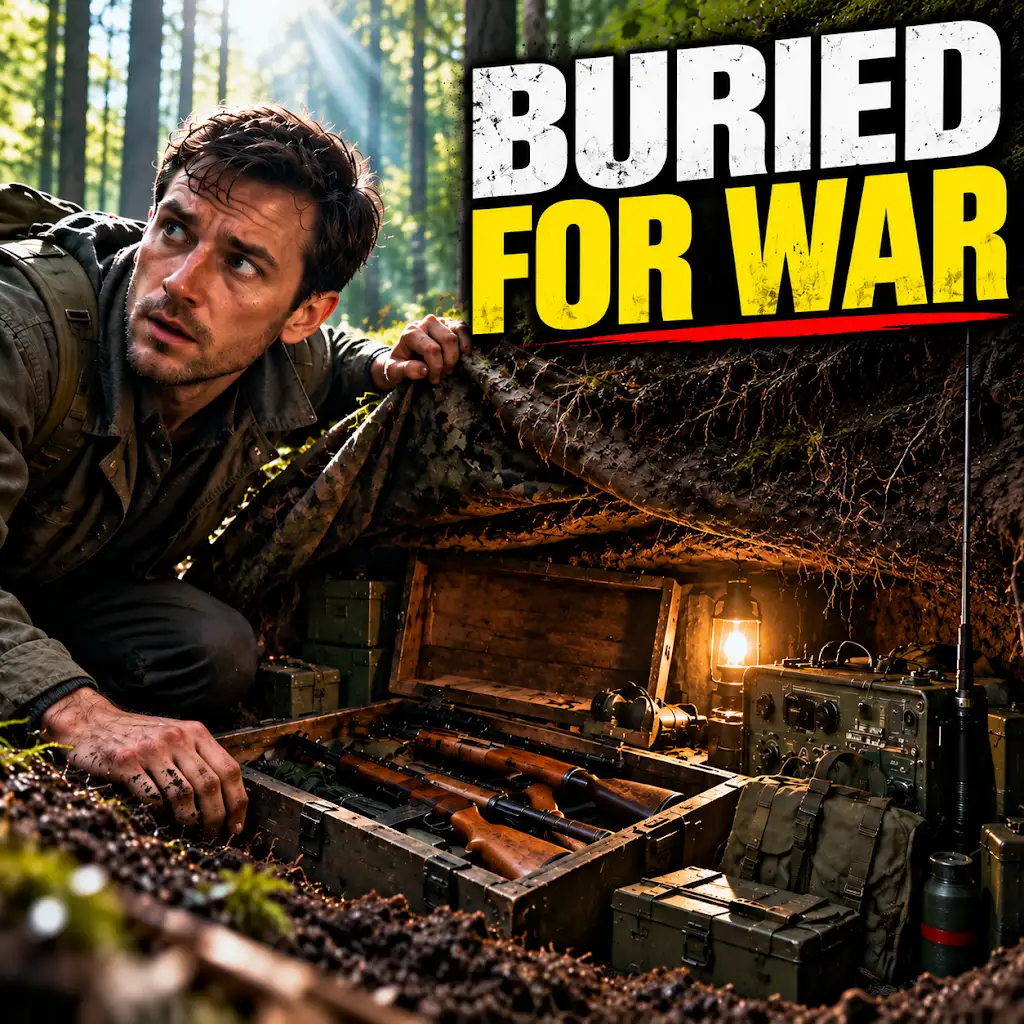
The Secret Armies NATO Prepared for a Soviet Invasion
FAQs
What is the purpose of secret military operations?
Secret military operations are conducted to achieve specific military objectives without the knowledge of the enemy or the public. These operations are often carried out to gather intelligence, conduct covert strikes, or support larger military campaigns.
How are secret military operations documented?
Secret military operations are typically documented through classified reports, intelligence briefings, and after-action reviews. These documents are often restricted and only accessible to authorized personnel with security clearance.
Are there any publicly available documentaries about secret military operations?
Yes, there are several documentaries that explore the history and impact of secret military operations. These documentaries often feature interviews with military personnel, declassified footage, and expert analysis of covert operations.
What are some examples of famous secret military operations?
Examples of famous secret military operations include the raid on Osama bin Laden’s compound in Abbottabad, Pakistan (Operation Neptune Spear), the capture of Saddam Hussein (Operation Red Dawn), and the Iran hostage rescue mission (Operation Eagle Claw).
Why is it important to document secret military operations?
Documenting secret military operations is important for historical record-keeping, accountability, and learning from past experiences. It also allows for the analysis of tactics, techniques, and procedures to improve future operations.