“The Iron Curtain: A European Cold War History Documentary” offers a compelling and comprehensive journey through one of the most defining periods of the 20th century. Through its meticulous research, evocative archival footage, and insightful expert interviews, the documentary brings to life the complex geopolitical landscape of post-World War II Europe, from the seeds of division sown in Yalta to the eventual triumph of freedom with the fall of the Berlin Wall. This in-depth exploration delves into the ideologies, the personalities, the anxieties, and the everyday realities that shaped the lives of millions under the shadow of the Iron Curtain.
The documentary meticulously traces the origins of the Iron Curtain, emphasizing that its creation was not a sudden event but a gradual hardening of ideological and political boundaries. The end of World War II, far from ushering in an era of lasting peace, inadvertently laid the groundwork for a new global conflict. The defeat of Nazi Germany left a power vacuum in Europe, and the victorious Allied powers, particularly the United States and the Soviet Union, found themselves with fundamentally opposing visions for the continent’s future.
Yalta and Potsdam: Seeds of Suspicion
The initial post-war conferences, Yalta and Potsdam, are presented not as collaborative efforts to rebuild Europe, but as critical junctures where mutual suspicion began to fester. The documentary highlights the differing interpretations of the agreements made, particularly concerning the future of Poland and the broader question of self-determination for Eastern European nations. The Soviet Union, seeking to secure its western borders and establish a buffer zone against future invasions, began to exert its influence over liberated territories. Conversely, the Western Allies, particularly the United States under President Truman, viewed this expansion of Soviet power with alarm, seeing it as a threat to democratic principles and global stability. The filmmakers effectively use animated maps and archival documents to illustrate the territorial changes and the growing disagreements between the Allied leaders, painting a vivid picture of the nascent geopolitical rift.
Churchill’s “Iron Curtain” Speech: A Defining Moment
Winston Churchill’s famous “Iron Curtain” speech, delivered in Fulton, Missouri, in 1946, is given significant attention. The documentary argues that this speech, though controversial at the time, accurately articulated the emerging reality of a continent divided. It brought into sharp focus the stark contrast between the democratic West and the increasingly authoritarian East, characterized by Soviet domination and the suppression of dissent. The filmmakers weave in contemporary reactions to Churchill’s address, showcasing the mixture of alarm, agreement, and denial from various political figures and media outlets, demonstrating how the speech served as a potent symbol for the division that was solidifying.
The Truman Doctrine and Containment
The documentary then explores the United States’ response to perceived Soviet expansionism, centering on the Truman Doctrine and the policy of containment. It explains how the US committed itself to supporting nations threatened by communist influence, providing economic and military aid to countries like Greece and Turkey. This policy marked a significant shift in American foreign policy, moving away from isolationism and towards active engagement in global affairs. The filmmakers utilize expert commentary from historians specializing in Cold War diplomacy to elucidate the strategic rationale behind containment and its long-term implications for international relations.
For those interested in a deeper understanding of European Cold War history, I highly recommend exploring the article available at this link. It provides insightful analysis and context that complements the themes presented in the recent documentary, shedding light on the geopolitical tensions and cultural shifts that defined the era.
Life Behind the Iron Curtain
The human cost of this geopolitical division is a central theme of the documentary. It moves beyond the grand pronouncements of politicians and strategists to explore the lived experiences of ordinary people in both Eastern and Western Europe. The stark contrasts in daily life, freedoms, and opportunities are brought to the fore through powerful personal testimonies and evocative visual storytelling.
Eastern Bloc Realities: Suppression and Scarcity
Life in the Soviet satellite states is depicted with unflinching honesty. The documentary showcases the pervasive surveillance, the suppression of political freedoms, and the pervasive censorship that characterized these regimes. Archival footage of May Day parades, carefully choreographed to project an image of unity and prosperity, is juxtaposed with more candid accounts of shortages, limited consumer goods, and the ever-present fear of the secret police. The filmmakers employ interviews with individuals who grew up or lived under these conditions, their personal stories offering a poignant counterpoint to the official propaganda. These narratives often speak of a yearning for freedom, a clandestine pursuit of banned literature, and the quiet acts of resistance that characterized everyday life.
The Role of the Stasi and Secret Police
The documentary dedicates a significant portion to the role of secret police forces like the Stasi in East Germany. It reveals the extensive network of informers, the psychological manipulation, and the brutal methods employed to maintain control. Through declassified documents and interviews with former dissidents and even former agents, the film exposes the chilling efficiency of these organizations and the deep psychological impact they had on the populace. The sheer invasiveness of these surveillance states is a stark reminder of the human cost of totalitarian rule.
Economic Disparities and the Promise of Communism
The film also examines the economic realities. While communist ideology promised equality and prosperity, the reality in many Eastern Bloc countries was economic stagnation and a reliance on Soviet subsidies. The documentary contrasts the supposed benefits of a centrally planned economy with the tangible advantages enjoyed by citizens in the West, particularly in terms of consumer goods, technological advancement, and economic opportunity. This economic disparity became a significant factor in fueling discontent and the desire for change.
Western European Resilience: Democracy and Reconstruction
In contrast, the documentary portrays Western Europe as a region undergoing a remarkable period of reconstruction and economic recovery. The Marshall Plan is highlighted as a crucial factor in this resurgence, providing essential financial aid and fostering economic cooperation. The filmmakers use images of bustling Western cities, thriving industries, and vibrant cultural life to illustrate the progress made. This section of the documentary underscores the resilience of democratic institutions and the appeal of Western economic and political models.
The Marshall Plan’s Impact
The impact of the Marshall Plan is explored in detail, with experts discussing its geopolitical and economic significance. It is presented not merely as charity, but as a strategic investment by the United States to rebuild a stable and prosperous Europe, thereby preventing the spread of communism. The documentary showcases how this aid fueled industrial growth, modernized infrastructure, and helped to reintegrate Western European nations into the global economy.
The Flourishing of Culture and Freedom
Beyond economics, the documentary touches upon the cultural dynamism of Western Europe during this period. The resurgence of artistic expression, the growth of democratic discourse, and the relative freedoms enjoyed by citizens are presented as key differentiators from the East. The filmmakers use archival footage of cultural events, public debates, and everyday life to create a sense of vitality and optimism that was often absent in the Eastern Bloc.
The Wall and the Ideological Divide

The construction of the Berlin Wall in 1961 serves as the most potent physical manifestation of the Iron Curtain and is a focal point of the documentary. The film meticulously details the political machinations, the human tragedy, and the enduring symbolism of this concrete barrier that divided a city and a continent.
The Berlin Wall: A Symbol of Oppression
The documentary emphasizes that the Berlin Wall was not built to keep outsiders out, but to keep its own citizens in. The sheer scale of the construction, the brutal efficiency with which it was enforced, and the desperate attempts to cross it are depicted through harrowing accounts and dramatic archival footage. The filmmakers interview survivors of escape attempts, their testimonies offering a powerful and deeply personal perspective on the wall’s human cost. The visual representation of the wall, from its initial barbed wire to its fortified concrete structure, effectively conveys its oppressive nature.
Escape Attempts and Their Fates
The stories of daring escapes are interwoven with accounts of those who were captured and killed. The documentary does not shy away from the grim realities of the wall’s defenses, including the watchtowers, minefields, and shoot-to-kill orders. These narratives serve as a stark reminder of the lengths to which people would go to reclaim their freedom. The filmmakers use animated reconstructions to illustrate some of the more ingenious escape methods, adding a layer of tension and drama to the recounting of these events.
The Propaganda Wars
The ideological struggle between East and West is explored through the lens of propaganda. The documentary examines how both sides used media, art, and public messaging to demonize the other and promote their own systems. The filmmakers showcase examples of Western propaganda, often emphasizing freedom and prosperity, alongside Soviet propaganda, which typically highlighted the perceived decadence and exploitation of capitalism. This section highlights the importance of information control and manipulation in the Cold War.
Western Narratives of Freedom
The documentary analyzes how Western media portrayed the Iron Curtain as a symbol of tyranny and oppression, a stark contrast to the freedoms enjoyed in the West. Images of American consumerism, democratic elections, and individual liberties were used to promote the Western way of life. This propaganda aimed to win hearts and minds, both within the Eastern Bloc and in neutral countries.
Eastern Bloc Counter-Narratives
Conversely, the Eastern Bloc propaganda efforts are also examined. The documentary shows how Soviet-aligned media sought to portray Western societies as inherently unjust, exploitative, and morally corrupt. The narrative often focused on issues of inequality, racism, and the perceived militarism of the West, aiming to foster a sense of superiority for the socialist model.
The Cold War on the Brink

“The Iron Curtain” effectively conveys the constant tension and the ever-present threat of nuclear annihilation that characterized the Cold War. The documentary explores key moments of escalation and the anxieties that gripped populations on both sides of the divide.
The Nuclear Threat
The specter of nuclear war looms large over this period, and the documentary addresses it directly. The arms race between the superpowers, the development of nuclear weapons, and the concept of Mutually Assured Destruction (MAD) are explained in clear and accessible terms. The filmmakers utilize archival footage of nuclear test explosions and public civil defense drills to convey the pervasive fear and uncertainty that defined the era. Expert commentary from military historians and political scientists helps to contextualize the strategic thinking behind nuclear deterrence.
The Cuban Missile Crisis
The Cuban Missile Crisis is presented as a pivotal moment when the world came closest to nuclear war. The documentary meticulously reconstructs the thirteen days of intense negotiations and brinkmanship, highlighting the critical decisions made by leaders on both sides. The dramatic tension is amplified through the use of declassified documents, audio recordings, and interviews with those who were involved or who have studied the event extensively. The near-catastrophe serves as a powerful illustration of the dangers inherent in the Cold War confrontation.
Proxy Wars and Global Tensions
While Europe remained a primary theater of Cold War tensions, the documentary also acknowledges the global reach of the conflict. It touches upon proxy wars fought in distant lands, such as Korea and Vietnam, where the superpowers supported opposing sides. These conflicts, while geographically removed from the Iron Curtain, were inextricably linked to the larger ideological struggle and the competition for global influence. The filmmakers use maps and archival footage from these conflicts to illustrate the global nature of the Cold War.
The Korean War
The Korean War is presented as an early example of the Cold War turning hot. The documentary explains how the conflict began as a civil war but quickly escalated into a proxy war between the communist North, supported by the Soviet Union and China, and the U.S.-backed South. The devastating human cost of this conflict and its role in solidifying the division of the Korean peninsula are powerfully conveyed.
The Vietnam War
The Vietnam War is also discussed, highlighting the complex political and military factors that led to American involvement and its eventual withdrawal. The documentary emphasizes how this protracted conflict became a major focal point of anti-war sentiment in the West and a significant propaganda victory for the communist bloc.
For those interested in the intricate dynamics of European Cold War history, a fascinating article can be found on the In the War Room website. This piece delves into the geopolitical tensions that shaped the continent during this pivotal era, offering insights into the strategies employed by both Eastern and Western blocs. You can explore the article further by visiting this link, which provides a comprehensive overview of the events and ideologies that influenced the Cold War landscape in Europe.
The Cracks Appear and the Curtain Falls
| Documentary Title | Release Year | Duration | Main Topics |
|---|---|---|---|
| The Cold War: A New History | 2018 | 4 hours | Origins of the Cold War, Berlin Wall, Cuban Missile Crisis, Soviet Union, NATO |
| Europe in the Cold War | 2016 | 3.5 hours | Iron Curtain, Marshall Plan, Warsaw Pact, Eastern Bloc, Western Bloc |
| Cold War: The Iron Curtain | 2015 | 2 hours | Division of Germany, Hungarian Revolution, Prague Spring, Fall of the Berlin Wall |
The final section of the documentary chronicles the gradual weakening of Soviet control over Eastern Europe and the eventual, momentous events that led to the collapse of the Iron Curtain. The filmmakers emphasize that this was not a sudden event but a culmination of internal pressures and external influences.
Growing Dissatisfaction and Reform Movements
The documentary highlights the growing dissatisfaction within the Eastern Bloc throughout the 1980s. Economic stagnation, the continued suppression of freedoms, and the increasing awareness of Western prosperity fueled dissent. The rise of protest movements, student activism, and independent trade unions like Solidarity in Poland are presented as crucial factors in challenging Soviet authority. The filmmakers showcase archival footage of these protests, demonstrating the courage and determination of those who sought change.
Solidarity in Poland
The rise of the Solidarity trade union in Poland is given particular attention. The documentary details how this independent labor movement, initially formed to protest economic conditions, grew into a powerful political force that challenged the communist regime. The filmmakers use interviews with former Solidarity leaders and members to explain the significance of this movement in paving the way for broader change across Eastern Europe.
Gorbachev’s Reforms: Glasnost and Perestroika
Mikhail Gorbachev’s policies of Glasnost (openness) and Perestroika (restructuring) are presented as catalysts for change. The documentary explains how Gorbachev, seeking to revitalize the Soviet Union, inadvertently unleashed forces that he could no longer control. The introduction of greater freedom of expression and economic reform led to increased demands for political change in the satellite states. Expert analysis is used to explain the complex motivations behind Gorbachev’s reforms and their unintended consequences.
The Fall of the Berlin Wall and the Unraveling of an Empire
The fall of the Berlin Wall on November 9, 1989, is depicted as the symbolic climax of the documentary. The filmmakers recreate the confusion, the exhilaration, and the sheer disbelief of that historic night. Archival footage of jubilant crowds celebrating atop the wall, the dismantling of border crossings, and the emotional reunions of families separated for decades creates a powerful and moving conclusion. The documentary then traces the subsequent collapse of communist regimes across Eastern Europe, culminating in the dissolution of the Soviet Union itself in 1991.
The Velvet Revolution
The peaceful transition of power in Czechoslovakia, known as the Velvet Revolution, is highlighted as a testament to the power of non-violent protest. The documentary showcases the student-led demonstrations and the eventual capitulation of the communist government without significant bloodshed, offering a contrasting model to some of the more tumultuous transitions.
The Reunification of Germany
The reunification of Germany, a momentous event that reshaped the European landscape, is also explored. The documentary examines the challenges and opportunities that arose from integrating the former East Germany into a unified nation, reflecting on the long-term consequences of the Iron Curtain’s collapse.
“The Iron Curtain: A European Cold War History Documentary” is more than just a historical account; it is a profound exploration of human resilience, the enduring desire for freedom, and the complex forces that shape nations and the lives of individuals. Through its meticulous detail and compelling narrative, it offers a vital reminder of a past that continues to inform our present.
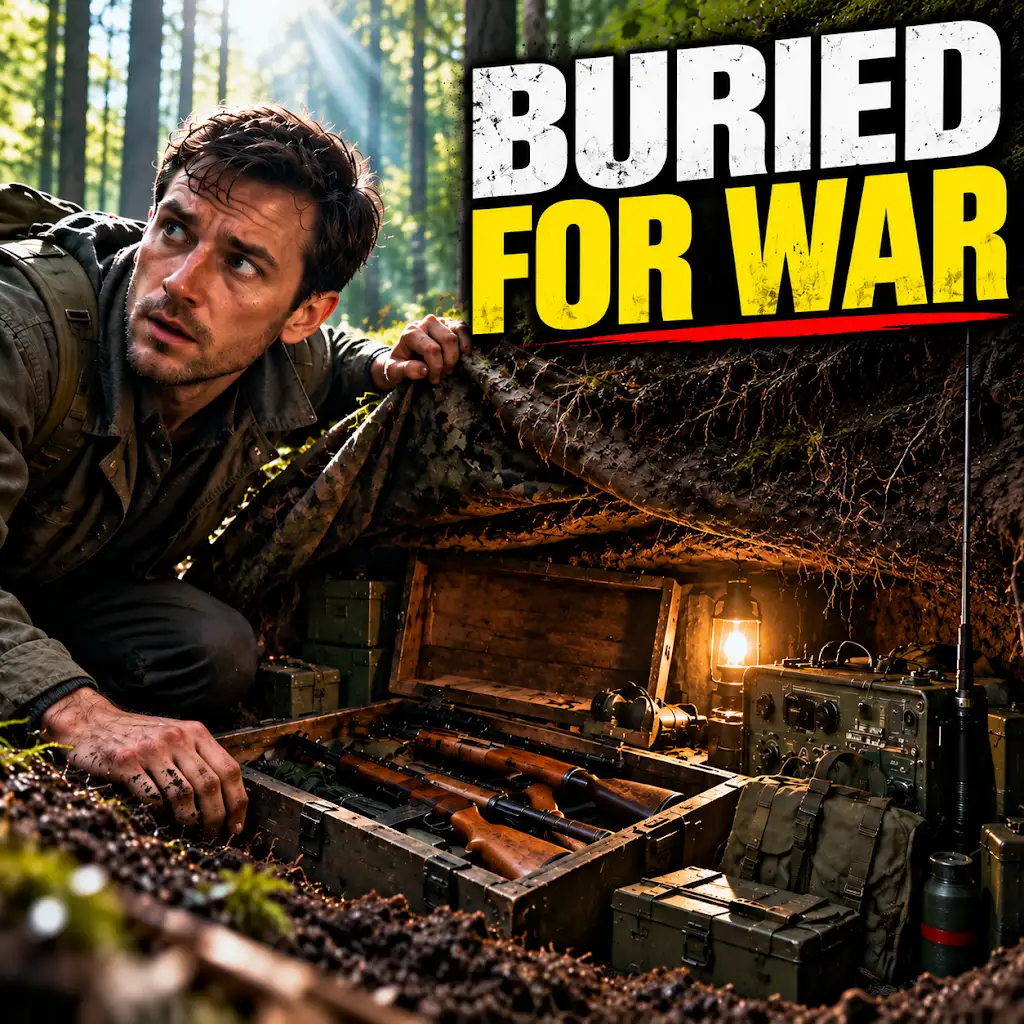
The Secret Armies NATO Prepared for a Soviet Invasion
FAQs
What is the European Cold War history documentary about?
The European Cold War history documentary explores the political, social, and military tensions between Western and Eastern Europe during the Cold War era, from the end of World War II to the fall of the Berlin Wall.
Who produced the European Cold War history documentary?
The documentary was produced by a team of historians, filmmakers, and researchers who specialize in European Cold War history. It features interviews with experts, archival footage, and reenactments to provide a comprehensive overview of the period.
What are some key events covered in the European Cold War history documentary?
The documentary covers key events such as the division of Germany, the construction of the Berlin Wall, the Cuban Missile Crisis, the Prague Spring, and the arms race between NATO and the Warsaw Pact countries.
Where can I watch the European Cold War history documentary?
The documentary may be available for streaming on various platforms, such as streaming services, educational websites, or through purchase on DVD or Blu-ray. Check with your local library or online retailers for availability.
Why is the European Cold War history documentary important?
The documentary provides a comprehensive understanding of the complex political and military dynamics that shaped Europe during the Cold War. It offers valuable insights into the impact of the Cold War on European societies and its lasting legacy on the continent.