The Cold War, a decades-long ideological and geopolitical struggle, was more than just a series of diplomatic maneuvers and proxy conflicts. It was a period forged in the crucible of fear, innovation, and immense military readiness. The documentary series “Warriors of the Cold War” endeavors to pull back the curtain on this pivotal era, offering a comprehensive military history that illuminates the strategies, technologies, and human experiences that defined this global standoff. Moving beyond simplistic narratives of good versus evil, the series delves into the intricate complexities of military planning, the relentless arms race, and the ever-present specter of nuclear annihilation, revealing the dedication, sacrifice, and sometimes the sheer terror that characterized the lives of those who stood on the front lines of this ideological battleground.
The documentary’s strength lies in its multifaceted approach, eschewing a purely chronological account for thematic exploration. It skillfully weaves together historical footage, expert interviews, and vivid reenactments to create a compelling narrative that resonates with both historical accuracy and emotional depth. “Warriors of the Cold War” doesn’t just recount events; it seeks to understand the motivations, the pressures, and the sheer, unyielding commitment of the individuals who served, from the highest echelons of command to the lowliest soldier on a remote watch.
The Shadow of the Mushroom Cloud: Nuclear Strategy and Deterrence
Central to any understanding of the Cold War military landscape is the overwhelming presence of nuclear weapons. “Warriors of the Cold War” dedicates significant attention to the development and deployment of these instruments of mass destruction, exploring the terrifying calculus of nuclear deterrence. The documentary meticulously traces the evolution of nuclear arsenals, from the initial awe and terror inspired by the atomic bomb to the sophisticated and terrifying capabilities of intercontinental ballistic missiles (ICBMs) and submarine-launched ballistic missiles (SLBMs).
The Dawn of the Atomic Age
The initial episodes vividly portray the shockwaves of the atomic bombings of Hiroshima and Nagasaki, not just as a conclusion to World War II, but as the dawn of a new, terrifying era. Interviews with scientists who worked on the Manhattan Project, alongside historians and military strategists, provide a chilling perspective on the ethical dilemmas and the immense power unleashed. The series highlights the immediate shift in global power dynamics and the inception of the nuclear arms race, a race driven by a potent cocktail of fear and the desire for strategic advantage.
Mutually Assured Destruction (MAD): The Grim Equilibrium
A cornerstone of Cold War military doctrine, Mutually Assured Destruction, is explored in depth. The documentary explains how the concept, seemingly paradoxical, became the bedrock of peace – a peace maintained by the understanding that any first strike would result in the complete annihilation of both aggressor and defender. Experts dissect the various facets of MAD, including the development of survivable second-strike capabilities, the importance of early warning systems, and the psychological pressures placed upon leaders during moments of heightened tension. Archival footage of missile silos, bomber fleets, and submarine patrols underscores the constant, tangible threat that loomed over humanity.
The Brink of War: Crises and Escalation
“Warriors of the Cold War” does not shy away from the moments when the world teetered on the precipice of nuclear war. The Cuban Missile Crisis is presented as a stark case study, with detailed accounts of the agonizing decisions faced by leaders on both sides. The series meticulously reconstructs the events, utilizing declassified documents and firsthand testimonies to convey the immense pressure and the razor-thin margin between peace and global catastrophe. Other near-misses and moments of heightened tension, such as the Berlin Blockade and various Soviet missile tests, are also examined, demonstrating the persistent danger of miscalculation and accidental escalation.
For those interested in delving deeper into Cold War military history, a fascinating article can be found at this link: In the War Room. This resource provides an in-depth analysis of the strategic military decisions made during the Cold War, exploring the geopolitical tensions that shaped global relations and the impact of military innovations on modern warfare. The documentary accompanying the article offers a compelling visual narrative that enhances the understanding of this pivotal era in history.
The Global Chessboard: Proxy Wars and Limited Engagements
While the specter of nuclear war hung heavy, the Cold War was also defined by a series of proxy wars and limited engagements played out across the globe. “Warriors of the Cold War” effectively illustrates how the superpowers avoided direct confrontation by backing opposing sides in regional conflicts, turning these nations into battlegrounds for their ideological struggle.
Korea: The Forgotten War Remembered
The Korean War is presented as a brutal and costly lesson in the realities of limited warfare. The documentary highlights the strategic objectives of both sides, the immense suffering of the Korean people, and the critical role of UN forces. Experts analyze the tactical innovations and challenges faced by soldiers on both sides, from the harsh winter conditions to the fierce urban fighting. The series emphasizes how this conflict demonstrated the willingness of the superpowers to engage in large-scale conventional warfare while still carefully avoiding direct engagement with each other.
Vietnam: A Nation Divided, A World Watching
The Vietnam War receives extensive coverage, exploring its complex origins, its devastating impact on American society, and its profound consequences for Southeast Asia. “Warriors of the Cold War” delves into the guerrilla warfare tactics employed by the Viet Cong and the North Vietnamese Army, contrasting them with the conventional military strategies of the United States. The documentary features interviews with veterans from all sides, offering poignant and often heartbreaking perspectives on the human cost of the conflict. It also examines the political and social fallout of the war, both within the United States and on the international stage.
Other Hotspots: Africa, Latin America, and Beyond
Beyond the major conflicts, the series highlights numerous other instances where Cold War tensions manifested as proxy wars. From the Angolan Civil War to conflicts in Nicaragua and Afghanistan, “Warriors of the Cold War” demonstrates the global reach of the ideological struggle. It explores how the superpowers supplied weapons, trained troops, and provided financial and logistical support to various factions, often exacerbating existing local tensions and creating long-lasting instability. The documentary sheds light on the often-overlooked human toll in these less widely publicized conflicts.
The Technological Arms Race: Innovation and Obsolescence
The Cold War was a period of unprecedented technological innovation, driven by the relentless competition between the superpowers. “Warriors of the Cold War” meticulously details the military applications of this scientific advancement, showcasing the cutting edge of weaponry and surveillance.
From Propeller to Jet: The Evolution of Air Power
The evolution of air power is a significant theme. The documentary charts the transition from piston-engine aircraft to the sophisticated jet fighters and bombers that dominated the skies. It explores the development of reconnaissance aircraft, like the U-2, and the risks associated with their missions. The series also delves into the development of early warning radar systems and the strategic importance of air superiority in the Cold War context. Footage of dogfights, bomber formations, and the groundbreaking stealth technology of later years provides a visual testament to the rapid advancements in aviation.
The Silent Service: Submarine Warfare and Naval Dominance
Submarine warfare played a crucial, albeit often unseen, role. “Warriors of the Cold War” examines the development of nuclear-powered submarines, their strategic importance in delivering nuclear payloads, and their role in reconnaissance and anti-submarine warfare. The documentary highlights the tense cat-and-mouse games played out beneath the waves, the constant threat of detection, and the psychological toll on those who served in these confined underwater environments. The strategic importance of naval power, from aircraft carrier fleets to missile cruisers, is also explored.
The Space Race: A New Frontier for Competition
The Space Race is presented not just as a scientific endeavor but as a direct extension of the Cold War military competition. The documentary details the dual-use nature of rocket technology, with advancements in space exploration directly translating to improvements in missile capabilities. The launch of Sputnik, the moon landing, and the development of reconnaissance satellites are all examined through the lens of strategic advantage and national prestige. The series highlights the immense resources and intellectual capital poured into this new arena of conflict.
The Human Element: Soldiers, Spies, and the Home Front
Ultimately, “Warriors of the Cold War” recognizes that military history is made by people. The documentary dedicates considerable time to exploring the human experiences of those involved, from the soldiers on the front lines to the intelligence officers operating in the shadows and the civilians enduring the constant anxieties of the era.
Life on the Front Lines: Grit and Sacrifice
The series brings to life the daily realities of military service during the Cold War. Through interviews with veterans, personal letters, and dramatic reenactments, viewers gain insight into the courage, camaraderie, and immense sacrifice of soldiers stationed around the globe. The documentary portrays the harsh conditions, the constant vigilance, and the psychological toll of living under the threat of conflict. From the icy outposts of the Arctic to the jungles of Southeast Asia, the experiences of these individuals are at the heart of the narrative.
The Shadow Warriors: Espionage and Covert Operations
The clandestine world of espionage is brought to the fore. “Warriors of the Cold War” delves into the clandestine operations of intelligence agencies like the CIA and the KGB, exploring their methods, their successes, and their failures. The documentary examines the high-stakes world of double agents, code-breaking, and the constant struggle for information. It reveals the crucial role these “shadow warriors” played in shaping the course of the Cold War, often operating in anonymity and facing immense personal risk.
The Home Front: Fear and Mobilization
The documentary also acknowledges the impact of the Cold War on civilian populations. The pervasive fear of nuclear war, the constant propaganda, and the significant societal shifts in response to the prolonged tension are explored. The series touches upon the widespread civil defense preparations, the economic mobilization for defense industries, and the cultural impact of the Cold War on art, literature, and everyday life. It highlights the often-unseen contributions of civilians to the war effort, from factory workers to scientists.
For those interested in exploring the intricate details of Cold War military history, the documentary “The Cold War: A New History” offers a compelling narrative that delves into the geopolitical tensions of the era. This documentary not only highlights key events but also examines the strategies employed by both superpowers. To further enhance your understanding, you might find it beneficial to read a related article that discusses the impact of espionage during this period. You can check it out here: espionage in the Cold War.
Legacy of the Cold War: Lessons for the Future
“Warriors of the Cold War” concludes by reflecting on the enduring legacy of this period. The documentary doesn’t just present a historical account; it seeks to draw lessons from the past to inform the present and the future.
The End of an Era and the Dawn of New Challenges
The collapse of the Soviet Union and the end of the Cold War are explored, not as a simple victory, but as a complex geopolitical shift. The documentary examines the factors that led to the USSR’s dissolution and the subsequent reshaping of the global order. It also acknowledges that while the primary conflict ended, the world was left with a legacy of regional conflicts, nuclear proliferation, and new geopolitical challenges that continue to shape international relations today.
The Perils of Proxy and the Cost of Escalation
The series emphasizes the dangerous lessons learned from the proxy wars of the Cold War, highlighting the devastating human cost and the potential for unintended escalation. It serves as a cautionary tale about the dangers of ideological crusades and the importance of diplomatic solutions in resolving international disputes. The documentary implicitly argues for the continued relevance of understanding the dynamics of conflict and the importance of de-escalation.
The Enduring Relevance of Vigilance
“Warriors of the Cold War” ultimately underscores the enduring relevance of vigilance and informed understanding in navigating a complex world. By exploring the intricate military history of this era, the documentary provides viewers with a deeper appreciation for the sacrifices made, the strategies employed, and the lessons learned from a period that profoundly shaped the modern world. It is a testament to the men and women who served, often in the shadows and under immense pressure, ensuring that the ultimate catastrophe was averted, and a stark reminder of the fragility of peace.
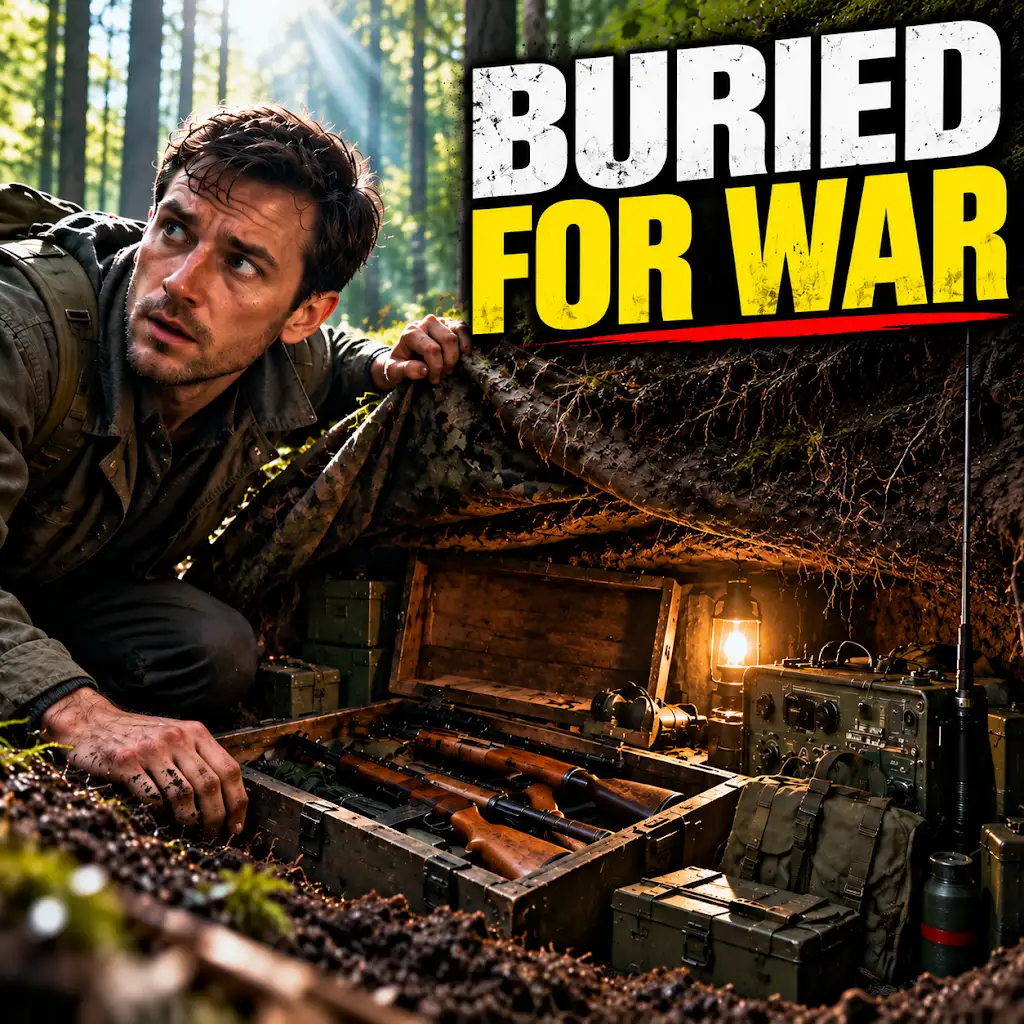
The Secret Armies NATO Prepared for a Soviet Invasion
FAQs

What is the Cold War military history documentary about?
The Cold War military history documentary explores the military strategies, technologies, and key events of the Cold War era, including the tensions between the United States and the Soviet Union, the arms race, and proxy wars.
Who produced the Cold War military history documentary?
The Cold War military history documentary was produced by [Production Company], and it features interviews with military historians, veterans, and archival footage to provide a comprehensive overview of the Cold War era.
What are some key topics covered in the Cold War military history documentary?
The documentary covers topics such as the Cuban Missile Crisis, the construction of the Berlin Wall, the Vietnam War, the Korean War, the space race, and the development of nuclear weapons during the Cold War.
Where can I watch the Cold War military history documentary?
The Cold War military history documentary may be available for streaming on platforms such as Netflix, Amazon Prime Video, or Hulu. It may also be available for purchase on DVD or Blu-ray.
Is the Cold War military history documentary suitable for all audiences?
The documentary may contain graphic footage of war and violence, as well as discussions of sensitive topics such as nuclear warfare. Viewer discretion is advised, and it may not be suitable for young or sensitive viewers.