
The veil of secrecy surrounding international alliances often conceals a hidden stratum of activity, a realm where strategic interests are pursued through means that bypass the public eye. The North Atlantic Treaty Organization (NATO), a cornerstone of Western security for over seven decades, is no exception. While its public face is one of collective defense and diplomatic dialogue, the organization has a less-discussed history of clandestine operations, intricate intelligence gathering, and the discreet projection of power. The secret history of NATO covert ops is a complex tapestry woven with threads of geopolitical necessity, evolving threats, and the inherent challenges of maintaining security in a world perpetually in flux.
The very formation of NATO in 1949 was a direct response to a palpable threat: the expansion of Soviet influence across Europe. This existential crisis naturally fostered an environment where not all actions could be openly declared or debated. The need for early warning, intelligence on Soviet capabilities and intentions, and the potential for unconventional responses became paramount.
The Intelligence Imperative: Beyond Open-Source Sharing
During the Cold War, the intelligence landscape was dominated by the adversarial relationship with the Soviet Union. NATO members, while allies, possessed varying intelligence capabilities and priorities. The necessity for a coordinated, yet often clandestine, approach to intelligence gathering on the Eastern Bloc became a driving force.
SIGINT and HUMINT: The Eyes and Ears of the Alliance
Signals Intelligence (SIGINT) and Human Intelligence (HUMINT) were crucial components of NATO’s early covert activities. While specific operations remain largely classified, it is widely understood that member states’ intelligence agencies, working in concert or through designated NATO structures, engaged in extensive efforts to intercept Soviet communications and cultivate sources within the Warsaw Pact. This involved sophisticated listening posts, aerial reconnaissance, and the risky work of agents embedded behind the Iron Curtain. The information gathered was vital for assessing military readiness, identifying potential attack vectors, and understanding internal Soviet politics.
The Role of NATO’s Early Command Structures
While not explicitly labeled “covert ops” in their initial mandates, early NATO military commands, such as SHAPE (Supreme Headquarters Allied Powers Europe), implicitly supported and benefited from intelligence operations that were not publicly disclosed. The planning of defensive strategies and the assessment of operational readiness relied heavily on intelligence that could not be openly shared with the public or even all member states due to its sensitive nature.
The Foundation for Future Operations: Doctrine and Infrastructure
The exigencies of the Cold War laid the groundwork for future NATO covert activities. The establishment of intelligence-sharing mechanisms, albeit nascent, and the development of specialized units within member states’ militaries, designed for unconventional warfare and special operations, created a nascent infrastructure. This infrastructure, though largely national, was increasingly viewed through the lens of alliance objectives.
The history of NATO’s covert operations is a fascinating and complex subject that sheds light on the alliance’s strategic maneuvers during the Cold War and beyond. For a deeper understanding of these covert activities and their implications, you can explore the related article available at In The War Room, which provides insightful analysis and historical context regarding NATO’s secretive missions and their impact on global security dynamics.
Post-Cold War Transitions: Adapting to New Threats
The dissolution of the Soviet Union in 1991 presented NATO with a profound strategic shift. The primary adversary disappeared, but the security landscape did not become simpler. New threats emerged, ranging from regional conflicts and ethnic strife to terrorism and the proliferation of weapons of mass destruction. This necessitated a recalibration of NATO’s approach, including its covert capabilities.
The Balkan Wars: A Crucible for NATO Action
The brutal conflicts in the Balkans during the 1990s provided NATO with its first major post-Cold War operational test. While the alliance’s involvement was largely public and often framed as peacekeeping or humanitarian intervention, behind the scenes, intelligence gathering and discreet influence operations played a significant role.
Intelligence Gathering in Volatile Environments
Operating in complex and fractured environments like Bosnia and Kosovo required a sophisticated understanding of local actors, tribal allegiances, and the flow of information. NATO forces and their intelligence wings were deeply involved in mapping insurgent networks, identifying war crimes perpetrators, and understanding the political machinations that fueled the conflicts. This often involved covert reconnaissance, the analysis of intercepted communications, and the cultivation of informants within local populations.
Deniable Operations and Strategic Messaging
In some instances, the need to achieve specific strategic objectives without direct attribution may have led to the use of covert means. While direct evidence is scarce, the nature of protracted conflicts often involves actions taken by proxies or through deniable assets to achieve desired outcomes or to disrupt enemy operations. The ability to influence narratives and shape public perception, both within the conflict zones and internationally, also required discreet efforts.
The Rise of Transnational Threats: Terrorism and Irregular Warfare
The turn of the millennium brought the stark reality of transnational terrorism to the forefront, epitomized by the September 11th attacks. This threat, characterized by its decentralized nature and ideological motivations, demanded a new paradigm for intelligence and covert action.
Counter-Terrorism Intelligence Sharing and Operations
NATO’s role in counter-terrorism, while not its founding mission, has become increasingly important. This has involved enhanced intelligence sharing among member states, the development of specialized counter-terrorism units, and, at times, participation in operations in theaters beyond NATO’s traditional borders. While these operations are often conducted by national special forces, the coordination and intelligence support can be facilitated through NATO structures or through bilateral agreements spurred by alliance collaboration. The clandestine tracking of terrorist cells, the disruption of their networks, and the gathering of actionable intelligence on their plans are all components of this covert dimension.
The Challenge of Asymmetric Warfare
Asymmetric warfare, where weaker actors employ unconventional tactics against stronger adversaries, poses unique challenges for traditional military alliances. NATO’s covert capabilities have been tested in understanding and countering these threats, which can involve cyber warfare, the use of improvised explosive devices (IEDs), and psychological operations. Discreet intelligence gathering and analysis of emerging threats are essential for developing effective countermeasures.
NATO’s Covert Toolkit: Beyond Conventional Warfare

NATO’s approach to covert operations is not monolithic. It encompasses a range of activities, from intelligence gathering and analysis to more direct forms of intervention, often conducted with a high degree of deniability.
Intelligence, Surveillance, and Reconnaissance (ISR): The Foundation of Covert Action
ISR capabilities form the bedrock of any covert operation. NATO members possess advanced ISR assets, including satellites, drones, electronic intelligence gathering platforms, and specialized reconnaissance units. The information gathered through these means is not always disseminated through public channels and can be used to inform sensitive strategic decisions or to support clandestine missions.
Advanced Technological Capabilities
The alliance benefits from the cutting-edge technological advancements of its member states in the field of ISR. This includes sophisticated cyber intelligence capabilities, advanced imaging technologies, and the ability to process and analyze vast amounts of data. The discreet collection and analysis of information from contested or denied areas are crucial for maintaining a strategic advantage.
The Importance of Fusion Cells and Joint Analysis
Effective covert action relies on the seamless integration of intelligence from various sources. NATO’s emphasis on intelligence fusion cells and joint analysis aims to break down silos and provide a comprehensive understanding of complex threats. This collaborative approach to intelligence processing, even when dealing with sensitive or classified information, is a key element of the alliance’s covert capacity.
Special Operations Forces (SOF): The Sharp Edge of Clandestine Action
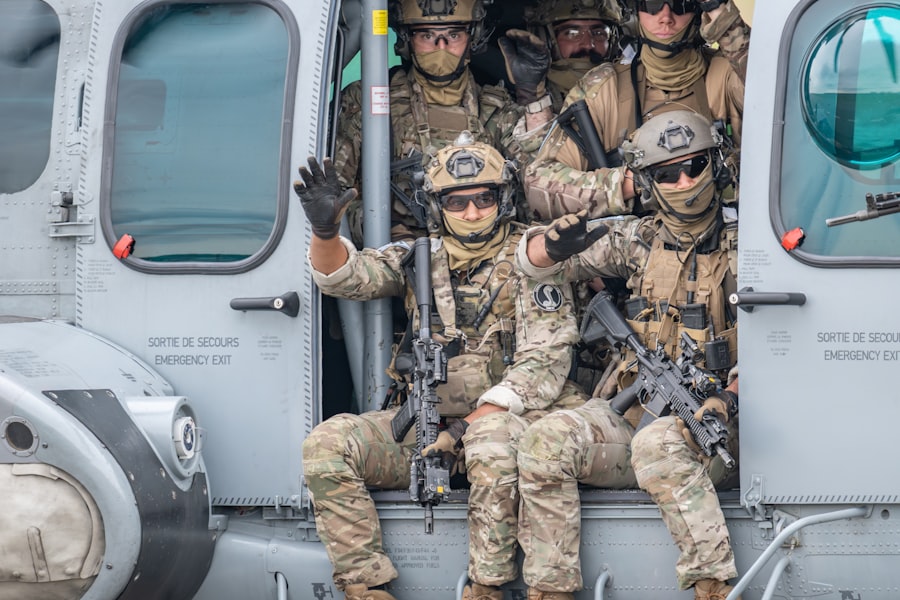
Special Operations Forces from NATO member nations are often at the forefront of covert missions. These highly trained and specialized units are capable of a wide range of activities, from reconnaissance and direct action to unconventional warfare and counter-terrorism. While their deployments are often publicly acknowledged when they occur in overt operations, the specific missions they undertake, particularly those involving intelligence gathering or sensitive interventions, can remain classified.
The Evolution of SOF Roles
Over the decades, SOF roles have evolved from purely battlefield operations to encompass a broader spectrum of covert activities. This includes supporting political objectives, disrupting enemy networks, and providing critical intelligence in denied areas. Their ability to operate with a low profile and achieve objectives with minimal public scrutiny makes them indispensable assets for covert operations.
Interoperability and Joint Training
A significant aspect of NATO’s covert capabilities is the interoperability of its member states’ SOF. Joint training exercises and standardized procedures ensure that these forces can operate effectively together, even on highly sensitive missions. This allows for the pooling of resources and expertise, enhancing the overall effectiveness of covert operations.
Psychological Operations (PSYOPS) and Information Warfare
In the modern era, the battleground extends beyond physical territory to the realm of information and perception. NATO has increasingly recognized the importance of psychological operations and information warfare as tools for achieving strategic objectives, often through covert means.
Shaping Narratives and Countering Disinformation
Covertly shaping narratives, countering disinformation campaigns, and influencing public opinion in adversary nations or in areas of conflict are crucial aspects of modern warfare. This can involve the strategic release of information, the use of social media, or the subtle manipulation of communication channels. These operations are designed to undermine enemy morale, sow discord, or promote allied interests without direct attribution.
The Ethical and Legal Challenges of Information Warfare
The use of covert information operations raises significant ethical and legal questions. The potential for manipulation and the difficulty of distinguishing between legitimate information dissemination and covert influence operations present complex challenges for international law and alliance policy.
The Ethical and Legal Dimensions of NATO’s Shadowy Operations
The very nature of covert operations inherently raises questions of accountability, transparency, and adherence to international law. NATO, as a multilateral alliance, grapples with these complexities.
The Principle of Deniability and its Implications
A core tenet of many covert operations is deniability. This allows states and alliances to pursue objectives without direct attribution, thereby avoiding diplomatic fallout or public outcry. However, this principle can also create a space for potential abuses and makes accountability more challenging.
Maintaining Oversight in a Secretive Environment
Ensuring adequate oversight of covert operations within a multilateral framework is a significant challenge. While national parliaments and oversight committees often scrutinize their own intelligence agencies, the coordination and supervision of joint covert activities can be more complex. The balance between operational security and democratic accountability is a constant tension.
Adherence to International Law and Humanitarian Principles
Even covert operations must, in theory, adhere to international humanitarian law and the principles of the UN Charter. However, the clandestine nature of these activities can make it difficult to verify compliance and to hold actors accountable for violations. The interpretation and application of international law in the context of covert actions remain a subject of ongoing debate.
The Debate on Transparency and Accountability
The public debate surrounding NATO’s activities often focuses on its overt military deployments and diplomatic initiatives. However, the “secret history” of its covert operations remains largely outside public discourse. This lack of transparency fuels speculation and can erode public trust.
The Need for Limited Disclosure and Strategic Communication
While complete transparency in covert operations is an oxymoron, there is a growing recognition of the need for a degree of limited disclosure and strategic communication to address legitimate concerns and to build public confidence. This might involve acknowledging the existence of certain capabilities or explaining the rationale behind specific types of operations without compromising operational security.
The Role of Whistleblowers and Investigative Journalism
In the absence of official transparency, whistleblowers and investigative journalists have often played a crucial role in bringing aspects of covert operations to light. While these actions can be controversial, they often serve as a vital check on power and can prompt necessary reforms.
NATO’s covert operations have played a significant role in shaping global security dynamics since its inception, often shrouded in secrecy and intrigue. For those interested in exploring this fascinating aspect of military history, a related article provides an in-depth analysis of various covert missions undertaken by NATO throughout the decades. You can read more about these operations and their implications for international relations by visiting this detailed overview.
The Future of NATO Covert Ops: Evolving Threats and New Frontiers
| Operation Name | Year | Location | Description |
|---|---|---|---|
| Operation Gladio | 1956-1991 | Europe | Covert operation to counter potential Soviet invasion by establishing secret armed resistance networks. |
| Operation Cyclone | 1979-1989 | Afghanistan | Covert operation to provide military aid to Afghan mujahideen in their fight against the Soviet Union. |
| Operation Active Endeavour | 2001-present | Mediterranean Sea | Covert operation to conduct maritime security operations and counter-terrorism activities. |
As the global security landscape continues to evolve, so too will the nature of NATO’s covert operations. New technologies, emerging threats, and shifting geopolitical alliances will undoubtedly shape the future of clandestine activities within the alliance.
Cyber Warfare and Information Dominance
The battlefield of the future will increasingly be digital. NATO’s covert capabilities will need to adapt to the challenges and opportunities presented by cyber warfare, including offensive cyber operations, defensive cyber measures, and the manipulation of digital information landscapes.
The Blurring Lines Between Peace and Conflict in Cyberspace
The distinction between peace and conflict in cyberspace is increasingly blurred. Covert operations in this domain can be used to disrupt critical infrastructure, sow disinformation, or gain strategic advantage without triggering a traditional military response. This necessitates new doctrines and capabilities for NATO.
International Cooperation in the Digital Realm
Addressing the challenges of cyber warfare will require unprecedented international cooperation, including the development of shared norms and the ability to attribute and respond to malicious cyber activities. NATO’s role in fostering this cooperation, both through overt dialogue and covert information sharing, will be critical.
Hybrid Warfare and the Sub-Threshold Competition
The concept of hybrid warfare, which combines conventional military tactics with unconventional methods such as disinformation, economic coercion, and cyberattacks, presents a complex challenge for NATO. Covert operations will play a crucial role in understanding and countering these sub-threshold competitions.
Intelligence Gathering in the Grey Zones
Operating in the “grey zones” – areas where state-sponsored aggression falls below the threshold of overt conflict – requires sophisticated intelligence gathering and the ability to identify and attribute clandestine activities. NATO’s covert capabilities will be essential for navigating these ambiguous environments.
The Challenge of Attribution and Response
A key challenge of hybrid warfare is the difficulty of attribution. When covert actors engage in disruptive activities, it can be challenging to identify the perpetrator and to formulate an appropriate response. NATO’s covert intelligence apparatus will need to be adept at uncovering these operations and providing the evidence needed for collective action.
The Enduring Need for Discretion and Adaptability
Ultimately, the secret history of NATO covert ops underscores a fundamental truth: in the complex and often dangerous world of international security, discretion and adaptability are not merely desirable attributes, but essential tools. As threats evolve and the geopolitical landscape shifts, the alliance’s capacity to operate effectively in the shadows, while navigating the ethical and legal complexities, will remain a critical, albeit often unseen, component of its enduring relevance. The careful balance between necessary secrecy and the demands of democratic accountability will continue to define the evolution of NATO’s covert capabilities, ensuring that its shadow operations, while largely unseen, remain aligned with the overarching security interests of its member states and the principles they collectively uphold.

The Secret Armies NATO Prepared for a Soviet Invasion
FAQs
What are NATO covert operations?
NATO covert operations are secret activities conducted by the North Atlantic Treaty Organization (NATO) member countries to achieve specific military, political, or intelligence objectives without the knowledge of the general public or the target country.
When did NATO begin conducting covert operations?
NATO began conducting covert operations during the Cold War, particularly in the 1950s and 1960s. These operations were aimed at countering the influence of the Soviet Union and its allies, as well as supporting anti-communist forces in various regions.
What are some examples of NATO covert operations?
Examples of NATO covert operations include Operation Gladio, a clandestine network established to counter potential Soviet invasion in Western Europe, and Operation Cyclone, which involved providing support to Afghan mujahideen fighters against the Soviet invasion of Afghanistan.
How are NATO covert operations different from overt military actions?
NATO covert operations differ from overt military actions in that they are conducted secretly and often involve unconventional tactics, such as sabotage, espionage, and support for insurgent groups. Overt military actions, on the other hand, are openly conducted by military forces and are subject to public and international scrutiny.
What is the current status of NATO covert operations?
NATO continues to engage in covert operations, although specific details and activities are classified. These operations are conducted in accordance with international law and the organization’s mandate to ensure the security and defense of its member countries.