The shadows of Europe in the Cold War were a canvas for clandestine conflict, a silent war waged not with tanks and artillery, but with whispers, microfilm, and meticulously planned intrusions. Within this intricate geopolitical chess game, the Central Intelligence Agency (CIA) of the United States and the Secret Intelligence Service (SIS), more commonly known as MI6, of the United Kingdom stood as principal players, their operations weaving a complex tapestry of espionage, counter-espionage, and covert action across a divided continent. Their objectives were stark: to contain the spread of Soviet influence, to gather intelligence on the capabilities and intentions of the Warsaw Pact, and to subvert communist regimes through a variety of means, often blurring the lines between intelligence gathering and outright intervention.
The post-World War II landscape of Europe was irrevocably fractured by the emergent ideological chasm between the capitalist West and the communist East. The Yalta and Potsdam conferences, intended to secure a lasting peace, instead laid the groundwork for a prolonged period of tension and mistrust. The Iron Curtain, a phrase coined by Winston Churchill, became a tangible reality, physically and ideologically dividing nations.
The Genesis of Two Blocs
The establishment of the Soviet Union’s sphere of influence in Eastern Europe, marked by the installation of communist governments in Poland, Czechoslovakia, Hungary, Romania, and Bulgaria, was viewed with alarm by the Western powers. Simultaneously, the formation of NATO in 1949, a military alliance designed to deter Soviet aggression, solidified the military and political alignment of Western Europe.
The Constant Threat of Expansion
For the CIA and MI6, this division represented not just a geopolitical reality, but a perpetual threat. The Soviet Union’s stated commitment to global revolution and its perceived military superiority fueled anxieties about further expansion into Western Europe, particularly in strategically important nations like West Germany, Italy, and France. Understanding the internal dynamics of these Eastern Bloc countries, the strength of their military forces, and the loyalty of their populations became paramount.
The Stakes of Espionage
The stakes were astronomically high. Intelligence gathered could mean the difference between averting a surprise attack and succumbing to one. The failure to uncover Soviet plots or to counter their propaganda could lead to political instability, the erosion of democratic institutions, and ultimately, a shift in the balance of power. This constant pressure drove both agencies to push the boundaries of what was considered acceptable intelligence practice.
During the Cold War, the clandestine operations of intelligence agencies like the CIA and MI6 played a pivotal role in shaping the political landscape of Europe. For a deeper understanding of their intricate maneuvers and the impact on international relations during this tense period, you can explore the article titled “Espionage and Influence: The CIA and MI6 in Cold War Europe” available at In the War Room. This article delves into the covert activities and strategic alliances formed by these agencies, shedding light on their significant influence in the geopolitical arena.
Seeds of Suspicion: Gathering Intelligence in the East
The primary objective for both the CIA and MI6 in Cold War Europe was the acquisition of intelligence concerning the Soviet Union and its satellite states. This involved a multi-faceted approach, utilizing human sources, technical means, and sophisticated analysis to piece together a comprehensive picture of the enemy’s strengths and intentions.
The Human Element: Agents and Defectors
The recruitment and management of human intelligence (HUMINT) sources were the bedrock of their operations. Agents operating behind the Iron Curtain, often risking severe retribution, provided invaluable insights. These individuals ranged from disillusioned party officials and disgruntled military personnel to ordinary citizens seeking to strike a blow against their oppressive regimes.
The Art of Recruitment
Recruiting such individuals was a delicate and often dangerous art. It required deep understanding of local psychologies, meticulous vetting, and the ability to exploit grievances, ideological leanings, or financial incentives. The recruitment process itself was a testament to the agents’ courage and the handlers’ skill in operating in hostile environments.
The Risks of Betrayal
The threat of betrayal was ever-present. The pervasive surveillance networks of the KGB and its Eastern Bloc counterparts meant that even the most carefully guarded secrets could be exposed. Defections, while occasionally providing vital intelligence, also carried the risk of being double agents, sent to sow disinformation and compromise Western operations.
Technical Means: Listening and Observing
Beyond human sources, both agencies invested heavily in technical intelligence gathering. This included signals intelligence (SIGINT), intercepting radio communications, teleprinter messages, and telephone conversations. The development of advanced listening devices and photographic reconnaissance capabilities were crucial.
Surveillance and Eavesdropping
From tapping telephone lines to planting bugs in embassy walls, the technical capabilities of the Cold War era, though rudimentary by today’s standards, were groundbreaking. These operations often involved daring infiltrations and highly specialized equipment, requiring meticulous planning and execution to avoid detection.
Photographic Reconnaissance
The skies over Eastern Europe were also a battleground for intelligence. High-altitude reconnaissance flights, utilizing advanced cameras, provided aerial imagery of military installations, troop movements, and industrial complexes. Satellite imagery, while in its nascent stages during much of the Cold War, began to offer a new dimension to strategic intelligence.
Analyzing the Mosaic: The Role of Intelligence Analysts
The sheer volume of raw intelligence gathered was immense. It was the job of dedicated analysts within both the CIA and MI6 to sift through this information, identify patterns, and draw conclusions. These analysts were the silent architects of strategic decision-making, translating the whispers and images from behind the Iron Curtain into actionable intelligence for policymakers.
Deconstructing Propaganda
A significant challenge was distinguishing genuine intelligence from Soviet propaganda and disinformation. The Eastern Bloc regimes were masters of psychological warfare, and understanding their messaging, its intended audience, and its underlying objectives was a critical analytical task.
Predicting Intentions and Capabilities
Ultimately, the goal of intelligence analysis was to predict the intentions and capabilities of the adversary. This involved assessing their military build-up, their economic performance, their political stability, and their willingness to engage in conflict. The accuracy of these predictions had direct implications for Western defense strategies and diplomatic initiatives.
The Shadow War: Covert Action and Subversion

Beyond intelligence gathering, both the CIA and MI6 engaged in a spectrum of covert actions designed to influence events, destabilize hostile regimes, and promote Western interests. These operations were often more controversial and carried greater risks, but they were considered by some to be essential tools in the ideological struggle.
Undermining Communist Regimes
One of the primary aims of covert action was to sow discord and undermine the authority of communist governments. This could involve supporting dissident movements, disseminating anti-communist propaganda, or even, in some instances, facilitating acts of sabotage.
Propaganda and Psychological Warfare
Both agencies were adept at employing propaganda and psychological warfare techniques. This included broadcasting anti-communist messages into Eastern Bloc countries, distributing clandestine literature, and exploiting internal divisions within communist parties. The goal was to erode public trust in their leaders and foster a desire for change.
Supporting Dissident Movements
The support for dissident groups, whether intellectual, religious, or nationalist, was a key component of covert action. This support could range from financial aid and logistical assistance to providing safe havens for exiled leaders. The hope was that these movements, nurtured in the shadows, would eventually emerge to challenge the established order.
Economic Warfare and Sabotage
Economic pressure and sabotage were also employed as tools of covert action. This could involve disrupting supply chains, discouraging foreign investment in communist nations, or even orchestrating minor acts of sabotage to damage key industries. The intention was to weaken the economic foundations of the Eastern Bloc and demonstrate its fragility.
The “Invisible” Hand of Disruption
These operations were designed to be deniable, their origins obscured to avoid direct confrontation. The success of such operations was often measured not by overt success, but by the subtle erosion of an adversary’s strength and stability.
The Unseen Hand: Influence Operations
Both agencies also engaged in influence operations, seeking to shape public opinion and political discourse in Western Europe to maintain a united front against Soviet influence. This could involve funding sympathetic media outlets, supporting pro-Western think tanks, or providing discreet assistance to political parties that aligned with NATO objectives.
The Battle for Hearts and Minds
The Cold War was as much a battle for hearts and minds as it was a military standoff. The CIA and MI6 understood the importance of shaping public perception and ensuring that democratic values remained strong in the face of communist ideology.
The Front Lines: Berlin and Vienna

Certain cities became focal points for the espionage and covert activities of the CIA and MI6. Berlin, a divided city deep within East Germany, and Vienna, a neutral capital with a significant presence of both Soviet and Western intelligence agencies, were particularly hotbeds of clandestine activity.
Berlin: The Divided City
Berlin, a tangible symbol of the Cold War division, was a constant source of tension and a prime location for intelligence operations. The city’s unique status, with its Western sectors surrounded by Soviet-controlled territory, provided unparalleled opportunities for espionage.
The Tunnel of Betrayal
The Berlin Tunnel operation, a joint CIA-British intelligence project, stands as one of the most ambitious and ultimately compromised intelligence operations of the Cold War. Designed to tap Soviet communication lines running beneath East Berlin, it was a testament to technical ingenuity but also highlighted the inherent risks of such deep penetration.
The Tantalizing Success and the Inevitable Exposure
For a period, the tunnel was a spectacular success, yielding invaluable intelligence. However, its eventual exposure, reportedly due to a Soviet mole within British intelligence, served as a stark reminder of the constant threat of betrayal and the difficulty of maintaining operational security.
The Constant Infiltration and Exfiltration
The border crossings, the clandestine routes through the city, and the constant flow of refugees and defectors all created a dynamic environment for intelligence operations. Agents were routinely smuggled in and out, carrying sensitive information and undertaking dangerous missions.
Vienna: The Neutral Nexus
Vienna, with its historical role as a diplomatic hub and its neutral status, became a crucial nexus for intelligence gathering and covert operations. The city was a melting pot of diplomats, businessmen, and individuals with connections to both East and West, creating fertile ground for espionage.
The Crossroads of Espionage
The cafes of Vienna buzzed with coded conversations, and its diplomatic missions served as thinly veiled fronts for intelligence gathering. The city’s relative freedom of movement, compared to the tightly controlled Eastern Bloc, made it an attractive base of operations for agents and handlers.
The Art of Discretion
Operating in a neutral city required a high degree of discretion. MI6, with its long history of operating in such environments, and the CIA, quickly adapting to the complexities, honed their skills in blending in, establishing contacts, and conducting operations without attracting undue attention from either side.
During the Cold War, the clandestine operations of intelligence agencies like the CIA and MI6 played a crucial role in shaping the geopolitical landscape of Europe. Their covert activities often intersected, leading to a complex web of espionage that influenced key events of the era. For a deeper understanding of these intricate dynamics, you can explore a related article that delves into the strategies employed by these agencies and their impact on international relations. To learn more, visit this insightful piece on Cold War intelligence operations.
The Ethical Quandaries and Lingering Legacies
| Country | CIA Operations | MI6 Operations |
|---|---|---|
| Germany | Operation Gold, Operation Paperclip | Operation Valuable |
| Poland | Operation RYaN | Operation Jungle |
| Hungary | Operation Splinter Factor | Operation Valuable |
The operations undertaken by the CIA and MI6 in Cold War Europe, while often framed as necessary for national security, were not without their ethical complexities and have left a lasting legacy that continues to be debated.
The Moral Tightrope
The line between gathering intelligence and interfering in the internal affairs of sovereign nations was often blurred. The support for coups, the destabilization of governments, and the use of morally ambiguous tactics raised significant ethical questions that persist to this day.
The Justification of the Means
Proponents of these operations argued that the existential threat posed by the Soviet Union justified the extreme measures taken. They believed that the sacrifices made and the risks assumed were necessary to prevent a far greater catastrophe.
The Price of Intervention
Critics, however, point to the long-term consequences of these interventions, including the fostering of instability, the fueling of resentment, and the unintended consequences that can arise from playing God in the affairs of other nations.
The Unseen Architects and Their Impact
The individuals who worked within the clandestine services were often unsung heroes, operating in the shadows with immense dedication and courage. Their efforts, however, had a profound and often unseen impact on the course of history.
The Silenced Stories
Many of their stories remain untold, their contributions buried in classified archives. The personal sacrifices, the moral compromises, and the sheer ingenuity of these agents have largely been lost to public record.
The Enduring Debate
The legacy of CIA and MI6 operations in Cold War Europe is a complex and enduring one. It prompts ongoing debates about the nature of power, the ethics of espionage, and the true cost of ideological conflict. The shadows they operated in may have receded, but the questions they raised continue to linger in the annals of history.
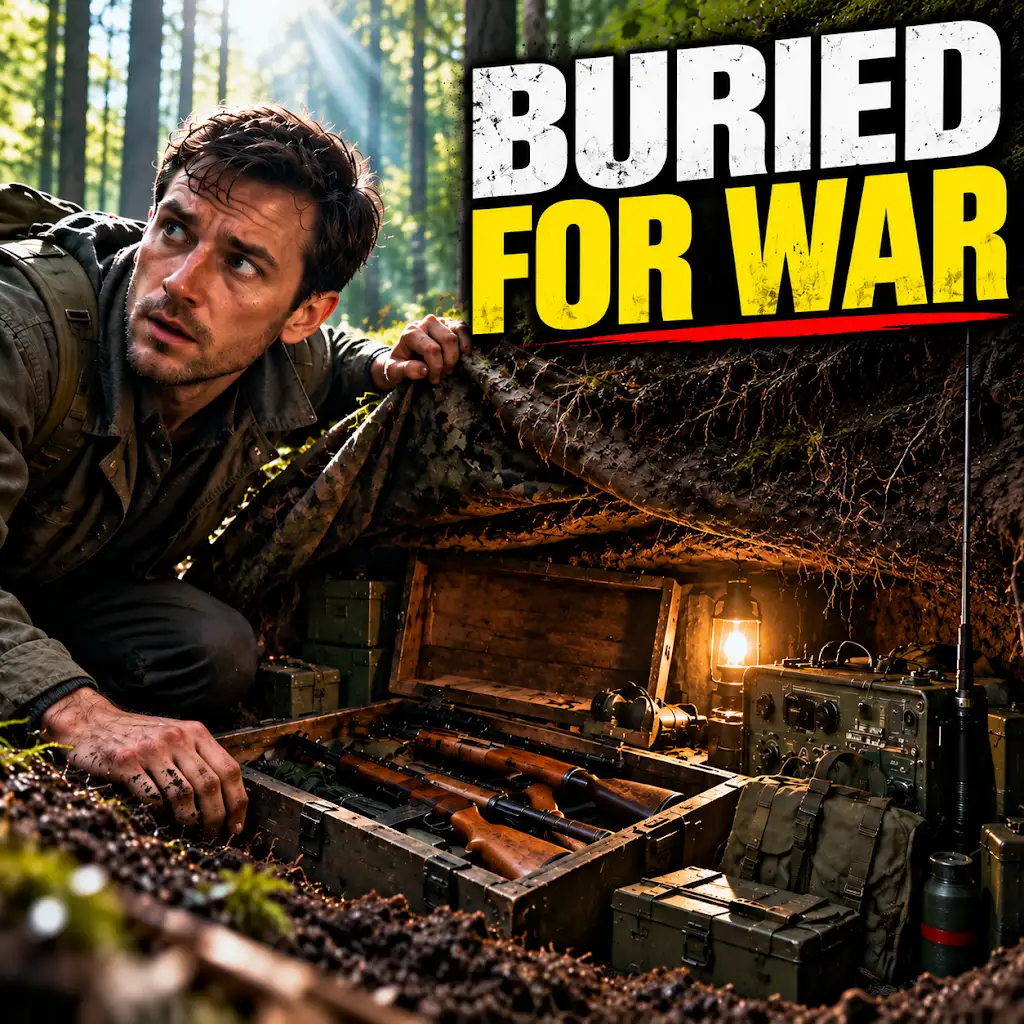
The Secret Armies NATO Prepared for a Soviet Invasion
FAQs
What was the role of the CIA and MI6 during the Cold War in Europe?
During the Cold War, the CIA and MI6 played a significant role in gathering intelligence, conducting covert operations, and supporting anti-communist movements in Europe. They worked to counter Soviet influence and espionage activities in the region.
Did the CIA and MI6 collaborate on operations in Cold War Europe?
Yes, the CIA and MI6 often collaborated on intelligence gathering and covert operations in Cold War Europe. This collaboration included sharing information, coordinating activities, and supporting each other’s efforts to counter Soviet influence in the region.
What were some of the key operations conducted by the CIA and MI6 in Cold War Europe?
Some of the key operations conducted by the CIA and MI6 in Cold War Europe included supporting anti-communist resistance movements, gathering intelligence on Soviet activities, and conducting propaganda campaigns to counter communist influence.
How did the CIA and MI6 impact the political landscape of Cold War Europe?
The CIA and MI6 played a significant role in shaping the political landscape of Cold War Europe by supporting anti-communist political movements, providing covert assistance to friendly governments, and conducting propaganda campaigns to promote Western ideals.
What was the legacy of the CIA and MI6’s activities in Cold War Europe?
The legacy of the CIA and MI6’s activities in Cold War Europe includes shaping the outcome of key political events, influencing the direction of anti-communist movements, and contributing to the overall geopolitical dynamics of the region during the Cold War.