The Cold War, a period defined by ideological conflict and proxy wars, was not solely waged on the grand stages of international diplomacy or on the battlefields of distant lands. Beneath the veneer of official pronouncements and military posturing lay a shadow war, a clandestine struggle conducted in the hushed tones of secret meetings, clandestine operations, and the unwavering defiance of those who dared to resist oppressive regimes. This was the realm of underground resistance, the silent, often invisible, force that challenged the dominance of superpowers and the ideologies they championed.
The genesis of underground resistance during the Cold War can be traced back to the very ideological fissures that fractured the post-World War II world. As the Soviet Union consolidated its influence over Eastern Europe and the United States asserted its dominance in the West, a deep chasm formed, breeding suspicion and animosity. In the Soviet sphere, the imposition of communist regimes, often through forceful means, stifled dissent and extinguished nascent democratic movements. Yet, the human spirit, inherently yearning for freedom and self-determination, proved remarkably resilient.
The Iron Curtain Descends: Suppressing Nationalist and Democratic Aspirations
Following the Yalta and Potsdam conferences, the division of Europe into Soviet and Western spheres of influence became starkly apparent. In countries like Poland, Czechoslovakia, Hungary, and East Germany, the communist parties, backed by Soviet power, systematically dismantled pre-existing political structures and suppressed any form of opposition.
The Betrayal of Yalta: Disillusionment in Eastern Europe
Many in Eastern Europe had harbored hopes of self-governance and democratic elections following the defeat of Nazi Germany. The Yalta Conference, however, signaled a different future, one where the geopolitical interests of the major Allied powers trumped the aspirations of smaller nations. This perceived betrayal fueled a deep-seated resentment that would simmer beneath the surface for decades.
The Velvet Glove and the Iron Fist: Coercion and Control
While the Soviet Union presented its expansion as the liberation of socialist ideals, the reality on the ground was far from it. Through a combination of political purges, economic dependence, and the pervasive presence of the secret police (such as the Stasi in East Germany or the Securitate in Romania), dissent was ruthlessly crushed. This created a fertile ground for the seeds of underground resistance to sprout, often in the most covert ways imaginable.
Western Echoes: Monitoring and Counter-Intelligence
In the West, the perceived threat of communist expansion fueled a parallel, though distinct, form of underground activity. This primarily manifested in intelligence gathering, counter-espionage, and the covert support of anti-communist movements. The CIA and other Western intelligence agencies engaged in a sophisticated web of operations, seeking to undermine Soviet influence and gather crucial information.
The Domino Theory: Fear of Global Communist Takeover
The widespread adoption of the “domino theory” in Western policy circles instilled a deep-seated fear that if one nation fell to communism, others would inevitably follow. This fear, while often exaggerated, provided a justification for extensive and often ethically questionable clandestine operations aimed at preventing such outcomes.
The Shadow of McCarthyism: Internal Security and Paranoia
Within the United States, the fear of communist infiltration led to the McCarthy era, a period of intense anti-communist suspicion and persecution. While not strictly “underground resistance,” this climate of paranoia and suspicion did drive some individuals and groups to operate outside of mainstream discourse, often with a focus on exposing perceived communist sympathizers or advocating for alternative political ideologies.
During the Cold War, various underground resistance movements emerged in response to oppressive regimes and foreign interventions, playing a crucial role in shaping the political landscape of the time. One notable example is the resistance in Eastern Europe, where citizens organized clandestine activities to oppose Soviet control. For a deeper understanding of these movements and their impact, you can read more in the article available at this link.
The Forms of Defiance: Tactics of the Unseen Warriors
The underground resistance during the Cold War was not a monolithic entity. Its members employed a diverse array of tactics, adapting their methods to the specific political climate, the level of oppression, and the resources available to them. From disseminating forbidden information to engaging in acts of sabotage, their defiance took many forms, each carrying its own inherent risks.
The Power of the Word: Samizdat and Dissident Literature
In societies where free speech was a distant memory, the dissemination of information became a potent weapon. “Samizdat,” a Russian term meaning “self-published,” became the lifeblood of intellectual resistance in the Soviet bloc. This involved the clandestine copying and distribution of banned books, essays, poems, and political tracts, often by hand or using primitive copying machines.
The Handwritten Chronicle: Passing Notes and Forbidden Texts
The act of physically passing a forbidden manuscript from hand to hand, often within the confines of a private apartment or a clandestine meeting, was an act of profound courage. These documents, painstakingly copied, represented a lifeline to truth and a challenge to the state-controlled narrative.
Radio Waves of Freedom: Underground Broadcasts and Foreign Support
Beyond samizdat, some resistance movements utilized clandestine radio broadcasts, often operating from hidden locations or receiving support from sympathetic foreign entities. These broadcasts, though often low-powered and short-lived, offered a beacon of hope and a voice of dissent to those who felt isolated and silenced.
Acts of Sabotage and Disruption: Undermining the System
While intellectual resistance was crucial, some factions of the underground took a more direct approach, engaging in acts of sabotage and disruption designed to cripple the infrastructure of oppressive regimes or sow discord amongst their supporters.
The Sabotaged Supply Line: Targeting Infrastructure
This could range from disrupting communication lines and damaging transportation networks to interfering with industrial production. The goal was not necessarily outright violence, but to create chaos and demonstrate the vulnerability of the state.
The Symbolic Gesture: Vandalism and Defiance
Acts of vandalism against state symbols, propaganda posters, or buildings associated with the regime also served as a form of symbolic resistance, demonstrating that the authority of the state was not absolute and that discontent was widespread.
Espionage and Intelligence Gathering: The Double Agents and the Informants
In the complex world of Cold War espionage, the lines between resistance and outright espionage often blurred. Individuals operating within oppressive regimes, driven by patriotism or ideological conviction, would gather intelligence and pass it on to opposing intelligence agencies.
The Sleeper Agent: Infiltrating the System
These “sleeper agents” could be individuals who had been recruited long before their active service, or those who became disillusioned with their governments and sought to betray them. Their work was fraught with peril, as discovery meant severe punishment or worse.
The Unwitting Informant and the Cultivated Source: The Human Network
Beyond formal agents, the underground also relied on a vast network of informants, sometimes cultivated through bribery, blackmail, or ideological persuasion. These individuals, often working in plain sight, provided invaluable insights into the workings of the state and the movements of its personnel.
Faces of Resistance: Key Movements and Figures

The Cold War witnessed numerous resistance movements, each with its unique history, motivations, and impact. While many operated in obscurity, some managed to achieve significant milestones, leaving an indelible mark on the struggle against totalitarianism.
The Hungarian Uprising of 1956: A Brief Flame of Freedom
The Hungarian Uprising of 1956 stands as a poignant testament to the yearning for freedom within the Soviet bloc. Sparked by student protests and evolving into a nationwide revolt, Hungarians bravely challenged Soviet dominance and the ruling communist party.
Imre Nagy’s Defiance: A Premier’s Stand
The decision of Prime Minister Imre Nagy to declare Hungary’s neutrality and withdraw from the Warsaw Pact was a bold act of defiance that electrified the world. His eventual capture and execution underscored the brutal reality of Soviet control.
The World Watches: International Indifference and Brutal Suppression
Despite widespread international sympathy, the West’s commitment to détente and its fear of direct confrontation with the Soviet Union meant that the uprising was ultimately crushed by Soviet tanks. The memory of this failed revolution, however, continued to inspire future generations.
The Prague Spring of 1968: Hope Dashed and Resilience Endured
Another significant moment of popular resistance occurred in Czechoslovakia with the Prague Spring of 1968. This period saw a liberalization of political and cultural policies, known as “socialism with a human face,” championed by Alexander Dubček.
Dubček’s Reforms: A Glimmer of Hope
The reforms aimed to grant greater freedoms, including freedom of the press and assembly, and reduce the pervasive influence of the secret police. This brief window of opportunity offered a tantalizing glimpse of a different future for the Eastern bloc.
The Warsaw Pact Invasion: The End of the Dream
The Soviet Union, fearing the erosion of its control, along with its allies, invaded Czechoslovakia in August 1968, brutally ending the Prague Spring. While the overt reforms were suppressed, the spirit of dissent and the desire for change continued to smolder beneath the surface.
The Polish Solidarity Movement: The Rise of a Mass Trade Union
Perhaps one of the most successful and impactful underground movements of the Cold War was the Solidarity (Solidarność) movement in Poland. Beginning as a series of strikes in 1980, led by Lech Wałęsa, Solidarity evolved into a powerful, independent trade union that challenged the authority of the Polish communist government.
Lech Wałęsa’s Leadership: A Symbol of Hope
Wałęsa, a shipyard worker, emerged as an iconic figure, embodying the aspirations of millions of Poles for freedom and better working conditions. His leadership, coupled with the immense popular support for Solidarity, proved to be a formidable force.
The Declaration of Martial Law: Temporary Setback, Ultimate Triumph
While the Polish government, under Soviet pressure, declared martial law in 1981, temporarily suppressing Solidarity, the movement’s spirit and organization endured underground. This persistent resistance, combined with external pressures, ultimately contributed to the eventual collapse of communism in Poland.
The Invisible Hand: Foreign Support and Covert Operations
The Cold War was a global struggle, and the various underground resistance movements often found themselves entangled with the covert operations of the superpowers. While some movements operated entirely independently, others received crucial, albeit often clandestine, support from external actors.
The CIA and the Spectre of Intervention: Funding and Training
The United States, through its Central Intelligence Agency (CIA), played a significant role in supporting anti-communist resistance groups in various parts of the world. This support could manifest in various ways, including financial aid, weapons, training, and intelligence sharing.
The Hungarian Uprising and CIA Involvement: A Complex Legacy
The extent of CIA involvement in the Hungarian Uprising remains a subject of historical debate. While overt intervention was avoided, there is evidence of covert radio broadcasts and some level of encouragement to the rebels, though direct material support was limited.
Supporting Dissidents in the East: A Long-Term Strategy
Beyond direct uprisings, the CIA and other Western intelligence agencies engaged in long-term strategies of supporting dissident groups and individuals within the Soviet bloc, providing them with resources and platforms to disseminate their ideas.
The KGB and its Counterparts: Suppressing and Manipulating Resistance
Conversely, the Soviet Union’s Komitet Gosudarstvennoy Bezopasnosti (KGB) and its counterparts in other Eastern bloc countries were instrumental in identifying, infiltrating, and suppressing any form of underground resistance.
Infiltration and Disinformation: The KGB’s Tactics
The KGB employed a sophisticated range of tactics, including widespread surveillance, the use of informants, disinformation campaigns, and the infiltration of resistance groups with their own agents. Their goal was not only to crush dissent but also to control the narrative and sow discord amongst potential rebels.
The Double Agent and the Provocateur: Undermining Trust
The KGB was adept at using double agents to betray resistance movements from within, and provocateurs to incite violent acts that could then be used to justify a crackdown. These methods created an atmosphere of deep suspicion and made it difficult for genuine resistance to flourish.
During the Cold War, various forms of underground resistance emerged as people sought to challenge oppressive regimes and fight for freedom. One compelling account of these movements can be found in an article that explores the intricate networks of resistance fighters who operated in secrecy. For a deeper understanding of these courageous efforts, you can read more about it in this insightful piece on underground resistance during the Cold War at In the War Room.
The Legacy of the Unseen: Enduring Impact and Lessons Learned
| Country | Number of underground resistance groups | Key activities |
|---|---|---|
| Poland | Over 100 | Covert communication, sabotage, intelligence gathering |
| Germany | Approximately 20 | Propaganda, sabotage, intelligence gathering |
| Hungary | Around 30 | Covert communication, sabotage, resistance against Soviet occupation |
| Czechoslovakia | Over 50 | Covert communication, sabotage, resistance against communist regime |
The underground resistance of the Cold War, though often overshadowed by the grand pronouncements of political leaders and the might of military arsenals, played a crucial role in shaping the course of history. Its legacy continues to resonate, offering valuable lessons about the resilience of the human spirit, the enduring power of ideals, and the constant struggle for freedom.
The Crumbling of Empires: A Contributory Factor to Soviet Collapse
While not the sole cause, the persistent underground resistance within the Soviet bloc was a significant contributing factor to the eventual collapse of the Soviet Union and its satellite states. The constant pressure, the erosion of legitimacy, and the dissemination of alternative ideas weakened the foundations of these regimes from within.
The Baltic States’ Path to Independence: A Long and Hard-Fought Struggle
The underground movements in the Baltic states of Estonia, Latvia, and Lithuania, which had been forcibly annexed by the Soviet Union, played a crucial role in maintaining their national identity and aspirations for independence. Their persistent defiance, often expressed through cultural resistance and human chain protests, ultimately contributed to their re-emergence on the world stage.
The Velvet Revolution: The Power of Peaceful Resistance
The “Velvet Revolution” in Czechoslovakia in 1989, which led to the peaceful overthrow of the communist regime, was a testament to the power of sustained, non-violent resistance. The seeds of this revolution had been sown by years of underground dissent and intellectual defiance.
The Global Struggle for Human Rights: A Continued Fight
The Cold War’s underground resistance movements served as precursors to many modern human rights movements. The courage and dedication of those who fought for freedom in the shadows provided a template and inspiration for future generations struggling against oppression and injustice worldwide.
The Right to Information: The Ongoing Battle for Truth
The samizdat literature of the Cold War echoes in today’s digital age, where the fight for access to uncensored information and the battle against misinformation remain critical. The lessons learned about the importance of independent media and the dissemination of truth are more relevant than ever.
The Perils of Totalitarianism: A Warning from History
The history of the Cold War’s underground resistance serves as a stark reminder of the dangers of totalitarianism and the importance of vigilance in protecting democratic values and individual freedoms. The stories of those who defied oppression, often at great personal cost, are a testament to the enduring power of the human spirit in its quest for liberty. The Cold War’s secret struggle, fought in the shadows and whispered in hushed tones, ultimately contributed to the dawn of a new era, one where the voices of the oppressed, once silenced, began to be heard.
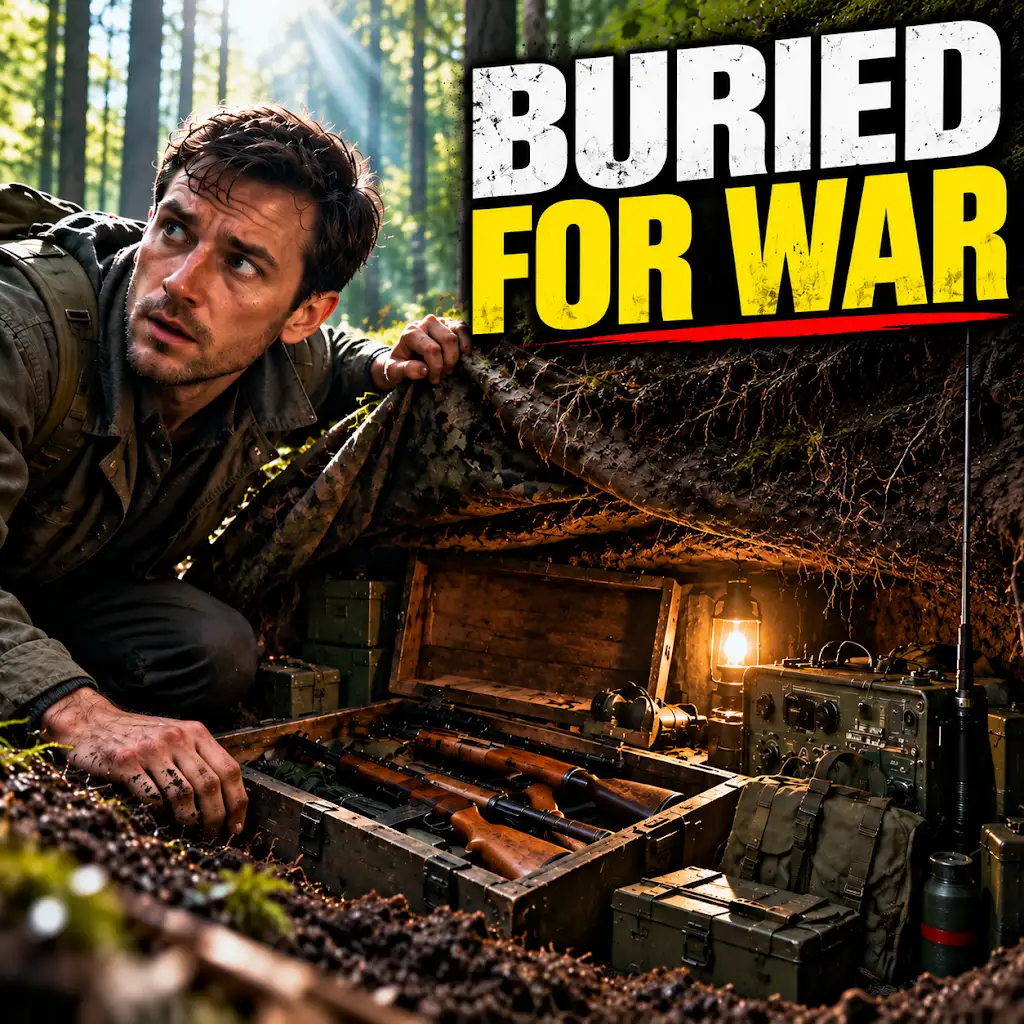
The Secret Armies NATO Prepared for a Soviet Invasion
FAQs
What was the underground resistance during the Cold War?
The underground resistance during the Cold War refers to the various covert and clandestine activities carried out by individuals and groups to resist the oppressive regimes and ideologies of the Soviet Union and its allies, as well as the United States and its allies. This resistance took many forms, including espionage, sabotage, propaganda, and civil disobedience.
Where did underground resistance movements operate during the Cold War?
Underground resistance movements operated in various countries that were under the influence or control of the Soviet Union and its allies, as well as in countries aligned with the United States and its allies. Some notable examples include the anti-Soviet resistance movements in Eastern Europe, such as the Polish Solidarity movement, and the anti-American resistance movements in countries like Cuba and Nicaragua.
What were the goals of underground resistance movements during the Cold War?
The goals of underground resistance movements during the Cold War varied depending on the specific circumstances and the ideologies of the groups involved. Generally, these movements sought to undermine and ultimately overthrow the oppressive regimes and ideologies that they opposed, and to promote freedom, democracy, and human rights.
What were some tactics used by underground resistance movements during the Cold War?
Underground resistance movements used a wide range of tactics to achieve their goals, including clandestine communication networks, acts of sabotage, propaganda campaigns, and acts of civil disobedience. These tactics were often carried out in secret and at great personal risk to the individuals involved.
What impact did underground resistance movements have on the outcome of the Cold War?
The impact of underground resistance movements on the outcome of the Cold War was significant, as they played a role in weakening and ultimately contributing to the downfall of oppressive regimes and ideologies. These movements also helped to inspire and mobilize broader movements for freedom and democracy, contributing to the eventual collapse of the Soviet Union and the spread of democratic values around the world.