Unveiling Operation Gladio: A Comprehensive Explanation
Operation Gladio, a name that whispers of shadowy dealings and clandestine operations, represents a complex and often misunderstood chapter in post-World War II European history. It was not a single, monolithic entity, but rather a network of secret, paramilitary organizations, often covertly supported by Western intelligence agencies, particularly the United States’ Central Intelligence Agency (CIA) and the United Kingdom’s Secret Intelligence Service (MI6), and often operating within the framework of NATO. The primary stated objective of these groups was to form a “stay-behind” resistance force capable of waging irregular warfare against a potential Soviet invasion of Western Europe. However, the legacy of Operation Gladio is far more convoluted, entangling it with domestic political manipulation, acts of terrorism, and accusations of state-sponsored violence that continue to cast a long shadow over the continent.
The origins of Operation Gladio are deeply rooted in the geopolitical anxieties of the nascent Cold War. The dramatic rise of the Soviet Union and the perceived threat of communist expansion across Europe in the immediate aftermath of World War II fueled a climate of intense fear and suspicion among Western governments. The Iron Curtain had descended, and the specter of Soviet tanks rolling across the plains of Western Europe was a tangible concern for many policymakers.
The Marshall Plan and Western European Reconstruction
Following the devastation of World War II, Europe was in a precarious state, both economically and politically. The Marshall Plan, officially the European Recovery Program, was a U.S.-led initiative to provide substantial economic aid to help rebuild Western European economies. While ostensibly an act of humanitarianism and economic foresight, it also served a crucial strategic purpose: to foster stable, prosperous democracies that would be less susceptible to communist ideology and influence. The economic recovery facilitated by the Marshall Plan was instrumental in strengthening Western European governments and their resolve against Soviet encroachment.
The Formation of NATO and Collective Security
The North Atlantic Treaty Organization (NATO) was established in 1949 as a military alliance designed to provide collective security against external aggression, primarily from the Soviet Union. NATO’s founding principle was that an attack on one member state would be considered an attack on all. This defensive pact created a united front and a framework for military cooperation among Western nations. Within this broader alliance, the seeds of clandestine resistance planning began to germinate, seeking to augment conventional military defenses with unconventional measures.
The Italian Connection: “Operation Gladiolus”
The term “Gladio” itself is derived from the Latin word for a short sword, symbolizing a clandestine weapon. The genesis of the operation can be traced back to Italy in the late 1940s and early 1950s. The Italian Communist Party (PCI) was a powerful political force, and Western intelligence agencies were deeply concerned about the possibility of it gaining power through democratic means. “Operation Gladiolus,” the Italian component of the broader Gladio network, was established with the objective of creating a resistance force that could operate behind enemy lines in the event of a Soviet invasion. This involved recruiting and training individuals, stockpiling weapons and supplies, and establishing covert communication networks. The underlying assumption was that if the Soviets successfully invaded, these hidden groups would emerge to disrupt and harass the occupying forces.
Operation Gladio, a covert NATO operation during the Cold War, has been the subject of much intrigue and speculation, particularly regarding its implications for modern geopolitics. For those looking to delve deeper into the complexities and historical context of this operation, a related article can be found at this link. This article provides a comprehensive overview of Operation Gladio, exploring its origins, objectives, and the controversies that have surrounded it over the years.
The Structure and Scope of the Gladio Network
Operation Gladio was not a single, centralized command. Instead, it comprised a decentralized network of national “stay-behind” organizations, each with its own specific structure, operational procedures, and levels of autonomy. While the overarching strategic direction and funding often emanated from NATO headquarters and allied intelligence agencies, the implementation and operational details were largely left to national security apparatuses.
National “Stay-Behind” Committees
The creation of national “stay-behind” committees was a common feature across many Western European countries. These committees, often composed of high-ranking military officers, intelligence officials, and government security personnel, were responsible for identifying potential recruits, establishing training programs, and managing clandestine logistical support. The secrecy surrounding these committees meant that their existence was, for the most part, unknown to the general public and even many elected officials.
Recruitment and Training of Operatives
The individuals recruited into Gladio organizations were diverse, ranging from former resistance fighters and military personnel to civilians with specific skills or perceived loyalty. Training programs varied but typically included guerrilla warfare tactics, sabotage, intelligence gathering, cryptography, and survival skills. The aim was to create a highly adaptable and resilient force capable of operating independently and effectively under extreme circumstances. Operatives were often sworn to secrecy and given pseudonyms, further obscuring their identities and affiliations.
Clandestine Supply Chains and Infrastructure
A critical aspect of Operation Gladio was the establishment of clandestine supply chains and hidden infrastructure. This involved the creation of secret arms caches, safe houses, and communication points across various countries. These resources were intended to be accessible to Gladio operatives in the event of a Soviet invasion, allowing them to sustain their operations without relying on conventional logistical networks, which would likely be compromised. The maintenance of this infrastructure required significant financial resources and careful planning to avoid detection.
The Unveiling of Gladio: Public Revelation and Controversy
For decades, Operation Gladio remained a well-guarded secret, known only to a select few within government and intelligence circles. However, the veil of secrecy began to lift in the late 1980s, triggered by a series of investigations and public revelations, particularly in Italy. These disclosures ignited widespread controversy and led to a reassessment of the operation’s true nature and impact.
The Italian Parliamentary Commission of Inquiry
In Italy, the political landscape in the late 20th century was marked by a period of intense political instability and acts of terrorism, often referred to as the “Years of Lead” (Anni di piombo). In 1985, the Italian government, under pressure from investigations into past terrorist attacks, officially acknowledged the existence of “Gladio.” This acknowledgment was followed by a parliamentary commission of inquiry in 1990, which sought to uncover the full extent of the operation and its connections to domestic political events. The commission’s findings provided a crucial, albeit often contested, insight into Gladio’s activities.
Investigations in Other European Countries
Following the Italian revelations, similar investigations and public debates began to emerge in other European countries where Gladio networks were suspected to exist, including Belgium, Switzerland, France, and Germany. These investigations aimed to ascertain whether similar “stay-behind” organizations were present and active in their territories, and if so, what their objectives and methods were. The inquiries often faced significant resistance from governments and intelligence agencies, which were reluctant to declassify sensitive information.
Accusations of “Strategy of Tension”
One of the most damning accusations leveled against Operation Gladio and its alleged operatives is their involvement in a “strategy of tension.” This theory posits that clandestine groups, operating with the tacit or explicit support of state actors, deliberately orchestrated terrorist attacks and acts of violence to destabilize governments, sow public fear, and create a pretext for increased state control or a shift in political direction. In Italy, for instance, Gladio has been implicated in bombings and other acts of political violence that occurred during the “Years of Lead,” with some suggesting these events were designed to discredit left-wing political movements and prevent them from gaining power.
The Darker Side of Gladio: Terrorism and Political Manipulation
While the stated purpose of Operation Gladio was defensive—to counter a potential Soviet invasion—the reality of its operations, particularly concerning its alleged involvement in domestic political affairs and acts of terrorism, paints a far more disturbing picture. The lines between legitimate defense planning and illicit interference in democratic processes appear to have blurred considerably.
Involvement in False-Flag Operations
A central tenet of the “strategy of tension” theory is the concept of “false-flag operations,” where attacks are carried out by one group but are designed to be blamed on another. Critics of Gladio argue that certain terrorist attacks in Europe were intentionally carried out by clandestine Gladio elements or individuals trained by them, with the intention of framing communist or anarchist groups. This would serve to demonize political opponents and justify crackdowns on dissent, thereby bolstering the authority of pro-Western governments.
The Bologna Bombing and Other Incidents
The 1980 Bologna train station bombing in Italy, which killed 85 people and injured over 200, is perhaps the most infamous event linked to allegations of Gladio involvement. While the Italian judiciary eventually convicted neo-fascist militants for the bombing, subsequent investigations and parliamentary reports have raised questions about the involvement of secret services and clandestine networks in covering up the full truth or even orchestrating the event. Similar allegations have been made regarding other bombings and violent incidents across Europe during the Cold War.
Undermining Democratic Processes
Beyond direct acts of violence, Gladio is accused of playing a role in undermining democratic processes through intelligence gathering, disinformation campaigns, and the covert support of political factions sympathetic to its objectives. The secrecy surrounding its operations made it a potent tool for influencing political discourse and elections without public knowledge or accountability. This raises profound questions about the integrity of democratic institutions in countries where Gladio networks were active.
Operation Gladio, a covert NATO project during the Cold War, has sparked numerous discussions about its implications and the secretive nature of its operations. For those interested in a deeper understanding of this controversial topic, a related article can provide valuable insights into the historical context and the impact of such clandestine activities. You can explore more about this intriguing subject in the article found here, which delves into the complexities surrounding Operation Gladio and its legacy.
The Legacy and Enduring Questions of Operation Gladio
| Operation Gladio Explained | |
|---|---|
| Operation Gladio | Covert operation in Europe during the Cold War |
| Objective | To counter potential Soviet invasion |
| Activities | Secret paramilitary groups, sabotage, intelligence gathering |
| Controversy | Accusations of involvement in false flag operations and political manipulation |
| Exposure | Revealed by Italian Prime Minister in 1990s |
The revelations about Operation Gladio have left an indelible mark on the collective memory of post-war Europe, raising profound questions about state secrecy, accountability, and the ethical boundaries of intelligence operations. While the explicit Gladio networks, as they existed during the Cold War, are largely considered to have been dismantled or transformed, the lessons learned and the controversies surrounding them continue to resonate.
The Dissolution or Transformation of Gladio Networks
With the end of the Cold War and the collapse of the Soviet Union, the primary justification for the existence of Gladio networks—a Soviet invasion of Western Europe—vanished. This led to the formal disbandment or significant restructuring of many of these organizations. However, the exact nature of their dissolution and whether all vestiges of their infrastructure and influence have been eradicated remain subjects of debate and speculation. Some argue that elements may have been absorbed into other intelligence activities or that their operational methodologies could have been adapted for new purposes.
The Challenge of Historical Accountability
One of the greatest challenges stemming from Operation Gladio is the difficulty in achieving full historical accountability. The inherent secrecy of these operations, coupled with the deliberate obfuscation and destruction of evidence by some state actors, has made it exceedingly difficult to definitively link individuals and organizations to specific crimes or acts of political manipulation. The fragmented nature of the evidence and the conflicting accounts from various sources contribute to the enduring mystery and controversy surrounding Gladio.
The Enduring Debate on State Secrecy and Oversight
Operation Gladio serves as a stark reminder of the potential dangers inherent in unchecked state secrecy and clandestine operations. It has fueled ongoing debates about the necessity of robust oversight mechanisms for intelligence agencies, the importance of transparency in government, and the ethical considerations that must guide the actions of security services. The legacy of Gladio compels societies to continually question the balance between national security and democratic accountability, ensuring that the tools employed for protection do not themselves become instruments of oppression or subversion. The shadow of Operation Gladio continues to provoke discussion, demanding a critical examination of historical events and a vigilance against the recurrence of such clandestine endeavors that operate beyond the purview of democratic scrutiny.
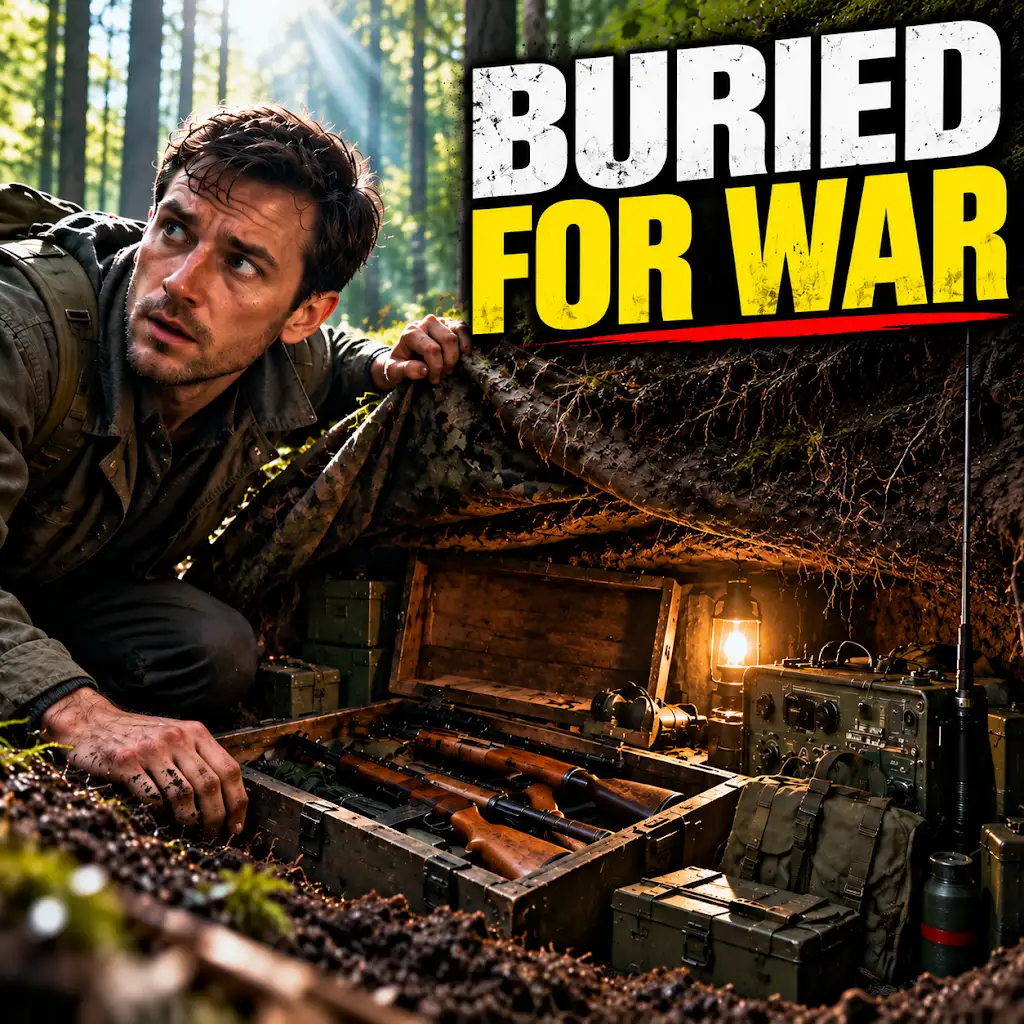
The Secret Armies NATO Prepared for a Soviet Invasion
FAQs
What is Operation Gladio?
Operation Gladio was a clandestine NATO operation that was established after World War II to counter potential Soviet invasion of Western Europe. It involved the creation of secret “stay-behind” armies in several European countries, with the purpose of conducting guerrilla warfare in the event of a Soviet invasion.
When was Operation Gladio established?
Operation Gladio was established in 1952 by the Western Union Clandestine Committee (WUCC), which later became part of NATO. The operation continued to operate throughout the Cold War era and was officially disbanded in 1990.
What were the activities of Operation Gladio?
The activities of Operation Gladio included the training of secret paramilitary units, stockpiling of weapons and supplies, and establishing communication networks. These units were intended to operate behind enemy lines in the event of a Soviet invasion, carrying out sabotage, intelligence gathering, and guerrilla warfare.
What were the controversies surrounding Operation Gladio?
Operation Gladio became the subject of controversy when it was revealed that some of the secret stay-behind armies had been involved in domestic political activities, including acts of terrorism and subversion. This led to allegations of collusion between these units and various political and intelligence agencies.
What is the legacy of Operation Gladio?
The legacy of Operation Gladio includes ongoing debates about the extent of its involvement in domestic political activities, as well as its impact on European history during the Cold War era. The operation also raised questions about the balance between national security and democratic governance.