NATO’s Secret Armies: Ensuring Security and Defense
The public face of the North Atlantic Treaty Organization (NATO) is well-known: a robust alliance of sovereign nations pooling their military might to deter aggression and defend their collective security. However, beneath this overt structure lies a less visible but equally crucial layer of operations and capabilities – often referred to as “NATO’s Secret Armies.” These are not clandestine formations in the traditional sense of secret societies, but rather specialized units, advanced intelligence gathering apparatuses, and highly trained forces operating with a degree of discretion to address threats that often demand swift, precise, and deniable responses. This article delves into these multifaceted components of NATO’s security architecture, exploring their origins, mandates, and the indispensable role they play in ensuring the defense of member states in an increasingly complex global landscape.
The genesis of NATO’s less visible security mechanisms can be traced back to the early days of the Cold War. The existential threat posed by the Soviet Union necessitated not only overt military deterrence but also the development of capabilities to counter espionage, subversion, and the potential for unconventional warfare. This period saw the establishment of intelligence-sharing agreements and the early formation of specialized units designed to operate outside the traditional battlefield.
Early Intelligence Sharing and Cooperation
Even before the formal establishment of NATO in 1949, discussions about intelligence cooperation among potential member states were underway. The shared understanding of Soviet intentions fostered a nascent environment for the exchange of sensitive information, laying the groundwork for more formal structures.
The Brussels Treaty Organization and its Intelligence Role
Prior to NATO, the Brussels Treaty Organization (BTO), a precursor security alliance, initiated discussions on intelligence cooperation. This early phase recognized the need for a coordinated approach to understanding and countering potential threats.
The Formation of NATO and Enhanced Intelligence Requirements
With the advent of NATO, the need for a more integrated and robust intelligence framework became paramount. The alliance recognized that effective defense required a deep understanding of adversary capabilities, intentions, and plans, often obtained through covert means.
The Shadow of the Cold War: Stay-Behind Networks
Perhaps the most historically significant and often sensationalized aspect of NATO’s “secret armies” during the Cold War were the “stay-behind” networks, sometimes referred to as Operation Gladio. These were clandestine paramilitary organizations established by various NATO member governments, ostensibly to resist a Soviet invasion and occupation.
The Mandate of Stay-Behind Networks
The primary objective of these networks was to organize resistance behind enemy lines in the event of a Warsaw Pact invasion. This involved stockpiling weapons, establishing communication channels, and training cadres of individuals who would be activated in such a scenario.
The Controversial Legacy and Public Perception
While the existence of these networks was acknowledged by some governments decades later, their operations, and the extent of their involvement in internal political affairs, remain subjects of intense debate and historical scrutiny. Allegations of involvement in domestic terrorism and political manipulation have cast a long shadow over their legacy.
The necessity for NATO to establish secret armies during the Cold War era is a topic that has garnered significant attention, particularly in light of the geopolitical tensions of the time. An insightful article that delves deeper into this subject can be found at In The War Room, where it explores the strategic motivations behind these clandestine operations and their implications for international security. Understanding the context and rationale for such measures is crucial for comprehending NATO’s broader defense strategies during a period marked by uncertainty and rivalry.
Modern Manifestations: Evolving Threats and Specialized Forces
The end of the Cold War did not diminish the need for specialized and often discreet security operations. The rise of new threats – terrorism, cyber warfare, hybrid warfare, and the proliferation of advanced technologies – has led to the evolution and adaptation of NATO’s covert capabilities. Today, “NATO’s Secret Armies” encompasses a broader spectrum of specialized units and intelligence-gathering entities.
Special Operations Forces (SOF)
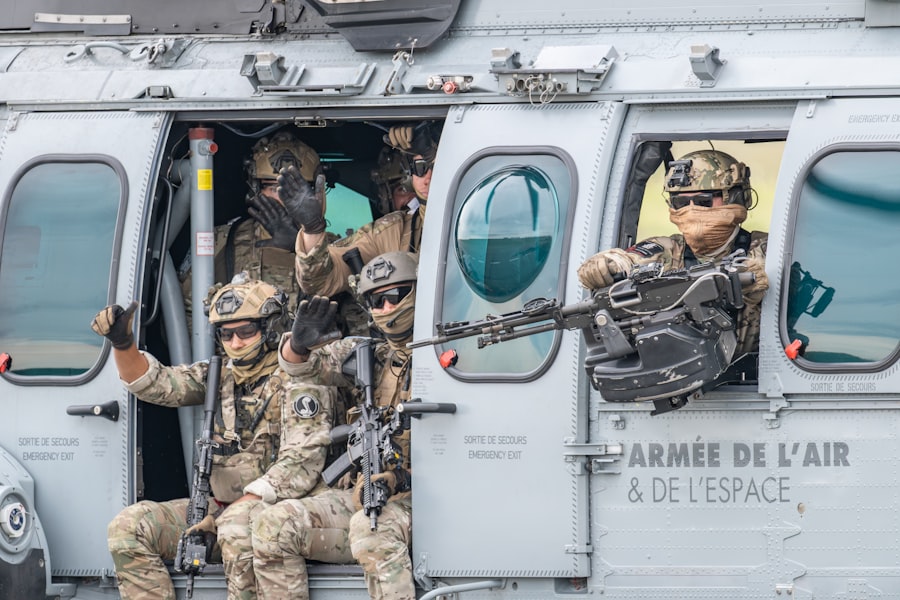
NATO’s Special Operations Forces are highly trained and exceptionally capable units designed to conduct a wide range of sensitive and high-risk missions. These units are often deployed discreetly, operating in small teams to achieve specific objectives that conventional forces cannot.
National SOF with NATO Integration
While most SOF units remain under national command, they are increasingly integrated into NATO planning and operations. This allows for a coordinated response to common threats and enables the deployment of specialized skills where needed.
NATO Response Force (NRF) SOF Components
The NATO Response Force, a high-readiness joint force, includes specialized SOF components that can be rapidly deployed to crisis zones for various missions, including counter-terrorism, hostage rescue, and intelligence gathering.
Training and Interoperability Exercises
Regular joint training exercises, such as “Steadfast Noon” (air-to-air refueling) and numerous SOF-specific exercises, are crucial for ensuring the interoperability and effectiveness of these diverse units operating under a NATO umbrella. These exercises often involve simulations of highly sensitive operational environments.
Intelligence, Surveillance, and Reconnaissance (ISR) Capabilities
Effective defense in the 21st century relies heavily on advanced ISR capabilities. NATO possesses sophisticated systems and human intelligence networks that provide real-time situational awareness and threat assessment, often operating with a degree of secrecy.
Satellite and Aerial Reconnaissance
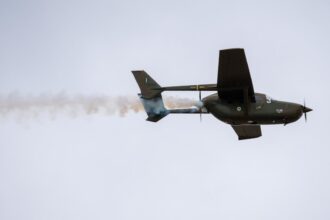
NATO member nations operate a range of advanced satellite systems and unmanned aerial vehicles (UAVs) that gather intelligence from afar. These assets are vital for monitoring military movements, identifying potential threats, and providing critical intelligence for operational planning.
Human Intelligence (HUMINT) and SIGINT
The collection of human intelligence through clandestine sources and signals intelligence (SIGINT) through intercepted communications are crucial components of NATO’s intelligence apparatus. These efforts often involve highly trained operatives working in challenging environments.
The role of the NATO Intelligence Fusion Centre (NIFC)
The NIFC, located at RAF Molesworth in the UK, plays a vital role in processing and disseminating intelligence from various sources to support NATO decision-making and operations. It acts as a central hub for intelligence fusion and analysis.
Cyber Warfare and Information Operations
The digital domain has become a critical battlefield, and NATO has invested heavily in developing capabilities to defend against and, if necessary, conduct cyber operations. Information operations, aimed at influencing perceptions and narratives, are also a key component of modern security.
NATO Cooperative Cyber Defence Centre of Excellence (CCDCOE)
Based in Estonia, the CCDCOE is a NATO-accredited research and development institution that focuses on cyber defense, research, training, and exercises. It contributes significantly to NATO’s understanding and capabilities in the cyber realm.
Offensive Cyber Capabilities
While NATO’s public stance emphasizes defensive cyber operations, it is widely understood that member nations possess and develop offensive cyber capabilities for strategic purposes, often operating under national authorities but in coordination with NATO objectives.
Countering Disinformation and Propaganda
NATO is actively engaged in countering disinformation and propaganda campaigns orchestrated by adversaries. This involves intelligence gathering, analysis, and coordinated communication strategies to protect the integrity of information and public discourse.
The Framework: Command Structures and Coordination
While the units and capabilities might operate with a degree of discretion, their integration into NATO’s broader security framework is paramount for effective collective defense. This involves clear command structures, robust coordination mechanisms, and well-defined legal and ethical guidelines.
Allied Command Operations (ACO) and Allied Command Transformation (ACT)
These two strategic commands form the backbone of NATO’s military structure. ACO is responsible for conducting NATO operations, while ACT is tasked with leading the transformation of NATO’s military capabilities to meet future challenges. Both play a role in integrating specialized forces.
The role of ACO in coordinating deployed forces
ACO oversees the planning and execution of all NATO military operations, ensuring that specialized units and capabilities are deployed effectively and in coordination with conventional forces.
ACT’s focus on future capabilities and innovation
ACT is instrumental in identifying emerging threats and developing the future military capabilities needed to counter them, including advancements in cyber, intelligence, and special operations.
The Joint Intelligence Operations Centre (JIOC)
The JIOC, part of ACO, plays a critical role in processing and disseminating intelligence to support NATO operations. It acts as a vital link between intelligence sources and operational commanders, ensuring that timely and accurate intelligence informs decision-making.
Intelligence fusion and dissemination
The JIOC is responsible for fusing intelligence from various sources – human, signals, imagery, and open-source – to provide a comprehensive operational picture for commanders.
Support to operational planning and execution
The intelligence provided by the JIOC is crucial for all phases of military operations, from initial planning to real-time support during execution.
National Intelligence Agencies and NATO Liaison
Despite the alliance structure, the primary intelligence-gathering and operational authority often rests with individual member states’ national intelligence agencies. However, robust liaison mechanisms ensure seamless cooperation and information sharing within the NATO framework.
Bilateral and multilateral intelligence sharing agreements
Extensive bilateral and multilateral agreements facilitate the exchange of intelligence between member nations, forming the bedrock of NATO’s collective understanding of threats.
Dedicated NATO liaison officers
Liaison officers from national intelligence agencies are often embedded within NATO structures to facilitate communication and ensure the smooth flow of information.
The Purpose: Deterrence, Defense, and Crisis Management

The ultimate objective of NATO’s “secret armies” is to bolster the alliance’s ability to deter aggression, defend its members, and manage crises effectively. These specialized capabilities provide NATO with options that may not be available to conventional forces, enhancing its overall strategic posture.
Enhanced Deterrence Posture
The existence of specialized, agile, and highly capable units, operating with a degree of discretion, contributes to a more robust deterrence posture. Adversaries are aware that NATO possesses the means to respond effectively to a wide range of threats, both overt and covert.
The element of surprise and deniability
The ability to deploy specialized forces discreetly can provide a crucial element of surprise, while a degree of deniability can be strategically advantageous in certain scenarios.
Projecting power and influence
These forces can be used to project power and influence in a subtle yet effective manner, shaping the security environment without resorting to overt military escalation.
Advanced Defense Capabilities
In the event of conflict, these specialized forces provide advanced defense capabilities, complementing the efforts of conventional militaries. They can conduct critical missions such as reconnaissance behind enemy lines, disruption of enemy operations, and the protection of vital assets.
Counter-terrorism operations
NATO’s SOF are at the forefront of counter-terrorism efforts, conducting operations to disrupt terrorist networks and prevent attacks against member states.
Hostage rescue and special recovery missions
The ability to conduct complex hostage rescue operations and special recovery missions is a critical component of these specialized capabilities.
Crisis Response and Stability Operations
In situations of escalating tension or outright crisis, NATO’s specialized forces can be rapidly deployed to support a range of missions, including stabilization operations, humanitarian assistance in complex environments, and the protection of critical infrastructure.
Rapid deployment to hotspots
The high readiness of SOF and other specialized units allows for rapid deployment to emerging hotspots, providing an immediate response capability.
Supporting civilian authorities
These forces can also be employed to support civilian authorities in complex security environments, assisting in maintaining order and facilitating the delivery of essential services.
The establishment of secret armies by NATO during the Cold War was a strategic response to the threat of Soviet expansionism and the need for covert operations in various regions. These clandestine forces were designed to operate in the shadows, providing a counterbalance to potential invasions and ensuring that NATO could maintain a degree of plausible deniability. For a deeper understanding of the motivations behind these secretive initiatives, you can explore a related article that delves into the complexities of NATO’s covert operations and their implications for global security. This insightful piece can be found here.
The Future: Adapting to Emerging Threats
| Reasons for NATO’s Secret Armies | Metrics |
|---|---|
| Counter Soviet Invasion | Number of Soviet troops stationed near NATO borders |
| Guerrilla Warfare Tactics | Training hours for NATO operatives in unconventional warfare |
| Covert Operations | Number of successful covert missions carried out by NATO secret armies |
| Deniable Plausible Deniability | Instances where NATO denied involvement in specific operations |
| Strategic Defense | Effectiveness of secret armies in deterring potential aggressors |
The landscape of global security is constantly evolving, and NATO’s “secret armies” must continue to adapt to remain effective. Emerging threats, such as the increasing sophistication of cyber warfare, the potential for artificial intelligence in military applications, and the challenges of hybrid warfare, will demand ongoing innovation and adaptation.
The Rise of Artificial Intelligence and Autonomous Systems
The integration of AI and autonomous systems into military operations presents both opportunities and challenges. NATO is investing in research and development to understand and leverage these technologies for intelligence gathering, surveillance, and potentially even operational tasks, while also considering the ethical implications.
AI-powered intelligence analysis
AI can significantly enhance the speed and accuracy of intelligence analysis, allowing for the processing of vast amounts of data to identify patterns and potential threats.
Autonomous platforms for reconnaissance and surveillance
Autonomous drones and other unmanned systems can conduct long-duration reconnaissance and surveillance missions in contested or dangerous environments.
Countering Hybrid Warfare and Disinformation
Hybrid warfare, characterized by a combination of conventional and unconventional tactics, including cyber attacks, disinformation campaigns, and economic coercion, poses a significant challenge. NATO’s specialized capabilities are crucial for countering these multifaceted threats.
Integrated intelligence for a multi-domain approach
Combating hybrid threats requires an integrated approach that blends intelligence from all domains – cyber, information, and kinetic – to understand the full scope of an adversary’s actions.
Proactive information warfare
NATO is increasingly focusing on proactive information warfare strategies to counter disinformation and shape narratives in its favor, protecting the integrity of democratic discourse.
The Importance of Secrecy and Accountability
While the operations of these specialized forces are often conducted with a degree of secrecy, there is a constant tension with the need for accountability. Robust oversight mechanisms, ethical guidelines, and legal frameworks are essential to ensure that these powerful capabilities are used responsibly and in accordance with international law.
Maintaining operational security while ensuring oversight
Finding the right balance between maintaining the operational security necessary for effective covert operations and ensuring sufficient oversight by elected officials and legal bodies is a continuous challenge.
Ethical considerations in a rapidly evolving technological landscape
As technology advances, so too do the ethical considerations surrounding the use of force and intelligence gathering. NATO is committed to upholding ethical principles and international law in all its operations.
In conclusion, NATO’s “Secret Armies” are not a monolithic entity but rather a complex tapestry of specialized units, advanced intelligence capabilities, and sophisticated operational frameworks. They represent NATO’s commitment to ensuring security and defense by adapting to the evolving nature of threats. While operating with a necessary degree of discretion, their ultimate purpose is to safeguard the freedom and security of over one billion citizens across the North Atlantic region. Their continued evolution and adaptation will be critical in navigating the complex security challenges of the 21st century.

The Secret Armies NATO Prepared for a Soviet Invasion
FAQs
What is NATO?
NATO, or the North Atlantic Treaty Organization, is an intergovernmental military alliance between 30 North American and European countries. It was established in 1949 to provide collective defense against aggression and to promote stability in the North Atlantic area.
What are secret armies in the context of NATO?
Secret armies, also known as “stay-behind” networks, were clandestine military and paramilitary organizations established in several NATO member countries during the Cold War. They were intended to conduct guerrilla warfare in the event of a Soviet invasion and occupation of Western Europe.
Why did NATO feel the need for secret armies?
NATO felt the need for secret armies due to the perceived threat of a Soviet invasion and occupation of Western Europe during the Cold War. The secret armies were seen as a way to resist and undermine potential Soviet aggression and occupation through clandestine operations.
How were the secret armies organized and operated?
The secret armies were organized and operated with the support and coordination of NATO’s clandestine intelligence and operations branch. They were typically composed of local operatives who were trained, armed, and funded by NATO and its member countries.
What is the legacy of NATO’s secret armies?
The legacy of NATO’s secret armies is a subject of controversy and debate. While some argue that they served as a necessary deterrent during the Cold War, others criticize them for their lack of democratic oversight and their involvement in controversial activities, such as political manipulation and covert operations.