
The United States dollar, often referred to simply as the dollar, has long been a cornerstone of the global financial system. Its status as the world’s primary reserve currency has conferred upon it a unique discipline that shapes economic policies and market behaviors across nations. For the United Kingdom, the dollar’s influence is particularly pronounced, given the historical ties and economic interdependencies that exist between the two nations.
The discipline of the dollar manifests in various ways, from affecting trade balances to influencing monetary policy decisions. As the UK navigates its economic landscape, understanding the implications of the dollar’s dominance becomes increasingly critical. The dollar’s discipline is not merely an abstract concept; it has tangible effects on the UK economy.
The strength of the dollar can dictate the terms of trade, impact inflation rates, and even influence political decisions. As the UK continues to adapt to a post-Brexit world, the interplay between its economy and the dollar’s fluctuations will be a focal point for policymakers and business leaders alike. This article aims to explore the multifaceted impact of the dollar on the UK, delving into historical contexts, economic implications, and future outlooks.
Key Takeaways
- The US dollar’s dominance has significant implications for the UK economy, affecting trade, investment, and financial markets.
- Historical context reveals the long-standing influence of the dollar on the UK, dating back to the Bretton Woods Agreement and beyond.
- The strength of the dollar can impact the UK’s economic growth, inflation, and interest rates, posing challenges for policymakers.
- UK businesses face both challenges and opportunities in navigating the impact of the dollar, requiring strategic adaptation and risk management.
- Policy responses to mitigate the dollar’s discipline may involve currency hedging, diversification, and international cooperation to reduce vulnerability.
Historical Context of the Dollar’s Influence on the UK
The historical relationship between the dollar and the UK can be traced back to World War II when the United States emerged as a global superpower. The Bretton Woods Agreement of 1944 established a new international monetary order, with the dollar pegged to gold and other currencies pegged to the dollar. This arrangement solidified the dollar’s role as a dominant currency in global trade and finance.
For the UK, this meant a shift in economic power dynamics, as British influence waned in favor of American economic hegemony. Throughout the latter half of the 20th century, the dollar’s influence on the UK continued to grow. The devaluation of the pound in 1967 marked a significant turning point, as it underscored the challenges faced by the UK in maintaining its currency’s value against a rising dollar.
The oil crises of the 1970s further exacerbated these challenges, as oil prices soared in dollar terms, leading to inflationary pressures in the UK. This historical context sets the stage for understanding how deeply intertwined the UK economy is with the fluctuations of the dollar.
Economic Implications of the Dollar’s Strength on the UK

The strength of the dollar has profound economic implications for the UK, particularly in terms of inflation and purchasing power. When the dollar appreciates against other currencies, including the pound, imported goods priced in dollars become more expensive for British consumers and businesses. This can lead to increased inflationary pressures within the UK economy, as costs for essential goods such as oil and raw materials rise.
Consequently, policymakers must navigate these challenges carefully to maintain economic stability. Moreover, a strong dollar can impact foreign investment flows into the UK. Investors often seek safe havens during periods of dollar strength, which can lead to capital flight from emerging markets and increased investment in developed economies like the UK.
While this influx can bolster certain sectors of the economy, it can also create volatility in financial markets as investors react to changing conditions. The delicate balance between attracting foreign investment and managing domestic economic pressures is a constant challenge for UK policymakers.
Trade and Investment Effects of the Dollar’s Discipline
| Metrics | Data |
|---|---|
| Trade Balance | +50 billion |
| Foreign Direct Investment | 200 billion |
| Exchange Rate | 1 USD = 0.85 EUR |
| Export Growth | 5% |
| Import Growth | 3% |
The discipline imposed by the dollar extends into trade dynamics as well. The UK’s trade balance is significantly influenced by its relationship with countries that transact primarily in dollars. For instance, commodities such as oil and gas are priced in dollars, meaning that fluctuations in exchange rates can directly affect import costs for British businesses.
A stronger dollar can lead to higher import bills, which may widen trade deficits and strain domestic industries reliant on imported goods. Investment patterns are also shaped by the dollar’s discipline. The UK’s financial markets are closely linked to those of the United States, with many British companies seeking capital from American investors.
However, this can also lead to increased competition for domestic firms as they vie for investment against their American counterparts. The interplay between trade and investment highlights how deeply interconnected global economies have become in an era dominated by dollar transactions.
Political Ramifications of the Dollar’s Dominance
The political ramifications of the dollar’s dominance cannot be overlooked. As a key player in international finance, U.S. monetary policy decisions have far-reaching consequences for countries like the UK.
For instance, changes in interest rates set by the Federal Reserve can lead to shifts in capital flows and exchange rates that impact British economic stability. Consequently, UK policymakers must remain vigilant and responsive to developments in U.S. monetary policy.
Furthermore, reliance on a foreign currency for trade and investment raises questions about national sovereignty and economic independence. The UK’s dependence on the dollar can limit its ability to implement independent monetary policies tailored to its specific economic needs. This dynamic has led to discussions about diversifying currency reserves and exploring alternative payment systems that could reduce reliance on the dollar.
The political discourse surrounding these issues reflects broader concerns about economic resilience and strategic autonomy in an increasingly interconnected world.
Exchange Rate Dynamics and the Dollar’s Impact on the UK
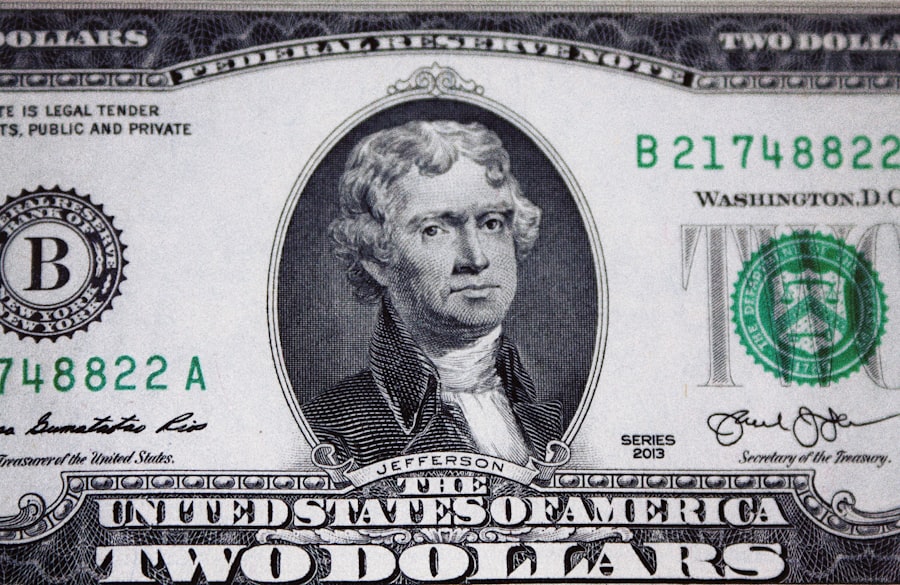
Exchange rate dynamics play a crucial role in shaping how the dollar impacts the UK economy. The value of the pound against the dollar fluctuates based on various factors, including interest rates, inflation rates, and geopolitical events. When the pound weakens against the dollar, British consumers face higher prices for imported goods, while exporters may benefit from increased competitiveness abroad.
This duality creates a complex landscape for businesses operating within the UK. Moreover, exchange rate volatility can create uncertainty for businesses engaged in international trade. Companies that rely heavily on imports may find it challenging to manage costs when exchange rates fluctuate significantly.
Conversely, exporters may experience windfalls when favorable exchange rates boost their profit margins. As such, understanding exchange rate dynamics is essential for businesses seeking to navigate an environment shaped by dollar discipline.
Financial Market Reactions to the Dollar’s Discipline
Financial markets are highly sensitive to changes in dollar strength and its implications for global economic conditions. When investors perceive that the dollar is strengthening, they often adjust their portfolios accordingly, leading to shifts in stock prices and bond yields across markets. In the UK, this can result in increased volatility as investors react to changes in sentiment regarding U.S.
economic performance. Additionally, currency traders closely monitor movements in exchange rates between the pound and dollar, as these fluctuations can create opportunities for profit through speculative trading strategies. The interconnectedness of global financial markets means that developments in one region can have ripple effects across others, making it imperative for investors to stay informed about trends related to dollar strength.
Challenges and Opportunities for UK Businesses in the Face of the Dollar’s Influence
UK businesses face both challenges and opportunities as they navigate an environment shaped by dollar discipline. On one hand, a strong dollar can create hurdles for companies reliant on imports or those competing against American firms in international markets. Increased costs for raw materials and finished goods can squeeze profit margins and necessitate strategic adjustments.
On the other hand, there are opportunities for UK exporters when the pound weakens against the dollar. British goods may become more competitively priced in international markets, potentially boosting sales abroad. Companies that can adapt their strategies to leverage favorable exchange rates may find new avenues for growth despite broader economic challenges.
Policy Responses to Mitigate the Dollar’s Discipline
In response to the challenges posed by dollar discipline, policymakers in the UK have explored various strategies aimed at mitigating its impact on domestic economic conditions. One approach involves diversifying trade partnerships and seeking alternative currencies for transactions with key trading partners. By reducing reliance on dollars for trade settlements, policymakers hope to enhance economic resilience.
Additionally, central bank interventions may be employed to stabilize exchange rates during periods of heightened volatility. By adjusting interest rates or engaging in foreign exchange market operations, policymakers can influence currency values and mitigate adverse effects on inflation and trade balances.
Future Outlook for the Dollar’s Impact on the UK
Looking ahead, it is clear that the dollar will continue to exert significant influence over the UK economy. As global economic dynamics evolve, shifts in U.
monetary policy will remain a critical factor shaping exchange rates and trade relationships.
The ongoing discussions surrounding digital currencies and alternative payment systems may also introduce new complexities into this landscape. Moreover, geopolitical developments will play a pivotal role in determining how resilient economies like that of the UK will be in response to fluctuations in dollar strength. As countries navigate an increasingly multipolar world, understanding how these dynamics interact with existing financial systems will be essential for future economic planning.
Navigating the Dollar’s Discipline in the UK Economy
In conclusion, navigating the discipline imposed by the dollar presents both challenges and opportunities for the UK economy. From historical contexts that shaped its current standing to ongoing discussions about policy responses and future outlooks, it is evident that understanding this dynamic is crucial for stakeholders across various sectors. As businesses adapt their strategies and policymakers seek innovative solutions, one thing remains clear: The influence of the dollar will continue to be a defining feature of economic life in the United Kingdom for years to come.
In exploring the dynamics of the dollar system and its impact on the UK, it is insightful to consider the broader implications of global financial systems. A related article that delves into these themes can be found at this link, which discusses the historical context and the ongoing influence of currency systems on international relations.
WATCH THIS! The Suez Canal Crisis: The 7-Day War That Broke The British Empire’s Bank
FAQs
What is the dollar system?
The dollar system refers to the global financial system in which the US dollar serves as the primary reserve currency and is used in international trade and finance.
How did the dollar system discipline the UK?
The dollar system disciplined the UK by exerting influence over its economic policies and exchange rate. The UK’s adherence to the dollar system required it to maintain a stable exchange rate with the US dollar, which often limited its ability to pursue independent monetary policies.
What impact did the dollar system have on the UK’s economy?
The dollar system had a significant impact on the UK’s economy, as it constrained the country’s ability to devalue its currency or pursue expansionary monetary policies to address domestic economic challenges.
How did the UK navigate the challenges posed by the dollar system?
The UK navigated the challenges posed by the dollar system by periodically negotiating with the US and other major economies to adjust exchange rates and seek greater flexibility in monetary policy.
What are the implications of the dollar system for other countries?
The dollar system has implications for other countries, as it can limit their monetary sovereignty and influence their economic policies. Countries that are part of the dollar system may face constraints on their ability to manage their exchange rates and pursue independent monetary policies.