The B-59, a submarine of the Soviet Union’s Project 641 (NATO reporting name: Foxtrot), occupies a unique and chilling place in history. While many of its counterparts served their intended purpose as silent hunters of the deep, the B-59’s story is inextricably linked to one of the most dangerous moments of the 20th century: the Cuban Missile Crisis. Its near-catastrophic decision-making, born from a confluence of extreme pressure, faulty intelligence, and a desperate will to survive, brought the world to the precipice of nuclear war. This is the full story of the B-59, a tale of technological limitations, human fallibility, and the terrifying fragility of peace.
The B-59 was not born in a vacuum. It was a product of the Soviet Union’s determined effort to expand its naval capabilities and challenge American dominance at sea. The Project 641 Foxtrot-class submarines were designed as diesel-electric attack submarines, intended for reconnaissance, mine-laying, and anti-ship warfare. While not as advanced as their American contemporaries, they represented a significant step forward for Soviet submarine technology.
Design Philosophy and Technological Capabilities
The Foxtrot class was built with robustness and survivability in mind, though often at the expense of stealth and habitability. They were large submarines, with a displacement of over 2,000 tons surfaced and nearly 3,000 tons submerged. Their primary armament consisted of ten torpedo tubes – six in the bow and four in the stern – capable of firing both torpedoes and cruise missiles. They also carried a significant complement of sensors and sonar equipment, crucial for their operational roles.
Diesel-Electric Propulsion: Strengths and Weaknesses
The diesel-electric propulsion system was a common feature of submarine design during this era. On the surface or when snorkeling (using a mast to draw in air and expel exhaust), the diesel engines provided ample power to recharge the batteries and propel the submarine. However, when fully submerged, the submarines relied solely on battery power, severely limiting their speed and endurance. This meant that extended submerged patrols were a constant challenge, requiring careful management of power consumption. The B-59, like all Foxtrots, faced these inherent limitations.
The Birth of a Vessel: Production and Commissioning
The construction of the B-59, like other vessels in its class, took place in Soviet shipyards. These submarines were built to demanding specifications, reflecting the Soviet military’s strategic objectives. The B-59 was commissioned into the Soviet Navy and assigned to the Northern Fleet, the primary Soviet naval force responsible for operations in the Atlantic and Arctic Oceans. Its early years of service likely involved routine patrols and training exercises, preparing it for the eventual, fateful mission.
The B-59 submarine, a Soviet vessel that played a crucial role during the Cold War, has a fascinating story that highlights the tensions of that era. For a deeper understanding of the events surrounding the B-59 and its implications on international relations, you can read a related article that explores the broader context of submarine warfare and its impact on global security. To learn more, visit this article.
The Cuban Missile Crisis: The World on the Brink
The year 1962 marked a watershed moment in the Cold War. The Soviet Union, seeking to counter the American nuclear missile advantage and protect Fidel Castro’s communist regime in Cuba, began secretly deploying medium-range and intermediate-range ballistic missiles on the island. This clandestine operation, once discovered by American reconnaissance, plunged the world into an unprecedented period of tension and fear. The B-59 found itself thrust into the heart of this crisis.
Operation Anadyr and the Deployment to Cuba
The deployment of Soviet missiles to Cuba, codenamed Operation Anadyr, was a highly classified undertaking. Submarines were a vital component of this operation, tasked with transporting not only personnel and equipment but also acting as a deterrent and potential retaliatory force. The B-59 was among a group of Foxtrot-class submarines dispatched to the Caribbean, operating under extreme secrecy to avoid detection by the U.S. Navy.
The B-59’s Mission: Deterrence and Defense
The B-59’s specific mission was part of a broader strategy. It was to operate in international waters off the coast of Cuba, providing a tangible Soviet presence and a potential retaliatory strike capability should the United States attempt an invasion of the island. The submarine’s orders were to avoid contact with U.S. naval forces if possible, but to defend itself if threatened. The presence of nuclear-tipped torpedoes aboard the B-59 added a chilling dimension to this defensive mandate.
The U.S. Blockade and the Growing Threat
Upon discovering the missile sites, President John F. Kennedy announced a naval “quarantine” (a blockade) around Cuba, preventing further Soviet ships from reaching the island. This act of defiance brought the superpowers to the brink of direct confrontation. U.S. naval forces were ordered to intercept and board any Soviet vessels suspected of carrying contraband, creating an incredibly dangerous environment for Soviet submarines operating in the area.
Communication Breakdowns and Misinformation
Compounding the perilous situation were severe communication breakdowns and the spread of misinformation. The Soviet submarines, operating in strict radio silence to avoid detection, were largely cut off from command and control. Their captains had limited information about the true extent of the crisis and the intentions of the U.S. Navy. This isolation fostered a sense of vulnerability and increased reliance on their own judgment in potentially fatal circumstances.
The Encounters: Catastrophe Averted by a Single Voice
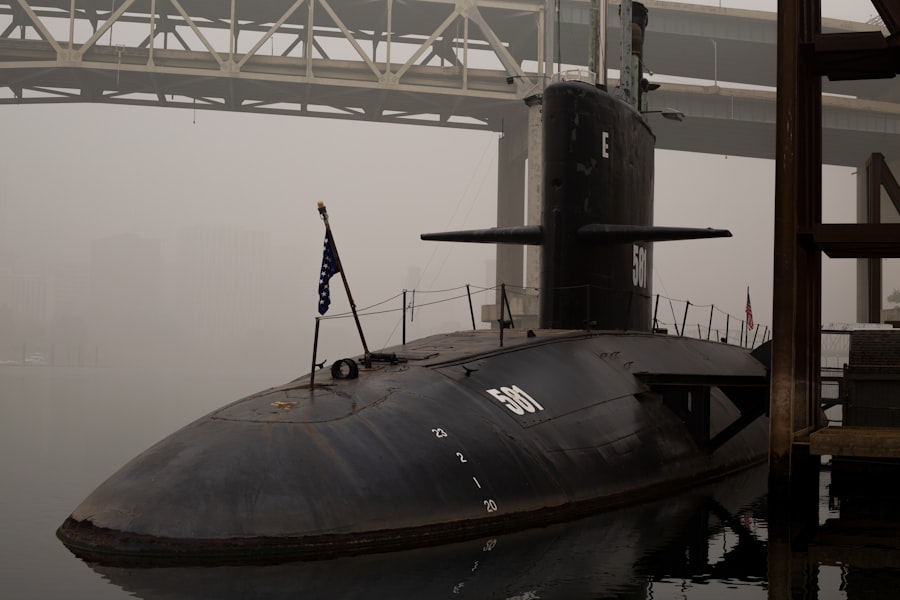
The B-59’s most significant and terrifying encounters occurred during the tense days of the Cuban Missile Crisis. Operating submerged to evade detection, the submarine found itself in a desperate struggle for survival, facing increasing pressure from American anti-submarine warfare (ASW) efforts.
The Depth Charges and the Submarine’s Plight
As U.S. Navy destroyers conducted their ASW operations, the B-59 was repeatedly targeted with non-lethal practice depth charges. These charges, designed to simulate the concussion of a real weapon without causing damage, were used to force submarines to the surface for identification. For the crew of the B-59, however, these were indistinguishable from actual attack weapons. The constant concussions were disorienting and terrifying, adding to the immense stress of their prolonged submersion.
The Unbearable Conditions: Heat, Fatigue, and Limited Air
The B-59 was operating under extremely difficult conditions. The submarine was not air-conditioned, and the hot Cuban waters, combined with the heat generated by the submarine’s machinery and the close proximity of the crew, made the interior stifling. The prolonged submersion meant dwindling air quality, and the constant tension and fear exacerbated the physical and psychological strain on the crew. Food supplies were also running low.
The Decision to Launch: The Nuclear Precipice
The critical moment arrived on October 27, 1962. The B-59 was being tracked by U.S. destroyers, which were relentlessly dropping practice depth charges. The submarine’s captain, Valentin Savitsky, along with the political officer Ivan Maslennikov, believed they were under attack and that war had already begun. In their desperate state, and operating under the assumption that they were authorized to use nuclear weapons if attacked and unable to communicate with Moscow, Savitsky and Maslennikov decided to launch their nuclear-tipped torpedo.
The Three-Man Rule and the Crucial Disagreement
Soviet submarine doctrine at the time involved a “three-man rule” for the authorization of nuclear weapons. This meant that the launch of a nuclear torpedo required the agreement of three senior officers: the submarine commander, the flotilla commander (if present), and the political officer. In this instance, both Savitsky and Maslennikov agreed to launch. However, there was a third senior officer aboard, Second Captain Vasili Arkhipov, who served as the flotilla’s chief of staff.
Vasili Arkhipov: The Man Who Saved the World
Vasili Arkhipov’s role in this crisis is nothing short of heroic. He held a different view of the situation. While acknowledging the severe threat, Arkhipov believed that launching a nuclear torpedo without definitive proof of a full-scale war would be catastrophic and that the practice depth charges might not necessarily signal an intent to destroy them. He argued against the launch, facing intense pressure from Savitsky and Maslennikov, who were determined to retaliate. Arkhipov’s calm demeanor, his reasoned argument, and his unwavering refusal to sanction the launch ultimately prevailed. His dissent was crucial. Had he agreed, the B-59 would have launched its nuclear weapon, an action that almost certainly would have triggered a devastating nuclear exchange between the United States and the Soviet Union, leading to unimaginable destruction and loss of life.
The Aftermath and the B-59’s Legacy
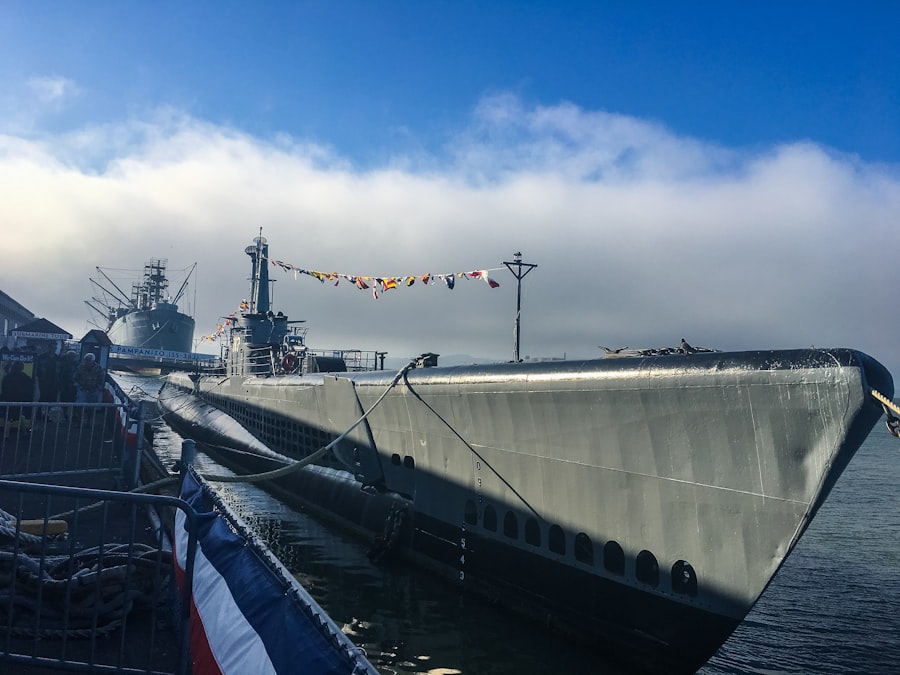
The decision not to launch the nuclear torpedo was the defining moment for the B-59, though its crew did not fully grasp the magnitude of the averted disaster at the time. The submarine eventually surfaced and, after some tense moments, was allowed to proceed. The B-59’s story, however, would continue to haunt naval strategists and historians for decades.
The Gradual De-escalation and the B-59’s Return
Following the tense standoff, the Soviet Union eventually agreed to remove its missiles from Cuba in exchange for a U.S. pledge not to invade the island and the secret removal of American Jupiter missiles from Turkey. The B-59, its mission unfulfilled and its crew deeply shaken, returned to its base. The immediate crisis had passed, but the memory of its near-catastrophic potential lingered.
The Unseen Heroes and the Weight of Responsibility
The story of the B-59 highlights the immense pressure and responsibility placed upon individuals in positions of command during times of crisis. Vasili Arkhipov, a relatively junior officer in the grand scheme of military hierarchy, bore the weight of preventing global annihilation. His courage and clear thinking, in contrast to the desperation of others, serve as a powerful reminder of the importance of individual judgment and the potential for a single voice to alter the course of history.
The B-59’s Later Years and Its Demise
After the Cuban Missile Crisis, the B-59 continued its service in the Soviet Navy. However, its operational life was relatively short. The Foxtrot class, while formidable, was gradually being replaced by more advanced Soviet submarine designs. The B-59 was eventually decommissioned and, like many Soviet vessels of its era, was likely scrapped. Its physical form may be gone, but its historical significance remains.
The Lessons Learned: Nuclear Command and Control
The B-59 incident served as a stark reminder of the inherent dangers of nuclear weapons and the critical importance of robust command and control systems. It underscored the potential for miscalculation, technological failure, and human error to lead to catastrophic outcomes. The event spurred renewed discussions and efforts to improve communication protocols and de-escalation strategies between nuclear-armed states.
The B-59 submarine incident during the Cuban Missile Crisis is a fascinating yet chilling chapter in Cold War history, highlighting the tense standoff between the United States and the Soviet Union. For a deeper understanding of the events surrounding this critical moment, you can explore a related article that delves into the broader implications of the crisis and the role of military strategy during that era. To read more about this pivotal time, check out the article at In The War Room.
The Enduring Significance of the B-59 Narrative
| Category | Details |
|---|---|
| Submarine Name | B-59 |
| Country | Soviet Union |
| Full Story | The B-59 submarine was involved in the Cuban Missile Crisis in 1962. It was the submarine that almost launched a nuclear torpedo during the crisis, but the decision to do so was prevented by Vasili Arkhipov, the second-in-command of the submarine. |
The story of the B-59 is more than just a footnote in naval history; it is a chilling testament to the fragility of peace and the precariousness of humanity’s existence during the Cold War. It demonstrates how a combination of political tension, technological limitations, and individual decisions can bring the world to the brink of unimaginable destruction.
A Symbol of Nuclear Peril
The B-59 has become a potent symbol of the nuclear peril that loomed over the world for decades. Its near-launch of a nuclear weapon represents one of the closest brushes with nuclear war in human history. The story serves as a perpetual warning against the dangers of escalation and the need for constant vigilance and diplomatic solutions.
The Importance of Individual Courage and Reason
The narrative of the B-59 is intrinsically linked to the bravery of Vasili Arkhipov. His story underscores the profound impact that individual courage, sound judgment, and a commitment to reason can have in the face of overwhelming pressure and fear. It is a reminder that even in the most dire circumstances, human agency can play a pivotal role in shaping outcomes.
The Ongoing Relevance of its Lessons
In an era where geopolitical tensions can still flare and the specter of nuclear proliferation remains, the lessons learned from the B-59 incident are as relevant today as they were in 1962. The importance of clear communication, de-escalation, and a deep understanding of the potential consequences of military action cannot be overstated. The B-59’s silent journey through the waters near Cuba serves as a powerful, if terrifying, reminder of what is at stake.
The Submarine as a Metaphor for Isolation and Pressure
The B-59, submerged and isolated beneath the waves, can also be seen as a metaphor for the intense psychological pressure experienced by individuals in high-stakes situations. The claustrophobic environment of the submarine, coupled with the existential threat, created a crucible for decision-making. The story reminds us of the human element in even the most technologically advanced and strategically complex scenarios.
The tale of the B-59 is a complex tapestry woven with threads of technological ambition, political brinkmanship, and human fallibility. It is a story that deserves to be remembered, not just for its dramatic confrontation, but for the vital lessons it continues to impart about the precarious balance of peace and the enduring importance of wise and courageous leadership. The B-59, though a relic of a bygone era, continues to speak volumes about the dangers of the past and the constant need for peace in the present and future.
The U.S. Navy Didn’t Know This Submarine Had a Nuclear Torpedo
FAQs
1. What is the B-59 submarine?
The B-59 submarine was a Soviet submarine that played a significant role in the Cuban Missile Crisis in 1962. It was a Foxtrot-class submarine armed with nuclear torpedoes.
2. What was the B-59 submarine’s role in the Cuban Missile Crisis?
The B-59 submarine was stationed near Cuba during the Cuban Missile Crisis and was tasked with providing support to the Soviet forces in the region. It was also equipped with nuclear torpedoes, which added to the tension of the crisis.
3. What happened to the B-59 submarine during the Cuban Missile Crisis?
The B-59 submarine was detected by the U.S. Navy and was subjected to depth charging in an attempt to force it to surface. The submarine was unaware that the crisis had escalated, and the depth charging caused a tense situation onboard.
4. How did the B-59 submarine’s crew react to the depth charging?
The crew of the B-59 submarine believed that a war had already started and seriously considered using their nuclear torpedoes. However, the submarine’s captain, Vasili Arkhipov, prevented the launch of the torpedoes, averting a potential nuclear catastrophe.
5. What is the legacy of the B-59 submarine and its crew?
The B-59 submarine and its crew are remembered for their role in preventing a nuclear war during the Cuban Missile Crisis. The actions of Captain Vasili Arkhipov have been widely praised for their critical role in de-escalating the situation.