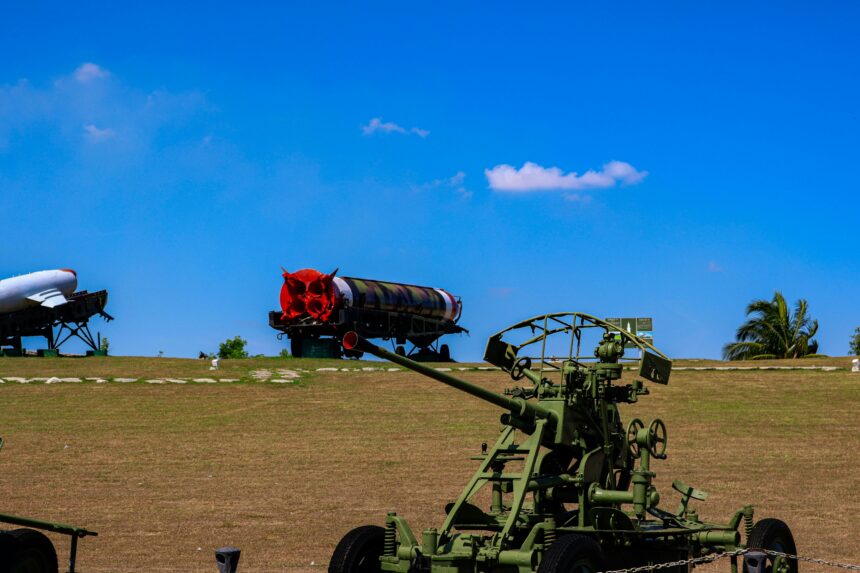
The precipice of global annihilation, a chilling tableau etched into the annals of history, unfolded over thirteen taut days in October 1962. The world held its breath as two superpowers, the United States and the Soviet Union, teetered on the brink of nuclear war. This was the Cuban Missile Crisis, a confrontation born of escalating Cold War tensions and the audacious gamble of placing offensive nuclear missiles just ninety miles off the American coast. The ramifications of this unprecedented standoff were, and remain, profound, shaping international relations and serving as a stark reminder of humanity’s capacity for self-destruction.
The Cuban Missile Crisis did not erupt in a vacuum. It was the culmination of years of geopolitical maneuvering, ideological rivalry, and a deeply ingrained mistrust between the United States and the Soviet Union. Understanding the underlying currents that led to this critical juncture is essential to appreciating the gravity of the thirteen days that followed.
A World Divided: The Cold War’s Intensifying Shadow
The post-World War II era was characterized by a bipolar world order, dominated by the ideological struggle between American capitalism and Soviet communism. This ideological chasm fueled an arms race, a proxy war in various regions, and a pervasive fear of nuclear Armageddon. Both superpowers poured vast resources into developing and deploying nuclear weapons, creating a terrifying balance of power, often referred to as Mutually Assured Destruction (MAD). The constant threat of nuclear retaliation loomed large, shaping foreign policy decisions and fostering a climate of perpetual anxiety.
The Cuban Revolution: A New Player on the Global Stage
In 1959, Fidel Castro’s revolutionary forces overthrew the U.S.-backed Batista regime in Cuba. This seismic shift fundamentally altered the geopolitical landscape of the Caribbean. Castro, initially not overtly communist, soon embraced Marxist-Leninist ideology and forged increasingly closer ties with the Soviet Union. The United States, viewing Cuba as a critical strategic asset in its sphere of influence, viewed Castro’s alignment with its archrival with alarm and hostility.
The Bay of Pigs Fiasco: Fueling Cuban-Soviet Trust
A pivotal moment in solidifying the Cuban-Soviet alliance was the failed U.S.-backed Bay of Pigs invasion in April 1961. This ill-conceived operation, intended to depose Castro, proved to be a humiliating defeat for the United States and a significant propaganda victory for Castro and the Soviets. The failure of the invasion reinforced Castro’s belief that the U.S. was determined to remove him from power and pushed him further into the Soviet embrace. For the Soviets, it presented an opportunity to strengthen their influence in the Western Hemisphere and to gain a strategic foothold close to American shores.
Soviet Motivations: Strategic Calculations and Deterrence
Nikita Khrushchev, the Soviet Premier, had several compelling reasons for placing missiles in Cuba. The strategic imbalance favored the United States, which possessed a significantly larger number of intercontinental ballistic missiles (ICBMs) capable of reaching the Soviet Union. Furthermore, the U.S. had stationed Jupiter missiles in Turkey, a direct threat to Soviet security. Placing Soviet missiles in Cuba offered a swift and relatively inexpensive way to redress this imbalance, effectively creating a credible deterrent against American aggression.
The Missile Gap Reimagined: Achieving Strategic Parity
Khrushchev saw the Cuban deployment as a means to quickly bridge the perceived “missile gap” with the United States. While the U.S. publicly boasted of its missile superiority, Soviet intelligence suggested the reality was closer, but the placement of intermediate-range ballistic missiles (IRBMs) and medium-range ballistic missiles (MRBMs) in Cuba would dramatically shorten the flight time and increase the accuracy of Soviet strikes against American targets. This would significantly enhance Soviet strategic deterrence.
Protecting a New Ally: The Soviet Commitment to Cuba
Beyond strategic considerations, Khrushchev was also motivated by a desire to protect his new communist ally in the Western Hemisphere. The Soviet Union had pledged its support to Castro’s regime, and the U.S. continued its hostile rhetoric and economic embargo. The presence of Soviet missiles would serve as a powerful deterrent against any potential U.S. invasion of Cuba, safeguarding the socialist revolution and bolstering Soviet prestige on the global stage.
The Cuban Missile Crisis, often regarded as the most perilous moment in Cold War history, unfolded over a tense 13-day period in October 1962, bringing the world to the brink of nuclear war. For a deeper understanding of the events and decisions that shaped this critical moment, you can explore the article titled “The Most Dangerous Day: October 27, 1962,” which provides an in-depth analysis of the key events and the psychological pressures faced by leaders during this crisis. To read more, visit this article.
The Discovery: Unveiling the Threat
On October 14, 1962, an American U-2 spy plane, on a routine reconnaissance mission over Cuba, captured photographic evidence that would irrevocably alter the course of history. The images revealed what intelligence analysts had long suspected: the construction of Soviet medium-range and intermediate-range ballistic missile sites on the island. The world was about to learn of the most perilous secret of the Cold War.
Aerial Reconnaissance: The Eyes in the Sky
The U-2 program, established in the 1950s, provided the United States with invaluable intelligence on Soviet military capabilities. These high-altitude reconnaissance aircraft, capable of flying above enemy air defenses, were instrumental in monitoring Soviet missile deployments and other strategic assets. The flights over Cuba were authorized due to increasing concerns about Soviet military buildup on the island following the Bay of Pigs invasion.
The Photographic Evidence: Irrefutable Proof
The U-2 pilot, Major Richard Heyser, captured detailed photographs of missile silos under construction, transporter-erector-launchers, and associated Soviet military personnel. These images, when meticulously analyzed by intelligence experts at the National Photographic Interpretation Center (NPIC) in Washington D.C., provided irrefutable evidence of offensive nuclear missile installations. The presence of these weapons, capable of reaching major American cities within minutes, represented a profound and immediate threat to national security.
The Executive Committee: Assembling the Decision-Makers
Upon receiving the intelligence, President John F. Kennedy was immediately briefed. He convened a secret group of his closest advisors, known as the Executive Committee of the National Security Council (ExComm), to assess the situation and formulate a response. This group included key figures such as Vice President Lyndon B. Johnson, Secretary of Defense Robert McNamara, Secretary of State Dean Rusk, Attorney General Robert Kennedy, and National Security Advisor McGeorge Bundy.
Deliberations Behind Closed Doors: Weighing the Options
For nearly a week, ExComm engaged in intense and often heated deliberations. The stakes were unimaginably high, and the advisors wrestled with a spectrum of difficult choices. The options ranged from diplomatic pressure and a naval blockade to an air strike against the missile sites or a full-scale invasion of Cuba. Each option carried its own set of risks and potential consequences, and the weight of the world rested on their shoulders.
The Thirteen Days: A World on the Brink
From October 16 to October 28, 1962, the world was gripped by an unprecedented crisis. The discovery of Soviet missiles in Cuba plunged humanity into a period of extreme tension and heightened fear of nuclear war. These thirteen days were characterized by a series of diplomatic maneuvers, military preparations, and tense standoffs that brought the superpowers closer to conflict than ever before.
The Naval Blockade: A Calculated Confrontation
President Kennedy, after much deliberation, opted for a naval blockade, or “quarantine” as it was officially termed, of Cuba. This was intended to prevent further Soviet missile shipments from reaching the island without immediately resorting to military action. On October 22, Kennedy addressed the nation, revealing the presence of the missiles and announcing the quarantine. The world watched with bated breath as Soviet ships approached the blockade line.
The “Quarantine” Line: A Test of Wills
The naval quarantine was a critical diplomatic and military gambit. It demonstrated American resolve without directly engaging Soviet forces in combat. The United States Navy established a line of ships around Cuba, ready to intercept any vessel suspected of carrying offensive weapons. The world braced itself for a potential naval confrontation, a scenario that could easily escalate into a wider conflict.
The Diplomatic Dance: Letters, Negotiations, and Misunderstandings
Amidst the military posturing, a frantic diplomatic exchange unfolded between Kennedy and Khrushchev. The leaders communicated through a series of letters, each seeking to de-escalate the situation while protecting their own perceived interests. The communications were often fraught with tension, misinterpretations, and the ever-present threat of unintended escalation.
Khrushchev’s First Letter: A Mixed Message
On October 26, Khrushchev sent Kennedy a letter proposing the removal of Soviet missiles in exchange for a U.S. pledge not to invade Cuba. This offered a glimmer of hope, suggesting a willingness to negotiate a peaceful resolution.
Khrushchev’s Second Letter: A Harder Line
However, the next day, a second, more hardline letter arrived from Khrushchev. This message demanded the removal of U.S. Jupiter missiles from Turkey in addition to the non-invasion pledge. This presented a new challenge, as the Jupiter missiles were considered a strategic asset by the U.S., and their removal was not easily acceptable.
The U-2 Incident: A Near Catastrophe
The crisis reached its zenith on October 27, now known as “Black Saturday.” A U-2 spy plane, flown by Major Rudolf Anderson Jr., was shot down over Cuba by a Soviet surface-to-air missile (SAM), killing the pilot. This incident brought the world to the precipice of war. Many in the U.S. military pushed for immediate retaliation against Soviet air defense sites in Cuba, which would have almost certainly triggered a larger conflict.
The Decision to Hold Back: Restraint in the Face of Provocation
President Kennedy, despite immense pressure, chose restraint. He understood that an immediate military response to the downed U-2 could lead to an uncontrollable escalation. Instead, he authorized a limited air strike against the SAM site, but the attack was never carried out due to the unfolding diplomatic resolution. This decision to de-escalate, even in the face of severe provocation, was a testament to his leadership and the understanding of the catastrophic consequences of war.
The Resolution: Stepping Back from the Brink
The combination of American resolve, diplomatic efforts, and the shared fear of nuclear annihilation ultimately led to a peaceful resolution of the Cuban Missile Crisis. The world breathed a collective sigh of relief as the immediate threat of nuclear war receded.
The Secret Deal: A Compromise for Peace
The key to resolving the crisis lay in a carefully negotiated compromise. While publicly, the agreement involved the removal of Soviet missiles from Cuba in exchange for a U.S. non-invasion pledge, a secret understanding was also reached. The United States agreed to quietly remove its Jupiter missiles from Turkey at a later date. This secret concession was crucial for Khrushchev to save face and present the outcome as a victory for Soviet diplomacy.
Public Announcement and Private Agreement: The Dual Tracks of Resolution
The public agreement was announced on October 28, 1962. Soviet forces began dismantling the missile sites, and the U.S. lifted the naval quarantine. The world watched as the immediate crisis subsided. The private agreement regarding the Jupiter missiles was implemented months later, ensuring that the Soviets received a tangible benefit for their withdrawal.
The Aftermath: Lessons Learned and Lasting Impact
The Cuban Missile Crisis served as a profound wake-up call for both superpowers. It highlighted the extreme dangers of nuclear brinkmanship and the urgent need for improved communication and de-escalation mechanisms. The crisis had a lasting impact on international relations and the pursuit of nuclear disarmament.
The Hotline: Direct Communication Between Superpowers
One of the most immediate consequences of the crisis was the establishment of the Moscow-Washington hotline, also known as the “red telephone.” This direct communication link between the White House and the Kremlin was designed to facilitate rapid and clear communication during future crises, reducing the risk of misunderstandings and unintended escalation.
The Nuclear Test Ban Treaty: A Step Towards Disarmament
The near-catastrophe of the Cuban Missile Crisis also spurred renewed efforts towards nuclear arms control. In 1963, the United States, the Soviet Union, and the United Kingdom signed the Partial Nuclear Test Ban Treaty, which prohibited nuclear weapon tests in the atmosphere, in outer space, and under water. While not a complete disarmament treaty, it was a significant step in curbing the proliferation and testing of nuclear weapons.
The Cuban Missile Crisis is often regarded as one of the most perilous moments in modern history, with October 27, 1962, being labeled the most dangerous day when the world teetered on the brink of nuclear war. This tense standoff between the United States and the Soviet Union highlighted the fragility of global peace and the potential consequences of miscommunication. For a deeper understanding of the events that unfolded during this critical period, you can explore a related article that delves into the intricacies of the crisis and its lasting impact on international relations. Check it out here: related article.
The Legacy of the Thirteen Days: A Constant Reminder
| Day | Incidents | Casualties |
|---|---|---|
| October 27, 1962 | U-2 spy plane shot down, Soviet submarine almost launched nuclear torpedo | 0 |
The Cuban Missile Crisis remains a pivotal moment in modern history, a stark reminder of the fragility of peace and the devastating potential of nuclear weapons. The thirteen days of October 1962 serve as a perpetual lesson in the importance of diplomacy, communication, and the immense responsibility that comes with possessing the power to destroy the world.
The Specter of Nuclear War: A Persistent Fear
Even decades after the crisis, the specter of nuclear war continues to haunt humanity. The proliferation of nuclear weapons, the rise of new nuclear powers, and ongoing geopolitical tensions ensure that the lessons learned from the Cuban Missile Crisis remain relevant. The crisis underscores the need for continuous vigilance, robust arms control efforts, and a commitment to peaceful conflict resolution.
The Importance of Leadership: Courage and Restraint
The crisis also highlighted the crucial role of leadership during times of extreme pressure. President Kennedy’s measured response, his willingness to resist calls for immediate military action, and his commitment to finding a diplomatic solution were instrumental in averting disaster. Similarly, Khrushchev’s eventual decision to withdraw the missiles, though driven by a complex mix of factors, ultimately contributed to de-escalation.
The Human Cost of Brinkmanship: A World Held Hostage
The Cuban Missile Crisis vividly illustrated how the decisions of a few individuals could hold the entire world hostage. The fear and anxiety experienced by people globally during those thirteen days are a testament to the profound human cost of such confrontations. The event served as a stark reminder that the pursuit of national interests must always be balanced against the imperative of global survival. The legacy of those thirteen dangerous days endures, a silent, yet potent, warning for generations to come.
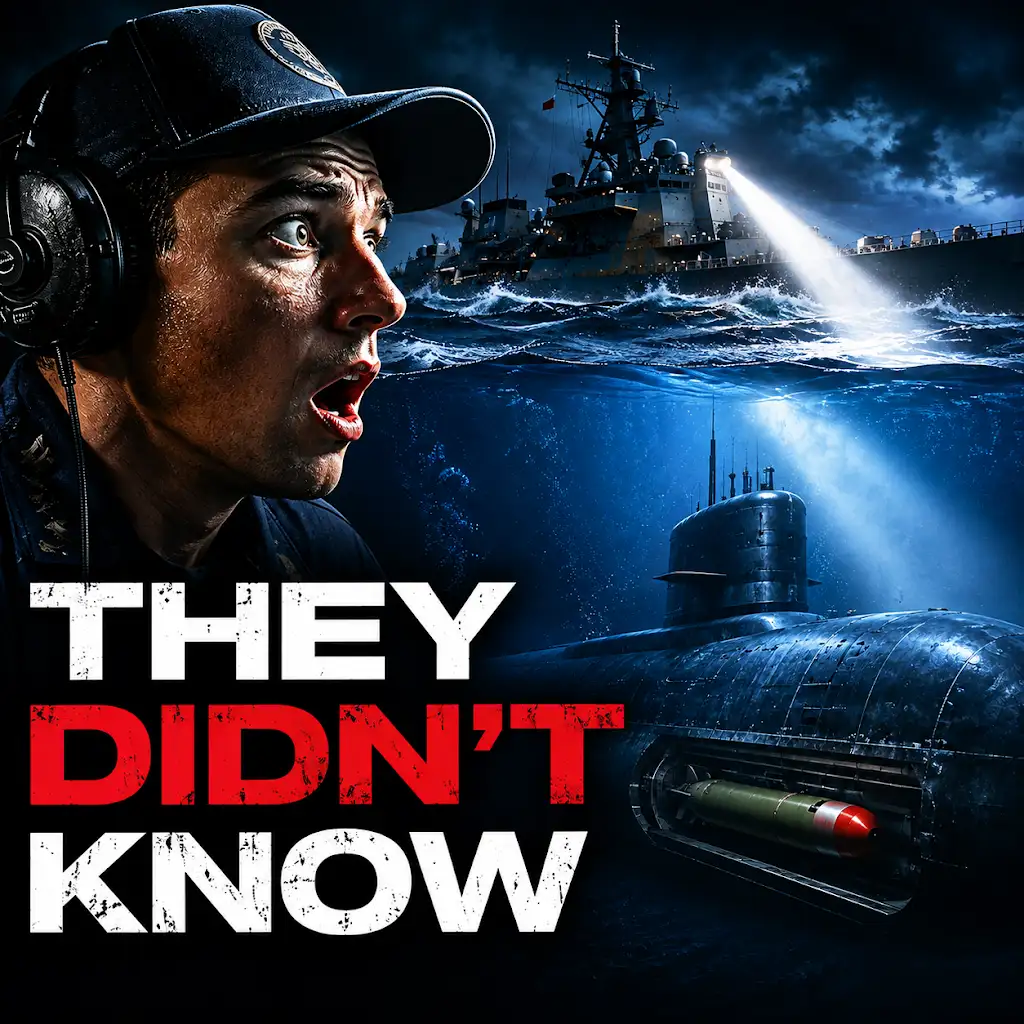
The U.S. Navy Didn’t Know This Submarine Had a Nuclear Torpedo
FAQs
What was the most dangerous day of the Cuban Missile Crisis?
The most dangerous day of the Cuban Missile Crisis was October 27, 1962, also known as “Black Saturday.” This was the day when the crisis reached its peak, with the highest risk of nuclear war between the United States and the Soviet Union.
What events made October 27 the most dangerous day of the Cuban Missile Crisis?
On October 27, 1962, a U-2 spy plane was shot down over Cuba, which could have easily been interpreted as an act of aggression by the United States. Additionally, a Soviet submarine near Cuba came close to launching a nuclear torpedo in response to depth charges from U.S. Navy ships.
How close did the world come to nuclear war on October 27, 1962?
The world came dangerously close to nuclear war on October 27, 1962. The actions and decisions made by both the United States and the Soviet Union on that day brought the two superpowers to the brink of a catastrophic conflict.
What actions were taken to prevent nuclear war on October 27, 1962?
To prevent nuclear war on October 27, 1962, U.S. President John F. Kennedy and Soviet Premier Nikita Khrushchev engaged in intense diplomatic negotiations. Both leaders worked to find a peaceful resolution to the crisis and avoid a nuclear confrontation.
How did the Cuban Missile Crisis end after the most dangerous day?
After the most dangerous day of the Cuban Missile Crisis, both the United States and the Soviet Union reached a resolution. The Soviets agreed to remove their missiles from Cuba in exchange for the U.S. promising not to invade the island nation. This agreement effectively ended the crisis and reduced the risk of nuclear war.