The B-59 submarine, a relic of a bygone era of Cold War tension, remains a fascinating and often overlooked piece of naval history. Its story is intertwined with the very precipice of nuclear conflict, making it a subject of intense study and contemplation. This comprehensive explanation will delve into the multifaceted aspects of the B-59, from its design and purpose to its operational history and the profound implications of its most infamous mission.
The B-59 submarine, like its sister vessels in the Project 641 (NATO reporting name: Foxtrot-class), emerged from the Soviet Union’s strategic imperative to develop a potent diesel-electric submarine force capable of challenging the naval dominance of the United States. The design philosophy underpinning the Foxtrot class was rooted in the operational doctrines of the Soviet Navy during the mid-20th century.
The Cold War Context and Soviet Naval Aspirations
The Cold War was characterized by a relentless arms race and a constant struggle for strategic advantage. The Soviet Union, recognizing the vital role of submarines in projecting power and disrupting enemy supply lines, prioritized the development of advanced submarine technology. While the United States possessed a significant advantage in nuclear-powered submarines, the Soviets focused on a robust and cost-effective diesel-electric fleet. These submarines were intended to operate in conjunction with their nuclear counterparts, offering a different set of capabilities and tactical applications. The Foxtrot class was designed to be a versatile platform, capable of a range of missions including reconnaissance, anti-ship warfare, and the potential deployment of nuclear-armed torpedoes.
Engineering and Technical Specifications
The Project 641 submarines, including the B-59, were significant advancements over their predecessors. They were larger and more capable than earlier Soviet diesel-electric designs, boasting improved silencing, longer submerged endurance, and enhanced weapon systems.
Hull Construction and Dimensions
The B-59, with a length of approximately 90 meters and a beam of around 8 meters, possessed a substantial hull designed for deep diving. The double-hull construction, a common feature in many submarine designs, provided structural integrity and allowed for ballast tanks to be housed between the inner and outer hulls, aiding in buoyancy control and silent running. The operational depth capabilities of the Foxtrot class were considerable for their time, allowing them to evade detection by sonar more effectively.
Propulsion Systems: Diesel-Electric Power
The heart of the B-59’s operational capability lay in its hybrid propulsion system. On the surface and while snorkeling, the submarine was powered by powerful diesel engines. These engines not only propelled the vessel but also recharged the massive battery banks that supplied power when the submarine was fully submerged. This diesel-electric configuration offered a distinct advantage in terms of endurance when operating on the surface or at periscope depth, but it also necessitated periodic snorkeling to ventilate the engines and recharge the batteries, a vulnerability that could be exploited by ASW (Anti-Submarine Warfare) forces.
Diesel Engines and Battery Banks
The Foxtrot class typically employed multiple diesel engines, providing ample power for transit and operational maneuvering. The extensive battery banks were a critical component, storing the energy generated by the diesel engines for sustained submerged operations. The capacity and efficiency of these battery systems were constantly being improved by Soviet engineers, aiming to extend the underwater endurance of their submarines.
Electric Motors for Submerged Propulsion
When submerged, the diesel engines were shut down, and the submarine relied on electric motors powered by the battery banks. These electric motors were designed for quiet operation, a crucial factor in maintaining stealth and evading detection. The transition between diesel and electric power was a complex process, requiring careful management to ensure optimal performance and minimize noise signatures.
Armament and Weapon Systems
The B-59 was equipped with a formidable array of weaponry, reflecting its intended role as a potent offensive platform. Its primary armament consisted of torpedoes, but the possibility of carrying nuclear warheads added a terrifying dimension to its capabilities.
Torpedo Tubes and Ammunition
The submarine typically featured six torpedo tubes located in the bow, capable of firing both conventional and, in some configurations, nuclear-tipped torpedoes. The Foxtrot class could carry a significant number of torpedoes, allowing for sustained engagement in combat scenarios. The types of torpedoes varied, including anti-ship and anti-submarine variants, each with its own guidance systems and explosive payloads.
Potential for Nuclear Torpedoes
The most alarming aspect of the B-59’s armament was the potential for it to carry nuclear torpedoes. While specific details regarding the B-59’s exact loadout on its fateful mission are subject to historical debate, the broader capability of the Foxtrot class to deploy nuclear weapons was a grave concern for Western navies. This capability significantly elevated the strategic importance and inherent danger associated with these submarines.
The B-59 submarine, a Soviet submarine that played a crucial role during the Cold War, is often discussed in the context of its tense standoff with U.S. forces during the Cuban Missile Crisis. For a deeper understanding of the geopolitical implications and the events surrounding this submarine, you can read a related article that provides insights into the broader context of submarine warfare and Cold War tensions. Check out the article here: The Cold War Underwater: Submarine Strategies and Standoffs.
Operational History and the Cuban Missile Crisis
The operational history of the B-59, while largely uneventful in terms of combat engagements, is inextricably linked to one of the most perilous moments in human history: the Cuban Missile Crisis of October 1962.
General Patrols and Missions
Like other Foxtrot-class submarines, the B-59 would have participated in routine patrols and intelligence-gathering missions throughout its service life. These operations were designed to monitor NATO naval activities, gather electronic intelligence, and maintain a constant presence in strategic waterways. The sheer number of Foxtrot-class submarines deployed meant that they represented a significant and persistent threat to Western naval forces.
The Fateful Mission of October 1962
The B-59’s most significant and widely documented mission occurred during the Cuban Missile Crisis. In response to the discovery of Soviet ballistic missile installations in Cuba, the United States imposed a naval blockade. The Soviet response was to dispatch a flotilla of submarines, including the B-59, to the waters around Cuba. The mission of these submarines was complex and fraught with danger, intended to challenge the blockade and, in some scenarios, retaliate if attacked.
The Context of the Blockade
The U.S. naval blockade was a highly provocative act, designed to prevent further Soviet military buildup in Cuba. It created a tense standoff, with both superpowers on the brink of direct confrontation. The submarines were operating under strict rules of engagement, but the rapidly escalating tensions created an environment where miscalculation and accidental escalation were distinct possibilities.
Encounters with U.S. Navy Ships
During the crisis, the B-59, along with other Soviet submarines, was detected and tracked by U.S. Navy destroyers tasked with enforcing the blockade. The U.S. destroyers used non-lethal depth charges, intended as signals to force the submarines to surface. However, the acoustics of the underwater environment and the lack of reliable communication between the submarines and Moscow led to confusion and fear.
The Role of Depth Charges
The depth charges, even when unarmed or detonated at a safe distance, created significant shockwaves underwater. For the submarines, especially those operating at considerable depths, these explosions were disorienting and terrifying. The intent of the U.S. Navy was to signal their presence and encourage the submarines to surface, but the Soviet crews perceived them as attacks.
The Critical Decision-Making aboard B-59
The most critical moment aboard the B-59 occurred when the submarine was subjected to a series of depth charges. The commanding officer, Valentin Savitsky, along with his political officer and second-in-command, believed they were under direct attack and that war might have already begun. Under the prevailing Soviet doctrine, if the submarine was attacked and cut off from communication with Moscow, the officers on board had the authority to launch a nuclear torpedo.
Captain Savitsky’s Dilemma
Captain Savitsky faced an almost unimaginable decision. He was a seasoned naval officer, but he was operating under extreme pressure, with limited information and a very real threat of destruction. The political officer, Ivan Maslennikov, urged him to launch the nuclear weapon.
The Role of Vasili Arkhipov
Crucially, the third-ranking officer on board, Vasili Arkhipov, who served as the flotilla’s chief of staff and was on the B-59 as an observer, played a pivotal role. Arkhipov, possessing a calmer demeanor and a more cautious perspective, disagreed with the decision to launch. He argued that the depth charges were likely practice charges and that launching a nuclear weapon would trigger a global catastrophe. His dissent, a brave act of insubordination in a hierarchical military structure, ultimately prevented the launch of the nuclear torpedo.
The Significance of Vasili Arkhipov’s Actions

The actions of Vasili Arkhipov are often cited as a moment when the world narrowly avoided nuclear annihilation. His refusal to authorize the launch of the nuclear torpedo saved countless lives and highlighted the crucial role of individual judgment in high-stakes military situations.
The Weight of Responsibility
Arkhipov’s decision was not made lightly. He understood the gravity of the situation and the potential consequences of both inaction and action. His awareness of the broader geopolitical context and his calm assessment of the immediate threat allowed him to override the more aggressive impulses of his commanding officers.
The Chain of Command and Nuclear Authority
The B-59 incident underscored the inherent dangers of decentralized nuclear command and control. While the ultimate authority for launching nuclear weapons rested with Moscow, the ability of a submarine commander, under extreme duress and with limited communication, to initiate a nuclear strike was a terrifying prospect. Arkhipov’s intervention served as a stark reminder of the need for strict protocols and the importance of individuals who could exercise restraint.
Lessons Learned and Subsequent Policy Changes
The near-catastrophe aboard the B-59 had a profound impact on naval and strategic thinking. While explicit policy changes are difficult to pinpoint, the incident undoubtedly contributed to a greater awareness of the risks associated with nuclear-armed submarines and the importance of clear communication and de-escalation protocols. It served as a potent case study for military strategists and policymakers alike.
Legacy and Historical Interpretation of the B-59
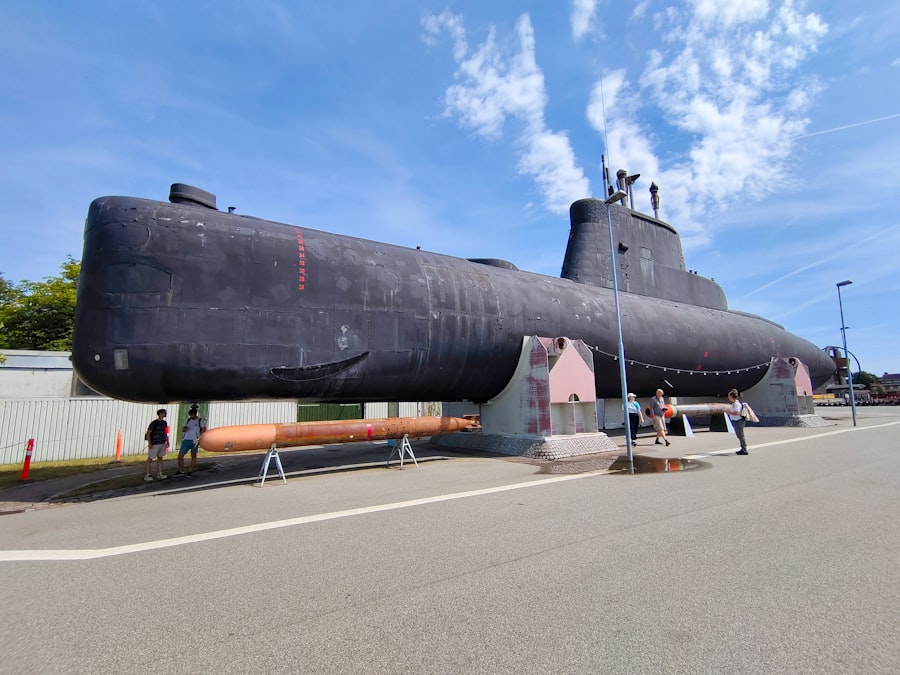
The B-59 submarine, though no longer in active service, continues to hold a significant place in naval history and Cold War studies. Its story serves as a potent reminder of the precarious balance of power during that era and the ever-present threat of nuclear war.
The “Doomsday” Submarine
The B-59 has often been referred to as a “doomsday” submarine, a testament to its potential to trigger a global nuclear conflict. This moniker, while dramatic, accurately reflects the immense destructive power it represented and the terrifying possibility of its misuse.
The Role in Popular Culture and Historical Discourse
The narrative surrounding the B-59 and Vasili Arkhipov has been popularized in books, documentaries, and films. These portrayals, while sometimes dramatized, have played a crucial role in bringing the story to a wider audience and highlighting the critical events of October 1962. The B-59 thus serves as a tangible link to a pivotal moment in history.
The Importance of Remembering
The memory of the B-59 and the events it was a part of is crucial for understanding the dangers of nuclear proliferation and the importance of diplomacy and de-escalation. It serves as a constant reminder of the fragility of peace and the profound responsibility that comes with possessing weapons of mass destruction. The submarine’s story is not just about a piece of military hardware; it is about the choices made by individuals under immense pressure and the potential consequences for all of humanity.
The B-59 submarine, a Soviet vessel that played a significant role during the Cold War, has been the subject of various analyses and discussions. For those interested in exploring more about the historical context and implications of this submarine, you can read a related article that delves into its strategic importance and the tense moments it experienced during the Cuban Missile Crisis. This piece provides a comprehensive overview of the events surrounding the B-59 and its crew, making it a valuable resource for anyone looking to understand this pivotal period in history. To learn more, visit this article.
Technical Evolution of Submarine Warfare Post-B-59
| Attribute | Details |
|---|---|
| Length | 90 m (295 ft 3 in) |
| Beam | 8.2 m (26 ft 11 in) |
| Draught | 7.5 m (24 ft 7 in) |
| Speed | 20 knots (37 km/h; 23 mph) surfaced, 25 knots (46 km/h; 29 mph) submerged |
| Complement | 94 officers and enlisted |
The B-59 incident, while a close call, also spurred further technological and operational developments in submarine warfare. The vulnerabilities and perceived threats highlighted during the Cuban Missile Crisis influenced subsequent submarine design and anti-submarine warfare strategies.
Advancements in Sonar and Detection Technologies
The cat-and-mouse game between submarines and anti-submarine forces intensified after the crisis. Both sides invested heavily in improving sonar technology, aiming for greater range, accuracy, and the ability to detect submarines in increasingly challenging environments. This included advancements in passive sonar, which listens for the sounds a submarine makes, and active sonar, which emits sound pulses and analyzes the echoes.
Passive and Active Sonar Systems
The development of more sophisticated passive sonar arrays allowed naval forces to listen for the subtle sounds of even the quietest submarines, such as the B-59’s electric motors. Active sonar, while more easily detectable by submarines, offered the ability to pinpoint a target’s location and range more definitively.
Underwater Communications
The B-59 incident also underscored the critical need for reliable underwater communication. The inability of the submarine to receive clear orders from Moscow was a significant contributing factor to the crisis. This led to further research and development in secure and robust underwater communication systems, though significant challenges remain.
The Rise of Nuclear-Powered Submarines
While the B-59 was a diesel-electric submarine, the U.S. Navy’s advantage in nuclear-powered submarines was evident. The sustained submerged endurance and higher speeds offered by nuclear propulsion provided a significant strategic advantage. Following the Cold War, nuclear submarines became the dominant force in naval power projection, largely overshadowing the capabilities of diesel-electric designs for major powers, though diesel-electric submarines continue to play important roles in many navies.
Advantages of Nuclear Propulsion
Nuclear submarines, unburdened by the need to surface for air or recharge batteries, could remain submerged for months at a time. This allowed for extended patrols, greater operational flexibility, and a reduced risk of detection. Their higher speeds also enabled them to respond more rapidly to emerging threats.
The Shifting Balance of Power
The dominance of nuclear submarines gradually shifted the balance of naval power. While diesel-electric submarines remained valuable for coastal defense, reconnaissance, and specific tactical roles, the strategic advantage clearly lay with their nuclear-powered counterparts.
The Continued Relevance of Diesel-Electric Submarines
Despite the ascendancy of nuclear submarines, diesel-electric technology has not become obsolete. Modern diesel-electric submarines, often equipped with Air-Independent Propulsion (AIP) systems, have significantly extended their submerged endurance, making them increasingly capable and stealthy. These advanced AIP systems allow the diesel engines to operate without needing to snorkel, providing a level of submerged performance that rivals some older nuclear submarines.
Air-Independent Propulsion (AIP)
AIP systems, which can include fuel cells or Stirling engines, allow diesel-electric submarines to generate power and remain submerged for extended periods without relying on batteries alone. This technology has revitalized the role of diesel-electric submarines, making them a potent and cost-effective option for many navies.
Modern Tactical Roles
Today’s diesel-electric submarines excel in roles such as coastal surveillance, anti-surface warfare in littoral zones, and special operations insertion. Their smaller size and quieter operation in certain regimes make them ideal for operating in shallower, more congested waters where larger nuclear submarines might be at a disadvantage. The B-59, though a product of an earlier era, laid the groundwork for understanding the capabilities and limitations of submarine warfare, a field that continues to evolve.
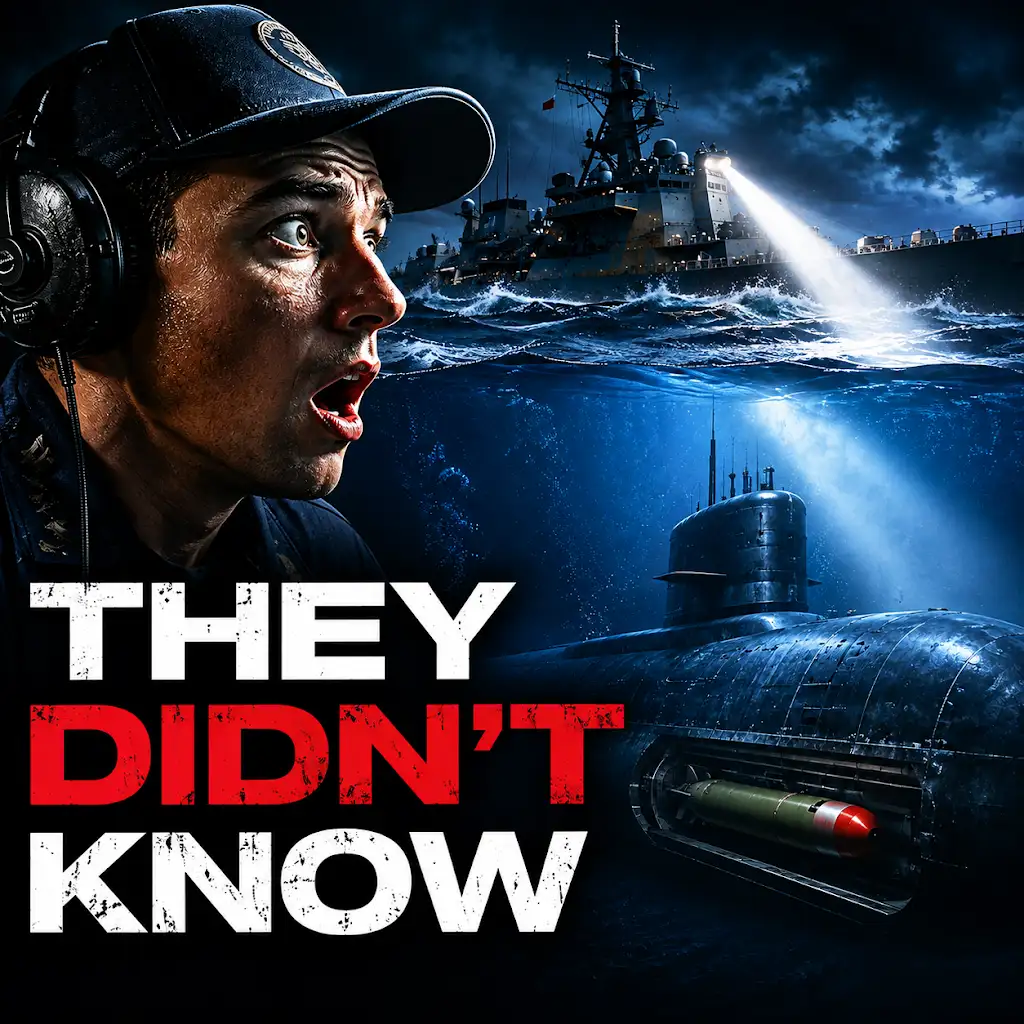
The U.S. Navy Didn’t Know This Submarine Had a Nuclear Torpedo
FAQs
What is the B-59 submarine?
The B-59 submarine was a Soviet submarine that played a significant role in the Cuban Missile Crisis in 1962. It was a Foxtrot-class submarine, designed for long-range patrols and equipped with nuclear torpedoes.
What was the B-59 submarine’s role in the Cuban Missile Crisis?
During the Cuban Missile Crisis, the B-59 submarine was located near Cuba and was part of a Soviet flotilla. It was equipped with nuclear torpedoes and was authorized to use them if necessary. The submarine’s presence added to the tension and brinkmanship of the crisis.
What happened to the B-59 submarine after the Cuban Missile Crisis?
After the Cuban Missile Crisis, the B-59 submarine continued its service in the Soviet Navy. It was eventually decommissioned in the 1990s and became a museum ship in St. Petersburg, Russia.
How did the B-59 submarine impact the outcome of the Cuban Missile Crisis?
The presence of the B-59 submarine near Cuba added to the already heightened tensions of the Cuban Missile Crisis. Its capability to launch nuclear torpedoes contributed to the gravity of the situation and the potential for a catastrophic outcome.
What is the significance of the B-59 submarine in history?
The B-59 submarine is significant in history for its role in the Cuban Missile Crisis, which was a pivotal moment in the Cold War. Its presence and potential to launch nuclear weapons added to the urgency of resolving the crisis and avoiding a nuclear conflict between the United States and the Soviet Union.