The B-59 Soviet Foxtrot submarine, a hulking testament to Cold War ambition and a stark reminder of its perilous brinkmanship, rests today as a silent sentinel. Once a potent instrument of Soviet naval power, designed to project authority and sow fear, its steel hull now offers a tangible connection to a period of global tension that brought the world closer to nuclear annihilation than many dared to admit. This vessel, a product of Project 641, the Soviet designation for the Foxtrot-class, represents a pivotal chapter in submarine warfare and a chilling footnote in the annals of international relations. Its very existence, and more importantly, its operational history, serves as a crucial artifact for understanding the strategic calculus and the inherent risks of the Cold War era.
The development of the Foxtrot-class submarines was a direct response to the evolving naval doctrines of the Cold War. The Soviet Union, acutely aware of the technological prowess of its Western counterparts, particularly the United States Navy, sought to design a submarine that could effectively counter NATO’s burgeoning submarine fleets and their increasingly sophisticated anti-submarine warfare (ASW) capabilities. The Project 641, or Foxtrot class, emerged from this imperative, aiming for a versatile platform capable of both offensive and defensive operations.
Strategic Imperatives and Design Philosophy
The primary strategic imperative driving the Foxtrot program was the need for a submarine that could effectively operate in contested waters, challenge NATO’s naval dominance, and potentially interdict vital sea lanes. This necessitated a design that balanced range, speed, and armament, while also incorporating lessons learned from previous Soviet submarine designs, including the Whiskey and Zulu classes. The designers aimed for a robust and reliable platform that could sustain prolonged underwater operations and deliver a significant punch when required.
The Shadow of the U-Boats: Learning from Past Conflicts
The ghosts of World War II’s U-boat campaigns loomed large in the minds of Soviet naval planners. The devastating impact of German submarines on Allied shipping underscored the potential of undersea warfare. While the technological landscape had dramatically shifted, the fundamental principles of submarine operations – stealth, surprise, and the ability to deny enemy transit – remained paramount. The Foxtrot class was, in many ways, an evolution of these timeless principles, adapted to the nuclear age.
The Nuclear Threat: A Shifting Battlefield
The advent of nuclear submarines on both sides of the Iron Curtain fundamentally altered the naval battlefield. While the Foxtrot class was a conventional diesel-electric submarine, its design was nonetheless influenced by the ongoing arms race. The Soviets recognized the need for a substantial fleet of submarines, both nuclear and conventional, to maintain a credible deterrent and to project power globally. The Foxtrot class, with its significant range and armament, was intended to play a crucial role in this broader strategic picture.
Key Design Features of the Foxtrot Class
The Foxtrot class was characterized by a distinctive hull design and a formidable array of weaponry. Its twin-hulled construction provided structural integrity and improved hydrodynamic performance, allowing for greater diving depth and quieter operation compared to single-hulled designs. This was a crucial element in its bid for stealth.
Hull Construction and Hydrodynamics
The twin-hulled design of the Foxtrot class was a significant engineering achievement. The inner pressure hull housed the crew and vital equipment, while the outer hull provided a streamlined shape and housed ballast tanks, fuel storage, and other essential systems. This configuration allowed for a larger internal volume and better distribution of weight, contributing to improved stability and maneuverability. The overall profile was designed to minimize sonar detection, a constant challenge for any submarine.
Propulsion Systems: Diesel-Electric Power
As a conventional submarine, the Foxtrot class relied on a diesel-electric propulsion system. When surfaced or snorkeling, diesel engines provided power for propulsion and battery charging. When submerged, the submarine relied on batteries, which offered a limited duration of underwater operation before requiring a return to snorkeling depth to recharge. This limitation was a defining characteristic of diesel-electric submarines and a critical factor in operational planning, often dictating patrol routes and engagement windows.
Armament: Torpedoes and Missiles
The Foxtrot class was heavily armed, designed to engage both surface ships and other submarines. Its primary offensive capability lay in its torpedo tubes, which could launch both acoustic homing and wire-guided torpedoes. Furthermore, some Foxtrot variants were equipped with the capability to launch anti-ship cruise missiles, significantly extending their offensive reach and adding a potent anti-carrier strike capability. The B-59, in particular, carried a significant load of these weapons.
The B-59 Soviet Foxtrot submarine played a crucial role during the Cold War, particularly during the Cuban Missile Crisis, when tensions between the United States and the Soviet Union reached a boiling point. For those interested in exploring more about this significant event and its implications on naval warfare, you can read a related article that delves deeper into the historical context and the submarine’s impact on military strategy. Check it out here: B-59 Soviet Foxtrot Submarine and Its Historical Significance.
The B-59: A Representative of its Class
The B-59 was one of over 60 Foxtrot-class submarines built for the Soviet Navy between 1958 and 1982. While sharing the core design principles of its brethren, the B-59 became etched in history for a specific, highly critical encounter during the Cuban Missile Crisis, an event that highlighted the inherent dangers of nuclear brinkmanship. Understanding the B-59 requires an appreciation of its operational context and the specific mission it was undertaking during that pivotal moment.
Operational Role and Mission Profile
Foxtrot-class submarines like the B-59 were assigned a variety of roles. They were tasked with intelligence gathering, conducting patrols in strategic waterways, and posing a significant threat to NATO naval forces, particularly aircraft carrier battle groups. Their ability to operate submerged for extended periods, even with the limitations of diesel-electric power, made them a persistent and unpredictable adversary.
Deterrence and Power Projection
Beyond direct combat, Foxtrot submarines served as potent tools of deterrence and power projection. Their presence in international waters signaled Soviet naval strength and resolve, influencing strategic calculations and diplomatic maneuvers. The deployment of these vessels to regions of geopolitical significance was a clear message of Soviet intent and capability.
Intelligence Gathering and Espionage
The quiet, submerged capabilities of the Foxtrot class made them ideal platforms for intelligence gathering. They could shadow enemy vessels, monitor communications, and conduct covert reconnaissance missions, providing valuable intelligence to Soviet command. This silent eavesdropping played a crucial role in the broader intelligence war between East and West.
The B-59’s Specific Assignment: A Crucial Patrol
The B-59 was deployed to the waters off Cuba in the autumn of 1962, a period of heightened tension as the United States discovered Soviet ballistic missile installations on the island. The submarine’s mission was to conduct patrols and, in the event of open conflict, to engage American naval vessels, potentially including the U.S. Navy’s quarantine forces.
The Cuban Missile Crisis: A High-Stakes Environment
The Cuban Missile Crisis represented the zenith of Cold War tensions. The discovery of Soviet offensive nuclear missiles in Cuba triggered a thirteen-day confrontation that brought the world to the precipice of nuclear war. Submarines, due to their inherent stealth and offensive capabilities, played a critical role in the naval blockade and the heightened state of alert.
The Encounter with the U.S. Navy: A Near-Disaster
During the crisis, the B-59 was part of a small group of Soviet submarines operating in the Caribbean. On October 27, 1962, the B-59, along with two other Foxtrot submarines (B-36 and B-4), was detected by U.S. Navy destroyer picket ships involved in enforcing the blockade. The destroyers, unaware of the full extent of the submarines’ armaments, began dropping practice depth charges to force them to the surface.
The Depth Charge Incident: A Moment of Truth
The depth charges, while intended as warnings, were perceived by the crew of the B-59 as an attack. The submarine was at a considerable depth, and the concussive blasts were severe, rattling the hull and causing considerable distress among the crew. Crucially, the B-59 was also equipped with a nuclear torpedo, a weapon of immense destructive power, intended for use only in a full-scale nuclear war.
The Nuclear Torpedo Debate: The Authority to Launch
The critical moment for the B-59 occurred when its captain, Valentin Savitsky, believing the submarine to be under attack and facing imminent destruction, wanted to launch the nuclear torpedo. However, Soviet submarine doctrine at the time required the consent of three officers to launch such a weapon: the captain, the political officer, and the flotilla commander. Onboard the B-59, the political officer, Ivan Maslennikov, and the flotilla commander, Second Captain Vasili Arkhipov, were also present.
Vasili Arkhipov’s Crucial Decision: A Peacekeeper Beneath the Waves
It was Vasili Arkhipov, the flotilla commander, who vehemently disagreed with Savitsky’s decision to launch. Arkhipov understood the catastrophic implications of using a nuclear weapon, even in retaliation. He argued that the depth charges were likely practice charges and that a nuclear launch would invariably trigger a full-scale nuclear war, with devastating consequences for both sides and the world. His calm reasoning and steadfast refusal to authorize the launch ultimately averted a global catastrophe. This single act of restraint, often overlooked in popular accounts of the crisis, is considered by many historians to be one of the most significant moments of the Cold War.
Life Aboard a Foxtrot Submarine
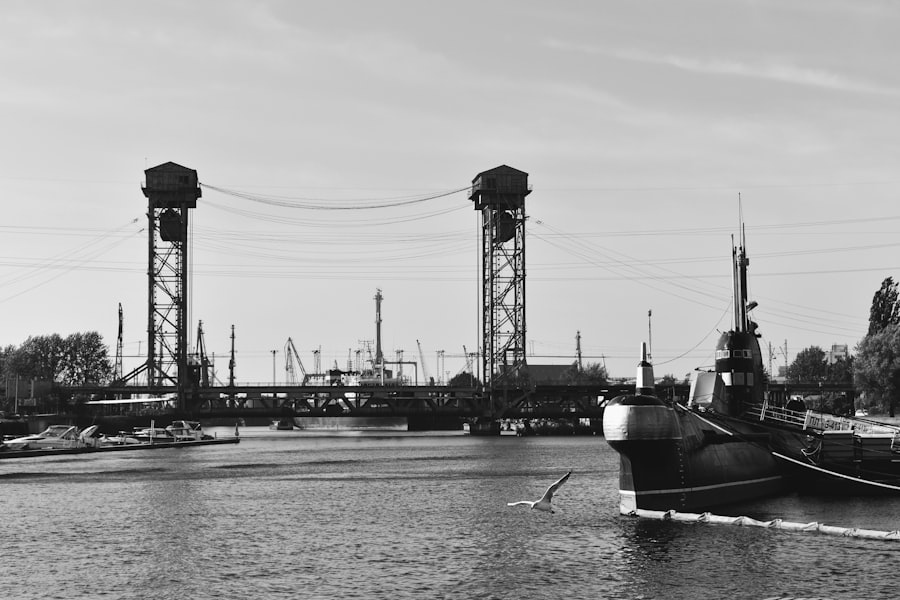
Life aboard a Foxtrot-class submarine was a demanding and claustrophobic experience, even in peacetime. During the heightened tensions of the Cold War, and especially during critical missions like that of the B-59, the conditions were even more severe, pushing the physical and psychological limits of the crew.
The Underwater Environment: Confinement and Control
Submarines are inherently confined spaces. The Foxtrot class, while not the smallest submarine, still offered limited living and working areas for its crew, which typically numbered around 70-80 men. The constant hum of machinery, the recycled air, and the lack of natural light created a unique and often challenging environment.
Crew Quarters and Living Conditions
Berthing was shared, with sailors sleeping in bunks stacked in relatively tight spaces. Meals were prepared in a compact galley, and communal areas were minimal. The sense of camaraderie and discipline was essential for maintaining morale and operational effectiveness in such close quarters.
The Constant Vigilance: Watch Schedules and Duties
The crew was organized into watches, ensuring that the submarine was always manned and operational. Each crew member had specific duties, from operating the sonar and weapons systems to maintaining the engines and life support. The pace was relentless, with long hours and little opportunity for rest.
Psychological Toll of Submarine Service
The psychological demands of submarine service were significant. The isolation from the outside world, the constant awareness of potential danger, and the confinement could take a toll on mental well-being. This was amplified during tense situations, where the threat of attack and the responsibility of command weighed heavily.
Boredom and Monotony: The Undoing of Alertness
Periods of uneventful patrol could lead to boredom and monotony, which paradoxically could undermine alertness. Maintaining vigilance over extended periods in a monotonous environment was a constant challenge for both the crew and their commanders.
The Weight of Responsibility: Decisions Under Pressure
For officers, the psychological burden was even greater, particularly the responsibility for the lives of their crew and the potential consequences of their decisions. The B-59 incident, with the looming threat of nuclear annihilation, serves as a stark example of the immense pressure placed upon submarine commanders during the Cold War.
The Legacy of the B-59 and Foxtrot Class
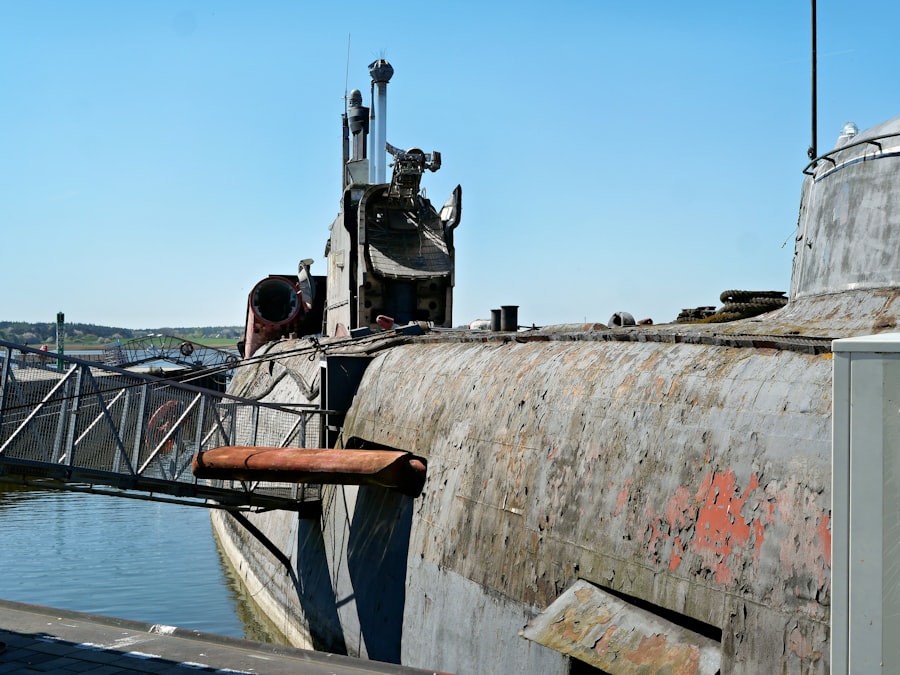
The B-59 and the Foxtrot class represent more than just technological artifacts of a bygone era. They embody the complex dynamics of the Cold War, the immense risks involved, and the critical importance of diplomacy and restraint in preventing global catastrophe. Their story continues to offer valuable lessons for contemporary international relations.
A Symbol of Cold War Brinkmanship
The B-59’s encounter with the U.S. Navy during the Cuban Missile Crisis stands as a powerful symbol of the Cold War’s brinkmanship. The possibility of a single submarine, armed with a nuclear weapon, escalating a tense standoff into a global nuclear war, underscores the precariousness of the era. The story highlights how close the world came to disaster and the crucial role of individuals in averting it.
The Cuban Missile Crisis Re-examined
The B-59 incident offers a vital lens through which to re-examine the Cuban Missile Crisis. It shifts the focus from the grand strategic maneuvers of political leaders to the critical decisions made by individuals in high-pressure situations at the operational level. The story of Vasili Arkhipov’s intervention emphasizes the human element in preventing catastrophe.
The Nuclear Deterrent Paradox
The B-59 also serves as a stark reminder of the paradox of the nuclear deterrent. While intended to prevent war through the threat of retaliation, the existence of such weapons and the potential for their accidental or unauthorized use created inherent risks. The incident highlights the terrifying potential for escalation, even when both sides were seeking to avoid direct conflict.
The Foxtrot Class in Historical Context
The Foxtrot class, as a product of Soviet naval ambitions, provides valuable insight into the strategic landscape of the Cold War. These submarines were not merely weapons; they were instruments of policy, designed to project Soviet power and influence. Their operational deployment and their encounters with Western navies offer tangible evidence of the maritime arms race and the constant tension that defined the era.
The Arms Race Beneath the Waves
The development and deployment of Foxtrot-class submarines were integral to the naval arms race. They represented a significant investment by the Soviet Union in its underwater capabilities, forcing NATO navies to continuously develop and refine their anti-submarine warfare technologies and strategies.
A Window into Soviet Naval Strategy
The design, armament, and operational doctrine of the Foxtrot class offer a window into Soviet naval strategy. Their emphasis on offensive capabilities, their deployment patterns, and their engagement with NATO forces reveal the Soviet Union’s intentions and its perceived role in the global balance of power.
The B-59 Soviet Foxtrot submarine, a notable vessel from the Cold War era, played a significant role in the tense standoff between the United States and the Soviet Union. This submarine was involved in a critical incident during the Cuban Missile Crisis, where its crew faced the decision of whether to launch a nuclear torpedo. For those interested in exploring more about the strategic implications of such military assets, a related article can be found at In the War Room, which delves into the broader context of submarine warfare and its impact on global security.
Preserving the Past: The Enduring Significance of the B-59
| Attribute | Details |
|---|---|
| Class | Foxtrot-class submarine |
| Country | Soviet Union |
| Displacement | 1,950 tons (surfaced), 2,475 tons (submerged) |
| Length | 299 ft 6 in |
| Beam | 27 ft 11 in |
| Speed | 16 knots (surfaced), 15 knots (submerged) |
| Range | 20,000 nautical miles at 8 knots (surfaced) |
| Complement | 77-78 officers and enlisted |
While the B-59 may no longer patrol the seas, its legacy endures. Its story, particularly its role in the Cuban Missile Crisis, serves as a potent reminder of the lessons learned from the Cold War. The preservation of such relics, whether in museums or through historical accounts, is crucial for ensuring that future generations understand the profound impact of this era.
Museums and Memorials: Tangible Links to History
The preservation of naval vessels, including submarines, in museums allows for public access and educational opportunities. These tangible links to the past offer a visceral understanding of the technologies, the living conditions, and the historical significance of these vessels. The B-59, or similar Foxtrot class submarines, could serve as powerful exhibits.
The Educational Value of Submarine Exhibits
Exhibits dedicated to Cold War submarines can educate visitors about the intricacies of submarine warfare, the geopolitical tensions of the era, and the human stories behind these monumental machines. The B-59’s story, with its critical role in the Cuban Missile Crisis, would undoubtedly be a compelling narrative for public engagement.
The Lessons of the Cold War: Relevance Today
The lessons learned from the Cold War, particularly concerning de-escalation, crisis management, and the dangers of nuclear proliferation, remain profoundly relevant in the 21st century. The B-59’s story serves as a cautionary tale, emphasizing the importance of clear communication, de-escalation strategies, and the unwavering commitment to peace, even in the face of extreme provocation.
Avoiding Future Catastrophes: Diplomacy and Restraint
The incident involving the B-59 underscores the vital role of diplomacy and restraint in preventing catastrophic conflict. The calm and reasoned approach of Vasili Arkhipov, in the face of immense pressure, offers a powerful example of how individual actions can have global consequences. This lesson is as pertinent today as it was during the Cold War.
The Continuing Threat of Nuclear Weapons
Despite the end of the Cold War, nuclear weapons remain a significant global threat. The B-59’s near-miss serves as a stark reminder of the inherent dangers of these weapons and the constant need for arms control, non-proliferation efforts, and responsible stewardship of nuclear arsenals. The ghost of the nuclear torpedo aboard the B-59 is a spectral reminder of what could have been.
The B-59 Soviet Foxtrot submarine, therefore, is more than just a relic of the Cold War; it is a silent witness to one of humanity’s most perilous moments, a testament to the courage of individuals who stood between peace and annihilation, and a perpetual reminder of the imperative to learn from history and strive for a future free from the shadow of nuclear conflict. Its silent form speaks volumes, a resonant echo from a time when the world held its breath, and a single decision aboard a submerged metal hull could have changed the course of human history forever.
The U.S. Navy Didn’t Know This Submarine Had a Nuclear Torpedo
FAQs
What is the B-59 Soviet Foxtrot submarine?
The B-59 Soviet Foxtrot submarine was a diesel-electric attack submarine that was used by the Soviet Navy during the Cold War. It was designed for anti-submarine warfare and reconnaissance missions.
When was the B-59 Soviet Foxtrot submarine in service?
The B-59 Soviet Foxtrot submarine was in service from the 1950s until the 1990s. It was used by the Soviet Navy and later by other countries in the Soviet bloc.
What were the specifications of the B-59 Soviet Foxtrot submarine?
The B-59 Soviet Foxtrot submarine had a length of 89 meters, a beam of 7.4 meters, and a draft of 5.9 meters. It had a submerged displacement of 2,475 tons and was powered by diesel-electric engines.
What was the role of the B-59 Soviet Foxtrot submarine during the Cold War?
During the Cold War, the B-59 Soviet Foxtrot submarine played a key role in the Soviet Navy’s strategy for anti-submarine warfare and reconnaissance. It was used to track and monitor the movements of NATO submarines and surface ships.
What happened to the B-59 Soviet Foxtrot submarine after it was decommissioned?
After it was decommissioned, the B-59 Soviet Foxtrot submarine was sold to a private owner and eventually turned into a museum ship. It is currently on display in a museum in a coastal city.