A spectral chill, deeper than any arctic wind, permeated the global consciousness for nearly half a century. This was the Cold War, a standoff between two ideological titans, waged not with the thunder of outright conflict, but with the coiled tension of perpetual readiness. Within this protracted struggle, a silent, yet equally vital, theater of operations unfolded beneath the waves and across the vast expanses of the world’s oceans: the naval Cold War. “War on the Seas: A Cold War Naval History Documentary” plunges viewers into this clandestine realm, unveiling a meticulously researched and compelling narrative of technological innovation, strategic brinkmanship, and the ever-present specter of nuclear annihilation. This documentary eschews the grand parades and overt pronouncements of land-based conflict, opting instead to illuminate the crucial, often unseen, role played by naval forces in shaping the geopolitical landscape from the ashes of World War II to the eventual dissolution of the Soviet Union.
The dawn of the nuclear age irrevocably altered the nature of warfare. For naval powers, this seismic shift presented a unique set of challenges and opportunities. No longer was the primacy of surface fleets assured. The chilling prospect of nuclear-tipped torpedoes and submarine-launched ballistic missiles (SLBMs) transformed the ocean into a potential graveyard for entire navies and continents. “War on the Seas” masterfully illustrates how both the United States and the Soviet Union grappled with this existential threat, reorienting their naval doctrines and technological investments accordingly.
Deterrence by Sea: The Rise of the SSBN
The documentary vividly details the development and deployment of the Ballistic Missile Submarine, Nuclear-Powered (SSBN). These silent giants, often referred to as “boomers,” became the ultimate guarantor of second-strike capability. Their submerged, undetectable nature made them an almost invulnerable platform for launching nuclear weapons. The film explores the immense strategic advantage this provided, effectively deterring a first strike by promising devastating retaliation. Viewers are introduced to the engineering marvels and the immense logistical undertakings required to maintain these highly sophisticated vessels. The narrative delves into the strategic thinking behind their patrol routes, the constant cat-and-mouse game with enemy submarines, and the psychological pressure on the crews who carried the weight of global survival on their shoulders. The documentary emphasizes how the SSBN program was not just a military initiative, but a cornerstone of nuclear deterrence, a tangible manifestation of the MAD (Mutually Assured Destruction) doctrine that defined the Cold War.
The Surface Fleet’s Evolving Role: From Gunboats to Missile Platforms
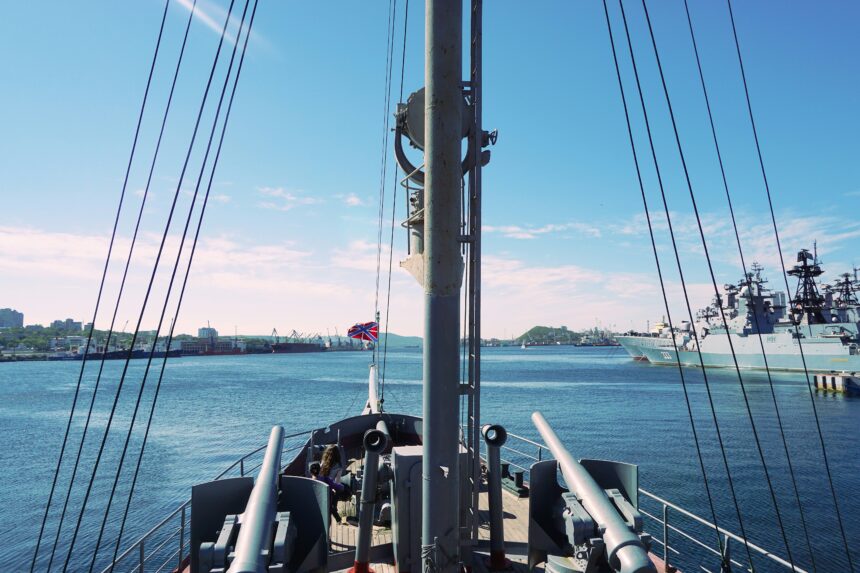
While submarines dominated the nuclear landscape, the documentary does not neglect the vital role of the more traditional surface fleet. It meticulously traces the evolution of aircraft carriers, cruisers, destroyers, and frigates from their World War II roles to their adaptation to the Cold War’s technological realities. The advent of guided missiles, anti-ship weaponry, and advanced radar systems transformed these vessels into mobile, potent strike forces. “War on the Seas” showcases the development of carrier battle groups as instruments of power projection, capable of delivering conventional and, if necessary, nuclear strikes far from home shores. The film highlights key engagements and near-misses that underscored the importance of naval presence in regional conflicts and diplomatic crises. The documentary poses critical questions about the relevance of large surface fleets in an age of increasingly sophisticated anti-ship missiles, a debate that continues to shape naval strategy even today.
For those interested in delving deeper into Cold War naval history, a fascinating article can be found at this link. The article explores the strategic naval operations that defined the era, highlighting key events and technological advancements that shaped maritime warfare. It provides valuable context for understanding the complex geopolitical landscape of the Cold War and the role of naval power in international relations during that time.
The Undersea War: A Silent, Deadly Struggle
Beneath the surface of the ocean, a conflict of a different nature raged – a relentless, often unseen battle of espionage, detection, and destruction. The submarine, once a fearsome predator, became both hunter and hunted in the Cold War’s intricate naval ballet. “War on the Seas” dedicates significant attention to this shadowy war, revealing the technological arms race that defined the underwater domain.
The Silent Service: Innovations in Submarine Technology
The documentary provides a fascinating glimpse into the relentless pursuit of stealth and speed by both naval powers. The development of quieter nuclear propulsion systems, advanced sonar technologies, and new hull designs allowed submarines to operate with unprecedented stealth. The film explores the constant struggle to overcome the limitations of acoustics, the challenges of detecting submerged vessels in the vastness of the ocean, and the ingenious methods employed by both sides to mask their movements. Viewers witness the technological leaps made in acoustic sensors, magnetic anomaly detectors, and other intelligence-gathering systems, all aimed at gaining a crucial advantage in the underwater realm. The documentary highlights the courage and skill of submarine crews who operated in extreme isolation and constant peril, their missions often classified for decades.
The Anti-Submarine Warfare (ASW) Arms Race
Complementing the pursuit of stealth was the equally intense race to develop effective anti-submarine warfare (ASW) capabilities. “War on the Seas” illustrates the array of technologies and tactics employed to hunt and destroy enemy submarines. This includes the deployment of advanced destroyers and frigates equipped with powerful sonar systems, sophisticated torpedoes, and aerial assets like helicopters and maritime patrol aircraft. The film examines the development of ASW tactics, from the use of sonobuoys to create underwater listening grids to the coordinated efforts of hunter-killer groups. The documentary underscores the sheer complexity of ASW operations, requiring constant vigilance, precise coordination, and a deep understanding of underwater acoustics. The stakes were immense, as the loss of a single submarine could have had profound strategic implications.
Global Reach and Proxy Conflicts: Navies in Action
The Cold War was not solely confined to the icy waters of the Arctic or the deep Pacific. Naval forces played a critical role in projecting power, supporting allies, and engaging in proxy conflicts across the globe. “War on the Seas” demonstrates how navies became instruments of diplomacy and, at times, the frontline of ideological struggle.
Projecting Power: Carrier Battle Groups and Forward Deployment
The documentary highlights the strategic importance of aircraft carrier battle groups as mobile airfields and powerful deterrents. These formidable formations, composed of an aircraft carrier and its escort of destroyers, cruisers, and submarines, were a visible symbol of American global power. “War on the Seas” showcases instances where these battle groups were deployed to volatile regions, signaling resolve and deterring potential aggression. The film explores the immense logistical and operational challenges of maintaining these fleets on station for extended periods, underscoring the global reach of the U.S. Navy. The documentary also examines the Soviet Union’s efforts to counter this projection of power, including their development of carrier-like vessels and their strategic deployment of submarines to disrupt Western naval movements.
Hot Spots and Close Calls: Navies in the Third World
The Cold War’s ideological struggle often manifested in proxy conflicts in developing nations. “War on the Seas” brings to light the crucial, often overlooked, role of navies in these regions. This includes naval blockades, the provision of naval support to allied forces, and the constant surveillance and intelligence gathering conducted by both sides. The documentary details specific instances, such as the Cuban Missile Crisis, where naval superiority and strategic positioning played a pivotal role in averting nuclear catastrophe. The film also sheds light on less publicized incidents, where naval vessels operated in close proximity, engaging in tense standoffs and demonstrating the ever-present risk of escalation. The documentary emphasizes how these “hot spots” served as testing grounds for new naval technologies and doctrines, pushing the boundaries of what was possible at sea.
Technological Arms Race: The Cutting Edge of Naval Warfare
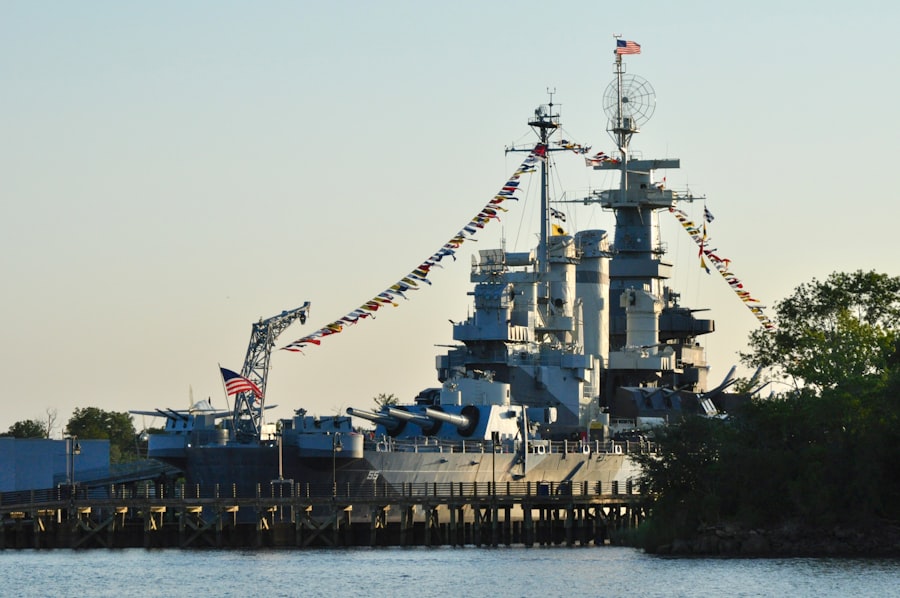
The Cold War was an era of unprecedented technological advancement, and the navies of both superpowers were at the forefront of this innovation. “War on the Seas” meticulously details the relentless pursuit of technological superiority, from breakthroughs in propulsion and weaponry to the development of sophisticated electronic warfare systems.
From Steam to Nuclear: The Revolution in Propulsion
The documentary traces the seismic shift from conventional steam-powered vessels to the advent of nuclear propulsion. This revolution fundamentally altered the operational capabilities of submarines and, to a lesser extent, surface ships. The film explains how nuclear power allowed for unprecedented endurance and speed, freeing submarines from the need for frequent refueling and enabling them to remain submerged for extended patrols. Viewers are given a compelling account of the engineering challenges and the immense scientific effort behind harnessing nuclear energy for naval purposes. The documentary emphasizes the strategic advantage this provided, allowing for extended deployments and greater operational flexibility.
Guided Missiles and Electronic Warfare: The New Arsenal
The introduction of guided missiles and advanced electronic warfare systems transformed the battlefield at sea. “War on the Seas” illustrates the development and deployment of anti-ship missiles, surface-to-air missiles, and sophisticated jamming and deception techniques. The documentary highlights how these technologies altered naval tactics, forcing a constant reevaluation of ship design and defensive strategies. The film showcases the ingenuity of engineers and tacticians who worked tirelessly to develop countermeasures and offensive capabilities. The documentary emphasizes the increasing sophistication of naval engagements, moving beyond traditional gunnery duels to complex electronic battles fought in the invisible spectrum.
For those interested in exploring the intricate details of Cold War naval history, a fascinating article can be found at In the War Room, which delves into the strategic maritime maneuvers that defined this tense period. The documentary highlights key naval confrontations and the technological advancements that shaped naval warfare, making it a compelling watch for history enthusiasts.
The Human Element: Courage, Sacrifice, and the Price of Peace
| Documentary Title | Release Year | Duration | Main Focus |
|---|---|---|---|
| Cold War Naval History | 2020 | 120 minutes | Naval warfare during the Cold War |
Beneath the gleaming hulls of warships and the silent depths of the ocean, it was the human element that truly defined the naval Cold War. “War on the Seas” does not shy away from the personal stories of the sailors, officers, and engineers who served during this protracted period of tension. The documentary delves into the immense psychological pressures, the periods of isolation, and the constant awareness of the potential for global devastation that characterized naval service.
Life Aboard: The Rigors of Submarine and Surface Duty
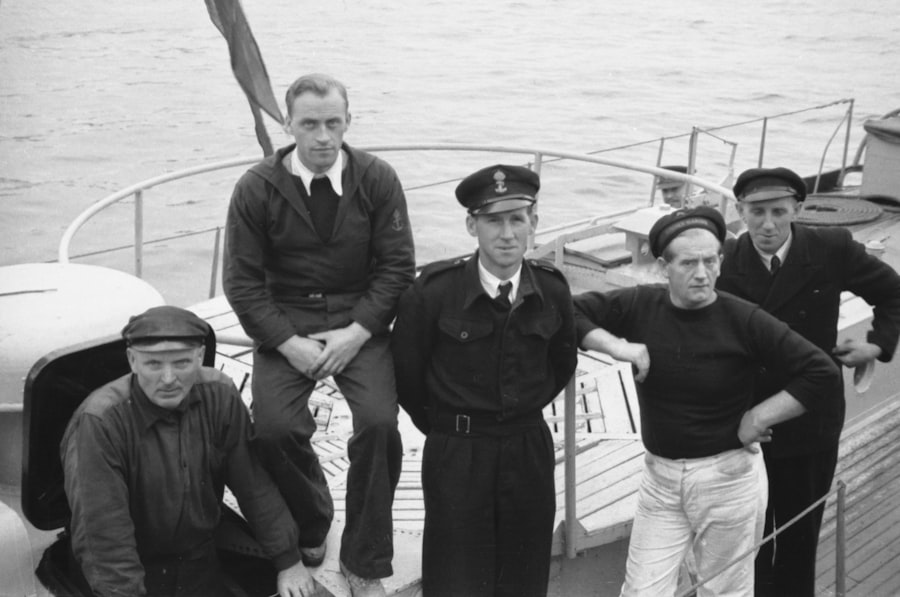
The film offers poignant insights into the daily lives of those who served at sea. It details the cramped conditions and the unique challenges faced by submarine crews, their isolation from the outside world, and the intense camaraderie that developed in such an environment. Conversely, it also explores the demands of surface fleet operations, the constant readiness, and the rigorous training required. The documentary uses archival footage and interviews with veterans to paint a vivid picture of the sacrifices made, the friendships forged, and the indelible impact of Cold War naval service on individuals’ lives.
The Legacy of the Silent Fleet: Lessons for the Future
As the Cold War drew to a close, “War on the Seas” reflects on the enduring legacy of this naval confrontation. The documentary examines how the technological advancements, strategic doctrines, and operational experiences gained during this period continue to shape modern naval warfare. It poses crucial questions about the balance between deterrence and arms control, the importance of international cooperation, and the ever-present need for vigilance in a complex and often unpredictable world. The film concludes by emphasizing that while the overt conflict may have ended, the lessons learned from the Cold War naval struggle remain profoundly relevant, serving as a stark reminder of the immense power and responsibility that lies within the navies of the world.
The U.S. Navy Didn’t Know This Submarine Had a Nuclear Torpedo
FAQs
What is the Cold War naval history documentary about?
The Cold War naval history documentary explores the naval strategies, technologies, and conflicts that defined the Cold War era, focusing on the rivalry between the United States and the Soviet Union.
What are some key events covered in the documentary?
The documentary covers key events such as the Cuban Missile Crisis, the construction of the Berlin Wall, the Korean War, the Vietnam War, and various naval confrontations and standoffs between the US and Soviet navies.
What kind of archival footage and interviews can viewers expect to see?
Viewers can expect to see a combination of archival footage from the Cold War era, including naval operations, missile tests, and diplomatic meetings, as well as interviews with naval historians, veterans, and experts who provide insights into the naval history of the Cold War.
How long is the documentary and where can it be viewed?
The length of the documentary may vary, but it is typically a multi-part series spanning several hours. It can be viewed on various streaming platforms, purchased as a DVD or Blu-ray, or aired on television channels specializing in historical documentaries.
What makes this documentary a valuable resource for understanding Cold War naval history?
This documentary provides a comprehensive and in-depth look at the naval aspects of the Cold War, offering a nuanced understanding of the strategies, technologies, and geopolitical dynamics that shaped this pivotal period in history. It also sheds light on lesser-known naval operations and their impact on the broader Cold War narrative.