The B-59 Nuclear Torpedo Incident: A Cold War Crisis
The Cold War was a period defined by pervasive tension, a constant undercurrent of fear, and the chilling reality of nuclear annihilation. While iconic moments like the Cuban Missile Crisis often dominate historical narratives, the world has teetered on the brink of catastrophe on numerous occasions, often in ways that remain less recognized. One such near-catastrophe unfolded in October 1962, during the height of the Cuban Missile Crisis, when the Soviet submarine B-59, armed with a nuclear torpedo, found itself in a desperate and dangerous confrontation with the United States Navy. This incident, shrouded in secrecy for decades, serves as a stark reminder of the fragility of peace and the immense responsibility carried by those in command during times of extreme international pressure.
The global political landscape of the early 1960s was a precarious balancing act. The ideological chasm between the United States and the Soviet Union, each possessing vast arsenals of nuclear weapons, fueled a climate of suspicion and proxy conflicts. The establishment of Soviet missile bases in Cuba, just 90 miles off the coast of Florida, represented a dramatic escalation of this tension. For the United States, it was an unacceptable threat, a direct and imminent danger to its homeland. For the Soviet Union, it was a strategic gambit to counter American missile deployments in Turkey and to project power in the Western Hemisphere.
The Genesis of the Crisis: Operation Anadyr
The decision by Soviet Premier Nikita Khrushchev to deploy intermediate-range ballistic missiles (IRBMs) and medium-range ballistic missiles (MRBMs) to Cuba was a bold and risky move. Codenamed Operation Anadyr, the deployment was conceived in secret, with the aim of presenting the United States with a fait accompli. The rationale behind this operation was multifaceted. Firstly, it was intended to redress the strategic nuclear imbalance, as the Soviet Union lagged significantly behind the United States in terms of intercontinental ballistic missiles (ICBMs). Secondly, it was a response to the perceived vulnerability of the Soviet Union to American missile bases on its borders. Finally, it was seen as a way to bolster Cuba’s defense against potential American aggression, particularly after the failed Bay of Pigs invasion in 1961.
American Discovery and Escalation
The presence of Soviet missile sites in Cuba was eventually detected by American U-2 spy planes. The photographic evidence was irrefutable, sparking immediate alarm within the Kennedy administration. President John F. Kennedy and his advisors grappled with a range of responses, from a full-scale invasion of Cuba to diplomatic negotiations. The decision was made to impose a naval blockade, or “quarantine,” around Cuba to prevent further Soviet military shipments. This act, while intended to de-escalate the situation by avoiding direct military confrontation, was nevertheless a highly provocative measure that brought the two superpowers closer to open conflict than they had been in years.
The B-59 nuclear torpedo incident during the Cuban Missile Crisis remains a critical moment in Cold War history, highlighting the thin line between military engagement and nuclear catastrophe. For a deeper understanding of the geopolitical tensions and the decisions made during this perilous time, you can read a related article that explores the broader implications of the crisis and its impact on international relations at In The War Room.
The Role of Soviet Submarines: Project 641 and the B-59
In the midst of this escalating crisis, a fleet of Soviet submarines, primarily Project 641 (NATO codename: Foxtrot class), was dispatched to Cuban waters. These submarines were designed for conventional warfare and were equipped with a variety of torpedoes, including a highly sensitive and potentially devastating nuclear torpedo. The presence of these submarines was intended to deter an American invasion and to provide a naval counter-response if necessary. The B-59 was one such submarine, commanded by Captain Valentin Savitsky.
The Foxtrot Class Submarine: Capabilities and Limitations
The Foxtrot class submarines were diesel-electric vessels, meaning they relied on diesel engines for surface propulsion and battery power for submerged operations. This limited their submerged endurance and speed compared to nuclear-powered submarines. While capable of relatively quiet operation when submerged, they were vulnerable to detection by modern sonar systems. The B-59, like its counterparts, carried a complement of torpedoes, including one special weapon: a 15-kiloton nuclear torpedo, designated the AT-3. The presence of such a weapon underscored the gravity of the Soviet Union’s preparedness, even in what were ostensibly defensive measures.
The B-59’s Mission and its Nuclear Payload
The B-59’s mission was to operate in the waters around Cuba, maintaining a covert presence and evading American naval patrols. It was ordered to maintain radio silence to avoid detection, a directive that would have profound consequences. The submarine was also equipped with a nuclear torpedo, a weapon whose use was intended to be a last resort, a response to an overwhelming attack that would necessitate a retaliatory strike. The captain and two of his senior officers were authorized to launch the torpedo, but only if they believed the submarine was about to be sunk and all other means of communication and escape had failed. This triple authorization was a safeguard, albeit a risky one, designed to prevent accidental or unauthorized use.
The Confrontation at Sea: Depth Charges and a Terrified Crew
As the naval quarantine tightened, the American Navy intensified its efforts to locate and identify Soviet submarines operating in the vicinity of Cuba. The B-59 found itself increasingly isolated and under pressure. On October 27, 1962, a day that would later be known as “Black Saturday” due to the convergence of several dangerous events during the Cuban Missile Crisis, the B-59 was detected by the USS Beale. The American destroyer, along with other vessels, began dropping practice depth charges – inert explosives intended to signal the submarine to surface and identify itself. For the crew of the B-59, however, these signals were indistinguishable from actual attack charges.
The “Practice” Depth Charges: A Misunderstood Signal
The American procedure for challenging submarines in the quarantine zone involved dropping non-lethal practice depth charges. These were designed to be loud and disruptive, forcing a submarine to surface without causing significant damage. However, the acoustic conditions underwater could distort the sounds of these charges, and in the confined and stressful environment of a submarine, especially one with a crew already under immense pressure from the crisis above, these signals could easily be misinterpreted. The crew of the B-59, unaware of the specific protocols of the US Navy, believed they were under direct attack.
The B-59’s Descent and Internal Turmoil
The repeated concussion of the depth charges had a devastating effect on the B-59. The submarine was already operating on limited battery power, and the stressful maneuvers to evade the perceived attackers further drained its resources. The hull of the submarine, already stressed, was subjected to further strain. Inside, the atmosphere was one of mounting panic. Captain Savitsky, already suffering from a severe headache and under immense pressure, became increasingly convinced that the submarine was on the verge of being destroyed. The crew was disoriented, the air quality was deteriorating, and the constant threat of destruction was palpable.
The Brink of Nuclear War: The Nuclear Torpedo Decision

In the suffocating confines of the B-59, with the roar of depth charges echoing through the hull and the vessel increasingly vulnerable, Captain Savitsky and his senior officers faced a decision that would have echoed through history. They believed they were under attack and that their lives, and the lives of their crew, were in imminent danger. The submarine carried a nuclear torpedo, and the authority to launch it, under extreme circumstances, rested with three men. The debate onboard was heated, with two of the officers advocating for the launch of the nuclear weapon, while a third, Vasili Arkhipov, the flotilla’s chief of staff and second in command of the B-59, held a crucial dissenting opinion.
Vasili Arkhipov: The Man Who Saved the World?
Vasili Arkhipov played a pivotal role in averting a potential nuclear catastrophe. As a senior officer, he had a voice in the decision-making process concerning the nuclear torpedo. Unlike Captain Savitsky and First Officer Ivan Maslennikov, Arkhipov remained calm and reasoned. He understood the broader implications of launching a nuclear weapon, not just for the immediate encounter but for the entire global political situation. He argued against the launch, emphasizing the need for further verification and highlighting the potential for an uncontrollable escalation of the conflict. His calm demeanor and strategic foresight prevented the impulsive act that could have plunged the world into nuclear war.
The Triple Authorization: A Flawed Safeguard
The Soviet military had implemented a triple authorization system for the use of nuclear torpedoes on their submarines. This meant that all three senior officers – the captain, the political officer (who was not present on the B-59), and the chief of staff – had to agree to launch the weapon. On the B-59, the captain and the first officer were in favor of launching the nuclear torpedo, but Arkhipov, as the chief of staff, refused to give his consent. This dissenting voice, coupled with Arkhipov’s persuasive arguments about the devastating consequences, ultimately prevented the launch. The existence of this flawed safeguard, which relied on the judgment and restraint of individuals under extreme duress, underscores the inherent dangers of nuclear proliferation.
The B-59 nuclear torpedo incident during the Cuban Missile Crisis remains a pivotal moment in Cold War history, highlighting the intense pressures faced by military personnel in high-stakes situations. For a deeper understanding of the events surrounding this incident and its implications for nuclear strategy, you can read a related article that delves into the broader context of the crisis and its aftermath. This exploration can provide valuable insights into how such moments shaped international relations and military policies. To learn more, visit this article.
The Aftermath and the Lessons Learned
| Incident | B-59 Nuclear Torpedo Incident |
|---|---|
| Date | October 27, 1962 |
| Location | Caribbean Sea |
| Involved Parties | Soviet Union, United States |
| Context | Cuban Missile Crisis |
| Details | The Soviet submarine B-59 was nearly attacked by US Navy depth charges, leading to a tense standoff during the Cuban Missile Crisis. |
Fortunately, the B-59 never launched its nuclear torpedo. Through the determined efforts of Vasili Arkhipov, a potential global catastrophe was averted. The submarine eventually surfaced and returned to Soviet waters, its crew shaken but alive. The incident, however, remained a closely guarded secret for decades, only coming to light with the declassification of information and the testimony of those involved. The B-59 incident serves as a chilling reminder of how close the world came to nuclear war during the Cold War, and the critical role that individual decisions, even in the most chaotic of circumstances, can play in shaping the course of history.
The Secrecy and Revelation of the Incident
For many years, the events aboard the B-59 were unknown to the wider public. The Soviet Union, like the United States, maintained a veil of secrecy around its nuclear capabilities and its near-misses during the Cold War. It was only through the dedicated work of historians and researchers, who pieced together fragmented information, conducted interviews with surviving crew members, and gained access to declassified documents, that the full scope of the B-59 incident began to emerge. The revelation of Vasili Arkhipov’s crucial role brought a newfound appreciation for the human element in preventing nuclear war.
The Enduring Legacy: A Call for Peace and Caution
The B-59 Nuclear Torpedo Incident stands as a powerful testament to the dangers of nuclear brinkmanship and the profound responsibility that accompanies the possession of such destructive weapons. It highlights the importance of clear communication, de-escalation strategies, and the need for individuals in positions of power to exercise restraint and sound judgment, even under immense pressure. The incident serves as a stark warning against the normalization of nuclear threats and a perpetual call for international diplomacy, arms control, and the pursuit of lasting peace. The shadow of the B-59, though thankfully unseen by the world, remains a potent symbol of a battle for survival fought not with weapons, but with reason and courage on the silent, submerged battlefields of the Cold War.
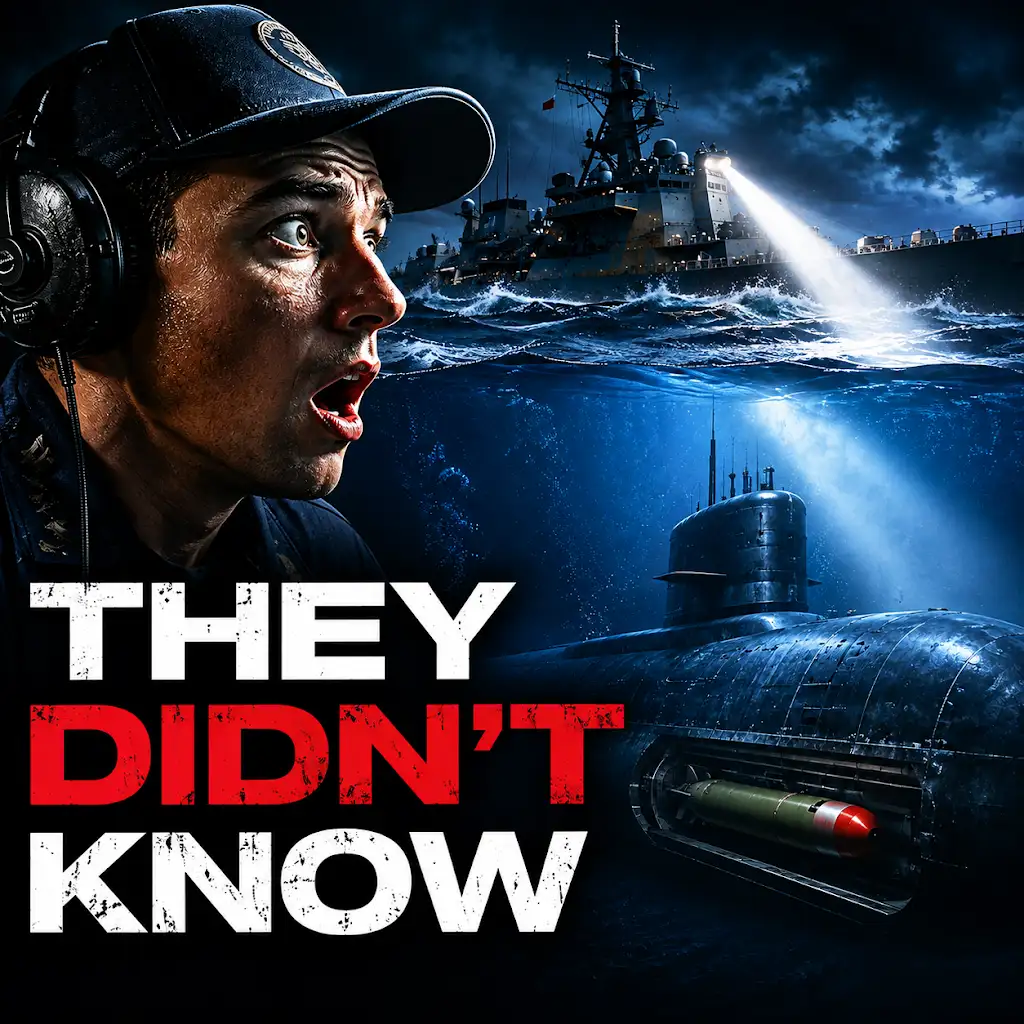
The U.S. Navy Didn’t Know This Submarine Had a Nuclear Torpedo
FAQs
What is the B-59 nuclear torpedo incident?
The B-59 nuclear torpedo incident refers to an event during the Cuban Missile Crisis in 1962, when a Soviet submarine, B-59, was pursued by US Navy vessels and dropped a nuclear-armed torpedo in response to depth charges.
What were the consequences of the B-59 nuclear torpedo incident?
The incident brought the world to the brink of nuclear war, as the US Navy was unaware that the B-59 submarine was armed with a nuclear torpedo. It highlighted the potential for misunderstandings and miscalculations during the Cold War.
How was the B-59 nuclear torpedo incident resolved?
The B-59 nuclear torpedo incident was resolved when the captain of the B-59 submarine, Vasili Arkhipov, refused to authorize the use of the nuclear torpedo, preventing a potential nuclear catastrophe.
What impact did the B-59 nuclear torpedo incident have on international relations?
The incident underscored the need for improved communication and de-escalation measures between the United States and the Soviet Union. It also led to increased efforts to prevent similar misunderstandings in the future.
What lessons can be learned from the B-59 nuclear torpedo incident?
The B-59 nuclear torpedo incident serves as a reminder of the dangers of nuclear brinkmanship and the importance of clear communication and crisis management in international relations. It also highlights the critical role of individual decision-making in high-stakes situations.