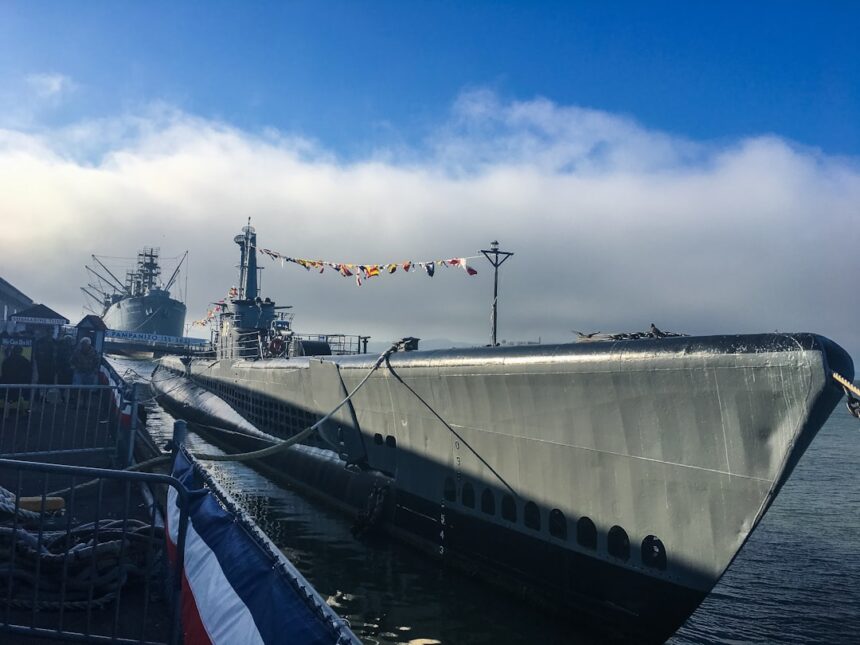
The cold war simmered, a perpetual state of tension between the United States and the Soviet Union. Submarines, those silent hunters of the deep, played a crucial role in this strategic dance. Among them, the Soviet submarine B-59, a diesel-electric vessel of the Project 641 class, carried a secret that would bring the world to the precipice of nuclear war. Its story, a chilling testament to human error, Cold War paranoia, and the razor’s edge of oblivion, is the tale of the mysterious Foxtrot submarine B-59.
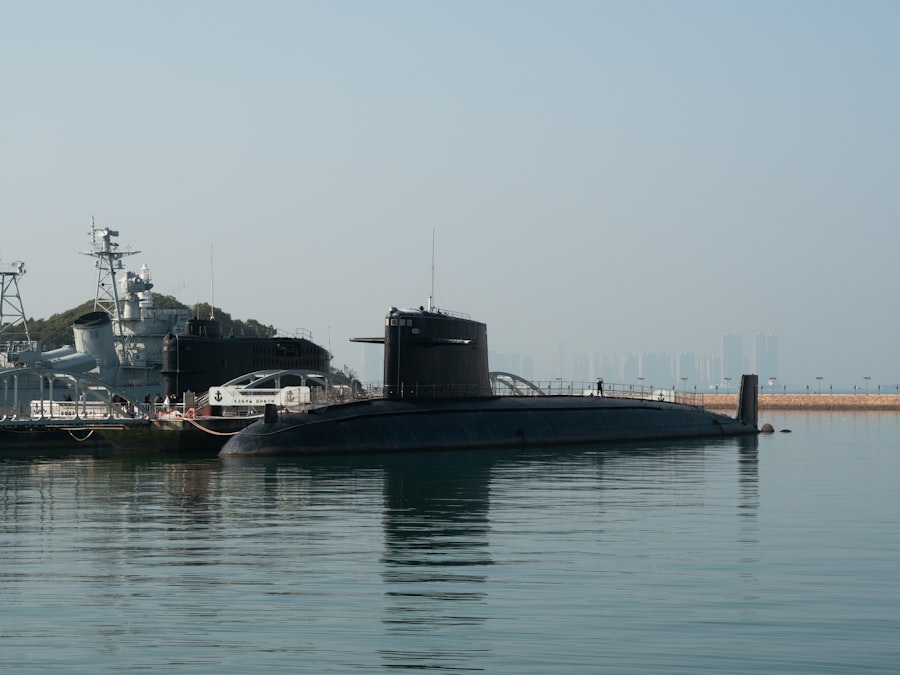
The B-59 was more than just a submarine; it was a floating embodiment of the escalating nuclear arms race. Launched in 1961, it was part of the Soviet Union’s burgeoning submarine fleet, designed to challenge American naval dominance. These diesel-electric Foxtrot-class submarines, while slower and less stealthy than their American nuclear-powered counterparts, were still formidable weapons, capable of launching nuclear torpedoes. The B-59 was assigned to the Northern Fleet, a critical command tasked with patrolling the frigid waters of the Arctic and the North Atlantic, areas vital to the strategic balance of power.
The Strategic Landscape
The early 1960s marked a period of intense geopolitical rivalry. The Cuban Missile Crisis, a defining moment of the Cold War, would soon erupt, highlighting the profound dangers of nuclear confrontation. The Soviet Union, feeling strategically disadvantaged in terms of global nuclear delivery systems, saw submarines as a vital means of projecting power and retaliating in the event of an attack. The Foxtrot class, with its diesel-electric propulsion, offered a degree of stealth during submerged operations, making them harder to detect than some earlier Soviet designs. However, their limited battery life meant they had to surface periodically to recharge, a vulnerability that was keenly understood by both sides.
The Design and Capabilities of the Foxtrot Class
The Project 641 submarines, known to NATO as the Foxtrot class, were a significant development in Soviet submarine technology. They were larger than their predecessors, offering more endurance and carrying a greater payload. Their primary armament consisted of ten torpedo tubes, capable of firing both conventional and nuclear-tipped torpedoes. The B-59 was equipped with the potent Type 65-1 nuclear torpedo, a weapon with a yield of approximately 15 kilotons – comparable to the bomb dropped on Hiroshima. This capability alone underscored the immense destructive potential that resided within the hull of this seemingly ordinary vessel.
The Foxtrot class submarine B-59 is a fascinating subject of study, particularly in the context of Cold War naval history. For those interested in exploring more about the operational capabilities and historical significance of this submarine, a related article can be found at this link. The article delves into the technological advancements of the Foxtrot class and its role during a tense period in global politics.
The Mission: A Routine Patrol Gone Awry
In October 1962, the B-59, under the command of Captain Valentin Savitsky, was dispatched on a mission to the waters off Cuba. The geopolitical climate was already fraught with tension, with Soviet ships en route to the island, ostensibly carrying defensive armaments, but in reality, delivering medium-range ballistic missiles capable of striking deep into the United States. The B-59’s task was to provide covert support and intelligence gathering, a clandestine shadow in the unfolding drama.
The Deployment to Cuba
The deployment was shrouded in secrecy. The B-59, along with two other Foxtrot-class submarines, was ordered to sail to the Caribbean. The crews were largely unaware of the true nature of their mission, told only that they were on a training exercise. This deliberate deception was a hallmark of Soviet military operations, designed to maintain operational security and prevent leaks of sensitive information. The journey to Cuba was arduous, with the submarines facing the constant threat of detection by American naval forces.
The Secret Cargo
Unbeknownst to most of the crew, the B-59, and its sister submarines, carried a highly classified and devastating payload: nuclear torpedoes. This was not standard armament for all Foxtrot submarines, but a specific deployment for this sensitive mission. The existence of these nuclear torpedoes on board the B-59 would become the linchpin of the crisis that was about to unfold. The order to deploy these weapons was a direct reflection of the escalating fears of war and the Soviet Union’s readiness to engage in extreme measures.
The Brink of Nuclear War: The Cuban Missile Crisis
The B-59 found itself caught in the heart of the Cuban Missile Crisis, a thirteen-day confrontation that brought the world closer to nuclear annihilation than ever before. As the United States discovered the Soviet missile installations in Cuba, a naval blockade was imposed, creating a tense standoff. The B-59, along with other Soviet submarines, was tasked with evading the American blockade and operating in the waters surrounding Cuba, a perilous undertaking.
The Discovery and the Blockade
On October 14, 1962, American U-2 spy planes photographed evidence of Soviet missile sites under construction in Cuba. This revelation sparked immediate alarm in Washington. President John F. Kennedy announced a naval “quarantine” of Cuba, effectively a blockade, to prevent further Soviet military shipments. This move was met with defiance by Soviet Premier Nikita Khrushchev, who declared it an act of aggression. The world held its breath as two nuclear superpowers stood on the brink of war.
The B-59’s Predicament
The B-59, operating submerged, found itself trapped by the American blockade. The submarine was running low on battery power and was in desperate need to surface to recharge. However, surfacing would expose it to the American naval forces actively patrolling the area. The pressure on Captain Savitsky and his crew to evade detection was immense.
The Depth Charge Encounters
As the B-59 attempted to evade detection, it was repeatedly subjected to “non-lethal” depth charge attacks by American destroyers. These were signals, intended to force Soviet submarines to surface and identify themselves. However, on board the B-59, cut off from external communication and unable to ascertain the intent of these attacks, they were perceived as potentially lethal assaults. The submarine, already running low on power and oxygen, was subjected to repeated shocks and vibrations, increasing the stress and paranoia within the confined space.
The Decision to Launch: A Moment of Terror
The escalating pressure, the isolation, and the perceived threat of an imminent attack led to a catastrophic decision-making process aboard the B-59. Captain Savitsky, convinced that war had broken out and that his submarine was under direct attack, considered launching its nuclear torpedo. This moment, shrouded in the claustrophobia and fear of the deep, remains one of the most terrifying “what-ifs” of the Cold War.
The Pressure on Captain Savitsky
Captain Savitsky was under immense duress. The submarine was damaged by the depth charges, oxygen levels were falling, and the crew was suffering from the heat and humidity. Compounding this was the belief that they were under sustained attack by the U.S. Navy, and that the entire Soviet Union might be under nuclear assault. In such a state, with no direct communication to Moscow, his options were dwindling.
The Role of Vasili Arkhipov
Crucially, aboard the B-59 was Second Captain Vasili Arkhipov, a more senior officer than Savitsky, who held a vital veto power over the launch of a nuclear weapon. The Soviet submarine doctrine at the time required the agreement of all three senior officers – the captain, the political officer, and the flotilla commander (in this case, Arkhipov) – to launch a nuclear torpedo. Savitsky, driven by panic and what he perceived as imminent destruction, was determined to launch.
The Argument and the Veto
Arkhipov, however, remained remarkably calm. He understood the gravity of the situation and the potential consequences of launching a nuclear torpedo. He argued that the depth charges were likely signaling devices and not intended to sink the submarine. He pointed out that they had no confirmation of a full-scale war, and that launching a nuclear weapon would undoubtedly trigger a devastating retaliation. After a tense and heated exchange, Arkhipov convinced Savitsky and the political officer to stand down. His reasoned judgment, his refusal to succumb to panic, may have saved the world from nuclear war.
The Foxtrot class submarine B-59 played a crucial role during the Cold War, particularly during the Cuban Missile Crisis, when its crew faced a tense standoff that could have escalated into nuclear conflict. For those interested in exploring more about the historical context and implications of this submarine’s missions, you can read a related article that delves into the intricacies of underwater warfare and the geopolitical tensions of the era. This insightful piece can be found here.
The Aftermath and the Legacy
| Attribute | Value |
|---|---|
| Class | Foxtrot |
| Submarine Name | B-59 |
| Displacement | 1,950 tons |
| Length | 299 ft 6 in |
| Beam | 27 ft 11 in |
| Speed | 16 knots (surfaced), 15 knots (submerged) |
| Range | 10,000 nautical miles at 8 knots (surfaced) |
The B-59 eventually managed to escape the blockade and return to port. The crew, though shaken, was unaware of just how close they had come to unleashing global catastrophe. The story of the B-59 and Vasili Arkhipov’s heroic actions remained largely unknown to the public for decades, a hidden chapter in the annals of the Cold War.
The Return to Port and the Silence
The B-59, battered but intact, eventually made its way back to its home port. The crew, having survived a harrowing ordeal, likely experienced a mix of relief and exhaustion. However, the full implications of their mission and the near-disaster were not immediately apparent to them. The Soviet command likely debriefed the officers thoroughly, but the secrecy surrounding nuclear weapons and Cold War operations meant that the public remained largely oblivious to the B-59’s role in the Cuban Missile Crisis.
The Unveiling of the Truth
It was not until years later, with the declassification of documents and the memoirs of key figures, that the full story of the B-59 and its nuclear potential began to emerge. The efforts of historians and researchers brought to light the critical role played by Vasili Arkhipov, who was ultimately recognized as a silent hero. His decisive action in preventing the launch of the nuclear torpedo was a stark reminder of the precariousness of the Cold War and the importance of rational decision-making under extreme pressure.
Lessons for the Future
The story of the B-59 serves as a powerful and chilling reminder of the dangers of nuclear proliferation and the fragility of peace. It highlights the critical importance of clear communication, de-escalation, and the presence of individuals with the wisdom and courage to resist rash decisions in times of crisis. The “what-if” of the B-59’s nuclear torpedo remains a haunting specter, a testament to the thin line between survival and annihilation that the world walked during the Cold War. The Foxtrot submarine B-59, though no longer patrolling the seas, continues to whisper its silent, terrifying story, urging humanity to learn from its brush with ultimate destruction.
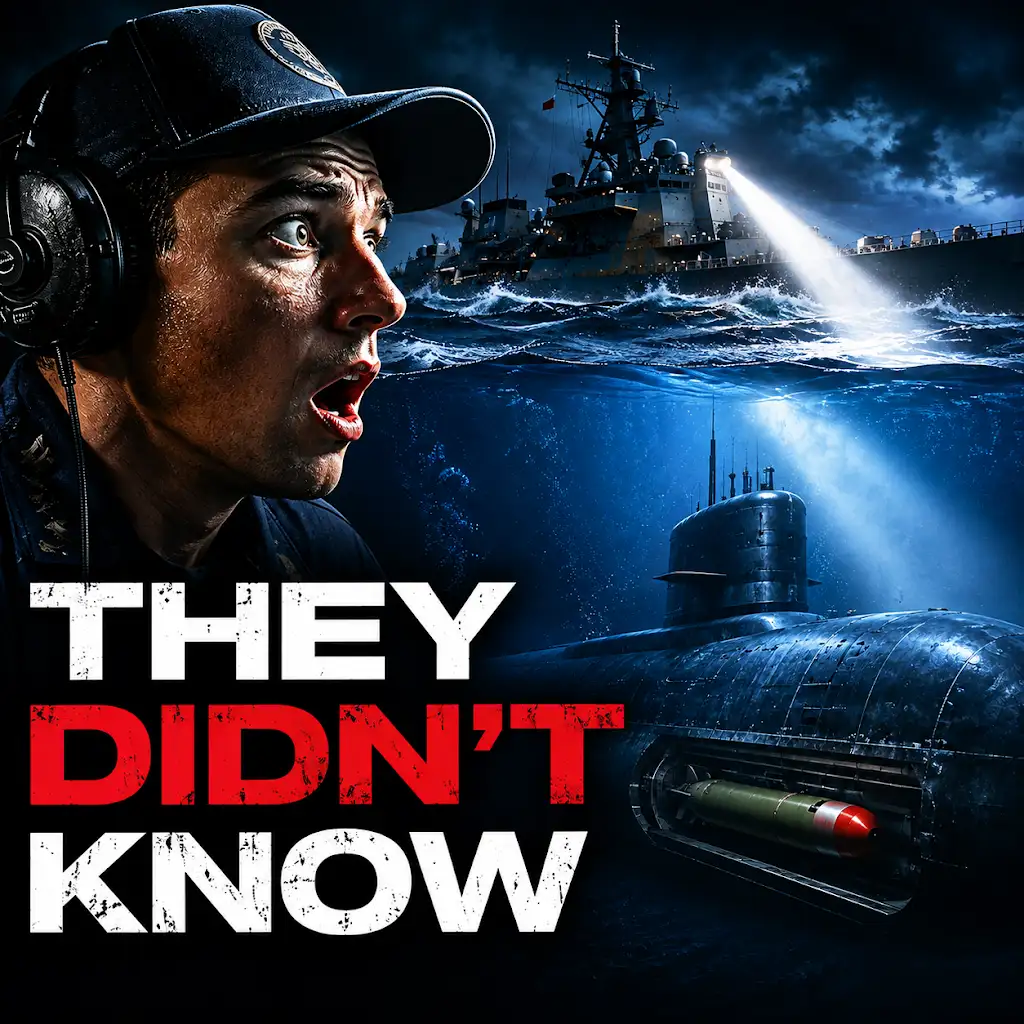
The U.S. Navy Didn’t Know This Submarine Had a Nuclear Torpedo
FAQs
What is a Foxtrot class submarine B-59?
The Foxtrot class submarine B-59 was a Soviet diesel-electric attack submarine that was in service during the Cold War era. It was designed for anti-submarine warfare and reconnaissance missions.
When was the Foxtrot class submarine B-59 in service?
The Foxtrot class submarine B-59 was in service with the Soviet Navy from the 1950s until the 1990s. It played a significant role in the naval operations of the Soviet Union during the Cold War.
What were the specifications of the Foxtrot class submarine B-59?
The Foxtrot class submarine B-59 had a length of approximately 299 feet, a beam of 24 feet, and a submerged displacement of around 1,950 tons. It was powered by diesel-electric propulsion and had a top speed of 16 knots when surfaced and 15 knots when submerged.
What was the role of the Foxtrot class submarine B-59 during the Cuban Missile Crisis?
During the Cuban Missile Crisis in 1962, the Foxtrot class submarine B-59 was involved in a tense standoff with the United States. It was one of the submarines that received orders to launch a nuclear torpedo in response to depth charges from U.S. Navy vessels, but the decision to do so was ultimately vetoed by the captain and political officer on board.
What happened to the Foxtrot class submarine B-59 after it was decommissioned?
After being decommissioned from the Soviet Navy in the 1990s, the Foxtrot class submarine B-59 was eventually sold to a private owner and turned into a museum ship. It is currently on display in a maritime museum in a coastal city.