The year is 1962. The world teetered on the precipice of nuclear annihilation, a terrifying reality played out not on a battlefield, but in the tense corridors of power and the dark depths of the ocean. While world leaders grappled with escalating rhetoric and brinkmanship, it was a man aboard a Soviet submarine, deep beneath the Caribbean Sea, who unknowingly held the fate of humanity in his hands. Vasili Arkhipov, a relatively unknown naval officer, was thrust into an unheralded role of immense consequence during the Cuban Missile Crisis, a story of courage, reason, and the quiet heroism that averted a global catastrophe.
The summer of 1962 had been a period of simmering tensions between the United States and the Soviet Union. The ideological divide, a constant feature of the Cold War, was about to boil over into its most dangerous confrontation. The placement of Soviet nuclear missiles in Cuba, a mere 90 miles from the Florida coast, was a strategic gambit by Nikita Khrushchev, aiming to counterbalance American missile deployments in Turkey and deter any future U.S. invasion of Cuba.
A Strained Relationship: U.S.-Cuban Hostility
Following the Cuban Revolution of 1959, Fidel Castro’s socialist government had become increasingly aligned with the Soviet Union. This shift was met with alarm and hostility by the United States, which viewed Cuba’s proximity as a direct threat to its national security. The failed Bay of Pigs invasion in 1961, a U.S.-backed attempt to overthrow Castro, only solidified this animosity and pushed Cuba further into the Soviet embrace.
The Discovery: U-2 Flights and Photographic Evidence
The United States, through its high-altitude reconnaissance flights by U-2 spy planes, began to gather undeniable evidence of Soviet missile installations in Cuba. These photographs, stark and unambiguous, painted a picture of imminent danger. The discovery sent shockwaves through the American administration, leading President John F. Kennedy to convene a group of advisors, known as ExComm, to formulate a response.
The Quarantine and the Brink: A World on Edge
President Kennedy, after much deliberation, opted for a naval quarantine, or blockade, of Cuba to prevent further Soviet military shipments. This decision, while avoiding a direct invasion, brought the two superpowers to the brink of war. Soviet ships carrying military hardware continued to approach the quarantine line, and the world watched with bated breath, anticipating a confrontation that could easily escalate into nuclear conflict. The phrase “eyeball to eyeball” would soon become a chilling descriptor of the global mood.
Vasili Arkhipov played a crucial role during the Cuban Missile Crisis, as his decision to withhold consent for the use of nuclear weapons aboard a Soviet submarine potentially averted a catastrophic escalation of the conflict. For a deeper understanding of the events surrounding this tense period and the pivotal moments that defined it, you can read a related article that explores the intricate dynamics of the crisis and the key figures involved. Check it out here: In The War Room.
The Silent Observer: Vasili Arkhipov’s Submarine Mission
Unbeknownst to the world’s leaders, a critical element of the Soviet response was unfolding beneath the waves. The submarine B-59, a diesel-electric vessel, was part of a flotilla of Soviet submarines sent to patrol the waters around Cuba. Their mission was ostensibly defensive, but they were armed with nuclear-tipped torpedoes, a fact that would become paramount.
A Dangerous Deployment: Soviet Submarines in the Atlantic
The Soviet Union’s decision to deploy nuclear-armed submarines was a calculated move to project power and deter American aggression. These vessels were a tangible, if hidden, threat, a silent testament to Soviet military capabilities. The B-59, under the command of Valentin Savitsky, was one of these submarines, tasked with operating in the waters near Cuba and observing American naval movements.
The Isolation of B-59: Communication Blackout and Growing Pressure
A crucial factor in the unfolding drama aboard the B-59 was the deliberate jamming of radio communications by the U.S. Navy. This meant that the submarine’s crew was largely unaware of the broader context of the crisis. They knew they were on a mission, but the full extent of the danger and the diplomatic negotiations occurring above the surface were beyond their reach. This isolation amplified the pressure and the potential for miscalculation.
The Nuclear Arsenal: Torpedoes of Mass Destruction
The B-59 carried three nuclear torpedoes. In the event of a perceived attack, the submarine’s captain and two other officers had the authority to launch these weapons. This was a horrifying responsibility, especially considering the limited information and the extreme stress of the situation. The presence of these weapons was a constant, grim reminder of the stakes.
The Moment of Truth: A Collision Course with Disaster

On October 27, 1962, a day that would later be known as “Black Saturday,” the B-59 found itself in grave danger. The submarine was being harassed by U.S. naval forces, who were attempting to force it to surface. Unaware of the true nature of the U.S. actions – which were intended to make the submarines surface and reveal their presence – the Soviet crew perceived these actions as hostile attacks.
The Depth Charges: Harassment from Above
The American destroyers, unaware that B-59 was nuclear-armed, began dropping non-explosive depth charges around the submarine. These were intended as signaling devices, a way to communicate and compel the submarine to surface. However, for the crew of the B-59, trapped in their submerged vessel with limited communication, these explosions were perceived as direct attacks. The hull of the submarine groaned under the pressure, and the crew endured increasing stress and discomfort.
The Captain’s Decision: A Proposal to Launch
Captain Savitsky, believing they were under a full-blown attack and that war had begun, ordered his officers to prepare to launch a nuclear torpedo. The atmosphere on board was one of extreme tension and fear. The submarine’s oxygen levels were dangerously low, and the heat inside the vessel was stifling, contributing to the overall psychological strain on the crew.
The Chain of Command: The Three Who Held the Power
The launch of a nuclear torpedo required the agreement of three senior officers: the commanding officer, the political officer, and the chief of staff. Captain Savitsky, convinced of the impending doom, was ready to authorize the launch. The political officer, Ivan Maslennikov, also seemed to lean towards retaliation. The fate of the world now rested on the shoulders of the third man.
The Unsung Hero: Vasili Arkhipov’s Act of Reason
It was at this critical juncture that Vasili Arkhipov, the flotilla commander and the second-in-command of the B-59, stepped forward. Despite the immense pressure and the apparent consensus for retaliation, Arkhipov exercised a remarkable degree of calm and critical thinking. He understood the potential consequences of launching a nuclear weapon and challenged the captain’s decision.
Dissent in the Ranks: Challenging Authority
Arkhipov vehemently disagreed with Savitsky. He argued that the depth charges were not direct attacks and that launching a nuclear torpedo would inevitably lead to a full-scale nuclear war. He pointed out the lack of clear evidence that they were under attack and emphasized the catastrophic implications of their actions. His reasoning was based on a clear understanding of the geopolitical situation and the destructive power they possessed.
The Weight of Responsibility: A Courageous Stand
His position was not an easy one. Challenging the authority of the captain in such a high-stress environment was a dangerous act in itself. However, Arkhipov understood that his responsibility extended beyond the immediate threat and encompassed the survival of humanity. He stood firm, refusing to give his consent for the launch.
The Power of One Vote: Averting Catastrophe
The Soviet submarine protocol at the time required unanimous consent from the three officers to launch a nuclear weapon. Arkhipov’s dissent was the dissenting vote that prevented the launch. His refusal to be swayed by the fear and panic that gripped the submarine, his insistence on rational thought over impulsive action, was the single most crucial factor in preventing the escalation of the Cuban Missile Crisis into a nuclear inferno.
Vasili Arkhipov played a crucial role during the Cuban Missile Crisis, as his decision to withhold consent for a nuclear strike averted a potential catastrophe. His actions have been the subject of various analyses, highlighting the importance of individual choices in high-stakes situations. For a deeper understanding of the strategic implications of this event, you can explore a related article that discusses the broader context of the crisis and its impact on international relations. Check it out here for more insights.
The Aftermath and Legacy: A Story Nearly Lost to History
| Event | Details |
|---|---|
| Name | Vasili Arkhipov Cuban Missile Crisis |
| Role | Soviet Navy officer |
| Significance | Prevented nuclear war by refusing to launch a nuclear torpedo during the Cuban Missile Crisis |
| Impact | His decision helped avert a potential nuclear catastrophe |
Vasili Arkhipov’s decisive action on that fateful day remained largely unknown for decades. The Soviet Union, like the United States, was often hesitant to publicize events that highlighted potential internal disagreements or moments of near-disaster. However, as the Cold War thawed and historical records were declassified, Arkhipov’s story began to emerge, revealing the profound impact of his quiet courage.
The Submarine’s Return: A Return to the Unknown
After a tense period of negotiation and de-escalation above the water, the B-59 was eventually allowed to return to Soviet waters. The crew, though unaware of the full extent of their near-miss, carried with them the lingering memories of the intense harassment and the dark possibility of using their nuclear arsenal. They returned to a world that had, by the slimmest of margins, avoided oblivion.
The Unsung Hero’s Recognition: A Delayed Acknowledgement
It was only in the late 20th and early 21st centuries that Vasili Arkhipov’s role began to receive widespread recognition. Historians and researchers, piecing together accounts from both sides of the Iron Curtain, identified him as the individual whose critical thinking and courage prevented a nuclear catastrophe. His story serves as a powerful reminder that heroism can manifest in the most unexpected circumstances and in the quietest of acts.
The Lesson of Arkhipov: The Importance of Restraint and Reason
The legacy of Vasili Arkhipov is a profound one. His actions underscore the vital importance of reason, restraint, and clear thinking in moments of extreme crisis. They highlight the human element that can influence the course of history, even when faced with overwhelming technological power and intense political pressure. His story is a testament to the fact that one individual, acting with integrity and wisdom, can indeed make a world of difference.
In the grand narrative of the Cuban Missile Crisis, Vasili Arkhipov may have been a silent player, but his role was undeniably pivotal. He was the unsung hero who, deep beneath the waves, stared into the abyss of nuclear war and chose reason over destruction. His quiet courage, often overlooked in the clamor of grand pronouncements and geopolitical maneuvers, stands as a timeless reminder of the human capacity for extraordinary bravery in the face of unimaginable peril. The world owes a debt of gratitude to Vasili Arkhipov, the man who, with a single word, kept the peace.
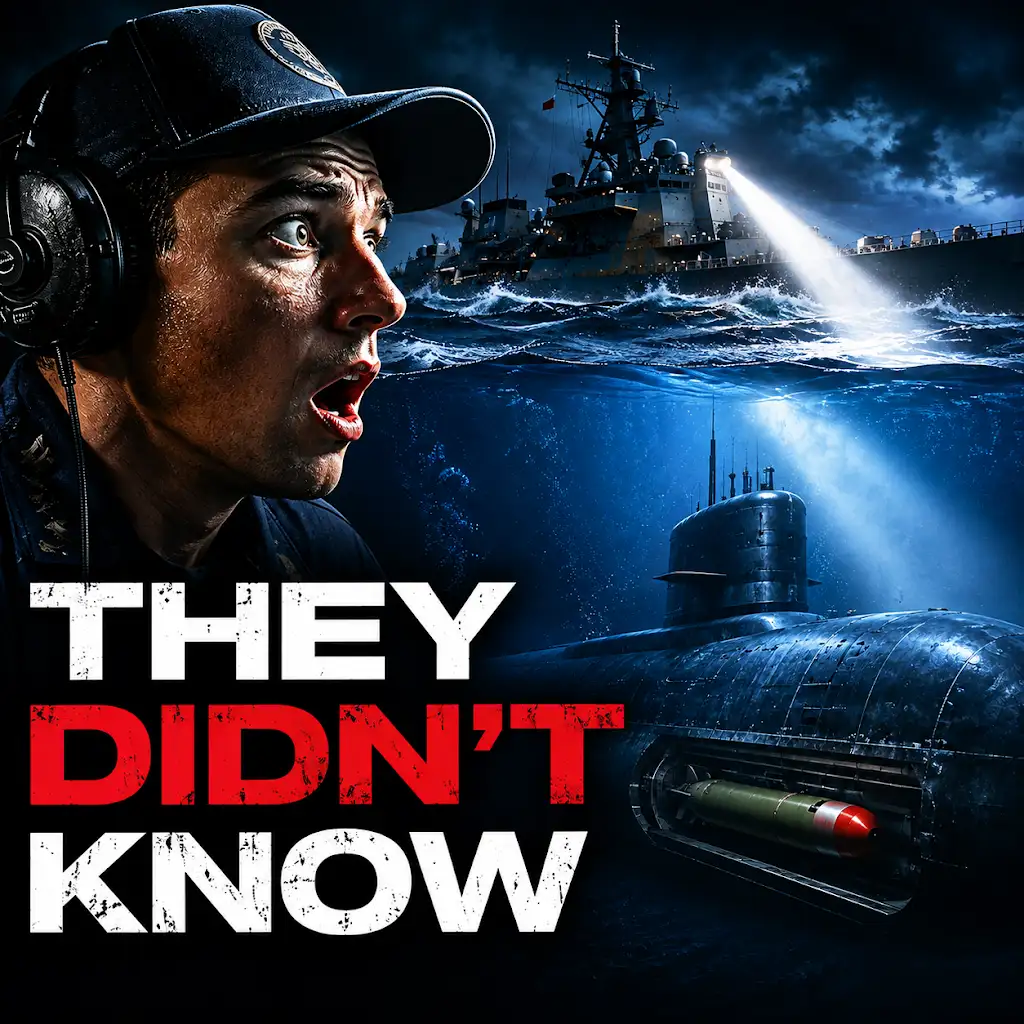
The U.S. Navy Didn’t Know This Submarine Had a Nuclear Torpedo
FAQs
1. Who was Vasili Arkhipov and what was his role in the Cuban Missile Crisis?
Vasili Arkhipov was a Soviet naval officer who played a critical role in preventing nuclear war during the Cuban Missile Crisis in 1962. As the second-in-command on a Soviet submarine, he refused to authorize the use of nuclear torpedoes against US warships, ultimately preventing a potential nuclear conflict.
2. What happened during the Cuban Missile Crisis?
The Cuban Missile Crisis was a 13-day confrontation between the United States and the Soviet Union in October 1962. It was sparked by the discovery of Soviet ballistic missiles in Cuba, which posed a direct threat to the United States. Tensions escalated as both sides engaged in a high-stakes standoff, bringing the world to the brink of nuclear war.
3. How did Vasili Arkhipov prevent a nuclear war during the Cuban Missile Crisis?
Vasili Arkhipov’s decisive action occurred on October 27, 1962, when his submarine, B-59, was depth-charged by US warships near Cuba. Despite being cut off from communication with Moscow and under extreme pressure, Arkhipov refused to authorize the use of nuclear torpedoes, thereby preventing a potential nuclear conflict.
4. What were the consequences of the Cuban Missile Crisis?
The Cuban Missile Crisis had far-reaching consequences, including a renewed focus on nuclear arms control and a hotline established between the US and the Soviet Union to improve communication and prevent future crises. It also led to a period of détente, or easing of tensions, between the two superpowers.
5. How is Vasili Arkhipov remembered today?
Vasili Arkhipov is remembered as a hero for his role in preventing a nuclear war during the Cuban Missile Crisis. His actions have been widely recognized and celebrated, and he is considered a symbol of the importance of level-headed decision-making in times of crisis.