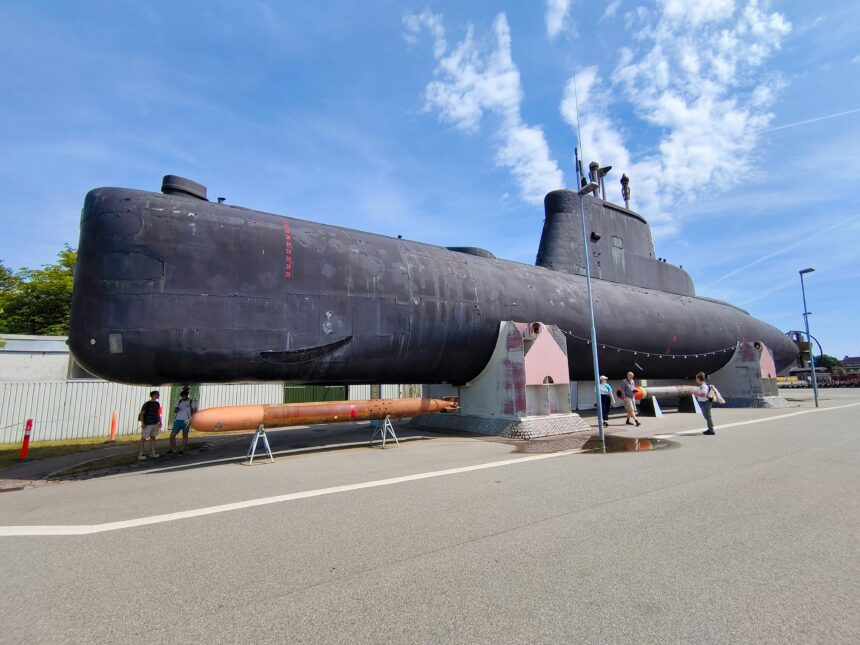
The rumbling depths of the Atlantic Ocean held secrets during the tense days of October 1962, and among them was the silent patrol of the Soviet submarine B-59, colloquially known as “Foxtrot.” While history often focuses on the aerial reconnaissance and naval blockade, the role of submarines, particularly Foxtrot, during the Cuban Missile Crisis was far more critical and precarious than commonly understood. These submerged vessels, tasked with clandestine operations and armed with nuclear torpedoes, represented a tangible and terrifying escalation point in the standoff between the United States and the Soviet Union. The story of Foxtrot Submarine’s involvement is not just one of strategic positioning, but a dramatic human narrative of desperation, defiance, and ultimately, a near-cataclysmic misjudgment.
The Cuban Missile Crisis, a thirteen-day confrontation that brought the world closer to nuclear war than ever before, was the culmination of a complex geopolitical chess match. Following the failed Bay of Pigs invasion in 1961, Cuban leader Fidel Castro sought stronger security guarantees from his Soviet allies. Soviet Premier Nikita Khrushchev, seeing an opportunity to counter American missile deployments in Turkey and bolster his own influence in the Western Hemisphere, decided to secretly place medium- and intermediate-range ballistic missiles on Cuban soil. This audacious move, discovered by U.S. U-2 spy planes on October 14, 1962, triggered an immediate and intense crisis.
The Strategic Imperative of Submarine Deployment
The Soviet Union, aware of its strategic inferiority in terms of intercontinental ballistic missiles, saw submarines as a vital component of its nuclear deterrent. Their ability to operate undetected and launch retaliatory strikes from mobile platforms made them a significant threat. During the Cuban Missile Crisis, the deployment of Foxtrot-class submarines, along with other vessels, was part of a multi-pronged Soviet strategy.
Securing Soviet Naval Presence
The presence of Soviet submarines in the Caribbean was intended to project power and demonstrate the USSR’s willingness to defend its interests. While the primary focus was on the land-based missiles, a robust naval presence was deemed necessary to deter any direct American invasion of Cuba and to potentially engage any U.S. naval forces that might attempt to blockade or intercept Soviet shipping.
The Deterrent Value of Nuclear Torpedoes
The most chilling aspect of Foxtrot’s involvement was its armament. B-59, like several other Foxtrot-class submarines deployed during the crisis, carried nuclear torpedoes. These weapons represented a devastating offensive capability, capable of sinking entire American aircraft carrier groups. The knowledge that these submarines, operating under immense pressure and in potentially hostile waters, were armed with such destructive power added an unprecedented layer of danger to the already volatile situation.
The Foxtrot submarine played a significant role during the Cuban Missile Crisis, highlighting the tense naval standoff between the United States and the Soviet Union. For a deeper understanding of the strategic implications and the events surrounding this critical moment in history, you can read a related article on the topic at In The War Room. This resource provides valuable insights into the military strategies employed and the geopolitical ramifications of the crisis.
Foxtrot Submarine: A Technological and Operational Overview
The Foxtrot-class submarines, officially designated Project 641, were diesel-electric attack submarines designed and built by the Soviet Union during the Cold War. While not as technologically advanced as their American counterparts, they were sturdy, reliable, and capable of extended submerged operations. Their deployment to Cuba was a significant undertaking, requiring careful planning and execution.
Design and Capabilities
The Foxtrot-class submarines were characterized by their long, slender hulls, designed for efficient underwater propulsion. They were armed with a battery of torpedoes, including conventional and, crucially for the crisis, nuclear-tipped variants. Their diesel engines allowed for rapid transit on the surface, while their electric motors enabled silent running underwater.
Endurance and Operational Range
These submarines were designed for long patrols, capable of remaining submerged for significant periods. This endurance was critical for their mission during the Cuban Missile Crisis, allowing them to evade detection and maintain a persistent presence in the waters around Cuba. The operational range of the Foxtrot-class meant they could effectively patrol vast stretches of the Atlantic.
The Specifics of B-59
The submarine B-59, the specific Foxtrot that became infamous, was one of the approximately 60 submarines of its class commissioned by the Soviet Navy. Its captain, Valentin Savitsky, was a seasoned submariner, but the crew was operating under extraordinary circumstances, often far from home and facing an unprecedented threat. The psychological toll on the crew, confined in a cramped, hot, and often uncomfortable environment, was immense.
Armament of B-59
Crucially, B-59 was equipped with three nuclear torpedoes. The presence of these weapons was not a secret to the Soviet command, but it was a stark and terrifying reality for the U.S. Navy, which was unaware of the exact number and deployment of these nuclear-armed submarines in the vicinity of Cuba.
The U.S. Navy’s Confrontation and the Brink of War
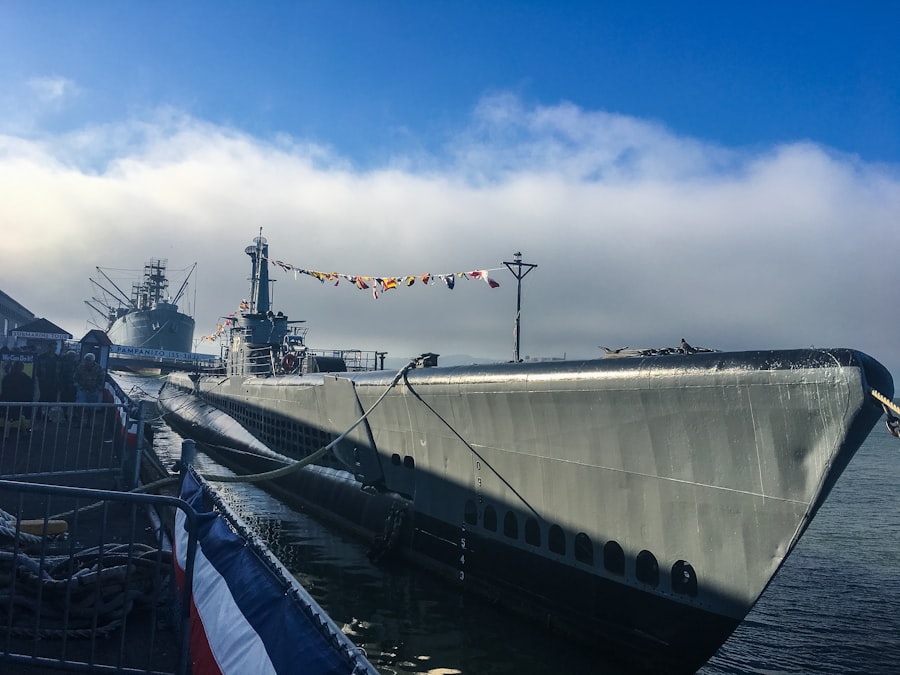
As the U.S. discovered the Soviet missile installations, President John F. Kennedy announced a naval “quarantine” of Cuba on October 22, 1962. This blockade was designed to prevent further Soviet military shipments from reaching the island. The U.S. Navy was tasked with enforcing this quarantine, which inevitably led to confrontations with Soviet vessels, including submarines.
The Interception of Soviet Ships
The U.S. Navy deployed a massive fleet to the Caribbean, with destroyers and other warships tasked with identifying and challenging any vessel approaching Cuba. The tension was palpable as Soviet ships, some carrying military equipment, were intercepted and ordered to halt or turn back.
The Strategic Importance of Anti-Submarine Warfare
The U.S. was acutely aware of the potential threat posed by Soviet submarines. Anti-submarine warfare (ASW) units were deployed extensively, employing sonar, depth charges, and other detection methods to locate and track any submerged Soviet vessels. The fear was that a desperate Soviet submarine commander, cut off and under attack, might resort to using their nuclear weapons.
The Ill-Fated Encounter with B-59
The most dramatic and critical encounter involving Foxtrot Submarine occurred on October 27, 1962, a day that would later be known as “Black Saturday.” U.S. Navy destroyers, part of the quarantine line, detected B-59 and began dropping signaling depth charges. These were intended to force the submarine to the surface to identify itself.
The Misinterpretation of Signals
The crew of B-59, submerged and unaware of the broader diplomatic negotiations unfolding above, believed they were under a full-scale attack. The depth charges, even though not intended to cause damage, were a terrifying experience for the submariners. The communication systems with Moscow were unreliable, adding to their isolation and confusion.
The Nuclear Torpedo Decision
Inside B-59, the situation escalated rapidly. Captain Savitsky, under immense pressure and believing war had begun, ordered his officers to prepare to launch a nuclear torpedo. The protocol at the time required the agreement of three senior officers to launch such a weapon.
The Courage of Vasili Arkhipov
This is where the crucial intervention of Vasili Arkhipov, the flotilla commander and second-in-command of B-59, became paramount. While accounts vary slightly, it is widely accepted that Arkhipov refused to authorize the launch of the nuclear torpedo. He understood the devastating consequences of such an act and that it would likely trigger a full-scale nuclear war.
The Near-Catastrophe and its Resolution
Arkhipov’s calm demeanor and his refusal to succumb to the panic are credited with averting a global catastrophe. The submarine eventually surfaced, and after tense negotiations and communication with Moscow, it was allowed to proceed. However, the incident highlighted the terrifying fragility of peace and the immense responsibility placed upon individuals in positions of extreme authority during the crisis.
The Unseen Role and Its Historical Significance
The story of Foxtrot Submarine, particularly the events aboard B-59, remained largely unknown to the public for decades. Its revelation has since reshaped our understanding of the Cuban Missile Crisis, emphasizing the critical role of human judgment and the inherent dangers of nuclear proliferation.
The Importance of Arkhipov’s Action
Vasili Arkhipov’s role as a reluctant hero is now a central part of the narrative. His calm reasoning and unwavering commitment to de-escalation saved countless lives. His actions serve as a powerful reminder that even in the most dire circumstances, individual courage and rational thought can make a profound difference.
The Legacy of “What If”
The near-launch of the nuclear torpedo by B-59 has led to endless speculation about “what if.” Historians and strategists have analyzed the potential consequences, all of which point to a devastating and widespread nuclear conflict. The incident underscores the inherent risks of placing nuclear weapons under the command of individuals who may be operating under extreme duress and with limited information.
The Evolution of Nuclear Deterrence Strategy
The Cuban Missile Crisis and the Foxtrot incident profoundly influenced nuclear deterrence strategy. The realization of how close the world came to nuclear annihilation led to a greater emphasis on communication, arms control, and the establishment of direct lines of communication between superpowers, such as the Moscow-Washington hotline.
The Peril of Escalation
The crisis served as a stark lesson in the dangers of escalation. The actions of both sides, while driven by strategic considerations, had the potential to spiral out of control. The Foxtrot incident, in particular, demonstrated how even localized confrontations could inadvertently trigger a global nuclear exchange.
The Foxtrot submarine played a significant role during the Cuban Missile Crisis, showcasing the intense naval strategies employed during this critical period in history. For a deeper understanding of the geopolitical tensions and military maneuvers that characterized this era, you can explore a related article that delves into the broader implications of the crisis. This insightful piece can be found at this link, where you will discover more about the strategic decisions made by world leaders at the time.
The Submerged Threat: A Constant Shadow
| Event | Date | Location | Outcome |
|---|---|---|---|
| Foxtrot submarine deployment | October 1962 | Caribbean Sea | Increased tensions during Cuban Missile Crisis |
| Role of Foxtrot submarine | October 1962 | Caribbean Sea | Surveillance and potential attack capabilities |
| Impact of Foxtrot submarine | October 1962 | Caribbean Sea | Contributed to the escalation of the crisis |
The presence of Foxtrot submarines and their nuclear-armed capabilities during the Cuban Missile Crisis represented a constant, submerged threat. Unlike visible naval fleets, submarines operated in a realm of uncertainty, their movements and intentions often unknown. This opacity amplified the fear and tension.
The Psychological Impact on Navies
For the U.S. Navy, the knowledge that Soviet submarines armed with nuclear torpedoes were lurking in the waters was a source of constant anxiety. The potential for a surprise attack, even in the context of a blockade, was a significant concern. The ASW operations were therefore not just tactical maneuvers, but a desperate attempt to counter an invisible and potentially devastating threat.
The Difficulty of Detection
Despite advanced sonar technology, detecting and tracking submarines in the vastness of the ocean remained a significant challenge. The Foxtrot-class submarines, designed for stealth, were difficult to locate, and their ability to remain submerged for extended periods made them elusive adversaries.
The Strategic Implications of Submarine Warfare
The crisis highlighted the evolving nature of submarine warfare. The deployment of nuclear torpedoes meant that submarines were no longer just instruments of conventional warfare but potent nuclear delivery systems. This shifted the strategic calculus, as any engagement with a Soviet submarine carried the risk of nuclear escalation.
The Shadow of Mutually Assured Destruction (MAD)
The Foxtrot incident served as a potent, albeit frightening, real-world demonstration of the principles of Mutually Assured Destruction (MAD). The knowledge that an attack on a nuclear-armed submarine could trigger a retaliatory nuclear strike meant that both sides had a vested interest in avoiding such a confrontation.
Conclusion: Lessons from the Deep
The story of Foxtrot Submarine’s role in the Cuban Missile Crisis is a somber and vital chapter in human history. It is a testament to the precariousness of peace in the nuclear age and the immense responsibility that comes with possessing weapons of mass destruction. The bravery of Vasili Arkhipov and the crew of B-59, though born out of a desperate situation, offers a glimmer of hope and a profound lesson.
The Human Element in Geopolitical Crises
The crisis underscores that even the most complex geopolitical maneuvers are ultimately carried out by individuals. The decisions made by leaders and the actions of those on the front lines, like the crew of B-59, can have far-reaching consequences. The human element, with its capacity for both fear and courage, plays a critical role in determining the outcome of such confrontations.
The Importance of Diplomacy and Communication
The near-catastrophe of the Cuban Missile Crisis, and particularly the Foxtrot incident, served as a powerful impetus for improved diplomatic relations and communication channels between the superpowers. The establishment of the Moscow-Washington hotline was a direct response to the realization that clear and rapid communication was essential to prevent future misunderstandings and escalations.
A Perpetual Warning from the Ocean’s Depths
The Foxtrot submarine, a silent sentinel of the Cold War, left an indelible mark on history. Its story is a perpetual warning from the ocean’s depths: a reminder that the specter of nuclear war is never truly banished and that vigilance, diplomacy, and a profound respect for the consequences of our actions are paramount in safeguarding humanity’s future. The lessons learned from Foxtrot’s tense patrol continue to resonate, urging us to remember the fragility of peace and the immense power of responsible decision-making.
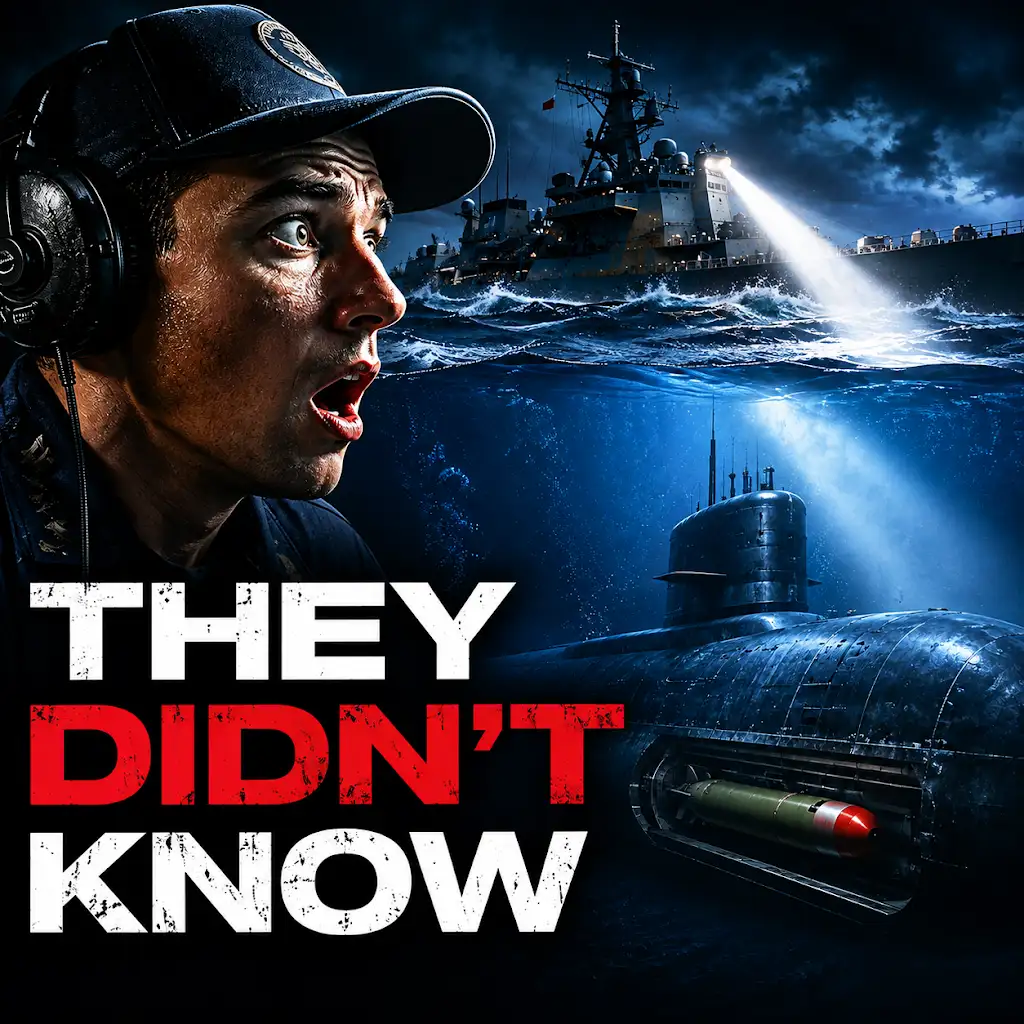
The U.S. Navy Didn’t Know This Submarine Had a Nuclear Torpedo
FAQs
What was the Foxtrot submarine’s role in the Cuban Missile Crisis?
The Foxtrot submarine played a significant role in the Cuban Missile Crisis as it was one of the Soviet submarines deployed to Cuba with the task of providing support and protection for the Soviet missile installations.
How did the Foxtrot submarine contribute to the tension during the Cuban Missile Crisis?
The Foxtrot submarine contributed to the tension during the Cuban Missile Crisis by being part of the Soviet naval presence in the Caribbean, which heightened the sense of threat and potential for conflict between the United States and the Soviet Union.
What actions did the Foxtrot submarine take during the Cuban Missile Crisis?
During the Cuban Missile Crisis, the Foxtrot submarine operated in the vicinity of Cuba, monitoring and potentially preparing to defend the Soviet missile sites. It was also involved in the tense standoff with U.S. naval forces in the region.
Was the Foxtrot submarine involved in any direct confrontations during the Cuban Missile Crisis?
The Foxtrot submarine was involved in a potentially dangerous confrontation with U.S. naval forces during the Cuban Missile Crisis. It was tracked and subjected to depth charge attacks by U.S. Navy destroyers, which brought the crisis to the brink of nuclear war.
What was the outcome for the Foxtrot submarine after the Cuban Missile Crisis?
After the Cuban Missile Crisis, the Foxtrot submarine returned to the Soviet Union. The crisis highlighted the dangers of nuclear brinkmanship and led to efforts to improve communication and reduce the risk of accidental conflict between the superpowers.