The silent depths of the ocean, usually a domain of unseen predators and geological formations, became a crucial theater of operations during the tense thirteen days of the Cuban Missile Crisis in October 1962. While the world held its breath, teetering on the brink of nuclear annihilation, the United States Navy submarines, operating with stealth and precision, played an indispensable, albeit often overlooked, role in the successful de-escalation of this existential threat. Their presence, their capabilities, and the critical decisions made concerning their deployment and potential use formed a vital component of the overall U.S. strategy, providing both a deterrent and a last resort.
The deployment of U.S. Navy submarines during the Cuban Missile Crisis was not a spontaneous reaction but rather a calculated and pre-planned measure, reflecting the strategic thinking of the era. Even before the official confirmation of Soviet missile installations in Cuba, U.S. intelligence had been monitoring unusual shipping activity and construction in the region. The submarines, with their inherent ability to operate covertly, were ideally suited for this intelligence-gathering mission.
Early Warning and Surveillance
Long before the crisis erupted into public consciousness, submarines were tasked with maintaining a persistent, albeit low-profile, surveillance of Soviet naval movements. Their advanced sonar systems, capable of detecting the faintest of sounds, allowed them to track the approach of Soviet vessels, including those suspected of carrying sensitive cargo. These patrols were a constant cat-and-mouse game, with submarines meticulously logging the movements of potential adversaries, providing invaluable data to intelligence analysts ashore. The information gathered from these silent sentinels was critical in building the picture of Soviet intentions and capabilities.
Monitoring Cuban Waters
As the crisis intensified, the deployment of submarines shifted to more direct monitoring of Cuban territorial waters and the approaches. The U.S. Navy’s submarine fleet, encompassing both diesel-electric and the newer, more potent nuclear-powered vessels, was strategically positioned to observe any attempts by Soviet ships to deliver further offensive weaponry or to reinforce existing installations. This constant vigil meant that any significant escalation in Cuban or Soviet naval activity would be immediately detected and reported.
The “Quarantine” and Submarine Patrols
President Kennedy’s decision to implement a naval “quarantine” (a blockade, in essence) around Cuba significantly amplified the role of submarines. While surface ships enforced the quarantine line, submarines operated beneath the waves, performing a dual role: monitoring the effectiveness of the quarantine and providing an unseen deterrent.
Enforcing the Blockade from Below
The submarines’ presence under the quarantine line was a powerful psychological weapon. Soviet ships approaching Cuba knew they could be detected at any moment by an unseen adversary. This added a layer of uncertainty and risk to their passage, potentially influencing their decisions to turn back or to proceed with caution. While surface vessels visually inspected cargo, submarines acted as an invisible net, ready to react if any ship attempted to breach the blockade with illicit materials.
The Unseen Deterrent
The sheer threat of the submarine force was a potent deterrent. The knowledge that a sophisticated and lethal underwater force was actively patrolling the waters around Cuba was a significant factor in the strategic calculations of both the Soviet Union and Cuba. This unseen capability contributed to the overall tension and the sense of immense stakes involved, subtly nudging decision-makers towards de-escalation.
The Cuban Missile Crisis of 1962 was a pivotal moment in Cold War history, and the role of the US Navy submarines during this tense period is often overlooked. For a deeper understanding of the strategic decisions and naval operations that took place, you can explore a related article that delves into the intricacies of submarine warfare and its impact on the crisis. This article provides valuable insights into how submarines were utilized as a deterrent and the challenges they faced during this critical time. To read more, visit this link.
The Sword of Damocles: Offensive Capabilities and Deterrence
Beyond intelligence gathering and blockade enforcement, U.S. Navy submarines carried a formidable offensive capability that served as a crucial element of deterrence during the Cuban Missile Crisis. The mere existence of these potent weapons platforms, capable of delivering devastating payloads, added weight to U.S. diplomatic and military postures.
Ballistic Missile Submarines (SSBNs)
The advent of the Polaris missile, launched from nuclear-powered ballistic missile submarines (SSBNs), represented a significant shift in strategic nuclear warfare. During the Cuban Missile Crisis, U.S. SSBNs were on patrol, armed with nuclear-tipped Polaris missiles. Their submerged, mobile nature made them virtually undetectable and survivable in a nuclear exchange, providing a credible second-strike capability.
The Second-Strike Guarantee
The presence of SSBNs ensured that even if a first strike were launched against the United States, the U.S. would still possess the capacity to retaliate with devastating force. This was a critical component of deterrence, making a pre-emptive nuclear attack on the U.S. mainland an unacceptably risky proposition for the Soviet Union. During the crisis, the SSBN patrols served as a constant, silent reminder of this retaliatory power.
Strategic Posture and Escalation Control
The SSBNs’ strategic posture was carefully managed. While they were operational and ready, their exact locations were a closely guarded secret. This ambiguity, combined with their undeniable destructive potential, contributed to the overall strategic calculus. It was a delicate balancing act, projecting strength without unnecessarily provoking an irreversible escalation. The submarines were a constant Sword of Damocles, hanging over the heads of Soviet planners.
Attack Submarines (SSNs)
In addition to SSBNs, U.S. Navy attack submarines (SSNs) played a vital role. These diesel-electric and nuclear-powered submarines were primarily designed for hunting enemy submarines and surface ships, as well as conducting reconnaissance and special operations. During the crisis, their offensive capabilities were also a significant deterrent.
Anti-Ship Warfare and Interdiction
SSNs were positioned to interdict any Soviet naval vessels that might attempt to break the quarantine or reinforce the missile sites. Their torpedoes and other weaponry represented a direct threat to any ship daring to challenge the U.S. naval presence. The prospect of facing an unseen and highly capable submarine attack would have been a considerable disincentive for Soviet commanders.
Stealth and Surprise Attack
The inherent stealth of attack submarines allowed them to operate with a high degree of surprise. They could approach targets undetected, positioning themselves for a decisive strike. This capability was particularly relevant in the context of the Cuban Missile Crisis, where any aggressive Soviet naval action could have been met with a swift and devastating underwater response.
The Cuban Missile Crisis: A Close Call Beneath the Waves
The Cuban Missile Crisis was not merely a diplomatic standoff; it was a period of intense operational activity for the U.S. Navy, and its submarines found themselves in some of the most perilous situations. The psychological pressure on submarine crews, operating in the confined spaces of their vessels with the knowledge of the immense stakes, was immense.
The Confrontation at Sea
During the implementation of the quarantine, several Soviet ships, including tankers and cargo vessels, were intercepted by U.S. naval forces. While surface ships conducted the visual inspections, submarines were shadowing these vessels, ready to intervene if necessary. The tension during these encounters was palpable, with the potential for miscalculation and unintended escalation always present.
The Soviet Submarine Threat
One of the most critical and dramatic moments occurred when a Soviet submarine, B-59, armed with a nuclear torpedo, was cornered by U.S. Navy destroyers. The destroyers were dropping depth charges, not as attacks, but as signals to surface. However, the crew of B-59, cut off from Moscow and unaware of the developing de-escalation, believed they were under attack and considered launching their nuclear weapon. It was only through the dissenting voice of Vasili Arkhipov, a political officer aboard the submarine, that the launch was averted. This incident highlights the profound danger of miscommunication and the critical role of human judgment, even in the context of advanced military technology.
The Unseen Observer
While the world watched the surface-level confrontations, U.S. submarines were often the unseen observers, meticulously documenting every move. They provided real-time intelligence on the reactions of Soviet vessels, their cargo, and any signs of aggressive intent. This constant flow of information was vital for President Kennedy and his advisors in making informed decisions.
The “What If” Scenarios
The existence and operational readiness of the U.S. submarine fleet were also a critical factor in the “what if” scenarios that were constantly being played out by strategists. The potential for submarines to launch a devastating counterattack or to disrupt Soviet supply lines was a significant consideration in the calculations of both sides. The U.S. military preparedness, with its submarines as a key component, underscored the seriousness of the U.S. commitment to resolving the crisis.
The Technological Edge: Submarine Capabilities in the Cold War
The Cuban Missile Crisis occurred at a pivotal moment in the development of submarine technology. The U.S. Navy possessed a significant technological advantage in certain areas, which undoubtedly influenced the strategic landscape of the conflict.
Nuclear Propulsion and Endurance
The introduction of nuclear-powered submarines marked a revolutionary leap in naval capabilities. Unlike their diesel-electric predecessors, nuclear submarines could remain submerged for extended periods, traveling at high speeds without the need to surface for air. This extended endurance and stealth allowed them to conduct continuous surveillance and maintain their positions for weeks on end.
Unmatched Operational Range
The ability of nuclear submarines to operate for months without refueling or surfacing gave them an unparalleled operational range. This meant they could be deployed to distant waters, including the Caribbean, and maintain a persistent presence without the logistical constraints faced by conventional submarines. This provided the U.S. with a significant strategic advantage in projecting power globally.
Silent Running and Stealth
While early nuclear submarines were not as quiet as their later counterparts, they still offered significant advantages in terms of stealth compared to surface vessels. Their ability to operate submerged for extended periods made them difficult to detect by sonar, and their speed and maneuverability allowed them to evade pursuit. This inherent stealth was crucial for their intelligence-gathering and deterrent roles.
Advanced Sonar and Weaponry
U.S. submarines were equipped with increasingly sophisticated sonar systems, capable of detecting and tracking enemy vessels at greater ranges and with higher accuracy. Their weaponry also evolved, with the development of more advanced torpedoes and, crucially, the Polaris ballistic missile for SSBNs.
Passive and Active Sonar
The combination of passive sonar, which listens for sounds, and active sonar, which emits sound pulses, provided submarines with a comprehensive understanding of their underwater environment. During the crisis, these systems were vital for detecting the approach of Soviet ships and submarines, and for monitoring their movements.
The Polaris Missile: A Game Changer
The Polaris missile, capable of being launched from a submerged submarine, was a true game-changer in strategic deterrence. Its mobility and survivability made it an ideal platform for a second-strike capability. During the Cuban Missile Crisis, the operational readiness of Polaris-equipped SSBNs served as a powerful deterrent, ensuring that the Soviet Union could not risk a pre-emptive nuclear attack on the United States.
During the Cuban Missile Crisis, the role of submarines in the US Navy was crucial, as they provided a stealthy means of surveillance and deterrence. An insightful article that delves deeper into this topic can be found at In the War Room, where it explores the strategic implications of submarine operations during this tense period in history. Understanding these underwater maneuvers helps to illuminate the broader context of military strategy and international relations during the Cold War.
The Silent Victors: Legacy and Lessons Learned
| Submarine Name | Role | Location | Duration |
|---|---|---|---|
| USS George Washington | Ballistic Missile Submarine | Atlantic Ocean | 13 days |
| USS Patrick Henry | Ballistic Missile Submarine | Atlantic Ocean | 13 days |
| USS Ethan Allen | Ballistic Missile Submarine | Atlantic Ocean | 13 days |
The role of U.S. Navy submarines in the Cuban Missile Crisis, though often less visible than the aerial reconnaissance or the naval blockade, was undeniably critical. They provided the unseen eyes and ears, the silent deterrent, and a vital last resort that contributed significantly to the peaceful resolution of the crisis.
A Contribution to Peace Through Strength
The deployment of submarines embodied the principle of “peace through strength.” Their presence and capabilities communicated a clear message to the Soviet Union: that any aggressive action would be met with a formidable and potentially catastrophic response. This underlying strength, delivered through the silent power of the submarine force, was instrumental in forcing the Soviets to reconsider their gamble.
The Importance of Subsurface Intelligence
The crisis underscored the invaluable role of subsurface intelligence. The ability of submarines to operate undetected and gather information from within enemy territory or close to potential adversaries provided crucial insights that shaped U.S. decision-making. The intelligence gathered by submarines undoubtedly informed President Kennedy’s strategic choices and his willingness to engage in diplomacy.
The Human Element in High-Stakes Operations
The near-misses, particularly the incident with B-59, highlighted the profound importance of the human element in navigating such high-stakes situations. The courage, professionalism, and sound judgment of submarine crews, often operating under extreme pressure, were as crucial as the technology they wielded. The decisions made by individuals like Vasili Arkhipov, even on the opposing side, demonstrated the power of human intervention in preventing catastrophic outcomes.
The Enduring Deterrent Value
The Cuban Missile Crisis solidified the submarine’s role as a premier strategic deterrent. The enduring fear of an undetectable, mobile nuclear threat has continued to shape geopolitical calculations. The silent guardians of the deep, through their participation in this critical historical moment, proved their indispensable worth in maintaining global security and preventing the unthinkable. Their actions, though often unheralded, were a vital thread in the tapestry of a crisis that brought the world closer to nuclear war than ever before or since.
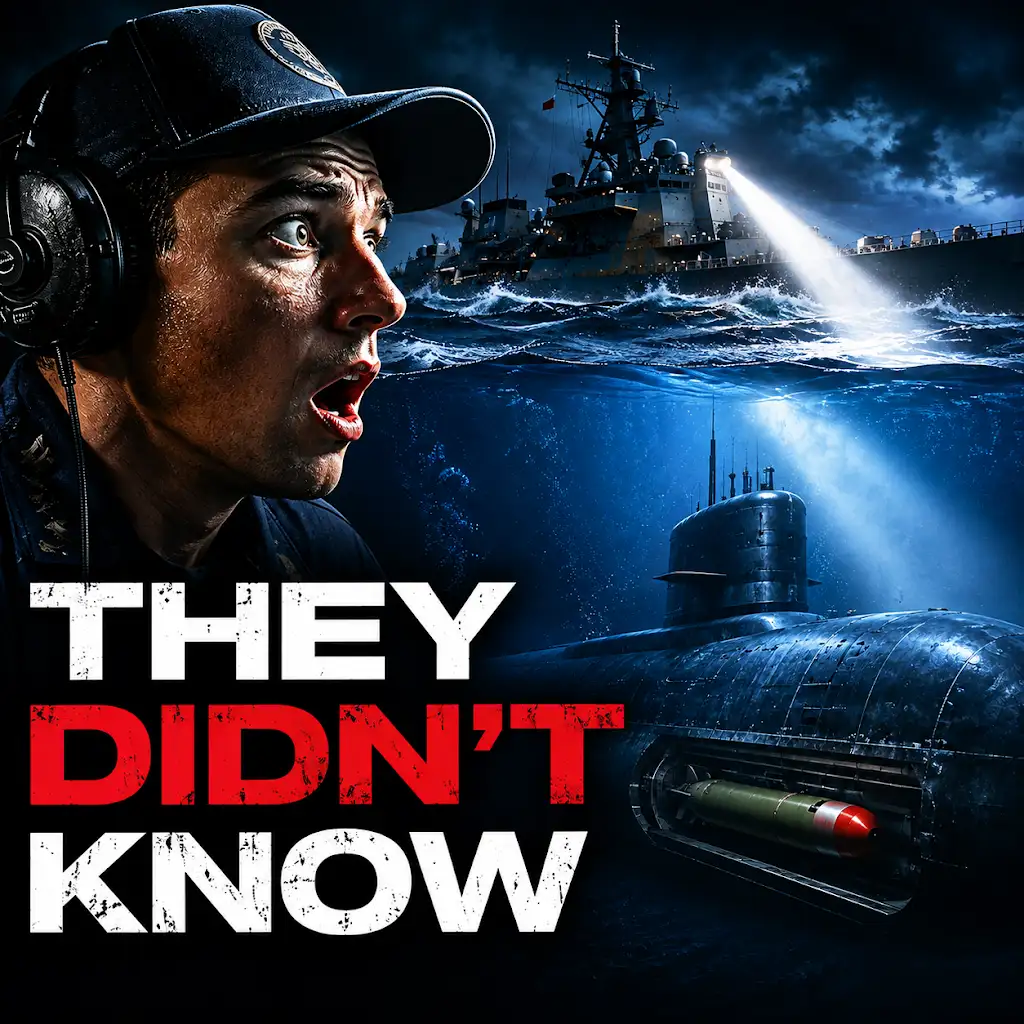
The U.S. Navy Didn’t Know This Submarine Had a Nuclear Torpedo
FAQs
What was the role of the US Navy submarines during the Cuban Missile Crisis?
During the Cuban Missile Crisis, US Navy submarines played a crucial role in monitoring and gathering intelligence on Soviet naval activity in the Caribbean. They were also prepared to launch nuclear missiles if necessary.
How many US Navy submarines were involved in the Cuban Missile Crisis?
A total of 11 US Navy submarines were involved in the Cuban Missile Crisis. These submarines were tasked with monitoring Soviet ships and submarines, as well as providing a nuclear deterrent if needed.
Did any US Navy submarines encounter Soviet submarines during the Cuban Missile Crisis?
Yes, during the Cuban Missile Crisis, the US Navy submarine USS Beale encountered a Soviet submarine in the Caribbean. This encounter was tense, but ultimately did not escalate into a confrontation.
What was the significance of the US Navy submarines during the Cuban Missile Crisis?
The US Navy submarines played a significant role in providing the US government with critical intelligence on Soviet naval activity in the Caribbean. Their presence also served as a deterrent to potential Soviet aggression.
How did the US Navy submarines contribute to the resolution of the Cuban Missile Crisis?
The presence of US Navy submarines and their ability to launch nuclear missiles provided the US government with leverage in negotiations with the Soviet Union. This ultimately contributed to the peaceful resolution of the Cuban Missile Crisis.