
The year 1962 seared itself into the collective memory of humanity as the period when the world teetered on the precipice of nuclear annihilation. The Cuban Missile Crisis, a thirteen-day standoff between the United States and the Soviet Union, brought the two superpowers closer to war than ever before or since. While the drama unfolded in the gilded halls of power in Washington and Moscow, a far more visceral and terrifying struggle was playing out in the murky depths of the Atlantic Ocean, aboard a Soviet submarine designated B-59. This vessel, armed with a nuclear torpedo and far from home, became a potent symbol of the immense danger and the agonizing decisions faced by individuals caught in the maelstrom of a global crisis.
The Shadow of Crisis: Operation Kama and the Caribbean Deployment
The story of B-59 is inextricably linked to Operation Kama, the Soviet Union’s clandestine mission to deploy nuclear-armed submarines to the waters surrounding Cuba. Following the failed Bay of Pigs invasion and the escalating tensions, Soviet Premier Nikita Khrushchev sought to deter further American aggression and demonstrate his resolve. The idea was to place Soviet nuclear weapons within striking distance of the United States, a strategic gamble designed to shift the balance of power.
The Purpose of Operation Kama
Operation Kama was multifaceted. Primarily, it aimed to provide a credible nuclear deterrent, mirroring the American missile deployments in Turkey. The presence of Soviet submarines, capable of launching nuclear warheads, was intended to make any direct US invasion of Cuba unthinkable. Furthermore, it served as a significant propaganda victory for the Soviets, showcasing their ability to project power into America’s backyard. The submarines were equipped with a limited number of nuclear-tipped torpedoes, a weapon designed to inflict catastrophic damage on enemy naval forces and, by extension, coastal cities.
The Stealthy Journey
The submarines involved in Operation Kama, including B-59, embarked on their perilous journey under the guise of routine training exercises. They traveled submerged for the vast majority of the voyage, a painstaking and demanding undertaking. This submersion was crucial for maintaining secrecy, but it also presented immense challenges for the crews, who endured cramped conditions, stale air, and constant vigilance against detection. The emotional and psychological toll of such a prolonged and clandestine mission cannot be overstated.
The B-59 submarine incident during the Cuban Missile Crisis is a critical moment in Cold War history, highlighting the tensions between the United States and the Soviet Union. For a deeper understanding of the geopolitical implications and the events surrounding this incident, you can read a related article that provides further insights into the strategic decisions made during this period. For more information, visit this article.
The Crucible of the Atlantic: B-59’s Mission and the American Blockade
B-59, a Foxtrot-class submarine, was part of a flotilla of four such vessels dispatched to the Caribbean. Its mission was clear: operate undetected in the waters off Cuba and, if necessary, respond to perceived American aggression with its nuclear armament. However, the increasing intensity of the crisis soon turned its operational environment into a pressure cooker.
The Discovery and the Chase
As the US Navy became aware of the presence of Soviet submarines in the vicinity of Cuba, they initiated an aggressive anti-submarine warfare (ASW) campaign. The American destroyers, equipped with sonar and depth charges, actively hunted for the submerged intruders. For B-59, this meant a constant game of cat and mouse, evading detection while navigating treacherous waters and maintaining its operational readiness. The submarine’s Captain, Valentin Savitsky, was acutely aware of the perilous situation.
The Depth Charge Provocation
A critical turning point occurred when B-59 was discovered by an American destroyer. The destroyer, not knowing the submarine was nuclear-armed, began dropping non-lethal “signaling” depth charges. These were designed to force the submarine to surface, to identify itself. However, for the crew of B-59, deep underwater and isolated, these explosions felt like direct attacks, each concussion sending tremors through the hull and raising the specter of imminent destruction.
The Weight of Command: The Nuclear Dilemma Aboard B-59
The repeated depth charge attacks created an almost unbearable psychological pressure on Captain Savitsky and his crew. They were deep underwater, cut off from communication with Moscow, and facing what they perceived as an escalating assault. The paramount decision, however, rested on the availability of the nuclear torpedo.
The Three Men Who Held the Key
The nuclear torpedo aboard B-59 was not a single-person decision weapon. Its launch required the agreement of three senior officers: the Captain, the Political Officer (who represented the Communist Party’s ideology and ensured political loyalty), and the Chief of Staff. In the case of B-59, these men were Captain Valentin Savitsky, Political Officer Ivan Maslennikov, and flotilla chief of staff Vasili Arkhipov. The shared burden of such a decision, especially under extreme duress, was immense.
The Crucial Vote Against Launch
It was Vasili Arkhipov, a junior officer at the time but the flotilla chief of staff, who ultimately played the most pivotal role in preventing a nuclear catastrophe. While Captain Savitsky, under immense stress from the depth charges, was inclined to authorize the launch of the nuclear torpedo, Arkhipov refused to give his consent. He argued that the depth charges, while frightening, were not direct attacks and that launching a nuclear weapon would inevitably trigger a full-scale nuclear war. His calm reasoning and unwavering resolve in the face of extreme pressure were instrumental in de-escalating the situation.
The Silence and the Return: The Unseen Resolution
The agonizing standoff continued. The depth charges, though terrifying, eventually ceased as the American destroyers, perhaps realizing they were dealing with a more dangerous adversary than initially thought, eased their pursuit. The crew of B-59, though battered and shaken, remained submerged.
The Thaw in the Crisis and the Order to Surface
As the broader Cuban Missile Crisis began to de-escalate in parallel, with diplomatic channels opening and a tentative agreement being reached between Kennedy and Khrushchev, the urgency for B-59’s aggressive posture diminished. Moscow, now able to communicate more effectively, issued orders for the submarines to return to base. The orders likely acknowledged the perilous situation the submarines had been in and the risks involved.
The Long and Solitary Voyage Home
The journey back for B-59 was as arduous as the journey there, but now imbued with a different kind of weight. The crew carried the secret of their close encounter with nuclear war, a burden that would shape their lives long after they reached their home port. The official Soviet narrative, if it existed at all, would have remained tight-lipped, but for the men of B-59, the experience was unforgettable.
The B-59 submarine incident during the Cuban Missile Crisis is a significant moment in Cold War history, illustrating the intense tensions between the United States and the Soviet Union. As the submarine found itself cut off from Moscow, the crew faced dire circumstances that could have escalated into a nuclear conflict. For a deeper understanding of the geopolitical implications of this event, you can read a related article on the topic at In the War Room, which explores the broader context of military strategies and decisions made during that critical period.
Echoes of the Abyss: The Legacy of B-59
The story of B-59 is a stark reminder of how close the world came to nuclear war and the crucial role of individual decisions in averting disaster. It highlights the immense pressures faced by those in command during times of extreme geopolitical tension.
The “What If” of Nuclear War
The averted launch of the nuclear torpedo aboard B-59 represents one of the most significant “what ifs” in history. Had Arkhipov agreed with Savitsky, the consequences would have been unimaginable, likely triggering a retaliatory strike from the United States and plunging the world into a nuclear holocaust. The quiet heroism of one man, in the face of overwhelming pressure, saved millions.
Lessons Learned and Unlearned
The incident aboard B-59, though largely unknown to the public for decades, offers invaluable lessons about crisis management, communication, and the psychological impact of nuclear brinkmanship. It underscores the importance of clear command structures, robust communication channels, and the need for individuals to exercise sound judgment even in the most extreme circumstances. Yet, the continued existence of nuclear weapons and the potential for future crises suggest that some lessons remain perpetually on the verge of being unlearned. The ghost of B-59, a silent testament to humanity’s capacity for both destruction and salvation, continues to haunt the strategic landscape.
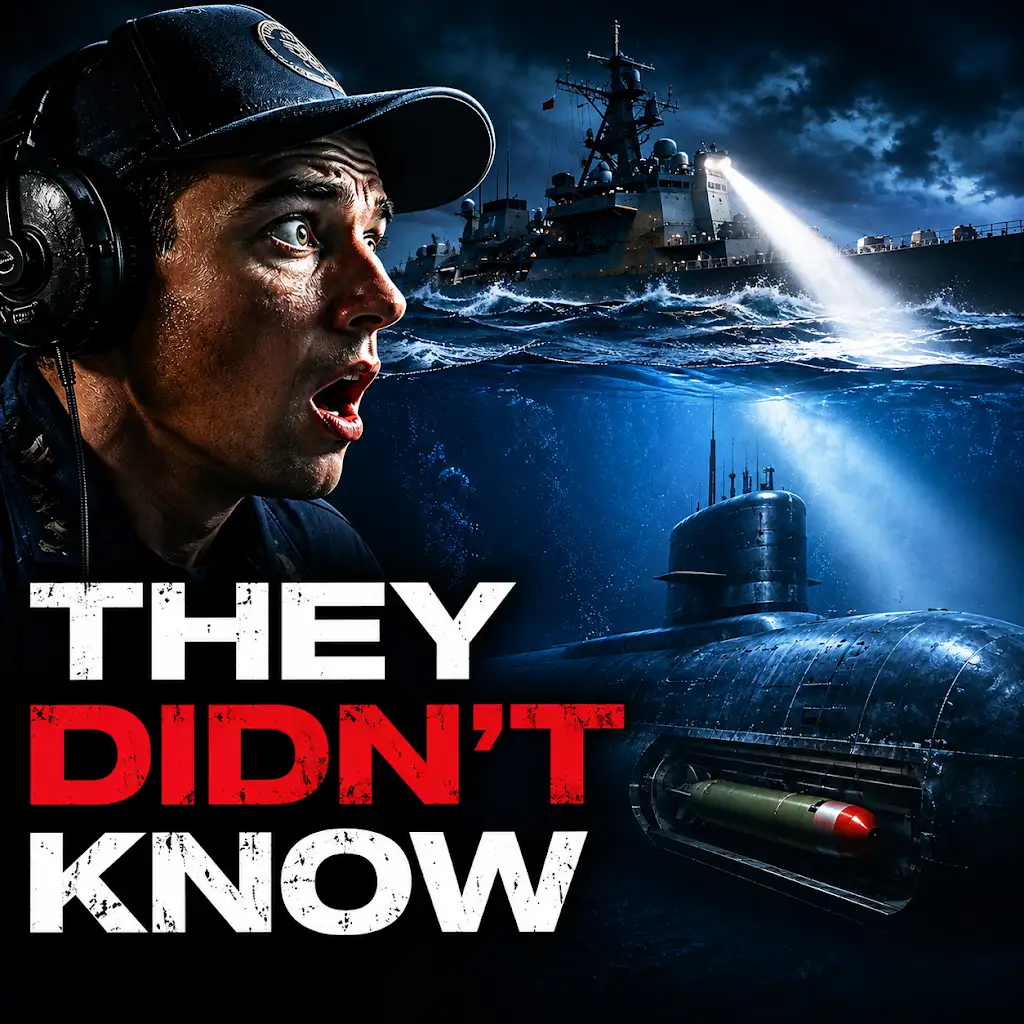
The U.S. Navy Didn’t Know This Submarine Had a Nuclear Torpedo
FAQs

What is B-59?
B-59 is a Soviet submarine that was involved in the Cuban Missile Crisis in 1962. It was one of the submarines that were part of the Soviet Navy’s attempt to establish a nuclear missile base in Cuba.
Why was B-59 cut off from Moscow?
B-59 was cut off from Moscow due to communication issues during the Cuban Missile Crisis. The submarine lost contact with Moscow for several days, leading the crew to believe that a nuclear war may have already started.
What happened to B-59 during the Cuban Missile Crisis?
During the Cuban Missile Crisis, B-59 was located by US Navy ships and was subjected to depth charge attacks. The crew, unaware of the situation on the surface, debated whether to launch a nuclear torpedo in response.
How did the situation with B-59 get resolved?
The situation with B-59 was resolved when the captain, Vasili Arkhipov, refused to authorize the use of a nuclear torpedo, preventing a potential nuclear war. The submarine eventually resurfaced and returned to the Soviet Union.
What impact did the B-59 incident have on the Cuban Missile Crisis?
The B-59 incident highlighted the potential for miscommunication and miscalculation during times of crisis, and it underscored the need for improved communication and crisis management protocols between nuclear powers.