The deep, cold embrace of the Barents Sea held the Soviet submarine B-59 in its silent, unforgiving grip. It was October 1962, a time when the world teetered on the precipice of nuclear annihilation. Within the cramped confines of the B-59, a different kind of darkness was descending – the darkness of isolation, the chilling realization that their lifeline to the outside world had been severed. This article delves into the critical communication failure aboard the B-59 submarine during the Cuban Missile Crisis, exploring the circumstances, the unfolding drama, and the profound implications of a lost connection at the heart of a global standoff.
The Cuban Missile Crisis, a thirty-day confrontation between the United States and the Soviet Union, brought the world closer to nuclear war than ever before or since. The discovery of Soviet ballistic missile deployment in Cuba ignited a firestorm of diplomatic tension and military posturing. For naval forces on both sides, this meant heightened readiness, covert operations, and the ever-present threat of escalation.
A World on the Brink
The strategic implications of Soviet missiles in Cuba were immense. They would drastically alter the balance of power, placing major American cities within striking range. The United States responded with a naval blockade of Cuba, a calculated move designed to prevent further Soviet military shipments while offering a diplomatic off-ramp. This blockade, however, was an act of aggression in the eyes of the Soviet Union, creating a highly volatile situation at sea.
Submarine Patrols in a Dangerous Environment
Both superpowers deployed their submarine fleets to monitor the blockade and assert their presence. These submarines, operating in the shadows, were tasked with gathering intelligence, evading enemy forces, and, in the event of hostilities, posing a significant threat. The B-59, a diesel-electric submarine of the Foxtrot class, was one such vessel. Its mission was clandestine, its presence potentially provocative. The Barents Sea, frigid and vast, was a challenging environment for operations, further complicating the already precarious situation.
The communication failure of the B-59 submarine during the Cuban Missile Crisis is a critical event that highlights the complexities of military operations under extreme pressure. For a deeper understanding of the implications of this incident and its impact on Cold War dynamics, you can read a related article that delves into the broader context of submarine warfare and communication challenges. For more information, visit this article.
The B-59’s Critical Mission and its Isolation
The B-59, under the command of Valentin Savitsky, was operating in international waters off Cuba, tasked with a critical mission related to the unfolding crisis. However, the precise nature of this mission remains a subject of historical debate, adding another layer of intrigue to the submarine’s story. What is undeniable is that the submarine was operating under strict orders and a high degree of autonomy due to the communication blackout.
The Purpose of the Patrol
While the exact details of the B-59’s specific orders are not fully public, it is understood that the submarine was part of a larger Soviet effort to support Cuba and project Soviet power during the crisis. Its mission likely involved maintaining a presence, potentially evading or engaging American naval vessels, and serving as a deterrent. The submarines were equipped with nuclear torpedoes, a fact that would prove crucial to the unfolding drama.
The Severed Lifeline: Radio Silence
The most significant element contributing to the B-59’s perilous situation was the complete breakdown of communication. Under orders to maintain strict radio silence to avoid detection by American forces, the submarine was effectively cut off from Moscow. This meant that Savitsky and his crew had no way of knowing the latest developments in the crisis, the intentions of the Soviet leadership, or any potential changes in orders.
The Lack of Information as a Danger
This enforced ignorance was a double-edged sword. While it aimed to enhance the submarine’s stealth, it also left the crew vulnerable to misinterpretation and rash decision-making. Without confirmation of the crisis’s status or instructions from their superiors, the B-59’s crew was forced to rely on their own limited intelligence and judgment in an environment teeming with hostile forces.
The Encounter with the US Navy

The B-59’s isolation was shattered when it encountered an American destroyer conducting anti-submarine warfare operations. The destroyer, likely part of the US blockade force, began dropping practice depth charges near the B-59. These were not intended to sink the submarine but rather to force it to the surface, allowing for identification. However, for the crew of the B-59, already operating under immense stress and with no knowledge of the broader conflict’s status, these explosions felt like a direct attack.
The Destroyer’s Maneuvers
The American destroyer was performing its assigned duty: identifying and potentially harassing any submarines that might be operating in its patrol area. The dropping of practice depth charges was a standard tactic for this purpose. From the perspective of the destroyer’s crew, they were executing a routine procedure. They had no way of knowing the psychological impact these charges would have on the submerged Soviet crew.
The Perceived Attack
For the men aboard the B-59, the situation was terrifying. The concussive blasts of the depth charges vibrated through their hull, shaking the vessel and its occupants. They had no way of knowing if these were practice charges or live ordnance. In the absence of communication and with the heightened tensions of the Cuban Missile Crisis, the crew of the B-59 believed they were under direct attack and potentially on the verge of all-out war.
The Escalating Pressure
The relentless dropping of depth charges created an unbearable psychological and physical pressure on the B-59’s crew. The submarine was at its operational depth, and the repeated impacts made it difficult to maintain stability and composure. The fear of being discovered, damaged, or destroyed in an unknown conflict was palpable.
The Nuclear Torpedo Dilemma

The most critical aspect of the B-59’s encounter was the presence of a nuclear torpedo aboard the vessel. Under extreme duress and believing they were under attack, the submarine’s command faced a terrifying decision: to retaliate with the nuclear weapon. This decision was made even more complex by the fact that launching such a weapon required the agreement of three senior officers, a protocol designed to prevent a single individual from initiating a nuclear strike.
The Nuclear Arsenal
The B-59 was not a typical submarine. It was equipped with a special weapon – a nuclear torpedo. This was a highly classified and immensely destructive capability, intended as a last resort against enemy warships, particularly aircraft carriers. The presence of such a weapon aboard a submarine operating in a crisis zone amplified the potential consequences of any miscalculation or aggressive action.
The “Agreement” Clause
Soviet submarine doctrine at the time stipulated that the decision to launch a nuclear torpedo required the unanimous agreement of the submarine’s commanding officer, the political officer, and the chief of the flotilla. This was a safeguard, a crucial check and balance against a rogue commander or an accidental launch. However, this protocol proved to be a point of contention and near-disaster on the B-59.
The Near-Launch and Vasili Arkhipov’s Role
Captain Savitsky, convinced they were under attack and that war had begun, wanted to launch the nuclear torpedo. However, Vasili Arkhipov, the flotilla commander and the third senior officer aboard, refused to consent. Arkhipov understood the gravity of such an action and, despite the perceived threat, correctly assessed that the depth charges were likely not intended to sink them and that retaliation could trigger a catastrophic nuclear war. The third officer, Ivan Maslennikov, initially sided with Savitsky but was ultimately swayed by Arkhipov’s reasoning and the lack of confirmed hostile intent. The submarine was on the brink of launching a nuclear weapon, a decision that could have had unimaginable consequences for the world.
The Weight of Responsibility
Arkhipov’s calm demeanor and his insistence on verifiable intelligence in the face of extreme pressure were instrumental in de-escalating the situation. He carried the immense weight of responsibility, knowing that his decision could either defend his crew or plunge the world into darkness. His refusal to authorize the launch, based on the lack of concrete evidence of an all-out attack, stands as a pivotal moment in history.
The B-59 submarine communication failure during the Cuban Missile Crisis highlights the critical importance of reliable communication systems in military operations. This incident, where a lack of communication nearly led to a catastrophic decision, serves as a reminder of the potential consequences of misunderstandings in high-stakes environments. For a deeper understanding of the implications of such failures, you can read more in this insightful article on the topic. For further details, check out this related article that explores the broader context of military communication challenges.
The Path to Resolution and Subsequent Investigations
| Event | Date | Location | Cause |
|---|---|---|---|
| B-59 Submarine Communication Failure | October 27, 1962 | Caribbean Sea | Interference from US Navy’s depth charges |
Following the tense standoff, the B-59 eventually managed to re-establish limited contact and receive updated orders. The submarine’s actions and the near-launch of a nuclear torpedo sparked significant internal reviews and investigations within the Soviet Navy, highlighting the profound risks associated with communication failures in high-stakes military situations.
Re-establishing Contact and Receiving Orders
After hours of tense maneuvering and the agonizing decision-making process, the B-59 managed to find an opportunity to surface and re-establish a rudimentary form of communication. It is believed that they used a signal lamp to transmit a distress signal or a request for orders. Upon receiving new instructions, likely from Moscow, the submarine was ordered to cease its aggressive posture and proceed with its mission in a less confrontational manner.
The Aftermath and the “What If” Scenario
The incident aboard the B-59 was a stark reminder of how close the world had come to nuclear catastrophe. The near-launch of the nuclear torpedo, driven by a communication breakdown and misinterpretation of events, sent shockwaves through the Soviet command structure. The “what if” scenario became a chilling subject of discussion and analysis. Had Arkhipov not been present, or had he succumbed to the pressure, the consequences could have been irreversible.
Soviet Naval Reviews and Lessons Learned
The Soviet Navy conducted thorough investigations into the B-59 incident. These reviews aimed to understand how such a critical situation could arise and what measures could be put in place to prevent future occurrences. The incident underscored the vital importance of clear, reliable communication channels, especially during times of international crisis. It also highlighted the need for robust protocols and well-trained officers capable of making rational decisions under extreme duress.
The Role of Secrecy and Historical Interpretation
A significant challenge in fully understanding the B-59 incident lies in the inherent secrecy surrounding Soviet military operations during the Cold War. While much has been declassified over time, some details remain obscure. This has led to ongoing historical interpretation and debate, with different accounts offering slightly varied perspectives on the events and the motivations of the key players.
The Enduring Legacy of the B-59 Communication Failure
The story of the B-59 submarine’s communication failure serves as a powerful and enduring lesson in the fragility of peace and the devastating consequences of lost connections. It is a stark reminder of the human element in warfare and the critical role of clear communication in averting unimaginable disasters.
A Symbol of Cold War Tensions
The B-59 incident has become a potent symbol of the heightened tensions and the ever-present danger of accidental escalation during the Cold War. It illustrates the precarious balance of power and the thin line between diplomacy and conflict that characterized the era. The submarine’s journey into the abyss of isolation and its near-fatal encounter with a nuclear decision encapsulate the anxieties of that period.
The Importance of Communication in Crisis Management
The B-59 narrative profoundly emphasizes the indispensable nature of effective communication in crisis management. In a world armed with nuclear weapons, the ability to transmit and receive accurate information swiftly and reliably is not merely a matter of operational efficiency; it is a matter of global survival. The failure to do so, as demonstrated by the B-59, can have catastrophic repercussions.
Vasili Arkhipov: The Unsung Hero
Vasili Arkhipov, through his courage and wisdom, has been rightly recognized as an unsung hero of the Cold War. His refusal to authorize the launch of the nuclear torpedo averted a potential global catastrophe. His story highlights the crucial importance of individual judgment and moral fortitude in moments of extreme pressure, even within a rigid command structure.
A Call for Transparency and Diplomacy
The B-59 incident, while originating from a military context, also carries a broader message. It underscores the importance of transparency and open dialogue in international relations. The dangers of miscommunication and misunderstanding are amplified in the absence of clear channels for diplomacy and de-escalation. The world remains a complex and interconnected place, and the lessons learned from the B-59’s silent ordeal are as relevant today as they were in 1962. The submarine’s struggle in the dark, a testament to both human error and human resilience, continues to echo as a profound warning and a reminder of the ongoing need for vigilance and clear communication.
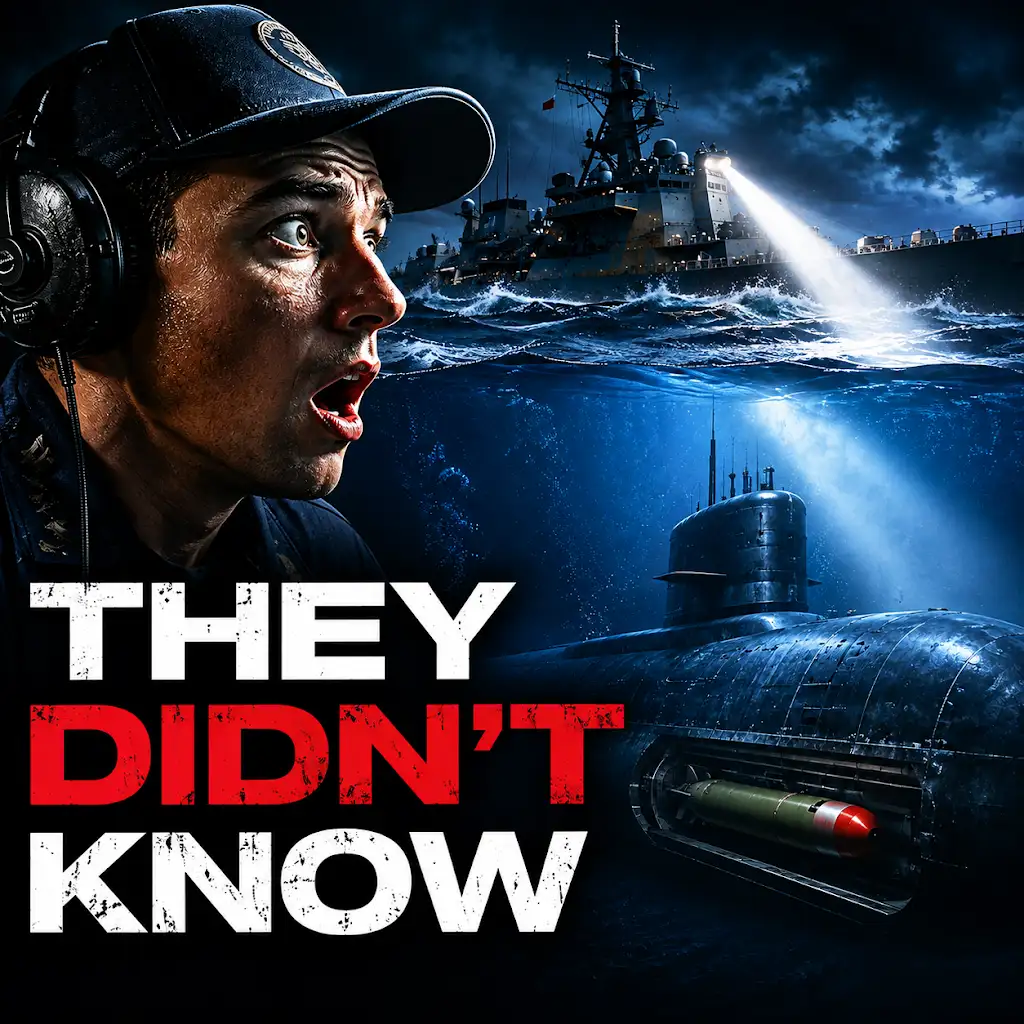
The U.S. Navy Didn’t Know This Submarine Had a Nuclear Torpedo
FAQs
What is the B-59 submarine communication failure?
The B-59 submarine communication failure refers to an incident during the Cuban Missile Crisis in 1962, when the Soviet B-59 submarine lost communication with Moscow for several days.
What caused the communication failure on the B-59 submarine?
The communication failure on the B-59 submarine was caused by the US Navy’s use of depth charges to signal the submarine to surface. The crew of the B-59, unaware of the severity of the situation, believed that war had broken out and debated launching a nuclear torpedo.
How was the communication failure on the B-59 submarine resolved?
The communication failure on the B-59 submarine was resolved when the captain of the submarine, Vasili Arkhipov, refused to authorize the use of a nuclear torpedo, preventing a potential nuclear war. The submarine eventually surfaced and the crisis was averted.
What impact did the B-59 submarine communication failure have on the Cuban Missile Crisis?
The B-59 submarine communication failure had a significant impact on the Cuban Missile Crisis, as it brought the world to the brink of nuclear war. It highlighted the potential for miscommunication and miscalculation during times of heightened tension between nuclear powers.
What lessons were learned from the B-59 submarine communication failure?
The B-59 submarine communication failure underscored the importance of clear and effective communication between nuclear powers, and the need for measures to prevent misunderstandings and miscalculations that could lead to catastrophic consequences. It also highlighted the critical role of individual decision-making in high-stakes situations.