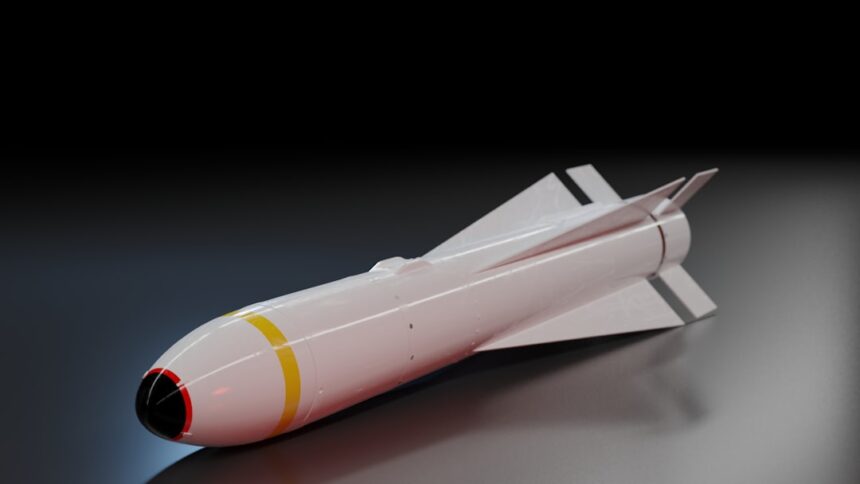
The icy grip of the Cold War tightened its hold on the world in October 1962, a period of unprecedented tension that brought humanity to the precipice of nuclear annihilation. While the Cuban Missile Crisis captivated global attention, a chillingly close encounter unfolded beneath the waves, a harrowing tale of miscommunication, escalating fear, and the almost catastrophic launch of a nuclear torpedo by a Soviet submarine. This is the story of B-59, a vessel that narrowly averted unleashing a weapon of unimaginable destruction, a near miss that continues to serve as a stark reminder of the fragility of peace during those perilous times.
A World Divided: The Ideological Chasm
The latter half of the 20th century was defined by the ideological struggle between the United States and the Soviet Union. This bipolar world order, characterized by mutual suspicion and an insatiable arms race, created a climate of constant apprehension. The concept of mutually assured destruction (MAD) loomed large, a terrifying paradox where the ultimate weapon was rendered unusable by the sheer scale of its potential devastation. Yet, the constant testing of this doctrine, through proxy wars, espionage, and brinkmanship, kept the world perpetually on edge.
The Genesis of the Cuban Missile Crisis
The deployment of Soviet ballistic missiles in Cuba in October 1962 was the spark that ignited this powder keg. From the perspective of the Soviet Union, this was a strategic move to counter the perceived threat of American missiles positioned in Turkey, close to their borders. For the United States, it was an unacceptable and direct threat to its national security, bringing the specter of nuclear war uncomfortably close to American shores. President John F. Kennedy’s administration responded with a naval blockade, a calculated risk that heightened tensions to an almost unbearable degree.
The Underwater Crucible: The Role of Submarines
Beneath the turbulent surface of this geopolitical crisis, a silent and equally dangerous drama was unfolding in the depths of the Atlantic. Nuclear-armed submarines from both superpowers patrolled the oceans, their silent movements a constant threat and a critical component of the strategic balance. These vessels, designed for stealth and ultimate destruction, operated in a world of their own, where decisions were made under immense pressure, often with limited information and a heavy reliance on protocols designed for extreme scenarios. The B-59 was one such vessel, a diesel-electric submarine equipped with a nuclear-tipped torpedo, destined to play a pivotal, albeit unintended, role in the unfolding crisis.
The incident involving the Soviet submarine B-59 during the Cuban Missile Crisis is a chilling reminder of how close the world came to nuclear catastrophe. As detailed in a related article, the submarine’s crew faced immense pressure and confusion, leading to a critical decision point where they nearly launched a nuclear torpedo. This tense moment underscores the precarious nature of Cold War tensions and the potential for miscommunication to escalate into disaster. For more in-depth analysis on this pivotal event, you can read the article here: Did B-59 Almost Launch a Nuclear Torpedo?.
The B-59: A Cold War Workhorse
Design and Mission of the Foxtrot-Class Submarine
The B-59 belonged to the Project 641 class, NATO reporting name “Foxtrot.” These were diesel-electric submarines, considered an advancement in Soviet naval technology at the time. While not as sophisticated or nuclear-powered as their American counterparts, they were designed for extended patrols, capable of deep dives and stealthy operations. Their primary role was to track and, if necessary, engage enemy naval forces, particularly aircraft carriers and other submarines. The B-59, like other submarines of its class, was equipped with advanced sonar systems and a formidable array of torpedoes, including the dreaded Type 22-4 torpedo, a potent weapon that carried a nuclear warhead.
The Burden of the Nuclear Torpedo
The presence of the nuclear torpedo on board the B-59 was not an anomaly. During the Cold War, the Soviet Union, mirroring the United States, equipped some of its submarines with tactical nuclear weapons. These were intended for use against high-value targets in a conflict scenario, offering a devastating deterrent and a means of achieving decisive tactical advantage. The Type 22-4 torpedo carried by the B-59 had a yield equivalent to 15 kilotons, comparable to the “Fat Man” bomb dropped on Nagasaki. Its deployment would have been an unthinkable escalation of the conflict, with consequences that are difficult to fully comprehend.
The Crew: A Microcosm of Cold War Service
The crew of the B-59 was composed of approximately fifty men, each deeply aware of the gravity of their mission. For them, the Cold War was not an abstract geopolitical concept; it was a daily reality lived in the confines of a cramped, underwater vessel, constantly facing the potential for disaster. They were trained to operate under extreme stress, to maintain discipline in the face of danger, and to execute their orders without question. However, the events of October 27, 1962, would test their training and their mettle in ways they could never have anticipated.
The Perilous Patrol Under the Atlantic
The Strategic Context: The Naval Blockade and its Impact
As the Cuban Missile Crisis escalated, the United States implemented a naval quarantine (termed a “blockade” by the Soviets) around Cuba. This meant that any vessel attempting to reach Cuban ports would be intercepted and inspected. For Soviet submarines operating in the Atlantic, this created a highly dangerous environment. They were under strict orders to avoid detection by American naval forces, but the blockade meant they were more likely to encounter them. The B-59, along with other Soviet submarines in the region, was tasked with operating in the vicinity of the blockade, posing a silent threat and gathering intelligence.
Encounters with American Naval Forces
The B-59 was not operating in isolation. It was one of several Soviet submarines tasked with monitoring the American naval blockade. This inevitably led to close encounters with American destroyers. The destroyers, aware of the potential presence of Soviet submarines, employed aggressive anti-submarine warfare (ASW) tactics. These tactics included dropping depth charges, not as an act of aggression in themselves, but as a means of signaling and forcing submarines to surface for identification. The intention was not to destroy the submarine, but to assert presence and gather intelligence. However, for a submarine deep underwater, these concussive blasts could be terrifying.
The Increasing Pressure and Misinformation
The constant barrage of depth charges took a significant toll on the B-59 and its crew. The submarine was already operating at its operational limits, with limited air supply and rising temperatures due to the overheating of its engines. The continuous ASW pressure from the American destroyers amplified the stress and confusion. Compounding the problem was a significant communication breakdown. The Soviet submarine fleet was operating under strict protocols, but the rapid escalation of the crisis and the intense pressure meant that information was not flowing freely or accurately between Moscow, the submarine fleet commanders, and the individual vessels.
The Brink of Catastrophe: The Decision to Launch
The False Assumption of War
The relentless depth charges, coupled with the belief that war might have already broken out, created a dangerous delusion within the B-59. The submarine’s captain, Valentin Savitsky, and at least one other senior officer, believed that they were under attack and that the United States had initiated hostilities. This perception was fueled by the lack of clear communication from Moscow and the overwhelming sensory experience of being repeatedly battered by powerful underwater explosions. In their minds, they were fighting for their lives and for the Soviet Union.
The Role of Vasili Arkhipov
The critical individual who stood between the world and a potential nuclear catastrophe was Vasili Arkhipov, the flotilla commander who was on board the B-59 as an observer. Under Soviet naval doctrine, the launch of a nuclear weapon required the consent of three officers: the submarine’s captain, the political officer, and the flotilla commander. Savitsky, convinced that war had begun, ordered the launch of the nuclear torpedo. The political officer readily agreed. However, Vasili Arkhipov, despite the intense pressure and the terrifying situation, disagreed.
The Power of Dissent: Arkhipov’s Crucial Intervention
Arkhipov’s dissent was not a matter of cowardice or insubordination; it was an act of immense courage and clear-headedness. He understood the strategic implications of launching a nuclear weapon and believed that their situation, while dire, did not warrant such a drastic escalation. He argued that the depth charges were likely signals and not attempts to sink them. He also recognized that launching the torpedo would inevitably lead to retaliation and a full-blown nuclear exchange, a consequence that even in their desperate situation, he deemed unacceptable. His calm demeanor and reasoned arguments eventually persuaded Savitsky to stand down.
The incident involving the Soviet submarine B-59 during the Cuban Missile Crisis raises critical questions about the brinkmanship of nuclear warfare. As tensions escalated, the submarine’s crew faced the harrowing decision of whether to launch a nuclear torpedo, which could have changed the course of history. For a deeper understanding of this tense moment and its implications, you can read more in this insightful article about the events surrounding B-59’s near-launch. To explore the details, visit this link.
The Aftermath and Lasting Legacy
| Event | Details |
|---|---|
| Date | October 27, 1962 |
| Submarine | B-59 (Soviet submarine) |
| Location | Caribbean Sea |
| Reason for Almost Launch | Mistakenly believed to be under attack by US Navy |
| Prevented Launch | Vasili Arkhipov, the second-in-command on the submarine, refused to authorize the launch |
The Return to Surface and the Revelation
With the immediate threat averted, the B-59 was eventually able to surface and make its way back to Soviet waters. The crew, shaken but alive, carried with them the heavy burden of what had almost transpired. It was only much later, through declassified documents and testimonies, that the full gravity of the near miss became known to the world. The story of B-59 and Vasili Arkhipov’s heroic intervention remained largely unknown for decades, a chilling secret hidden within the annals of the Cold War.
Vasili Arkhipov: An Unsung Hero
Vasili Arkhipov’s actions have since been recognized as one of the most significant acts of individual heroism in the context of nuclear brinkmanship. He was not seeking glory; he was fulfilling his duty to prevent an unimaginable disaster. His decision to override his captain in such a critical moment highlights the importance of individual judgment and moral courage, even in the face of overwhelming pressure and established hierarchy. He stands as a powerful symbol of the human element that can, and did, intervene in the cold, calculating logic of nuclear warfare.
Lessons Learned and the Peril of Nuclear Proliferation
The B-59 incident serves as a potent reminder of the inherent dangers of nuclear weapons and the fragility of the systems designed to control them. The near miss underscored the critical importance of clear and accurate communication, especially during times of crisis. It also highlighted the potential for miscalculation and escalation, even with robust protocols in place. The continued existence of nuclear weapons and the ongoing threat of proliferation underscore the enduring relevance of the B-59’s story. It is a narrative that must be remembered, not as a relic of the past, but as a vital lesson for the present and the future, a stark warning against complacency in the face of the ultimate destructive power. The near miss of B-59 is a testament to the fact that history can hinge on the courage and wisdom of a single individual, a reminder that even in the darkest hours, the capacity for human reason and restraint can prevail.
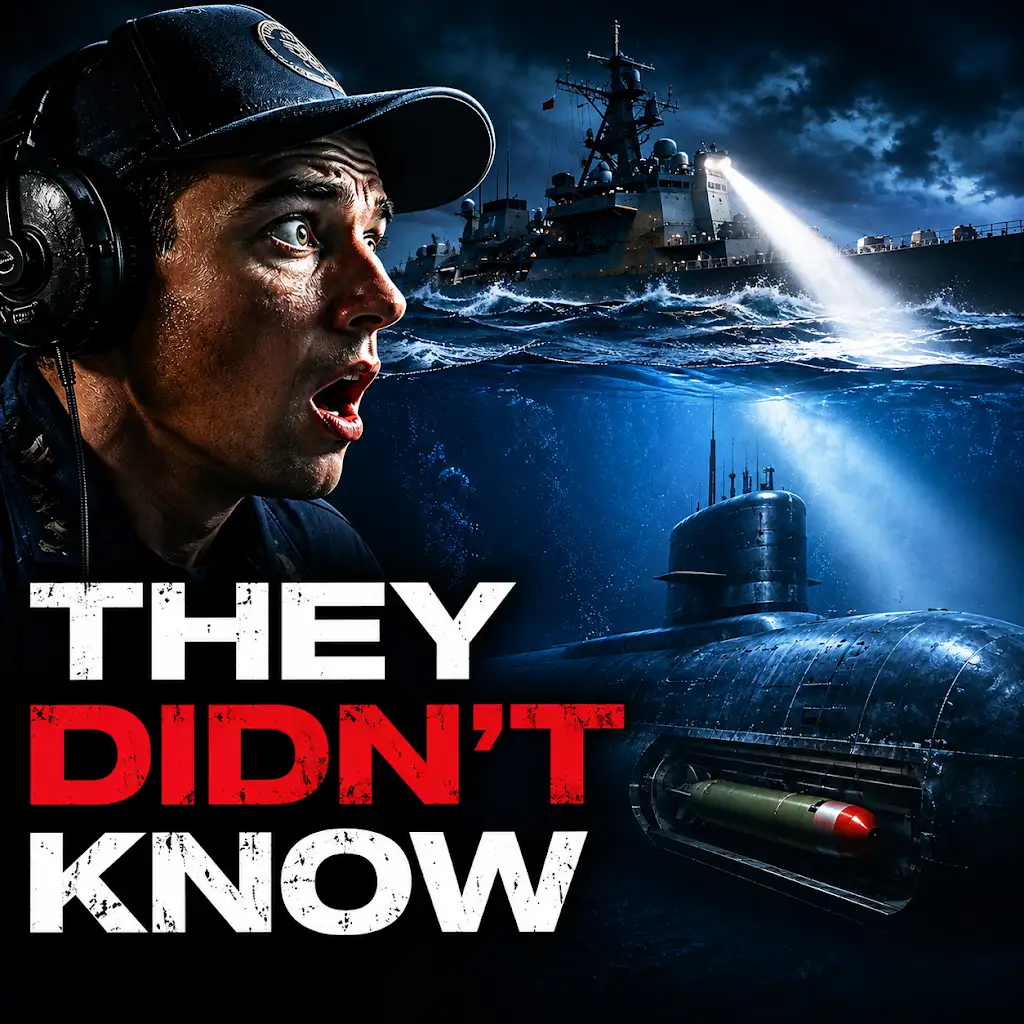
The U.S. Navy Didn’t Know This Submarine Had a Nuclear Torpedo
FAQs
1. What is B-59?
B-59 was a Soviet submarine during the Cold War era, specifically during the Cuban Missile Crisis in 1962.
2. Did B-59 almost launch a nuclear torpedo?
Yes, there are reports that B-59 almost launched a nuclear torpedo during the Cuban Missile Crisis, which could have escalated the conflict to a nuclear war.
3. What led to the potential launch of the nuclear torpedo from B-59?
B-59 was being depth-charged by US Navy vessels, and the crew, who had been out of communication with Moscow for an extended period, believed that war had already broken out and were considering using the nuclear torpedo.
4. How was the potential launch of the nuclear torpedo from B-59 averted?
Vasili Arkhipov, the second-in-command on B-59, played a crucial role in preventing the launch by convincing the captain not to use the nuclear torpedo.
5. What impact did the incident involving B-59 have on the Cuban Missile Crisis?
The incident involving B-59 highlighted the extreme tensions and potential for catastrophic consequences during the Cuban Missile Crisis, and it underscored the importance of communication and diplomacy in preventing nuclear conflict.