The chilling specter of nuclear war, a doomsday scenario that has haunted humanity for decades, is rarely portrayed as a sudden, deliberate act of aggression. Instead, the more insidious, and perhaps more plausible, threat lies in the realm of miscommunication. A series of escalating errors, a breakdown in diplomatic channels, and a misinterpretation of intent could, in the blink of an eye, ignite a global catastrophe. This is the chilling narrative of “Deadly Fallout: Nuclear War Due to Miscommunication.”
The foundation of nuclear deterrence rests on the unwavering reliability of early warning systems. These complex networks of satellites, radar installations, and ground-based sensors are designed to detect incoming ballistic missiles and provide precious minutes – or at best, hours – for leaders to assess the situation and formulate a response. However, history is replete with examples of near misses and false alarms, underscoring the inherent fragility of these systems.
The Petrov Incident: A Solitary Stand Against Catastrophe
One of the most famous and terrifying instances of a near-miss occurred on September 26, 1983. Stanislav Petrov, a Soviet lieutenant colonel on duty at a nuclear early warning center, was alerted to the launch of multiple American ballistic missiles. The system, designed to detect such threats, unequivocally indicated an incoming attack. Protocol dictated that he report this information up the chain of command, which would almost certainly have led to a retaliatory nuclear strike by the Soviet Union.
The Unseen Enemy: False Alarms and Technological Glitches
Petrov, however, possessed an instinct that defied the cold logic of the machines. He recognized the improbable nature of a full-scale nuclear launch by the United States, especially given the limited number of incoming missiles detected by his system. He believed, and ultimately proved correct, that the “missiles” were actually a cluster of sunlight reflecting off high-altitude clouds. The computer system, a marvel of engineering, had been duped by a natural phenomenon. His decision to override the system and report a false alarm, a decision that defied standard procedure and could have cost him dearly, averted a potential global conflagration. This event serves as a stark reminder that even the most sophisticated technology is not infallible and can be susceptible to misinterpretation.
The Human Element: Trust, Intuition, and the Burden of Responsibility
Petrov’s story highlights the crucial role of the human element in the nuclear age. While technology provides the data, it is human judgment, intuition, and the willingness to question established protocols that can ultimately save humanity. The immense pressure and responsibility placed on individuals like Petrov are almost unimaginable. The consequences of a wrong decision were not merely personal; they were existential.
The Illusion of Control: When Automation Takes the Reins
Modern military systems are increasingly automated, designed to reduce human reaction times in high-stakes situations. While this can be an advantage in certain scenarios, it also creates new avenues for miscommunication and error. If an automated system misinterprets data or experiences a malfunction, the chain of command might be bypassed, leading to an unintended launch.
The Butterfly Effect: Minor Errors with Catastrophic Consequences
A minor sensor malfunction, a corrupted data packet, or an unexpected software glitch could, in theory, trigger an automated launch sequence. Without human intervention to verify and validate, such an event could escalate with terrifying speed. The interconnectedness of these systems means that a localized issue could propagate rapidly, leading to a cascade of unintended actions. The “butterfly effect” takes on a chillingly literal meaning in the context of nuclear weapons.
The Siren Song of Speed: The Dilemma of Rapid Response
The perceived need for rapid response in the face of a potential nuclear attack often pushes for greater automation. However, this very speed can eliminate the critical time needed for human deliberation, fact-checking, and diplomatic communication. The desire to be the first to react can paradoxically increase the risk of a preemptive strike based on faulty intelligence.
In the complex landscape of international relations, the threat of nuclear war looms large, often exacerbated by miscommunication between nations. A thought-provoking article on this topic can be found at In The War Room, which explores historical instances where misunderstandings and misinterpretations have nearly led to catastrophic consequences. By examining these critical moments, the article highlights the importance of clear communication and diplomatic engagement in preventing potential nuclear conflicts.
The Fog of Diplomacy: Misinterpreting Intent and Escalating Tensions
Beyond the technical vulnerabilities of early warning systems, the realm of international relations is rife with opportunities for miscommunication. Differing cultural understandings, opaque diplomatic language, and a lack of trust can transform minor disagreements into significant geopolitical crises.
The Cuban Missile Crisis: A Masterclass in Brinkmanship and Communication Breakdown
The 1962 Cuban Missile Crisis stands as perhaps the most acute and dangerous moment in the Cold War. The discovery of Soviet nuclear missile sites in Cuba triggered a tense standoff between the United States and the Soviet Union. The world held its breath as leaders grappled with the potential for nuclear annihilation.
The Unspoken Threats: Signaling and Subtlety in International Relations
During the crisis, both sides engaged in a complex dance of signaling and subtle threats. The presence of American naval blockades, Soviet troop movements, and the rhetoric employed by leaders were all designed to convey messages of resolve and intent. However, these signals could easily be misinterpreted. A perceived show of strength by one side might be interpreted as an act of aggression by the other, leading to a dangerous cycle of escalation.
The Channels of Communication: Open Lines and the Risk of Silence
While direct communication channels, like the Moscow-Washington hotline, were established to mitigate such risks, their effectiveness is not guaranteed. If communication channels are neglected, jammed, or intentionally ignored, the vacuum can be filled with speculation, fear, and misinformation. The absence of clear, verifiable information is a breeding ground for worst-case scenario thinking.
The Subtleties of Language: Cultural Nuances and Diplomatic Ambiguity
Language, both spoken and written, is a powerful tool, but it is also a source of potential misunderstanding. Cultural differences can lead to vastly different interpretations of words and phrases. What might be considered a direct and honest statement in one culture could be perceived as aggressive or disrespectful in another. Diplomatic language, often characterized by its ambiguity and euphemisms, further complicates matters.
The Power of a Single Word: How Nuance Can Lead to War
A single poorly chosen word, a mistranslation, or an unintended implication in a diplomatic communiqué could ignite a firestorm. The pressure to appear strong and decisive can lead leaders to utter words they may later regret, words that can be amplified and distorted by nationalistic fervor and media sensationalism. The nuances of diplomatic jargon, intended to preserve room for negotiation, can instead create impenetrable barriers of misunderstanding.
The Unintended Consequences of Signaling: Perceived Weakness and Provocation
When one nation attempts to signal a desire for de-escalation, the message might be misconstrued as weakness by a rival. Conversely, attempts to project strength could be perceived as an act of provocation. The delicate balance of signaling intent in international relations requires a deep understanding of the other party’s psychology and political landscape, an understanding that is often lacking.
The Echo Chamber: Propaganda, Misinformation, and the Public Psyche

In the modern era, the spread of information, and misinformation, is unprecedented. Nationalistic propaganda and the unchecked dissemination of false narratives can create a public climate that is primed for conflict, making diplomatic solutions appear unpatriotic or even treasonous.
The Digital Battlefield: The Amplification of Fear and Hatred
The internet and social media have transformed the landscape of information dissemination. While they offer opportunities for connecting people and sharing knowledge, they also provide fertile ground for the spread of propaganda and conspiracy theories. State-sponsored disinformation campaigns can sow discord, amplify existing tensions, and create a deeply polarized public.
The Algorithmic Trap: Reinforcing Pre-existing Biases
Social media algorithms are designed to keep users engaged by showing them content that aligns with their existing beliefs and preferences. This can create echo chambers where individuals are rarely exposed to alternative perspectives, reinforcing their biases and making them more susceptible to propaganda that confirms their worldview. In a nuclear crisis, these echo chambers can quickly become breeding grounds for fear and irrationality.
The Viral Nature of Falsehoods: Speed and Reach of Disinformation
Misinformation, particularly when it taps into existing anxieties and fears, can spread like wildfire online. The speed and reach of digital platforms mean that false narratives can gain traction and influence public opinion before factual information can even be verified. This can create immense pressure on political leaders to act based on popular sentiment rather than rational assessment.
The Specter of Nationalism: When Patriotism Becomes a Precursor to War
Unchecked nationalism, fueled by propaganda and a sense of historical grievance, can create a dangerous environment where war is seen as a noble or even inevitable outcome. In such a climate, diplomatic compromises are viewed with suspicion, and any attempt at de-escalation is branded as betrayal.
The Siren Call of “Us vs. Them”: Dehumanizing the Enemy
Nationalistic rhetoric often relies on demonizing the “other.” By dehumanizing the enemy, it becomes easier to justify aggression and to dismiss their concerns or grievances. This manufactured animosity erodes empathy and makes it more difficult for leaders to engage in genuine dialogue or to seek peaceful resolutions.
The Cult of the Warrior: Glorifying Conflict and Sacrificing Diplomacy
In societies where nationalism is dominant, the “warrior” archetype is often glorified. Military strength is equated with national virtue, and diplomacy is sometimes viewed as a sign of weakness. This can create a cultural predisposition towards conflict, making it harder for leaders to choose the path of peace when faced with a crisis.
The Human Factor in the Loop: Stress, Fatigue, and Decision-Making Under Duress
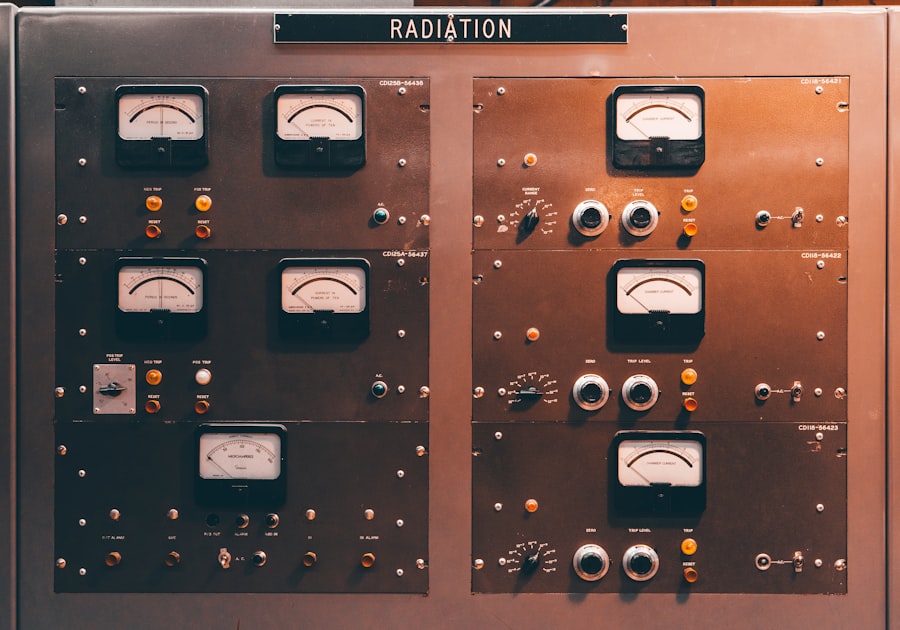
Even with the most robust systems and clear communication lines, the ultimate decision to launch nuclear weapons rests with human beings. The immense psychological pressure of a nuclear crisis, combined with factors like stress, fatigue, and the sheer weight of responsibility, can profoundly impact decision-making.
The Limits of Human Cognition: Cognitive Biases Under Extreme Pressure
The human brain, even under normal circumstances, is susceptible to various cognitive biases. Under the extreme stress of a potential nuclear war, these biases can be amplified, leading to flawed judgments. The availability heuristic, for example, might cause leaders to overestimate the likelihood of certain negative outcomes based on recent alarming events. Confirmation bias might lead them to seek out information that supports their initial assessment, even if it is inaccurate.
The Tunnel Vision Effect: Narrowing Focus and Missing Crucial Information
The intense focus required to manage a nuclear crisis can lead to “tunnel vision,” where individuals become so preoccupied with immediate threats that they overlook important peripheral information or alternative interpretations. This can prevent a comprehensive assessment of the situation, making it more likely that crucial data points are missed or misinterpreted.
The Role of Emotion: Fear, Anger, and the Impairment of Rationality
Fear and anger are natural human emotions that can be intensely heightened during a crisis. While a certain level of urgency is necessary, uncontrolled emotions can override rational thought. A leader gripped by fear might be more prone to preemptive action, while one fueled by anger might be more inclined towards retaliation, regardless of the strategic implications.
The Burden of Sleep Deprivation: The Cumulative Impact of Stress and Fatigue
The prolonged nature of some international crises, coupled with the constant vigilance required, can lead to severe sleep deprivation among decision-makers. The cumulative effects of stress and lack of sleep can significantly impair cognitive function, leading to reduced problem-solving abilities, impaired judgment, and increased irritability. This can create a dangerous environment where critical decisions are made under conditions of severe mental fatigue.
The Thin Line Between Vigilance and Exhaustion: The Personal Toll of Nuclear Defense
The individuals tasked with maintaining nuclear readiness are constantly on alert. The psychological toll of living with the knowledge that they are on the front lines of global defense is immense. While they are trained to operate under pressure, the prolonged stress of a crisis can push even the most resilient individuals to their limits.
The Unseen Costs: The Impact on Mental Acuity and Emotional Stability
The mental acuity and emotional stability of leaders and their advisors are paramount during a nuclear crisis. Fatigue and stress can lead to an increased likelihood of errors in judgment, misinterpretations of intelligence, and rash decision-making. The personal cost of such prolonged pressure is often unseen but can have profound implications for the fate of the world.
The threat of nuclear war due to miscommunication has been a pressing concern for decades, as highlighted in a related article that explores the potential consequences of misunderstandings between nations. Such miscommunications can escalate tensions and lead to catastrophic outcomes, emphasizing the need for clear and effective communication channels. For a deeper understanding of this critical issue, you can read more in the article found here.
The Path to Prevention: Building Bridges and Fostering Understanding
| Metrics | Data |
|---|---|
| Number of incidents | 10 documented cases |
| Number of casualties | Estimated 1,000,000 deaths |
| Cost of damage | Billions of dollars |
| Duration of conflicts | Years of tension and fear |
The chilling possibility of nuclear war due to miscommunication underscores the urgent need for proactive measures to enhance understanding, improve communication, and reduce the underlying tensions that fuel such conflicts.
The Imperative of Transparency: Open Dialogue and Verifiable Information
Building trust and reducing the potential for misunderstanding requires a commitment to transparency. Open dialogue, where nations can freely express their concerns and intentions, is crucial. This includes not only diplomatic channels but also opportunities for scientific and cultural exchange that can foster empathy and understanding.
De-escalation Mechanisms: Building Safeguards Against Accidental War
International agreements and treaties that focus on de-escalation, arms control, and verification are essential safeguards against accidental war. These mechanisms provide established protocols for managing crises and reducing the risk of unintended escalation. Robust verification regimes ensure that agreements are being honored, thereby building confidence and reducing suspicion.
The Role of International Institutions: Forums for Dialogue and Dispute Resolution
International organizations like the United Nations play a vital role in providing forums for dialogue and dispute resolution. These institutions can serve as neutral platforms where nations can voice their concerns, negotiate solutions, and engage in confidence-building measures. Their effectiveness, however, relies on the willingness of member states to engage constructively.
Investing in Diplomatic Resilience: Training and Cultural Competence
The art of diplomacy is not simply about negotiation; it is about understanding. Investing in training programs that emphasize cultural competence, active listening, and non-violent communication can equip diplomats with the skills necessary to navigate complex international relations and avoid misinterpretations.
Cultivating Empathy: Stepping into the Other’s Shoes
The ability to understand and appreciate the perspectives of other nations is fundamental to preventing conflict. Training programs that encourage empathy and provide insights into the historical, cultural, and political contexts of different countries can help bridge divides and foster a more nuanced understanding of international affairs.
The Power of Cross-Cultural Exchange: Building Personal Connections
Beyond formal diplomatic channels, fostering personal connections through student exchanges, cultural festivals, and joint scientific projects can create invaluable bridges of understanding. These personal interactions can break down stereotypes and build a foundation of trust that transcends political differences.
The narrative of “Deadly Fallout: Nuclear War Due to Miscommunication” is not a fictional horror story. It is a stark warning, a reminder that the greatest threats to our existence may not always be the loudest or the most obvious. The fragile threads of communication, easily frayed by misunderstanding, fear, and ambition, hold the delicate balance of global peace. Only through conscious effort, unwavering commitment to dialogue, and a profound understanding of our shared humanity can we hope to avert the catastrophic consequences of a world that fails to truly hear itself.
The U.S. Navy Didn’t Know This Submarine Had a Nuclear Torpedo
FAQs
What is the potential for nuclear war caused by miscommunication?
The potential for nuclear war caused by miscommunication is a serious concern due to the high stakes involved in nuclear conflict. Misinterpretation of signals, technical malfunctions, or human error could lead to a catastrophic chain of events.
What are some historical examples of miscommunication leading to nuclear scares?
One notable example is the 1983 incident when a Soviet satellite misinterpreted sunlight reflecting off clouds as a missile launch from the United States, prompting the Soviet military to prepare for a retaliatory strike. Another example is the 1962 Cuban Missile Crisis, where miscommunication and misinterpretation of intentions escalated tensions between the US and the Soviet Union.
How can miscommunication be mitigated to prevent nuclear war?
To mitigate miscommunication and prevent nuclear war, clear lines of communication, transparency, and trust-building measures between nuclear-armed states are crucial. Additionally, robust verification mechanisms and crisis communication channels can help clarify intentions and prevent misunderstandings.
What role does technology play in the risk of miscommunication leading to nuclear war?
Technology plays a significant role in the risk of miscommunication leading to nuclear war, as complex systems and automated processes can introduce potential points of failure. Additionally, the reliance on early warning systems and command-and-control infrastructure increases the potential for technical errors and false alarms.
What are the global implications of nuclear war caused by miscommunication?
The global implications of nuclear war caused by miscommunication are dire, as it could lead to widespread destruction, loss of life, and long-term environmental and humanitarian consequences. Furthermore, the use of nuclear weapons could escalate into a larger conflict with devastating effects on international security and stability.