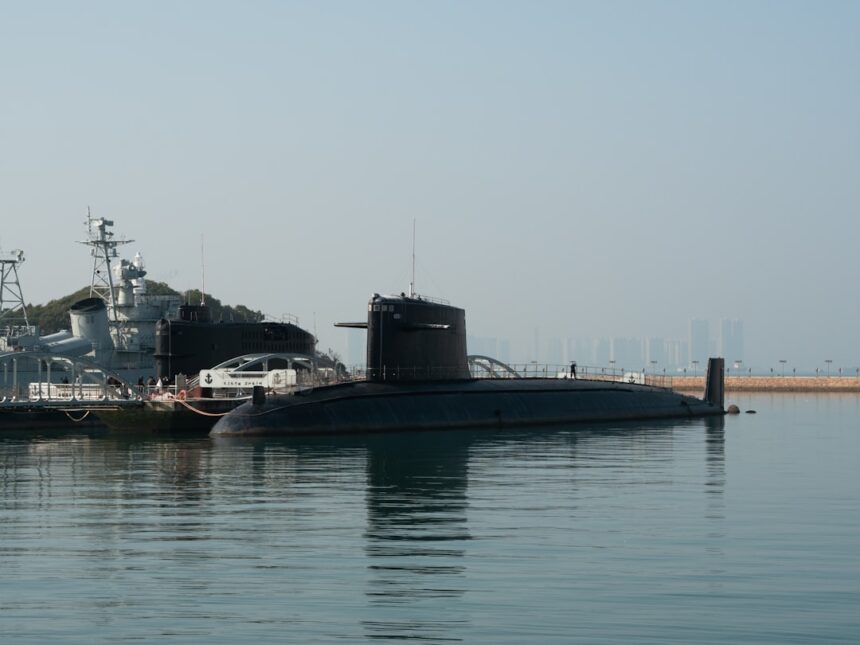
Russia’s Submarine Second Strike: A Strategic Approach
Russia’s strategic nuclear forces are a cornerstone of its defense doctrine, designed to deter aggression and preserve its sovereignty. Within this complex architecture, its submarine-launched ballistic missile (SLBM) capability occupies a particularly vital position. Known colloquially as the “second strike” capability, this component of Russia’s nuclear triad – consisting of land-based intercontinental ballistic missiles (ICBMs), strategic bombers, and ballistic missile submarines (SSBNs) – is engineered to survive a first strike and retaliate with devastating force. This article delves into the strategic importance and operational nuances of Russia’s submarine second strike capability, exploring its evolution, underlying doctrines, and the technological advancements that underpin its persistent threat.
The strategic value of submarines within a nuclear triad is rooted in their inherent survivability. Unlike fixed land-based missile silos or vulnerable airfields, submarines operate in the vast, three-dimensional expanse of the ocean, making them incredibly difficult to locate and target. This elusiveness is the bedrock of their second-strike credibility.
The Concept of Survivability
Survivability is paramount for any nuclear deterrent. A retaliatory force must be capable of weathering an initial, potentially crippling, enemy attack and still possess the means to inflict unacceptable damage in return. Submarines, particularly modern SSBNs, are designed with multiple layers of redundancy and stealth features to achieve this. Their ability to remain submerged for extended periods, coupled with sophisticated acoustic silencing and hull designs, makes them formidable adversaries to detect. The sheer volume of the world’s oceans provides an unparalleled sanctuary, allowing these vessels to patrol in relative security, poised to respond if necessary. This inherent difficulty in detection and tracking is the primary reason why SSBNs are considered the most survivable leg of the nuclear triad.
The Nuclear Triad: Complementarity and Redundancy
The concept of a nuclear triad is not merely about having three different types of nuclear weapons; it is about creating a synergistic effect that enhances overall deterrence. Each leg of the triad possesses unique strengths and weaknesses, and their combination creates a more robust and resilient deterrent.
Land-Based ICBMs: The “Hard” Deterrent
Land-based ICBMs offer rapid response times and are often equipped with multiple warheads (MIRVs) capable of independently targeting different locations. However, they are also the most vulnerable leg, residing in fixed silos that can be targeted with precision by an adversary. A successful first strike could significantly degrade or neutralize Russia’s ICBM force.
Strategic Bombers: The Flexible Response
Strategic bombers provide flexibility and the ability to recall or re-target weapons. They can also be used for conventional or nuclear missions, offering a versatile deterrent. However, bombers are vulnerable while on the ground and during takeoff and can be intercepted by air defenses once airborne. Their survivability is thus highly dependent on readiness and strategic surprise.
Ballistic Missile Submarines: The Assured Retaliation
SSBNs, as discussed, offer unparalleled survivability. Their ability to hide and retaliate ensures that even if land-based forces are decimated, Russia can still deliver a devastating blow. This “assured retaliation” capability is critical for preventing an adversary from believing they can win a nuclear conflict through a disarming first strike. The inherent survivability of SSBNs means that an aggressor must always assume that a significant portion of Russia’s nuclear arsenal remains operational after their initial attack, thus raising the cost of aggression to an unacceptable level.
The evolving dynamics of Russia’s submarine second strike strategy have raised significant concerns among military analysts and global security experts. A related article that delves deeper into this topic can be found at In the War Room, where the implications of Russia’s underwater capabilities and their potential impact on international relations are thoroughly examined. This analysis highlights the strategic importance of submarines in modern warfare and the challenges they pose to deterrence and defense strategies worldwide.
Evolution of Russia’s Submarine Force
Russia’s SSBN fleet has undergone significant modernization and transformation since the Soviet era, reflecting changing strategic priorities and technological advancements.
Soviet Legacy and the Typhoon Class
The Soviet Union invested heavily in its SSBN program, producing some of the largest submarines ever built. The Typhoon-class submarines, for instance, were colossal vessels designed to carry a substantial number of SLBMs. While impressive in their scale and armament, these submarines were also complex and, by modern standards, less stealthy.
Technological Advancements in the Soviet Era
Despite the sheer size of some Soviet submarines, their builders were pioneers in certain areas, including missile technology and submarine construction. The development of powerful SLBMs like the R-39 (SS-N-20 Sturgeon) provided a significant deterrent capability. However, the emphasis was often on sheer firepower rather than the subtle stealth and acoustic dampening that characterize modern Western SSBNs.
Operational Doctrines of the Cold War
During the Cold War, Soviet submarine doctrine often focused on sea denial and projecting power. SSBNs were deployed to patrol specific areas, often in close proximity to NATO naval forces, with the aim of disrupting enemy supply lines and threatening their coastal areas. While second-strike capability was always a component, the operational tempo and deployment patterns were more aggressive than what is typically seen today.
Post-Soviet Modernization: The Borei Class
The modern era has seen Russia focus on developing a new generation of SSBNs, most notably the Borei-class (Project 955/955A). These submarines represent a significant leap forward in design and technology, emphasizing stealth, maneuverability, and the capability to carry more advanced and effective SLBMs.
Stealth and Acoustic Signature Reduction
The Borei-class submarines are designed with advanced hull coatings and internal baffling systems to significantly reduce their acoustic signature. This makes them much harder for enemy sonar systems to detect and track, enhancing their survivability and operational flexibility. The continuous refinement of these technologies is a key driver in maintaining the effectiveness of the submarine deterrent.
Improved Weapon Systems: The Bulava Missile
The Borei-class submarines are armed with the R-30 Bulava (SS-N-32) SLBM. This missile is designed to carry multiple warheads and features a more advanced trajectory and countermeasure capabilities, making it more difficult to intercept. The integration of the Bulava missile with the Borei-class submarine creates a formidable and highly survivable second-strike platform.
Russia’s Strategic Nuclear Doctrine and Submarine Role
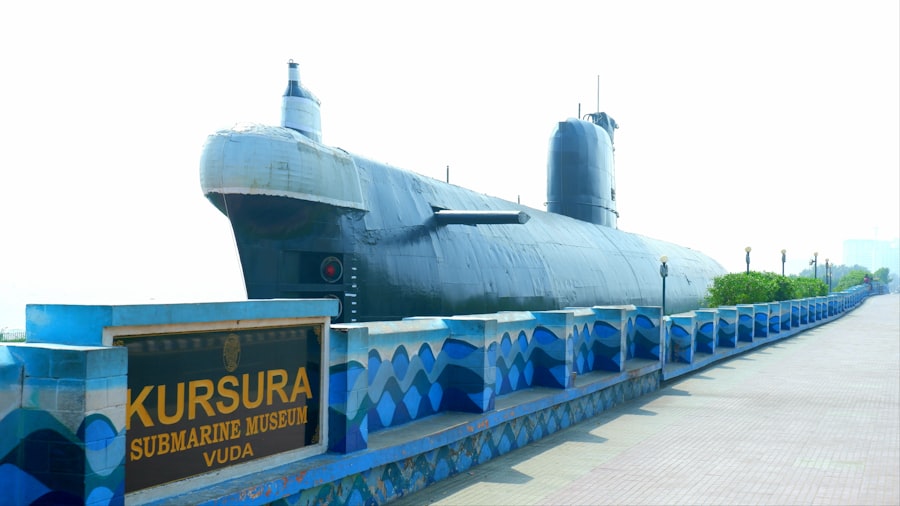
Russia’s nuclear doctrine is multifaceted, and its SSBN force plays a crucial role in fulfilling its strategic objectives. The concept of “escalate to de-escalate” is often discussed in relation to Russian nuclear strategy.
The Doctrine of Deterrence
At its core, Russia’s nuclear doctrine is about deterring aggression. The possession of a credible second-strike capability is intended to dissuade any potential adversary from launching a first strike against Russia, knowing that such an action would inevitably lead to a devastating retaliatory response.
Assured Retaliation as a Cornerstone
The concept of assured retaliation is fundamental. It means that no matter how successful an aggressor’s first strike might be, Russia is guaranteed to be able to launch a retaliatory strike of sufficient magnitude to inflict unacceptable damage on the aggressor. SSBNs are the most crucial element in ensuring this assurance due to their survivability.
Maintaining Strategic Parity
While not always explicitly stated in terms of exact numbers, Russia is committed to maintaining strategic parity with other major nuclear powers. This involves having a nuclear arsenal that is comparable in destructive potential and survivability, ensuring that no single adversary can achieve a decisive nuclear advantage.
The “Escalate to De-escalate” Hypothesis
This controversial hypothesis suggests that Russia might be willing to use tactical nuclear weapons or a limited nuclear strike to de-escalate a conventional conflict that is going poorly for them. While not officially confirmed as a doctrine, the underlying principle is that a limited nuclear use could shock an adversary into halting hostilities to avoid further escalation.
The Role of Submarine-Delivered Warheads
Within this context, submarine-launched warheads, whether strategic or potentially tactical (though the latter is highly speculative and not widely accepted), could be envisioned as part of such a strategy. The ability to deliver these warheads from a stealthy, survivable platform adds a layer of complexity and ambiguity to the adversary’s calculations.
Ambiguity and Uncertainty as Deterrent Factors
The potential for ambiguity surrounding Russia’s nuclear doctrine, including the “escalate to de-escalate” concept, can itself be a deterrent. If an adversary cannot be certain about Russia’s red lines or its willingness to cross them, they may be more hesitant to provoke a conflict in the first place.
Operational Aspects of Russia’s Submarine Second Strike
The effectiveness of Russia’s submarine second strike capability hinges on several critical operational factors, from deployment strategies to command and control.
Strategic Deployment and Patrol Areas
Russian SSBNs are deployed in carefully selected patrol areas designed to maximize their survivability and their ability to respond. These areas are often in remote, deep-water locations, away from major shipping lanes and potential enemy ASW (anti-submarine warfare) forces.
Bastion Strategies
A key strategy for Russian SSBNs has been the concept of “bastions.” These are defined areas, often in the Arctic Ocean or within the Barents Sea, where Russian naval forces provide a heavily defended zone. Within these bastions, SSBNs can operate with a higher degree of security, relying on the presence of other naval assets to deter enemy intrusion.
Global Reach and Patrol Flexibility
While bastions offer a degree of safety, modern Russian SSBNs are also designed for global patrol. This allows them to operate in a wider range of ocean environments, making it even more challenging for adversaries to track their movements and predict their locations. This global reach enhances the credibility of their second-strike threat by presenting a dispersed and unpredictable force.
Command, Control, and Communications (C3)
Ensuring reliable and secure communication with submerged SSBNs is crucial for any nuclear power. Russia employs sophisticated communication systems to maintain contact with its submarines.
Extremely Low Frequency (ELF) and Very Low Frequency (VLF) Communications
Submarines can receive signals from ELF and VLF transmitters, which are capable of penetrating seawater to a certain depth. Russia operates such communication facilities to relay critical orders and information to its submerged SSBNs.
Redundancy and Survivable Communication Nodes
The C3 network is designed with multiple redundant pathways and survivable communication nodes to ensure that even if some elements are degraded or destroyed, communication can still be maintained. This resilience is vital for the timely launch of a retaliatory strike.
Anti-Submarine Warfare (ASW) Challenges for Adversaries
The inherent stealth of modern Russian SSBNs presents significant challenges for any potential adversary’s ASW capabilities.
The “Black Hole” Effect
The combination of advanced stealth technology, operational doctrine, and vast ocean environments can create a “black hole” effect, where adversaries struggle to locate and track SSBNs with any degree of certainty. This uncertainty is a key component of the deterrent.
Technological Arms Race in ASW
There is a continuous technological arms race in ASW. Adversaries are constantly developing new sonar technologies, underwater sensors, and unmanned underwater vehicles (UUVs) to improve their detection capabilities. However, Russia simultaneously works to counter these advancements with improved stealth and operational countermeasures.
The evolving dynamics of Russia’s submarine second strike strategy have garnered significant attention in recent defense analyses. This strategy not only underscores the importance of underwater capabilities in modern warfare but also highlights the potential implications for global security. For a deeper understanding of these developments, you can explore a related article that delves into the specifics of Russia’s naval tactics and their impact on international relations. To read more about this topic, visit this insightful article.
Future of Russia’s Submarine Second Strike
| Submarine Type | Number of Submarines | Range | Warhead Capacity |
|---|---|---|---|
| Borei-class | 4 | 8,000 nautical miles | 16 Bulava missiles |
| Dolgorukiy-class | 3 | 8,000 nautical miles | 16 Bulava missiles |
| Delta IV-class | 6 | 9,000 nautical miles | 16 R-29RMU Sineva missiles |
The future of Russia’s submarine second strike capability will likely be shaped by ongoing technological development, evolving geopolitical landscapes, and the continuing strategic importance of its SSBN force.
Next-Generation Submarines and Weapon Systems
Russia is expected to continue investing in the modernization of its SSBN fleet. This includes the development of even more advanced submarines with enhanced stealth, maneuverability, and quieter operation.
Further Advancements in Stealth Technology
Future submarines will likely incorporate even more sophisticated stealth technologies, including active noise cancellation, advanced hull materials, and further reductions in thermal and magnetic signatures. This will make them increasingly difficult to detect by passive and active sonar systems.
Development of New SLBMs and Hypersonic Capabilities
The development of new generations of SLBMs with improved accuracy, range, and payload capacity is also anticipated. There is also speculation about the potential integration of hypersonic glide vehicles delivered via SLBMs, which could further complicate missile defense efforts.
The Role of Nuclear-Powered and Nuclear-Armed Unmanned Underwater Vehicles (UUVs)
The development of nuclear-powered and potentially nuclear-armed UUVs is an emerging area that could significantly impact the future of submarine warfare and second-strike capabilities.
Potential for Autonomous Nuclear Deterrence
These UUVs could potentially be deployed to patrol vast ocean areas, acting as autonomous nuclear deterrents. Their ability to operate for extended periods and their inherent stealth could make them a highly survivable and unpredictable element of a future nuclear arsenal.
Implications for Strategic Stability
The proliferation of such technologies could have significant implications for strategic stability, introducing new forms of ambiguity and potentially lowering the threshold for nuclear use if not carefully managed and understood.
Geopolitical Context and Strategic Imperatives
The geopolitical environment will continue to influence Russia’s strategic decisions regarding its SSBN force. As global tensions shift, the importance of a robust and survivable nuclear deterrent will likely remain a constant.
Adapting to a Changing Security Environment
Russia will need to adapt its submarine strategy to evolving security challenges, including the rise of new maritime powers and advancements in adversarial ASW capabilities. The ability to maintain a credible deterrent in a dynamic global landscape will be crucial.
Arms Control and Dialogue
The future of strategic stability, including the role of SSBNs, will also be influenced by arms control negotiations and ongoing dialogue between nuclear powers. Maintaining transparency and predictability in the development and deployment of these critical assets is essential for preventing miscalculation and unintended escalation. Russia’s submarine second strike capability remains a formidable and strategically vital component of its defense posture, designed to ensure its security and deter aggression in an increasingly complex world.

Russia’s Nuclear Submarines Depend on This Arctic Lifeline
FAQs
What is Russia’s submarine second strike strategy?
Russia’s submarine second strike strategy refers to the country’s plan to use its nuclear-powered submarines to launch a retaliatory nuclear strike in the event of a nuclear attack on its territory. This strategy is a key component of Russia’s nuclear deterrence policy.
How many nuclear-powered submarines does Russia have?
Russia currently operates a fleet of around 60 nuclear-powered submarines, including both ballistic missile submarines (SSBNs) and attack submarines (SSNs). These submarines are equipped with intercontinental ballistic missiles (ICBMs) and cruise missiles, capable of carrying nuclear warheads.
What is the purpose of Russia’s submarine second strike capability?
The purpose of Russia’s submarine second strike capability is to ensure that the country can still retaliate with a devastating nuclear response even if its land-based nuclear forces are destroyed in a first strike. This capability is intended to deter potential adversaries from launching a nuclear attack on Russia.
How does Russia maintain the readiness of its submarine second strike force?
Russia maintains the readiness of its submarine second strike force through regular patrols and exercises. These submarines operate in the world’s oceans, conducting strategic deterrence missions and remaining on high alert to respond to any potential threats.
What are the implications of Russia’s submarine second strike strategy for global security?
Russia’s submarine second strike strategy adds to the overall nuclear deterrence posture of the country, contributing to the stability of the global security environment. However, it also raises concerns about the potential for miscalculation or escalation in a crisis involving nuclear-armed submarines.