The R21 highway, officially designated as the “Kola” federal highway, carves its way through the dramatic and untamed landscapes of the Kola Peninsula in Russia’s far north. More than just a conduit for transportation, the R21 is a gateway to an experience, a journey into a world where nature reigns supreme and human settlements are scattered like jewels against a vast, rugged backdrop. From the bustling port city of Murmansk to the Finnish border, this serpentine ribbon of asphalt offers a compelling exploration of Arctic wilderness, unique cultural enclaves, and breathtaking vistas that leave an indelible mark on the soul of any traveler.
The Kola Peninsula itself is a land of stark beauty, characterized by its boreal forests, vast tundra, fjords, and mountains, all shaped by glacial activity and the relentless Arctic climate. The R21 is the primary artery that connects these diverse regions, providing access to a wealth of natural wonders and historical sites. While the journey demands preparation and an appreciation for the rugged, the rewards are immeasurable. This article will delve into the captivating allure of the R21 highway, highlighting its key attractions, geographical significance, and the unforgettable experiences it offers.
The R21 highway, affectionately known as the “Kola” route, is a vital federal highway in Russia, stretching from Saint Petersburg to the port city of Murmansk on the Kola Peninsula. While the official R21 designation encompasses the entire route from Saint Petersburg, this article focuses specifically on the segment within the Kola Peninsula, from its northern terminus in Murmansk to its junction with the Finnish border at Salla. The historical development of this route is deeply intertwined with the strategic importance of Murmansk as a key Arctic port, especially during times of conflict and for facilitating trade.
A Lifeline for the Arctic Frontier
The construction and ongoing maintenance of the R21 are crucial for the economic and social well-being of the Kola Peninsula. It serves as a lifeline, connecting remote communities to essential services, providing a pathway for resource extraction, and enabling tourism, which is increasingly becoming a significant contributor to the regional economy. Before the R21, travel across the peninsula was arduous, often relying on seasonal roads, waterways, or air travel. The highway has fundamentally transformed accessibility, opening up the region to both domestic and international exploration.
Strategic Importance and Historical Context
The strategic importance of Murmansk, and by extension the R21, cannot be overstated. As Russia’s only ice-free Arctic port for much of the year, it has played a pivotal role in naval operations and international shipping. During World War II, the R21 was a critical supply route for Allied convoys during the Arctic convoys, a testament to its enduring strategic value. The highway’s history is thus a narrative of national development, defense, and the relentless human endeavor to conquer and connect with the harsh Arctic environment.
Engineering Challenges in an Arctic Environment
Building and maintaining a highway in the Kola Peninsula presents formidable engineering challenges. The permafrost, extreme temperature fluctuations, heavy snowfall, and remote terrain all contribute to the complexity of the undertaking. The R21 is a constant battle against the elements, requiring specialized construction techniques and ongoing maintenance to ensure its usability throughout the year. This resilience in the face of adversity is a hallmark of the Russian spirit and is reflected in the enduring presence of this vital artery.
The R21 highway, also known as the Kola Highway, is a vital transport route on the Kola Peninsula in Russia, connecting the region to major cities and facilitating trade and travel. For more insights into the significance of this highway and its impact on local communities, you can read a related article at this link.
From Murmansk: The Gateway to the Arctic
The journey along the R21 truly begins in Murmansk, the administrative center and largest city in the Kola Peninsula. This vibrant port city, built on the shores of the Kola Bay, is the northernmost city of its size in the world and serves as the de facto gateway to the Arctic. Its unique character, shaped by its Arctic location and naval heritage, provides a fascinating starting point for any exploration of the R21.
Murmansk: A City of the North
Murmansk offers a glimpse into life in the high Arctic. Visitors can explore its impressive Atomflot, the base for nuclear-powered icebreakers, a testament to Russia’s dominance in Arctic navigation. The city’s historical monuments, such as the Alyosha Monument, a towering statue commemorating Soviet soldiers who defended the region during WWII, offer poignant reflections on the sacrifices made in this harsh land. The Murmansk Regional Museum provides further insights into the peninsula’s natural history, indigenous cultures, and industrial development.
The Kola Bay and Coastal Landscapes
The R21 highway, as it departs Murmansk and heads south and west, begins to showcase the dramatic coastal landscapes of the Kola Peninsula. The winding roads offer panoramic views of the Kola Bay, with its busy shipping lanes and the rugged, treeless hills that flank its shores. The air is crisp and clean, carrying the scent of the sea and the wild herbs that dot the tundra. This initial stretch sets the tone for the wild beauty that lies ahead, a constant reminder of the proximity to the vast Arctic Ocean.
First Encounters with the Tundra
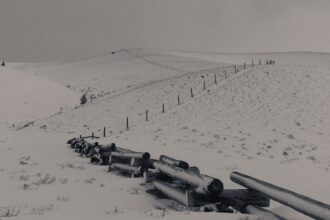
Even on the outskirts of Murmansk, the transition from urban environment to the raw beauty of the tundra is palpable. The vegetation becomes sparser, replaced by hardy mosses, lichens, and low-lying shrubs adapted to the extreme conditions. The vast, open spaces begin to dominate the landscape, inviting a sense of awe and solitude. This is the beginning of an immersion into a realm where nature dictates the rhythm of life.
The Untamed Wilderness: Exploring the Central Kola Peninsula
As the R21 highway ventures further from Murmansk, the true wildness of the Kola Peninsula unfolds. This central section of the route is characterized by its vast expanses of boreal forest, serene lakes, and the undulating terrain of the Arctic tundra. It is a region where wildlife roams freely and the silence of nature is profound.
The Taiga Forests: A Sea of Green
The R21 winds through sprawling taiga forests, dominated by coniferous trees like spruce and pine, interspersed with birch and aspen. These forests, though seemingly dense, are a crucial ecosystem supporting a variety of wildlife. The air is often perfumed with the scent of pine needles and damp earth. Pulling over at designated viewpoints allows for breathtaking panoramas of these endless green expanses stretching towards the horizon.
Lakes and Rivers: Reflections of the Arctic Sky
Numerous lakes and rivers dot the landscape surrounding the R21. These bodies of water, often glacial in origin, reflect the ever-changing Arctic sky, from the soft hues of dawn to the dramatic colors of sunset. Many of these lakes are pristine, offering opportunities for fishing or simply for quiet contemplation. The R21 bridges numerous waterways, each offering a new perspective on the hydrological beauty of the peninsula.
The Majesty of the Tundra
Beyond the treeline, the landscape transforms into the iconic Arctic tundra. This treeless biome, characterized by low-growing vegetation, is a starkly beautiful and incredibly resilient ecosystem. The R21 provides access to these expansive plains, where one can witness the unique flora and fauna adapted to survive the harsh climate. The sense of scale here is immense, with the horizon seeming to stretch on forever.
Wildlife Encounters and Opportunities
The R21 highway traverses areas known for their abundant wildlife. While sightings are never guaranteed, travelers might have the chance to spot reindeer (often seen grazing along the roadside), moose, arctic foxes, and a variety of birds, including migratory species that flock to the region during the warmer months. Respectful observation from a distance is key to ensuring the well-being of these animals.
Cultural Crossroads and Historical Echoes
The Kola Peninsula, and consequently the R21 highway, is not just a landscape of natural beauty but also a region rich in history and cultural diversity. Scattered along the route are remnants of past civilizations, indigenous communities, and industrial ventures, each telling a part of the peninsula’s story.
Indigenous Heritage: Sami Communities
The indigenous Sami people have inhabited the Kola Peninsula for millennia. While their traditional nomadic lifestyle has evolved, their cultural heritage remains a vital part of the region’s identity. The R21 passes through areas where Sami settlements and cultural centers are located. Learning about their traditions, Sami language, and their deep connection to the land offers a profound cultural dimension to the journey. Visitors may have the opportunity to visit Sami villages or cultural museums.
Historical Settlements and Fishing Villages
Along the coast and near inland waterways, the R21 connects travelers to small, often historic, settlements and fishing villages. These communities, with their distinctive architecture and stoic inhabitants, offer a glimpse into a way of life shaped by the sea and the land. Many of these villages have a history stretching back centuries, serving as important outposts for exploration and trade.
Industrial Past and Present
The Kola Peninsula has a rich history of resource extraction, particularly mining and metallurgy. The R21 highway provides access to some of these industrial areas, showcasing the impact of human activity on the landscape. While the focus of this article is on the scenic aspects, understanding the industrial heritage adds another layer of complexity to the region’s narrative.
The Legacy of the Arctic Convoys
The R21 highway played a crucial role during World War II as a supply route for the vital Arctic convoys. Numerous memorials and historical markers can be found along or near the route, commemorating the bravery and sacrifices of those who fought in this challenging theater of war. Visiting these sites offers a somber yet important historical perspective.
The R21 highway on the Kola Peninsula in Russia is a vital route that connects various regions and facilitates transportation in this remote area. For those interested in learning more about the strategic importance of this highway and its impact on local communities, a related article can provide valuable insights. You can read more about it in this informative piece on the subject. For further details, check out the article here.
The Journey to the Border: Reaching the Edge of Russia
| Highway | Location | Length | Construction Started | Construction Completed |
|---|---|---|---|---|
| R21 | Kola Peninsula, Russia | 1,187 km | 1931 | 1964 |
As the R21 highway continues its westward trajectory, the landscape gradually shifts, and the proximity to the Finnish border becomes more apparent. This final leg of the journey offers a culmination of the Arctic’s stark beauty and a sense of reaching the edge of a vast and intriguing land.
Transitioning Landscapes
The vegetation may become more varied as one moves further west, with pockets of denser forest appearing alongside open tundra. The terrain can become more mountainous, with rolling hills and valleys offering new scenic perspectives. The R21, as it navigates these changes, continues to provide a constant stream of visual delights.
Remote Villages and Isolated Homesteads
The further one travels from Murmansk, the more sparse the human settlements become. The R21 passes by small, remote villages and isolated homesteads, each a testament to the resilience of those who choose to live in these challenging yet beautiful environments. These glimpses into remote life add to the sense of adventure and discovery.
The Salla Border Crossing
The R21 highway ultimately leads to the Salla border crossing, marking the transition from Russia to Finland. This is the physical endpoint of the R21’s Kola Peninsula segment. The crossing itself is a reminder of the interconnectedness of nations and the diverse landscapes that lie beyond the immediate horizon.
Reflections on the Arctic Experience
Standing at the border, one can reflect on the incredible journey undertaken. The R21 has offered a unique opportunity to experience the raw power of Arctic nature, witness diverse ecosystems, and gain insights into the rich cultural and historical tapestry of the Kola Peninsula. It is a journey that transforms perspectives and leaves a lasting impression of Russia’s vast and enigmatic north. The R21 is more than just asphalt and concrete; it is a testament to the enduring spirit of exploration and the profound beauty of the Arctic frontier.
Russia’s Nuclear Submarines Depend on This Arctic Lifeline
FAQs
What is the R21 highway on the Kola Peninsula in Russia?
The R21 highway, also known as the Kola Highway, is a major road on the Kola Peninsula in northwestern Russia. It connects the city of Murmansk to the town of Kandalaksha, and is an important transportation route in the region.
How long is the R21 highway?
The R21 highway is approximately 600 kilometers (370 miles) long, making it one of the longest highways in the Murmansk Oblast region of Russia.
What are the main features of the R21 highway?
The R21 highway is a two-lane road that passes through diverse landscapes, including forests, tundra, and coastal areas. It is an important route for both local transportation and for tourists visiting the Kola Peninsula.
What are some notable attractions along the R21 highway?
The R21 highway passes by several notable attractions, including the Khibiny Mountains, the White Sea coast, and the town of Kandalaksha. It also provides access to the Kola Superdeep Borehole, one of the deepest boreholes in the world.
What are the road conditions like on the R21 highway?
The road conditions on the R21 highway can vary, with some sections being well-maintained and others experiencing rougher terrain. It is important for travelers to be prepared for changing road conditions, especially during the winter months when snow and ice can affect driving conditions.