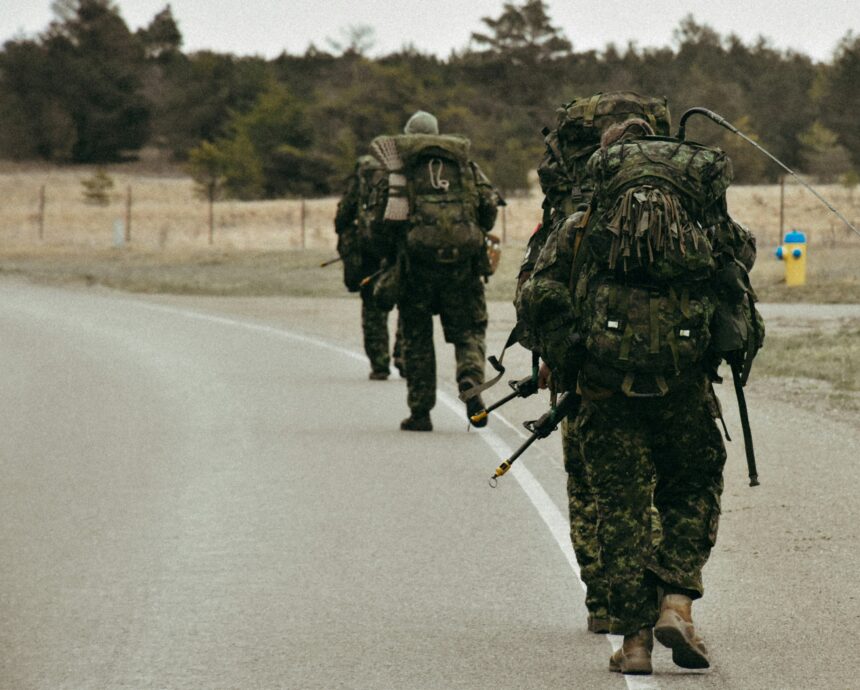
The biting winds of the Arctic and the vast, unforgiving terrain of the Kola Peninsula present a formidable challenge to any military force. For Russia, this strategically vital region, a gateway to the Northern Sea Route and a stronghold for its Northern Fleet, necessitates a robust and sophisticated military logistics network. This network is not merely about supplying troops with ammunition and rations; it is a complex ecosystem designed to sustain a persistent military presence in one of the world’s harshest environments, enabling power projection and territorial defense. The sheer scale of Russia’s military operations on the Kola Peninsula, particularly its nuclear submarine fleet, demands an unparalleled logistical capability, a capability that has been continuously developed and adapted over decades.
The Kola Peninsula, situated in the extreme northwest of Russia, forms the northernmost part of the Murmansk Oblast. Its strategic significance cannot be overstated, particularly in the context of Russia’s broader geopolitical ambitions and security concerns. The peninsula’s location grants it direct access to the Barents Sea, a critical maritime zone for both economic activity and military maneuvering. This access is paramount for Russia’s Northern Fleet, which is headquartered in Severomorsk, a closed city on the eastern shore of the Kola Bay. The Northern Fleet is the most powerful of Russia’s four fleets, boasting a substantial portion of its strategic nuclear submarine force, including ballistic missile submarines (SSBNs) and attack submarines.
The Northern Sea Route: A New Arctic Highway
The Kola Peninsula’s proximity to the Northern Sea Route (NSR) further amplifies its strategic value. As climate change leads to the melting of Arctic ice, the NSR is becoming increasingly navigable for longer periods, offering a potentially shorter and more economically viable shipping route between Europe and Asia than traditional routes like the Suez Canal. Russia views the NSR as a crucial artery for its future economic prosperity and a means of asserting its influence in the Arctic. Maintaining a strong military presence on the Kola Peninsula is essential for securing this route, protecting Russian commercial shipping, and deterring potential interference from other nations. The ability to project naval power from Kola’s ports is therefore directly linked to Russia’s ability to leverage the NSR.
Military Bases and Infrastructure
The Kola Peninsula is home to a dense concentration of military installations, including naval bases, airfields, radar stations, and command centers. These facilities are not static; they are part of a dynamic network that requires constant resupply and maintenance. The presence of naval bases like Severomorsk, Gadzhievo, and Polyarny, which house critical submarine facilities and surface fleet operations, demands a continuous flow of fuel, spare parts, weaponry, and personnel. The logistical challenge extends to airbases such as Kipelovo, which support long-range bomber and naval aviation units, requiring the regular delivery of aviation fuel, munitions, and maintenance equipment. The sheer concentration of these military assets underscores the critical nature of the logistical infrastructure supporting them.
The strategic importance of the Kola Peninsula in Russia’s military logistics has been a topic of considerable analysis, particularly in light of its proximity to the Arctic and the North Atlantic. For a deeper understanding of how this region plays a crucial role in Russia’s military operations and supply chain management, you can read the related article on military logistics at this link: In The War Room. This article delves into the complexities of military supply routes and the implications for regional security.
The Backbone of Supply: Transportation Networks
The extreme environment of the Kola Peninsula poses significant logistical hurdles for transportation. Traditional overland routes can be severely hampered by snow, ice, and permafrost, while maritime and air transport are subject to the vagaries of Arctic weather. Russia has invested heavily in developing and maintaining a multi-modal transportation network specifically designed to overcome these challenges.
Rail and Road Connectivity
While the Kola Peninsula has a limited road network compared to more temperate regions, railways play a crucial role in the movement of heavy equipment and large volumes of supplies. The Murmansk Railway, a vital artery, connects the peninsula to the rest of Russia, facilitating the transport of everything from industrial goods to military hardware. However, the railway system is susceptible to weather-related disruptions, necessitating robust maintenance and contingency planning. Road transport, while less critical for bulk supplies, is essential for reaching more remote garrisons and installations. The development of specialized winterized vehicles and the establishment of winter road maintenance crews are integral to maintaining this connectivity. The reliance on these terrestrial networks is directly proportional to the need for secure and reliable delivery channels, especially during periods of heightened tension.
Maritime and Inland Waterways
The extensive coastline and numerous bays and fjords of the Kola Peninsula make maritime transport indispensable. Numerous ports, both military and civilian, serve as crucial transshipment points for supplies destined for naval bases and coastal garrisons. The Northern Sea Route itself, while a strategic objective, also functions as a vital logistical corridor, particularly during the ice-free season. Inland waterways, though limited in scope and duration of navigability, can also play a role in supplying more inland facilities, especially during the summer months. The seasonal nature of Arctic maritime operations necessitates careful planning and stockpiling of supplies during the ice-free periods to sustain operations throughout the year. The efficiency of these maritime routes is often dictated by icebreakers and specialized vessels capable of navigating the challenging Arctic waters.
Air Transport: The Swift Solution
Given the vast distances and challenging terrain, air transport is critical for rapid deployment of personnel, high-priority equipment, and emergency supplies. Several airfields on the Kola Peninsula serve as hubs for military transport aircraft, facilitating the movement of goods and personnel to even the most isolated locations. The ability to conduct aerial resupply operations, particularly during periods when ground or sea routes are compromised, is a key element of Russia’s logistical resilience in the region. The deployment of specialized cargo aircraft and the continuous training of aircrews in Arctic conditions are vital components of this capability. The swiftness of air transport offers a significant advantage in responding to unforeseen logistical demands and maintaining operational tempo.
Sustaining the Fleet: Naval Logistics in the Arctic
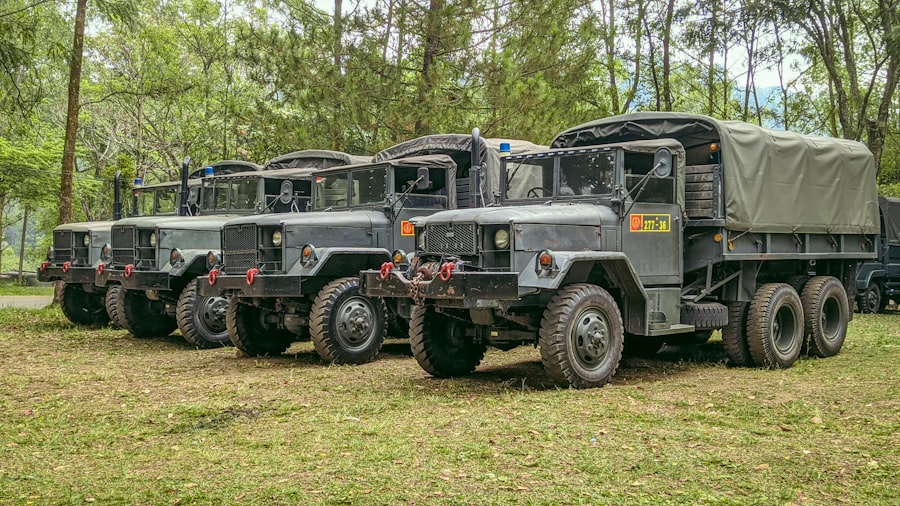
The cornerstone of Russia’s military presence on the Kola Peninsula is its Northern Fleet. Sustaining a nuclear-powered submarine fleet, with its complex operational requirements and extended deployments, presents unique and demanding logistical challenges.
Fuel and Ammunition
The constant need for fuel – diesel for surface vessels and specialized nuclear fuel for submarines – is a primary logistical concern. Dedicated fuel depots and tanker operations are essential to ensure a continuous supply to naval bases and deployed vessels. Similarly, the replenishment of torpedoes, missiles, and other munitions is a critical aspect of naval readiness. This requires secure storage facilities, specialized handling equipment, and efficient transportation networks to move these sensitive and dangerous materials to the fleet. The scale of these requirements for a modern naval fleet operating in such a remote location is immense, demanding a robust and well-oiled supply chain.
Maintenance and Repair
Submarines and surface vessels require extensive and ongoing maintenance and repair to remain operational. The Kola Peninsula hosts specialized shipyards and repair facilities equipped to handle the complex needs of the Northern Fleet. This includes the provision of spare parts, specialized tools, skilled technicians, and the necessary dry-docking capabilities. The logistical challenge extends to ensuring the availability of these resources even during periods of extreme weather or geopolitical tension, when external support might be limited. The continuous operation of these repair facilities is a testament to the sustained commitment to maintaining the fleet’s operational readiness.
Personnel and Provisions
Beyond matériel, the logistics of sustaining the human element of the Northern Fleet is equally crucial. This involves the regular supply of food, medical supplies, and other provisions to naval bases and deployed vessels. The quality and quantity of these provisions directly impact crew morale and operational effectiveness. The establishment of dedicated commissaries, efficient food distribution networks, and the provision of specialized medical facilities are all integral to this aspect of military logistics. The isolation of many naval installations necessitates self-sufficiency in many aspects of personnel support.
Cold War Legacy and Modern Adaptations
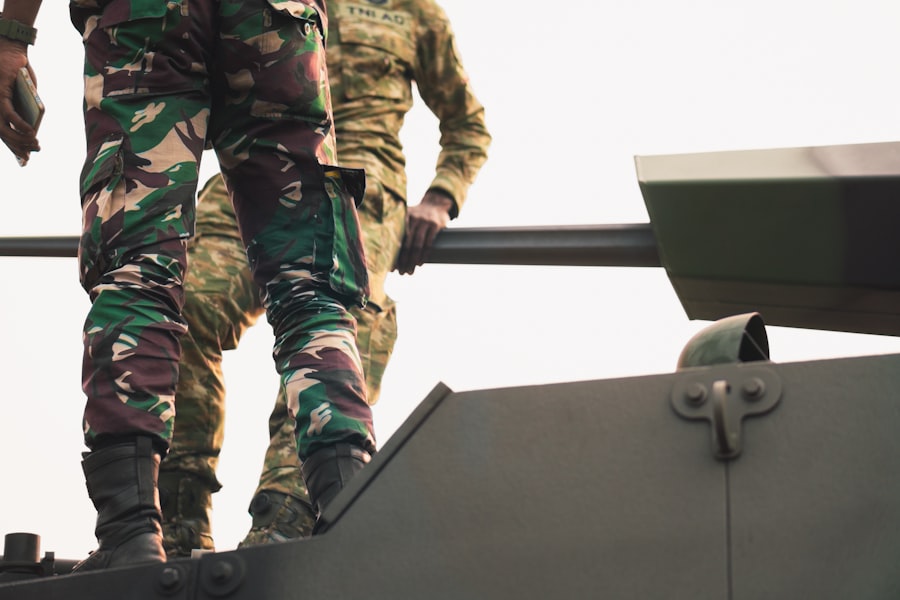
Russia’s military logistics on the Kola Peninsula are deeply rooted in the Soviet era, inheriting a vast network of infrastructure and operational doctrines. However, the post-Soviet period has seen significant adaptations and modernization efforts to address evolving threats and technological advancements.
Soviet-Era Infrastructure
During the Cold War, the Soviet Union invested heavily in the Kola Peninsula, establishing a formidable military presence designed to counter NATO forces in the North Atlantic. This included the construction of extensive underground facilities, hardened storage depots, and a sprawling network of military towns. Much of this infrastructure remains in use today, forming the bedrock of Russia’s current logistical capabilities. However, aging infrastructure requires continuous investment in maintenance and upgrades to meet contemporary standards. The sheer scale of these Soviet-era constructions often poses a challenge in terms of modernizing them without disrupting ongoing operations.
Modernization and Technological Integration
In recent years, Russia has prioritized the modernization of its military logistics capabilities on the Kola Peninsula. This includes the upgrading of existing facilities, the construction of new and more resilient infrastructure, and the integration of advanced technologies. This encompasses the use of digital inventory management systems, improved communication networks, and the deployment of more efficient transport and handling equipment. The aim is to enhance the speed, efficiency, and security of logistical operations, enabling faster response times and greater operational flexibility. The adoption of advanced technologies also plays a role in enhancing the security and integrity of the supply chain.
The Role of Closed Cities
The presence of “closed cities” like Severomorsk, home to the Northern Fleet, highlights a unique aspect of Russian military logistics. These cities are largely self-contained, with dedicated logistical chains designed to support their inhabitants and military personnel. This includes the provision of housing, services, and essential goods, often managed by military or state-affiliated entities. While these closed systems enhance security and operational secrecy, they can also present logistical challenges in terms of integrating them with broader national supply networks and ensuring the welfare of their residents. The isolation of these cities further emphasizes the importance of robust internal logistical systems.
Recent developments in Russia’s military logistics on the Kola Peninsula have raised concerns among NATO allies about the strategic implications of this region. The Kola Peninsula serves as a critical hub for the Russian Northern Fleet, enhancing their operational capabilities in the Arctic. For a deeper understanding of the logistical strategies employed by Russia in this area, you can read a related article that explores the complexities of military operations in the Arctic environment. Check it out here for more insights on this important topic.
Challenges and Future Prospects
| Metrics | Data |
|---|---|
| Number of military bases | Multiple |
| Number of troops | Thousands |
| Number of vehicles | Hundreds |
| Distance from Moscow | Around 1,500 miles |
| Strategic importance | High |
Despite significant investments and adaptations, Russia’s military logistics on the Kola Peninsula face a range of ongoing challenges, from the harsh Arctic environment to geopolitical pressures. The future of these operations will likely be shaped by the nation’s economic capacity, technological advancements, and its strategic objectives in the Arctic.
Environmental Constraints
The persistent challenge of the Arctic environment cannot be overstated. Extreme cold, heavy snowfall, permafrost, and limited daylight hours in winter all impact the efficiency and reliability of logistical operations. Ice formation can disrupt sea routes for extended periods, while thawing permafrost can damage infrastructure. Russia’s ability to consistently overcome these environmental obstacles is crucial for maintaining its military posture in the region. The ongoing effects of climate change, while potentially opening new routes, also bring unpredictable weather patterns and increased risks of extreme events.
Geopolitical Considerations
The Kola Peninsula sits at the heart of a region with increasing geopolitical significance. Russia’s assertive stance in the Arctic, coupled with the presence of NATO forces in neighboring Norway, creates a dynamic security environment. This necessitates a constant state of readiness, which in turn places a strain on logistical capabilities. The potential for sanctions or disruptions to international trade routes could also impact Russia’s ability to procure certain essential supplies, further emphasizing the need for robust domestic logistical solutions. The ongoing military build-up in the Arctic by various nations contributes to an increasingly complex geopolitical landscape that directly influences logistical priorities.
Future Development and Investment
The future of Russia’s military logistics on the Kola Peninsula will depend on continued investment and strategic adaptation. This will likely involve further modernization of infrastructure, the development of new technologies for Arctic operations, and a focus on enhancing resilience and redundancy in supply chains. Russia’s commitment to maintaining its strategic presence in the Arctic, particularly its nuclear deterrent, suggests that logistical capabilities will remain a top priority. The ongoing exploration of Arctic resources and the potential for increased economic activity in the region may also necessitate further expansion and refinement of its military logistical footprint. The ultimate success of these endeavors will hinge on the nation’s capacity to innovate and adapt to the ever-evolving demands of operating in the unforgiving Arctic.

Russia’s Nuclear Submarines Depend on This Arctic Lifeline
FAQs
What is the Kola Peninsula in Russia?
The Kola Peninsula is a large peninsula in the far northwest of Russia. It is located in the Murmansk Oblast and is bordered by the Barents Sea to the north and the White Sea to the east.
Why is the Kola Peninsula important for Russia’s military logistics?
The Kola Peninsula is strategically important for Russia’s military logistics due to its proximity to the Arctic region and its access to important waterways. It is home to several military bases and provides a strategic location for the Russian Navy and other military operations.
What are the key military logistics challenges in the Kola Peninsula?
The Kola Peninsula faces challenges such as harsh Arctic weather conditions, limited infrastructure, and remote location. These factors can make it difficult to transport supplies and personnel, especially during the winter months.
How does Russia address the military logistics challenges in the Kola Peninsula?
Russia addresses the military logistics challenges in the Kola Peninsula by investing in infrastructure improvements, such as building new roads, ports, and airfields. Additionally, the Russian military utilizes specialized equipment and technology designed to operate in Arctic conditions.
What are the implications of military logistics in the Kola Peninsula for Russia’s national defense?
The military logistics in the Kola Peninsula are crucial for Russia’s national defense, as it allows for the strategic positioning of military forces in the Arctic region. This positioning is important for maintaining Russia’s security interests and asserting its presence in the Arctic.