The Strategic Importance of Russia’s Kola Peninsula
The Kola Peninsula, a vast and strategically vital landmass jutting out into the Arctic Ocean in northwestern Russia, stands as a cornerstone of Moscow’s geopolitical ambitions. Its formidable landscape, rich in natural resources and home to key military installations, grants it a significance that extends far beyond its remote geographical location. Understanding the multifaceted strategic importance of the Kola Peninsula is crucial for comprehending Russia’s Arctic policies, its military posture, and its evolving role on the global stage. From its unparalleled naval capabilities to its immense mineral wealth and its role as a gateway to the Northern Sea Route, the peninsula is a nexus of power, economic opportunity, and international concern.
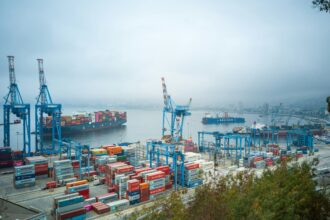
The Kola Peninsula’s most prominent strategic attribute lies in its role as a critical Arctic gateway and a formidable naval powerhouse. Its deep, ice-free harbors, particularly those at Murmansk, provide Russia with year-round access to the Arctic Ocean, a stark contrast to the frozen expanses that typically characterize much of the region. This access is not merely for commercial shipping; it is fundamental to Russia’s naval projection and its ability to exert influence in the High North.
The Northern Fleet’s Bastion
At the heart of the Kola Peninsula’s naval might is its status as the home base of the Russian Northern Fleet. This is the largest and most powerful of Russia’s four naval fleets, possessing a formidable array of submarines, surface vessels, and aircraft. The strategic positioning of the Kola Peninsula allows the Northern Fleet to patrol vast swathes of the Arctic and North Atlantic, projecting Russian power and safeguarding its northern maritime borders.
Submarine Dominance and Deterrence
The Kola Peninsula is particularly vital for Russia’s submarine force, including its strategic nuclear submarines (SSBNs). Murmansk and surrounding naval bases house a significant portion of Russia’s nuclear deterrent, providing a survivable and potent second-strike capability. The ability to launch ballistic missiles from under the Arctic ice offers a crucial strategic advantage, making it a cornerstone of Russia’s nuclear strategy. The presence of these submarines underscores the peninsula’s role in maintaining global strategic stability, albeit through a lens of deterrence.
Surface Fleet Capabilities
Beyond submarines, the Kola Peninsula supports a diverse surface fleet, including cruisers, destroyers, frigates, and auxiliary vessels. These ships are crucial for power projection, maritime security, and demonstrating Russian presence in the Arctic. Their deployment from Kola allows for rapid response to potential threats and for conducting exercises that showcase Russia’s naval capabilities to both domestic and international audiences.
Access to the Northern Sea Route
The strategic importance of the Kola Peninsula is intrinsically linked to its role as the western gateway to the Northern Sea Route (NSR). This crucial maritime passage, which skirts Russia’s northern coastline, is becoming increasingly navigable due to climate change. The Kola Peninsula provides the essential infrastructure and support for vessels entering and transiting the NSR, positioning Russia as a key player in the burgeoning Arctic shipping industry.
Facilitating Arctic Commerce
As global shipping routes face congestion and geopolitical risks, the NSR offers a potentially shorter and more efficient alternative for trade between Asia and Europe. The Kola Peninsula, with its port facilities and logistical networks, is instrumental in enabling this transit. Murmansk, in particular, serves as a vital hub for icebreaker support, cargo handling, and refueling, making it indispensable for the successful operation of the NSR.
Russian Control and Sovereignty
Russia views the NSR as an internal waterway, asserting its sovereign rights over its navigation and development. The Kola Peninsula’s proximity to the route allows Russia to effectively monitor and control its passage, reinforcing its claims of sovereignty in the Arctic. This control is not just about economic benefits; it is about asserting dominance and shaping the future of Arctic maritime governance.
The strategic importance of the Kola Peninsula to Russia cannot be overstated, as it serves as a critical military and naval base for the Russian Northern Fleet. The region’s proximity to the Arctic and its access to vital shipping routes make it essential for Russia’s defense and economic interests. For a deeper understanding of the geopolitical implications surrounding this area, you can read the related article at this link.
Resource Richness and Economic Potential
The strategic importance of the Kola Peninsula is not solely defined by its military and maritime dimensions; its immense natural resource wealth also underpins its geopolitical significance. The peninsula is a treasure trove of minerals and hydrocarbons, offering substantial economic potential for Russia and attracting international interest.
Vast Mineral Deposits
The Kola Peninsula boasts extensive reserves of critical minerals, including nickel, copper, cobalt, apatite (a source of phosphate fertilizer), and iron ore. These resources are vital for various global industries, from advanced manufacturing and electronics to agriculture. Russia’s control over these deposits grants it significant leverage in global commodity markets and fuels its industrial base.
Nickel and Copper Production Hub
Norilsk Nickel, a major global producer of nickel and palladium, has significant operations on the Kola Peninsula. The extraction and processing of these metals contribute substantially to Russia’s export revenues and its position as a key supplier of essential industrial inputs. The strategic importance of securing these supply chains for both Russia and its trading partners cannot be overstated.
Phosphate and Fertilizer Production
The apatite deposits on the Kola Peninsula are crucial for the production of phosphate fertilizers, essential for global food security. Russia’s role as a major fertilizer producer, heavily reliant on Kola’s resources, makes the peninsula a strategically important player in global agricultural markets. Disruptions to this supply could have significant repercussions for food production worldwide.
Hydrocarbon Exploration and Development
While not as extensively explored as some other Arctic regions, the Kola Peninsula and its surrounding offshore areas hold potential for significant hydrocarbon reserves. Russia is keen to explore and develop these resources, particularly as global energy demand remains high. This pursuit further solidifies the peninsula’s strategic importance in securing Russia’s energy future and its role as a major energy producer.
Offshore Prospects
The Barents Sea, adjacent to the Kola Peninsula, is believed to hold substantial oil and gas reserves. Russia’s efforts to access these offshore resources are a key component of its Arctic development strategy. The Kola Peninsula, with its proximity and infrastructure, serves as a vital staging ground for these complex and high-stakes exploration and extraction operations.
Geopolitical Nexus and Border Security
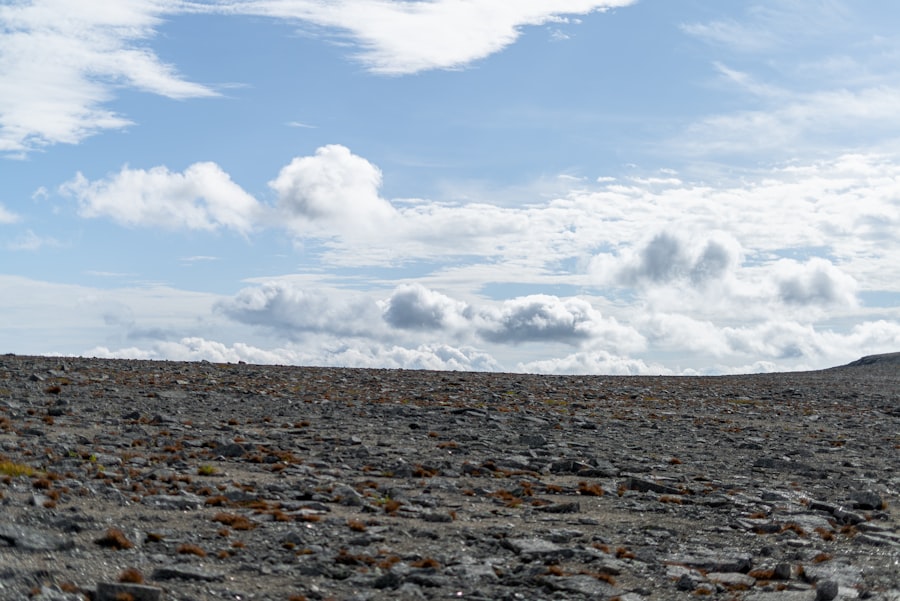
The Kola Peninsula’s strategic significance is amplified by its unique geopolitical position, bordering Norway and being in close proximity to Finland and Sweden. This proximity necessitates a strong focus on border security and regional stability, making the peninsula a focal point for Russia’s defense planning and international engagement in the High North.
Proximity to NATO Members
The peninsula’s direct border with NATO member Norway, and its close proximity to other NATO states, places it at a critical juncture of geopolitical tension and cooperation. Russia’s military buildup on the Kola Peninsula is often viewed through the lens of deterrence against NATO expansion and as a means of projecting power into the North Atlantic.
Deterrence and Defense Posturing
The extensive military infrastructure on the Kola Peninsula, including air bases, radar installations, and troop garrisons, serves a dual purpose: defense of Russian territory and deterrence against potential adversaries. The presence of advanced weaponry and a high state of readiness underscores the strategic importance Russia places on this region.
Bilateral Relations with Norway
Despite the broader geopolitical context, Russia and Norway maintain a degree of cooperation in the Arctic, particularly on issues like fisheries management and search and rescue. The Kola Peninsula is a key point of interaction in these bilateral relations, where pragmatic cooperation coexists with underlying strategic considerations.
The Finnmark Border and Regional Stability
The border between the Kola Peninsula and Norway’s Finnmark region is a sensitive one. Maintaining stability and preventing escalation in this area is crucial for regional security. Russia’s activities on the Kola Peninsula are closely watched by its Nordic neighbors, influencing their defense policies and regional security assessments.
Infrastructure and Logistics Hub
Beyond its direct military and resource-based importance, the Kola Peninsula serves as a vital infrastructure and logistics hub for Russia’s Arctic endeavors. Its existing facilities and ongoing development projects are crucial for supporting military operations, resource extraction, and shipping activities in the High North.
Murmansk: The Arctic Metropolis
Murmansk, the largest city on the Kola Peninsula and the world’s northernmost city with a population over 100,000, is the administrative, industrial, and logistical heart of the region. Its deep-water port, icebreaker fleet, and associated industries make it an indispensable hub for Russia’s Arctic ambitions.
Icebreaker Fleet Operations
The operation and maintenance of Russia’s formidable icebreaker fleet are central to its Arctic strategy, and the Kola Peninsula serves as a primary base for these vessels. These powerful ships are essential for escorting commercial traffic, conducting scientific research, and supporting military operations in the ice-bound Arctic waters.
Industrial and Research Facilities
The peninsula hosts a range of industrial and research facilities that support its strategic functions. These include shipyards for naval vessel maintenance, processing plants for extracted minerals, and scientific institutes engaged in Arctic research. The synergy between these elements reinforces the peninsula’s overall strategic value.
Transportation Networks
The development and maintenance of transportation networks on the Kola Peninsula are crucial for connecting its disparate military and economic assets. This includes road and rail links that facilitate the movement of personnel, equipment, and resources to and from the region’s strategic locations.
Rail and Road Connectivity
While challenging in the Arctic environment, Russia is investing in improving rail and road connectivity on the Kola Peninsula. These networks are vital for supporting military deployments, enabling resource extraction, and facilitating the overall economic development of the region.
The strategic importance of the Kola Peninsula for Russia cannot be overstated, as it provides crucial access to the Arctic and serves as a key military stronghold in the region. This area is home to the Northern Fleet, which plays a vital role in Russia’s naval operations and defense capabilities. For a deeper understanding of the geopolitical implications surrounding this region, you can read a related article that explores the broader context of Russia’s military interests and territorial ambitions by following this link. The Kola Peninsula’s resources and strategic location make it an essential asset for Russia’s future security and economic plans.
Future Arctic Ambitions and Global Implications
| Reason | Metric |
|---|---|
| Natural Resources | Rich in minerals such as nickel, copper, and apatite |
| Strategic Location | Provides access to the Arctic Ocean and Northern Sea Route |
| Military Importance | Hosts several military bases and facilities |
| Economic Potential | Potential for oil and gas exploration and production |
The strategic importance of the Kola Peninsula is only set to grow as Russia pursues its ambitious Arctic agenda and the global geopolitical landscape continues to evolve. Its role as a gateway to the Arctic, a platform for naval power, and a source of vital resources positions it at the forefront of future strategic considerations.
Russia’s Arctic Strategy Realization
The Kola Peninsula is fundamental to Russia’s realization of its broader Arctic strategy. This strategy encompasses economic development, military modernization, and the assertion of sovereignty in the High North. The peninsula is the linchpin that connects these diverse elements, providing the necessary infrastructure and operational capacity.
Military Modernization in the North
Russia’s ongoing military modernization efforts are heavily concentrated on the Kola Peninsula. The deployment of new weapon systems, the upgrading of naval and air bases, and the expansion of troop presence all point to a sustained commitment to bolstering its military capabilities in the region.
Economic Development and Resource Exploitation
The economic development of the Kola Peninsula, driven by resource exploitation and the growth of the Northern Sea Route, is a key component of Russia’s Arctic ambitions. The peninsula’s strategic importance is amplified by its ability to generate revenue and support the nation’s economic growth.
Global Arctic Competition and Cooperation
The strategic importance of the Kola Peninsula also places it at the center of global Arctic competition. As other nations, particularly Western powers, increase their engagement in the Arctic, Russia’s activities on the peninsula become a critical factor in the evolving regional dynamics.
Navigating Geopolitical Tensions
The increasing militarization of the Arctic, with the Kola Peninsula playing a central role, raises concerns about potential geopolitical tensions and the risk of miscalculation. Russia’s actions on the peninsula are closely monitored by international actors, influencing global security assessments and defense planning.
Opportunities for Cooperation
Despite the competitive landscape, there remain opportunities for cooperation on issues of common interest, such as environmental protection, search and rescue, and scientific research. The Kola Peninsula, as a hub of Arctic activity, can serve as a platform for such collaborative endeavors, fostering dialogue and mutual understanding.
In conclusion, the Kola Peninsula is far more than just a remote stretch of land. It is a vital strategic asset for Russia, a nexus of military power, economic opportunity, and geopolitical influence. Its ice-free harbors, rich resources, and proximity to crucial maritime routes make it an indispensable component of Moscow’s Arctic ambitions and a significant factor in global security. As the Arctic continues to warm and its strategic relevance grows, the Kola Peninsula will undoubtedly remain a region of paramount importance, shaping the future of Russia and its role on the world stage.

Russia’s Nuclear Submarines Depend on This Arctic Lifeline
FAQs
1. What is the Kola Peninsula and why is it important to Russia?
The Kola Peninsula is a large peninsula in the far northwest of Russia. It is important to Russia for its strategic location, natural resources, and military significance.
2. What natural resources are found on the Kola Peninsula?
The Kola Peninsula is rich in natural resources such as nickel, copper, cobalt, and other minerals. It also has significant deposits of apatite, used in the production of fertilizers.
3. How does the Kola Peninsula contribute to Russia’s military capabilities?
The Kola Peninsula is home to several important military bases, including the Northern Fleet naval base in Murmansk. This strategic location allows Russia to project power into the Arctic region and beyond.
4. What environmental significance does the Kola Peninsula hold?
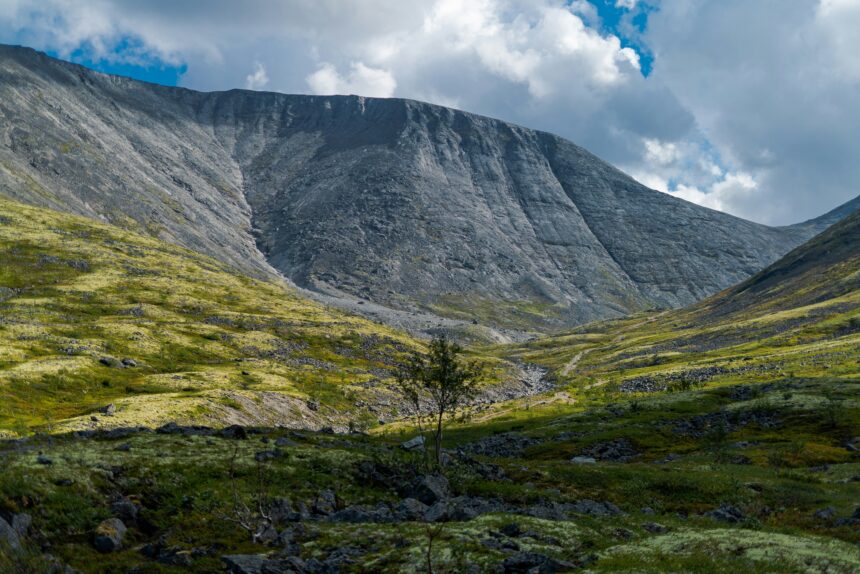
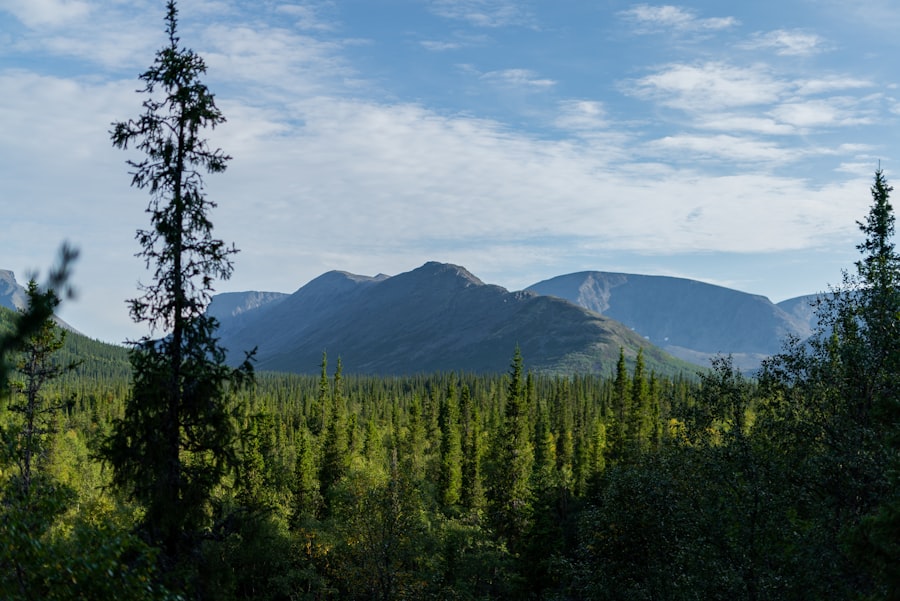
The Kola Peninsula is home to unique ecosystems, including tundra and boreal forests. It also has a significant impact on the Arctic environment, making it an important area for environmental research and conservation efforts.
5. How does the Kola Peninsula contribute to Russia’s economy?
The Kola Peninsula’s natural resources, particularly its mining and metallurgical industries, contribute significantly to Russia’s economy. Additionally, the region’s strategic location for shipping and trade also plays a role in its economic importance.