Russia’s nuclear arsenal represents a cornerstone of its national security strategy, a potent deterrent against existential threats. Central to this deterrence posture is its capacity for a nuclear second strike – the ability to retaliate with nuclear weapons even after suffering a devastating initial nuclear attack. This capability is not merely theoretical; it is underpinned by a complex and evolving triad of nuclear forces, sophisticated command and control systems, and a deeply ingrained military doctrine. Russia’s pursuit and maintenance of a formidable second-strike capability are driven by a multifaceted set of considerations, ranging from perceived threats to its sovereign integrity to the desire to project power on the global stage. Understanding this capability is crucial for comprehending the dynamics of international security and the enduring realities of nuclear deterrence in the 21st century.
The concept of nuclear second strike is intrinsically linked to the doctrine of Mutually Assured Destruction (MAD). This doctrine posits that a full-scale nuclear exchange between two or more opposing sides would result in the complete annihilation of both the attacker and the defender. Therefore, neither side would have an incentive to initiate such an attack, as the guaranteed retaliation would be equally catastrophic. The effectiveness of MAD hinges on the certainty that a retaliatory strike can be launched, regardless of the damage inflicted by a first strike. This certainty is the essence of a credible nuclear second strike.
The Role of Survivability in Deterrence
For a second-strike capability to be credible, the retaliatory forces must be able to survive a pre-emptive nuclear attack. This means that a significant portion of the nuclear arsenal must be hidden, mobile, or otherwise protected from an enemy’s first blow. If an adversary believes they can disarm an opponent with a successful first strike, the deterrent effect of the second strike is significantly diminished, as the perceived cost of attack would be lower. The investment in survivable delivery systems and hardened infrastructure is therefore paramount for maintaining a robust second-strike posture.
The Escalation Ladder and Strategic Stability
The notion of the “escalation ladder” plays a role in second-strike thinking. This concept suggests that nuclear conflict could escalate through various levels, from tactical nuclear weapons to strategic intercontinental ballistic missiles (ICBMs). Russia’s doctrine, while evolved over time, has often acknowledged the potential for limited nuclear use in certain scenarios, even as it maintains a powerful strategic second-strike capability as the ultimate guarantor of national survival. The ability to absorb a first strike and still deliver a devastating retaliatory blow is seen as the ultimate anchor for strategic stability, preventing either side from contemplating a first strike with any degree of confidence in achieving a decisive victory.
Recent discussions surrounding Russia’s nuclear second strike capability have raised significant concerns among global security analysts. An insightful article that delves into the implications of this capability can be found at In the War Room. This piece explores the strategic balance of power and the potential consequences of a nuclear escalation, providing a comprehensive overview of the current geopolitical landscape.
Russia’s Nuclear Triad: The Pillars of Second Strike
Russia’s nuclear triad, a long-standing feature of its strategic planning, is the physical embodiment of its second-strike capability. This triad consists of three distinct branches: land-based intercontinental ballistic missiles (ICBMs), submarine-launched ballistic missiles (SLBMs), and strategic bombers. Each leg of the triad possesses unique characteristics that contribute to the overall survivability and retaliatory power necessary for a credible second strike.
Land-Based ICBMs: The Hardened Silos and Mobile Launchers
The land-based component of Russia’s nuclear triad comprises a mix of ICBMs housed in hardened silos and mobile launcher systems. The silos are designed to withstand considerable blast and radiation, offering a degree of protection against a direct nuclear hit. However, the increasing accuracy and destructive power of modern nuclear weapons raise questions about the long-term survivability of fixed silos, especially in a large-scale, sophisticated first strike.
The Evolution of Silo-Based Systems
Russia has continuously modernized its silo-based ICBM force, developing new generations of missiles with improved accuracy, range, and warhead capabilities. These efforts are aimed at maintaining the effectiveness of this leg of the triad and ensuring that the missiles remain a viable threat even against hardened targets. Despite the advancements, the inherent vulnerability of fixed locations remains a strategic consideration.
The Importance of Mobile ICBMs
To counter the vulnerability of static silos, Russia has placed significant emphasis on developing and deploying mobile ICBM systems. These systems, such as the Yars-S, are mounted on road-mobile launchers that can move across vast distances. This mobility makes them extremely difficult for an adversary to locate and target effectively. A dispersed mobile force can absorb significant damage to its fixed infrastructure and still retain a substantial retaliatory capability, significantly enhancing the survivability needed for a second strike. The ability to disperse and reposition these launchers under varying levels of alert and during periods of heightened tension is a critical component of Russia’s second-strike assurance.
Submarine-Launched Ballistic Missiles (SLBMs): The Unseen Deterrent
The submarine-launched ballistic missile (SLBM) leg of the triad is widely considered the most survivable and therefore the most crucial for ensuring a nuclear second strike. Ballistic missile submarines operate submerged in the vastness of the world’s oceans, making them exceptionally difficult to detect and track. This inherent stealth provides a high degree of assurance that these weapons will survive a first strike and can be launched in retaliation.
The Borei-Class Submarines and Sineva Missiles
Russia’s current generation of Borei-class submarines are a testament to its commitment to a robust undersea deterrent. These modern nuclear-powered submarines are designed to carry multiple SLBMs, each equipped with multiple warheads. The Sineva (SS-N-18) and its successor, the Bulava (SS-N-32), are key missiles in this deployment, offering significant range and payload capabilities. The continuous patrol of these submarines in strategically important areas ensures that a portion of Russia’s nuclear arsenal is always at a high state of readiness and invulnerable to a pre-emptive attack.
The Strategic Value of the Silent Service
The “silent service,” as submarines are often called, represents a potent force multiplier. Their ability to operate unseen and strike from unexpected directions creates immense uncertainty for any potential aggressor. This uncertainty is a key ingredient in deterring a first strike, as the attacker can never be fully confident that they have neutralized Russia’s retaliatory capability. The continuous modernization and operational deployment of these submarines underscore their central role in Russia’s strategic thinking and its commitment to a credible second-strike posture.
Strategic Bombers: The Flexible Response
While the land-based and sea-based components are the primary architects of assured destruction, Russia’s strategic bomber force also contributes to its second-strike capability, albeit with different characteristics. These long-range bombers can deliver nuclear weapons and offer a degree of flexibility in response options. However, their survivability against a well-executed first strike is generally considered lower than that of submarines, as they are more vulnerable on the ground and in the air.
The Tu-160 Blackjack and Tu-95 Bear
Russia’s primary strategic bombers include the Tu-160 “Blackjack” and the Tu-95 “Bear.” The Tu-160 is a supersonic heavy bomber, capable of carrying a significant nuclear payload. The Tu-95, a venerable but still capable turboprop bomber, has also been modernized and remains a part of the strategic bomber fleet. These aircraft can be dispersed to various air bases, and some can be kept on airborne alert, offering a degree of survivability.
The Role in Flexible Deterrence and Message Sending
While not the primary guarantor of a devastating second strike, strategic bombers can play a role in flexible deterrence. They can be used to deliver tactical nuclear weapons in a conflict or to conduct long-range patrols that signal intent and capability. Their presence can also serve as a powerful message to adversaries about Russia’s willingness and ability to employ its nuclear forces. The ability to launch bombers from dispersed locations and with varying levels of warning provides an additional layer of complexity for any potential attacker.
Command, Control, and Communications (C3) Systems: The Nerve Center
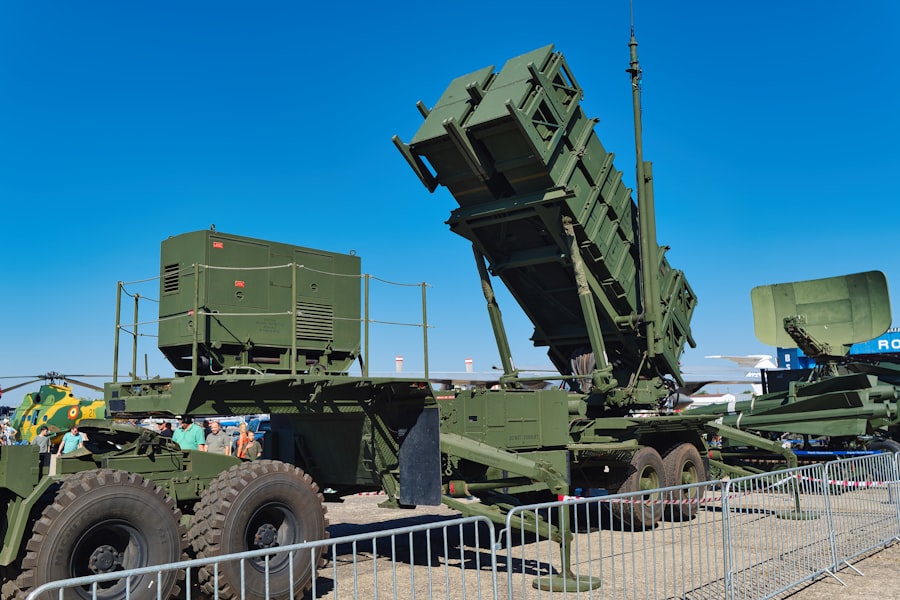
A formidable nuclear second-strike capability is not solely about the number and type of delivery systems; it also relies on robust and resilient command, control, and communications (C3) systems. These systems are the “nerve center” that ensures that Russia can detect an incoming attack, assess the situation, and issue launch orders to its retaliatory forces, even under the most extreme conditions. The survivability and reliability of these C3 systems are as critical as the survivability of the weapons themselves.
The “Dead Hand” System and Its Modern Iterations
While the exact details of Russia’s command and control systems are highly classified, it is widely believed that the “Dead Hand” system, or its modern equivalent, remains a crucial element. This system, officially known as Perimeter, is designed to automatically launch a retaliatory strike if the command center is destroyed and communication is lost. The idea is to ensure that even if Russia’s leadership is decapitated, its nuclear forces will still be unleashed upon the aggressor.
Ensuring Retaliation in the Face of Catastrophe
The “Dead Hand” concept is the ultimate insurance policy for a second-strike capability. It eliminates the possibility of an attacker achieving a disarming first strike by successfully targeting command and control nodes. Even if all communication links are severed and leadership is incapacitated, the system would interpret this as an existential threat and initiate a retaliatory launch. The psychological impact of such a system on potential adversaries cannot be overstated.
Modernization and Redundancy in C3
Modern Russian C3 systems are designed with extensive redundancy and hardening to withstand nuclear effects. This includes hardened command bunkers, hardened communication lines, and secure satellite communication capabilities. The continuous efforts to upgrade these systems reflect Russia’s understanding that a degraded or compromised C3 system can undermine the credibility of its entire nuclear deterrent. Ensuring that launch orders can be reliably transmitted and received, even amidst widespread destruction, is a paramount concern.
The Role of AI and Automation in Future C3
As technology advances, the integration of artificial intelligence and greater automation into C3 systems is a possibility. While potentially enhancing speed and efficiency, it also raises complex questions about human oversight and the risk of accidental escalation. Russia’s approach to these future developments will undoubtedly be carefully considered, balancing the benefits of advanced technology with the imperative of maintaining secure and reliable control over its nuclear arsenal.
Russian Nuclear Doctrine and the Second Strike Imperative
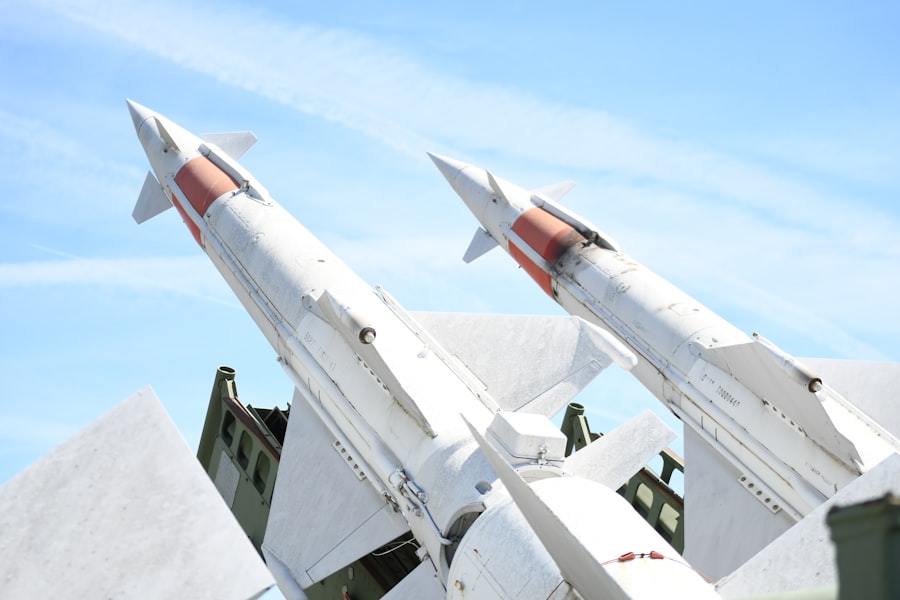
Russia’s nuclear doctrine, while having evolved over decades, consistently places a high premium on the maintenance of a credible nuclear second-strike capability. This doctrine shapes how Russia develops, deploys, and communicates its nuclear posture. Understanding these doctrinal nuances is essential for interpreting Russia’s strategic intentions and its approach to nuclear deterrence.
Escalation Control and Strategic Stability
Russian doctrine has grappled with the concept of escalation control, particularly in the context of perceived conventional or nuclear threats to its territorial integrity. While it possesses the capability for a devastating second strike, it has also considered scenarios involving the limited use of tactical nuclear weapons to de-escalate a conflict or to prevent its own conventional defeat. The emphasis, however, remains on the ultimate deterrent: the certainty of a retaliatory strike that would inflict unacceptable damage on an aggressor, thus maintaining strategic stability.
The “De-escalation” Dilemma
The notion of using nuclear weapons to “de-escalate” a conflict, as discussed in some Russian strategic analyses, presents a complex and controversial aspect of its doctrine. The underlying logic suggests that a limited nuclear strike could shock an adversary into halting an aggression that is leading to a wider conflict. However, the inherent danger of such a strategy is the risk of unintended escalation to a full-scale nuclear exchange. The survivability of Russia’s second-strike forces is critical in this context, as it ensures that even if a limited strike were contemplated or occurred, the ultimate retaliatory capacity would remain intact.
Assured Retaliation as the Primary Goal
At its core, Russian nuclear doctrine prioritizes assured retaliation. This means that regardless of the nature or scale of an initial attack, Russia must retain the ability to deliver a response that makes the cost of aggression prohibitively high. The development of a highly survivable nuclear triad, coupled with robust C3 systems, is the direct manifestation of this doctrinal imperative. The message is clear: any attack on Russia that threatens its existence will be met with a devastating nuclear response, rendering a first strike irrational.
The Deterrent Effect of Invulnerable Forces
The key to assured retaliation lies in the invulnerability of Russia’s retaliatory forces. By investing in mobile ICBMs, stealthy submarines, and survivable command structures, Russia aims to create a situation where an adversary cannot be certain of neutralizing its nuclear capability. This uncertainty is the bedrock of deterrence. If an attacker believes they could successfully disarm Russia with a first strike, the incentive to attack would be significantly higher. Conversely, the knowledge that a devastating second strike is virtually guaranteed makes such an attack unthinkable.
Recent discussions surrounding Russia’s nuclear second strike capability have highlighted the strategic implications of their military doctrine. For a deeper understanding of this topic, you can explore an insightful article that delves into the nuances of nuclear deterrence and the evolving landscape of global security. This analysis not only sheds light on Russia’s capabilities but also examines the broader context of international relations. To read more about these critical issues, visit this article.
Challenges and Future Trajectories of Russia’s Second Strike Capability
| Metrics | Data |
|---|---|
| Number of nuclear warheads | 6,375 |
| Number of intercontinental ballistic missiles (ICBMs) | 527 |
| Number of submarine-launched ballistic missiles (SLBMs) | 192 |
| Number of strategic bombers | 76 |
| Number of nuclear-armed submarines | 11 |
While Russia’s nuclear second-strike capability is formidable, it is not without its challenges and is subject to evolving geopolitical dynamics and technological advancements. The continuous modernization of its nuclear forces, coupled with the pursuit of new strategic concepts, indicates a long-term commitment to maintaining this critical deterrent.
The Impact of New Technologies and Arms Control
The development of new technologies, such as advanced missile defense systems, hypersonic weapons, and cyber warfare capabilities, can potentially alter the strategic balance and impact the survivability of nuclear forces. Russia’s modernization programs are partly aimed at counteracting these potential threats and ensuring the continued effectiveness of its second-strike capability. The future trajectory of arms control agreements and the potential for new treaties will also play a significant role in shaping the landscape of nuclear deterrence.
The Race for Countermeasures
The development of effective missile defense systems by potential adversaries is a constant concern for Russia. Such systems, if sufficiently advanced, could theoretically intercept incoming ballistic missiles, thereby diminishing the credibility of a retaliatory strike. In response, Russia has focused on developing countermeasures, including decoys, advanced maneuverable re-entry vehicles (MaRVs), and hypersonic glide vehicles, all designed to overcome missile defense systems. This ongoing “arms race” in missile defense and countermeasures is a direct consequence of the importance placed on maintaining a secure second-strike capability.
The Role of Emerging Technologies
Emerging technologies, such as artificial intelligence in C3 systems, advanced electronic warfare capabilities, and space-based weapons, present both opportunities and threats. Russia is actively researching and developing these technologies to enhance its own strategic capabilities while also seeking to understand and mitigate their potential impact on its existing deterrent. The interplay between these emerging technologies and established nuclear doctrines will be a key area of development in the coming years.
The Geopolitical Context and Perceived Threats
Russia’s strategic posture and its commitment to a nuclear second strike are intrinsically linked to its perception of external threats and its position in the global geopolitical landscape. The expansion of NATO, perceived interference in its sphere of influence, and the development of advanced military capabilities by other major powers all contribute to Russia’s emphasis on nuclear deterrence. As long as Russia perceives significant existential threats, its dedication to maintaining a potent and survivable nuclear second-strike capability is likely to remain unwavering.
Adapting to a Multipolar World
In an increasingly multipolar world, Russia seeks to maintain its status as a major global power. Its nuclear arsenal, and particularly its second-strike capability, serves as a crucial tool for projecting power, deterring aggression, and safeguarding its national interests. The ability to credibly threaten unacceptable retaliation ensures that its voice is heard and its sovereignty is respected in a complex and sometimes volatile international arena.
The Enduring Relevance of Nuclear Deterrence
Despite global efforts towards disarmament, nuclear weapons remain a stark reality of international security. Russia’s formidable nuclear second-strike capability stands as a testament to the enduring relevance of nuclear deterrence. It is a capability forged through decades of strategic thought and technological development, designed to ensure that the ultimate price of aggression against Russia would be the unimaginable devastation of a retaliatory nuclear strike. This capability, therefore, remains a formidable factor in global strategic calculations.

Russia’s Nuclear Submarines Depend on This Arctic Lifeline
FAQs
What is Russia’s nuclear second strike capability?
Russia’s nuclear second strike capability refers to its ability to retaliate with nuclear weapons in the event of a nuclear attack on its territory. This capability is a key component of Russia’s nuclear deterrence strategy.
How does Russia maintain its nuclear second strike capability?
Russia maintains its nuclear second strike capability through a combination of land-based intercontinental ballistic missiles (ICBMs), submarine-launched ballistic missiles (SLBMs), and strategic bombers. These systems are designed to survive a first strike and be able to launch a retaliatory nuclear attack.
What role does Russia’s nuclear second strike capability play in its national security strategy?
Russia’s nuclear second strike capability plays a central role in its national security strategy by serving as a deterrent against potential adversaries. It is intended to dissuade other countries from launching a nuclear attack on Russia by ensuring that any such attack would be met with a devastating response.
How does Russia’s nuclear second strike capability compare to other nuclear-armed countries?
Russia’s nuclear second strike capability is considered to be on par with that of the United States and other major nuclear-armed countries. It is characterized by a diverse and survivable arsenal of nuclear weapons delivery systems.
What are the implications of Russia’s nuclear second strike capability for global security?
Russia’s nuclear second strike capability has significant implications for global security, as it contributes to the overall stability of the international nuclear balance. It underscores the importance of maintaining strategic stability and avoiding the escalation of nuclear tensions.