The vast, icy expanse of the Arctic, once a frozen no-man’s-land, has increasingly become a theater of strategic importance. As climate change melts away historical barriers, revealing new shipping routes and access to valuable resources, the responsibility for safeguarding Russia’s northern frontiers has fallen squarely on the shoulders of the Northern Fleet. This formidable naval force, steeped in Soviet-era tradition and now undergoing significant modernization, is the linchpin of Russia’s “Bastion Defense” strategy, designed to project power and ensure security in this rapidly evolving region. The Northern Fleet’s role is not merely one of passive observation; it is an active, multi-faceted endeavor aimed at securing Arctic waters through a combination of advanced weaponry, strategic deployments, and an unwavering commitment to sovereignty.
The geopolitical significance of the Arctic has undergone a dramatic transformation in recent decades. Once a remote and largely inaccessible region, melting ice caps have opened up new possibilities for trade, resource extraction, and military presence. This newfound accessibility has inevitably led to increased interest and activity from multiple Arctic nations, as well as non-Arctic states with ambitions in the region. Russia, with its extensive Arctic coastline, views this evolving landscape as both an opportunity and a significant challenge.
The Impact of Climate Change on Arctic Accessibility
The most profound driver of change in the Arctic is undoubtedly climate change. The accelerated melting of sea ice has dramatically reduced the duration and extent of ice cover, making previously impassable areas navigable for longer periods. This has direct implications for:
Opening of New Shipping Routes
The Northern Sea Route (NSR), a maritime passage that skirts Russia’s northern coast, is becoming increasingly viable. This route offers a significantly shorter transit time between Europe and Asia compared to the Suez Canal. Russia views the NSR as a crucial economic artery and is investing heavily in its infrastructure, including icebreaker fleets, ports, and navigation aids, to facilitate its widespread use. The potential economic benefits are substantial, but so are the security concerns associated with increased maritime traffic.
Access to Natural Resources
Beneath the Arctic ice lie vast, untapped reserves of oil, natural gas, and minerals. As the ice recedes, the economic incentive to explore and exploit these resources grows. This has led to increased activity by various nations and corporations in the region, raising the potential for resource disputes and the need for effective maritime governance and security. Russia, with its vast Arctic territories, sees these resources as vital for its future economic prosperity and national security.
Russia’s Arctic Policy and Security Doctrine
Russia’s Arctic policy is guided by a clear set of strategic imperatives focused on asserting its sovereignty, protecting its economic interests, and maintaining its security in the region. The “Bastion Defense” concept is a cornerstone of this policy, aiming to create defensible zones of operation that can deter potential adversaries and project power effectively.
Asserting Sovereignty and National Interests
Russia considers the Arctic to be of paramount national importance. Its Arctic policy emphasizes the protection of its territorial integrity, maritime borders, and sovereign rights. This includes a strong stance on the legal interpretation of maritime zones and a robust military presence to underscore these claims.
Economic Development and Resource Exploitation
The economic potential of the Arctic is a major driver of Russia’s Arctic strategy. The development of the Northern Sea Route and the exploitation of offshore resources are seen as critical for Russia’s long-term economic growth and diversification. This necessitates a secure environment for these economic activities to flourish.
Military Modernization and Strategic Positioning
To safeguard its interests, Russia has undertaken a significant modernization of its Northern Fleet and its Arctic military infrastructure. This includes the deployment of advanced weapon systems, the reopening and upgrading of Soviet-era military bases, and the establishment of new facilities. The aim is to create a credible deterrent and to be able to respond effectively to any potential threats.
The Northern Fleet’s bastion defense strategy has been a focal point in discussions about Russia’s maritime security and military capabilities in the Arctic region. For a deeper understanding of the implications and developments surrounding this strategy, you can refer to a related article that explores various aspects of naval defense and regional security dynamics. To read more, visit this article.
The Northern Fleet: A Modernized Deterrent in the Arctic
The Northern Fleet is the vanguard of Russia’s Arctic defense, a formidable military formation tasked with projecting power, ensuring sea lane security, and responding to a spectrum of potential threats. Its capabilities have been significantly enhanced through a sustained program of modernization, equipping it with advanced platforms and weaponry tailored to the unique challenges of the Arctic environment.
Strategic Redeployments and Infrastructure Development
Russia has been actively reshaping the Northern Fleet’s operational posture, re-establishing and expanding its presence across its vast Arctic coastline. This involves not just deploying new hardware but also revitalizing and modernizing existing infrastructure to support these advanced capabilities.
Reopening and Upgrading Soviet-Era Bases
The Northern Fleet is actively reviving and upgrading numerous Soviet-era military bases, particularly those located on remote Arctic islands and along the coast. These facilities, once dormant, are being transformed into modern operational hubs equipped to support advanced aircraft, submarines, and surface vessels. This strategic repositioning allows for enhanced surveillance, rapid response times, and the projection of power further into Arctic waters.
Construction of New Arctic Bases and Facilities
Beyond the refurbishment of existing sites, Russia is also constructing new military facilities specifically designed for Arctic operations. These include ice-resistant ports, airfields capable of handling heavy aircraft in harsh conditions, and advanced command and control centers. These new installations are crucial for maintaining a persistent presence and providing the necessary logistical support for extended operations in the challenging Arctic environment.
The Fleet’s Modernized Arsenal: A Closer Look
The effectiveness of the Northern Fleet hinges on its modern weaponry and platforms, which are crucial for operating in the unforgiving Arctic environment and deterring potential adversaries. Russia has invested heavily in ensuring its fleet possesses the cutting-edge technology required for this strategic region.
Advanced Submarine Capabilities
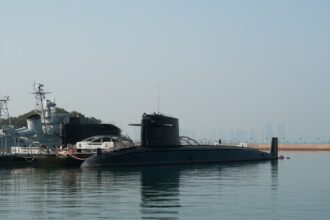
Submarines form the backbone of Russia’s nuclear deterrent and are a critical component of its Arctic strategy. The Northern Fleet operates a significant portion of Russia’s submarine force, including the latest Borei-class ballistic missile submarines (SSBNs) and Yasen-class attack submarines (SSNs). These platforms are designed for stealthy operation in ice-covered waters and are equipped with advanced sonar systems, sophisticated weapons, and long endurance, making them formidable instruments of power projection and deterrence.
Surface Combatants and Icebreakers
The Northern Fleet’s surface combatant fleet is also being modernized, with the introduction of new frigates, corvettes, and patrol vessels equipped with advanced anti-ship and air defense missiles. These vessels are designed to operate effectively in Arctic conditions and are crucial for controlling sea lanes, conducting patrols, and providing support to other naval assets.
Furthermore, Russia’s world-leading icebreaker fleet, both nuclear-powered and conventional, is indispensable for the Northern Sea Route’s navigability. These vessels are not only vital for maintaining open shipping lanes but also serve dual-use purposes, including supporting scientific research, search and rescue operations, and potentially military deployments in ice-bound areas. Their presence underscores Russia’s commitment to controlling and operating within its Arctic waters.
Arctic-Specific Weapon Systems
Russia is also developing and deploying weapon systems specifically designed to operate in the Arctic environment. This includes advanced ice-penetrating munitions, anti-submarine warfare (ASW) systems adapted for frigid waters, and enhanced surveillance and reconnaissance capabilities to monitor activity across the vast and often obscured Arctic seascape. The goal is to possess a comprehensive suite of tools to counter any threat, from conventional naval forces to asymmetric challenges.
Bastion Defense: Projecting Power from a Fortified Arctic
The “Bastion Defense” strategy is not merely about passive protection; it’s about creating secure operational zones that can project Russian power and deter any potential aggressor. The Northern Fleet is the primary instrument for implementing this strategy, leveraging its modernized capabilities to establish a formidable presence across Russia’s Arctic territories.
Establishing Secure Zones of Operation
The core principle of the Bastion Defense is to establish highly defensible zones where Russia can operate with a degree of impunity, projecting power and discouraging intrusion. These zones are built around key strategic locations and are supported by integrated air, sea, and land defenses.
The Kola Peninsula as a Strategic Hub
The Kola Peninsula, in northwestern Russia, serves as a primary strategic hub for the Northern Fleet. Its deep-water ports, such as Severomorsk, provide excellent bases for submarines, surface vessels, and logistical support. The peninsula’s geographical location also offers strategic advantages for monitoring the approaches to Russia’s Arctic waters and projecting power into the Norwegian Sea and the Barents Sea.
Arctic Islands as Forward Operating Bases
Numerous Arctic islands, including Severny Island (part of Novaya Zemlya) and Wrangel Island, are being developed as forward operating bases. These strategically located islands allow for extended reach of air patrols, surveillance, and rapid response capabilities, effectively creating a series of “fortresses” that can project power and monitor vast areas of the Arctic Ocean.
Integrated Air, Sea, and Land Defenses
The effectiveness of the Bastion Defense relies on the seamless integration of various military branches and defensive systems to create a multi-layered shield. This integrated approach ensures that any potential threat would face a coordinated and overwhelming response.
Air Defense Networks
The Northern Fleet is supported by robust air defense networks, including advanced surface-to-air missile systems and fighter aircraft deployed to Arctic airbases. These systems are designed to detect and intercept aerial threats at various altitudes and ranges, ensuring the security of naval assets and critical infrastructure.
Anti-Submarine Warfare (ASW) Capabilities
Given the significant submarine presence in the Arctic, ASW capabilities are paramount. The Northern Fleet employs a combination of ASW aircraft, frigates, corvettes, and shore-based listening posts to detect and track submarines operating in its waters. The development of advanced sonar technology and specialized ASW munitions is crucial in this regard.
Coastal Defense Systems
Along Russia’s extensive Arctic coastline, robust coastal defense systems are being deployed. These include anti-ship missile batteries, coastal artillery, and mine-laying capabilities. These systems are designed to deny enemy access to coastal waters, protect vital ports, and deter amphibious assaults.
Northern Sea Route Security: A Vital Artery to Protect
The Northern Sea Route (NSR) is no longer just a theoretical pathway; it is becoming an increasingly vital economic artery for Russia. Securing this route is a paramount objective for the Northern Fleet, involving a complex interplay of escort operations, navigational support, and ensuring freedom of navigation while asserting Russia’s own control.
Facilitating and Escorting Commercial Shipping
As the NSR opens for longer periods, the volume of commercial traffic is expected to increase significantly. The Northern Fleet plays a crucial role in facilitating this traffic through its provision of icebreaker escorts, navigational assistance, and ensuring the safety of vessels traversing the route.
The Role of Icebreakers
Russia’s extensive fleet of icebreakers, both nuclear-powered and conventional, is indispensable for keeping the NSR open and navigable. These powerful vessels break through ice, allowing commercial ships to transit safely. The Northern Fleet manages and operates a significant portion of this fleet, ensuring continuous operations throughout the navigation season and responding to emergencies.
Escort Operations and Maritime Domain Awareness
The Northern Fleet conducts escort operations for commercial vessels, particularly those carrying valuable cargo or navigating through challenging ice conditions. This involves providing direct protection and guidance, ensuring that vessels adhere to safe navigation practices. Enhanced maritime domain awareness, achieved through radar, satellite imagery, and reconnaissance aircraft, is crucial for monitoring all traffic on the NSR and identifying potential threats.
Ensuring Freedom of Navigation and Russian Control
While Russia facilitates international transit, it also asserts its sovereign rights over the NSR. This involves a careful balance between allowing freedom of navigation and maintaining its control over the route, as defined by its national legislation and international law.
Navigational Regulations and Requirements
Russia has established specific navigational regulations and requirements for vessels transiting the NSR, including the need for permits and pilotage in certain areas. The Northern Fleet is responsible for enforcing these regulations, ensuring compliance, and providing necessary navigational information and assistance.
Asserting Sovereignty and Deterring Unsanctioned Activity
The presence of the Northern Fleet along the NSR serves as a clear assertion of Russian sovereignty. Its patrols and exercises are designed to deter any unsanctioned activity or attempts to challenge Russia’s control over this strategically important waterway. This proactive approach aims to prevent disputes and maintain stability.
The Northern Fleet’s bastion defense strategy has garnered significant attention in recent military discussions, particularly regarding its implications for regional security and naval operations. For a deeper understanding of the complexities surrounding this strategy, you can explore a related article that delves into the historical context and future prospects of naval power in the Arctic. This insightful piece can be found at In The War Room, where it examines the evolving dynamics of maritime strategy in the face of geopolitical challenges.
Challenges and the Future of Arctic Defense
| Aspect | Metric |
|---|---|
| Number of Bastion Defense Bases | 5 |
| Submarines Deployed | 30 |
| Surface Ships Deployed | 15 |
| Aircraft Deployed | 50 |
| Missile Systems | 100 |
Despite its significant advancements, the Northern Fleet faces a unique set of challenges in the Arctic. The harsh environment, vast distances, and the growing international interest in the region demand continuous adaptation and innovation. The future of Arctic defense will likely involve further technological development, enhanced international cooperation, and a constant recalibration of strategic priorities.
Environmental and Logistical Hurdles
The Arctic environment presents unparalleled challenges for military operations. Extreme cold, limited visibility, permafrost, and vast distances create significant logistical and operational hurdles. Maintaining equipment in these conditions, providing consistent resupply, and ensuring the well-being of personnel are constant concerns.
Extreme Weather Conditions
Operating in temperatures that can plummet well below freezing, with frequent blizzards and ice storms, requires specialized equipment, training, and operational procedures. The impact of these conditions on naval vessels, aircraft, and ground forces is significant and requires constant mitigation strategies.
Logistical Strain of Vast Distances
The sheer scale of the Arctic means that resupply and logistical support for deployed forces are incredibly challenging. Maintaining a continuous presence requires robust and reliable supply lines, often operating over vast distances with limited infrastructure. The reliance on icebreakers for resupply during certain periods highlights these logistical complexities.
The Growing International Presence and Potential for Conflict
As the Arctic becomes more accessible, the number of actors with interests in the region is increasing. This growing international presence, while often focused on peaceful cooperation, also carries the potential for increased competition and, in the worst-case scenario, conflict.
Competition for Resources and Shipping Lanes
The competition for access to Arctic resources and the lucrative shipping lanes presents a potential flashpoint. As more nations develop their Arctic capabilities, the risk of miscalculation or territorial disputes could increase, requiring a robust and well-prepared defense to deter aggression.
The Role of NATO and Other Arctic Powers
The increasing military activity in the Arctic by Russia has naturally led to a heightened response from NATO and other Arctic nations. This includes increased naval patrols, joint exercises, and the development of Arctic-specific defense strategies by these actors. The dynamic interplay between Russia’s Bastion Defense and the collective security efforts of NATO will shape the future of Arctic security.
Technological Advancements and Future Strategic Outlook
The future of Arctic defense will undoubtedly be shaped by ongoing technological advancements. Russia’s continued investment in modernizing the Northern Fleet, coupled with its commitment to research and development, suggests a long-term strategic vision for dominance and security in the region.
Continued Modernization of Naval Assets
The trend of modernizing the Northern Fleet is expected to continue, with further investment in advanced submarines, surface combatants, and naval aviation. The integration of artificial intelligence and unmanned systems into naval operations will likely play a more significant role, enhancing surveillance, reconnaissance, and potentially offensive capabilities.
Enhancing Cyber and Space Capabilities
In the modern era, military dominance extends beyond conventional hardware. Russia is likely to continue enhancing its cyber warfare capabilities to protect its Arctic infrastructure and disrupt potential adversaries. Similarly, its investment in space-based assets for reconnaissance, communication, and navigation will be critical for maintaining situational awareness and command and control across the vast Arctic theater.
The Northern Fleet’s “Bastion Defense” is a testament to Russia’s strategic commitment to the Arctic. It represents a significant investment in military power, infrastructure, and technology, designed to secure its vast northern territories and assert its influence in a region of growing global importance. As the Arctic continues to transform, the capabilities and strategic posture of the Northern Fleet will remain a critical factor in shaping its future security landscape.

Russia’s Nuclear Submarines Depend on This Arctic Lifeline
FAQs
What is the Northern Fleet bastion defense strategy?
The Northern Fleet bastion defense strategy is a military strategy employed by the Russian Navy to protect its ballistic missile submarines and other naval assets in the Arctic region. It involves creating a defensive “bastion” area where submarines can operate safely and launch their missiles without being detected or targeted by enemy forces.
Why is the Northern Fleet bastion defense strategy important?
The Northern Fleet bastion defense strategy is important for Russia because it allows the country to maintain a credible nuclear deterrent in the Arctic region. By protecting its ballistic missile submarines and other naval assets, Russia can ensure that its strategic capabilities are not compromised by potential adversaries.
How does the Northern Fleet bastion defense strategy work?
The Northern Fleet bastion defense strategy works by using a combination of tactics and technologies to create a defensive “bastion” area in the Arctic region. This includes deploying submarines equipped with advanced stealth technology, as well as using air and sea-based surveillance and defense systems to detect and deter potential threats.
What are the challenges of implementing the Northern Fleet bastion defense strategy?
One of the main challenges of implementing the Northern Fleet bastion defense strategy is the harsh and unpredictable Arctic environment. Extreme cold, ice, and limited infrastructure can make it difficult to maintain and operate naval assets in the region. Additionally, the presence of competing interests from other Arctic nations adds another layer of complexity to the strategy.
What are the potential implications of the Northern Fleet bastion defense strategy?
The potential implications of the Northern Fleet bastion defense strategy include its impact on regional security dynamics and the broader geopolitical landscape. As Russia continues to assert its military presence in the Arctic, the strategy could contribute to increased tensions with other Arctic nations and potentially lead to a new arms race in the region.