The stark, windswept landscapes of Russia’s Kola Peninsula, a vast expanse of Arctic tundra and rugged coastline jutting into the Barents Sea, have long been a crucible of geopolitical significance. This remote corner of northwestern Russia, bordering Norway and Finland, is far more than just a barren frontier; it is a strategic linchpin, a repository of immense natural resources, and a sensitive nerve ending in the complex tapestry of global power dynamics. Its geopolitical importance is multifaceted, deeply rooted in its geography, its military infrastructure, its economic potential, and its role as a symbol of Russian sovereignty in the rapidly thawing Arctic.
The Kola Peninsula’s strategic value stems primarily from its crucial role as the home base for Russia’s Northern Fleet. This naval command, one of the four fleets of the Russian Navy, is the most powerful and strategically important, responsible for protecting Russia’s Arctic coastline and projecting power into the North Atlantic and beyond. The peninsula’s deepwater ports, shielded from the harshest Arctic ice by its geographical position, offer year-round access to the Barents Sea, a vital maritime highway.
Murmansk: The Arctic Gateway
Murmansk, the largest city north of the Arctic Circle, stands as the geopolitical heart of the Kola Peninsula. Its immense importance is not only as an administrative and industrial center but, more critically, as the principal base for the Northern Fleet’s nuclear-powered submarines. These submarines, equipped with ballistic missiles, form a cornerstone of Russia’s nuclear deterrent, and their secure deployment from Kola’s protected harbors is a paramount concern for Moscow. The existence of the world’s only ice-free deepwater port within the Arctic Circle underscores Murmansk’s enduring strategic advantage.
Submarine Bases and Nuclear Deterrence
The most critical strategic assets on the Kola Peninsula are undoubtedly its submarine bases. Severomorsk, a closed city located near Murmansk, serves as the operational headquarters of the Northern Fleet and houses a significant portion of its submarine fleet, including its strategic missile submarines. The presence of these nuclear-armed vessels transforms Kola into a key component of Russia’s nuclear deterrence posture, capable of launching a retaliatory strike from relatively safe and concealed Arctic waters. The perceived threat and capability emanating from these bases heavily influence strategic calculations in NATO capitals.
Naval Infrastructure and Projection of Power
Beyond submarines, the Kola Peninsula hosts a range of naval facilities crucial for projecting Russian power. These include surface fleet bases, naval airfields, and extensive logistics and repair infrastructure. The Barents Sea, with its proximity to vital shipping lanes and NATO naval bases in Norway, is a constant theater of naval operations, exercises, and surveillance. Russia’s ability to maintain a robust presence in this region, enabled by its Kola Peninsula infrastructure, is a significant factor in its broader geopolitical ambitions.
The Arctic Sea Lanes: A New Geopolitical Frontier
As climate change leads to the melting of Arctic ice, new shipping routes are emerging, dramatically altering global trade and transportation. The Northern Sea Route (NSR), which skirts the northern coast of Russia, including the Kola Peninsula, is becoming increasingly viable. This route offers a considerably shorter transit time between Asia and Europe compared to the Suez Canal, making it a potential game-changer for global commerce. Russia’s control over and ability to facilitate navigation along the NSR, with Kola as a key access point and logistical hub, is a source of significant geopolitical leverage.
Facilitating Trade and Resource Extraction
The Kola Peninsula’s ports and infrastructure are essential for the development and utilization of the Northern Sea Route. Murmansk, with its advanced port facilities and growing icebreaker fleet, is poised to become a major hub for transshipment and logistics. This development is not only about facilitating trade but also about enabling the extraction of the vast mineral and hydrocarbon resources that lie beneath the Arctic seabed. Russia’s ability to control and benefit from this burgeoning Arctic trade and resource boom is directly tied to its presence and capabilities on the Kola Peninsula.
The Icebreaker Fleet: A Symbol of Arctic Dominion
Russia possesses the world’s largest and most capable icebreaker fleet, a critical asset for navigating the frozen Arctic waters and ensuring the passage of commercial and military vessels along the NSR. The construction, maintenance, and operation of these powerful ships are heavily concentrated in the Murmansk region, further cementing the Kola Peninsula’s importance in Arctic geopolitics. The icebreaker fleet is not just a tool for navigation; it is a symbol of Russian dominion and its commitment to asserting its influence in the Arctic.
The geopolitics of the Kola Peninsula in Russia is a topic of increasing importance, particularly in light of its strategic military significance and natural resources. For a deeper understanding of the dynamics at play in this region, you can explore a related article that delves into the historical and contemporary issues surrounding the Kola Peninsula. This article provides valuable insights into Russia’s military posture and its implications for regional security. To read more, visit this link.
Resource Wealth: The Arctic’s Economic Prize
The Kola Peninsula and its surrounding Arctic waters are incredibly rich in natural resources, particularly minerals and hydrocarbons. This immense economic potential adds another layer of complexity to its geopolitical significance, attracting both national interest and international attention. Russia’s ability to exploit these resources efficiently and sustainably, while also managing potential environmental impacts, is a critical challenge and a source of ongoing geopolitical maneuvering.
Mining and Metallurgy: Historical Pillars of the Economy
The Kola Peninsula has a long history of resource extraction, with its vast deposits of apatite, nickel, copper, and other minerals forming the bedrock of its economy. Mining and metallurgy remain vital industries, employing a significant portion of the local population and contributing substantially to the Russian economy. The ongoing operations of major mining companies like Norilsk Nickel and PhosAgro in the region highlight the enduring importance of these resources.
Apatite and Phosphate Production
The Khibiny Mountains on the Kola Peninsula are home to some of the world’s largest deposits of apatite, a key component in the production of phosphate fertilizers. Russia is a major global supplier of fertilizers, and the Kola Peninsula plays a crucial role in meeting this demand. The stability of this supply chain is of global economic importance, and any disruptions could have significant repercussions for food security worldwide.
Nickel and Copper Extraction
The Pechenga nickel-copper deposit, located near the Norwegian border, is another cornerstone of the Kola Peninsula’s resource wealth. These metals are essential for a wide range of industrial applications, including renewable energy technologies and electric vehicles. Russia’s dominance in nickel production, heavily reliant on operations in the Kola Peninsula, positions it as a critical player in global supply chains for these vital materials.
Hydrocarbon Potential: The Unexploited Frontier
While mining has historically dominated, the true untapped economic prize on the Kola Peninsula lies beneath the Arctic seabed. The Barents Sea is believed to hold vast reserves of oil and natural gas, making it a focal point for energy exploration and development. Russia’s ambition to exploit these resources is a key driver of its Arctic policy, but it also presents significant environmental and geopolitical challenges.
Offshore Exploration and Development Challenges
The harsh Arctic environment poses significant technical and logistical challenges for offshore oil and gas exploration and production. Extreme weather, ice floes, and remote locations require specialized technology and considerable investment. Russia’s efforts to overcome these obstacles, often in partnership with international companies, are closely watched by global energy markets and environmental organizations.
Geopolitical Implications of Energy Resources
The potential for significant hydrocarbon discoveries in the Barents Sea has profound geopolitical implications. It fuels Russia’s desire to assert its sovereignty and control over Arctic waters and resources, potentially leading to increased tensions with neighboring countries and other Arctic nations. The prospect of large-scale energy extraction also raises concerns about environmental degradation and the potential for accidents in a fragile ecosystem.
Borderlands and Neighbors: A Delicate Balance
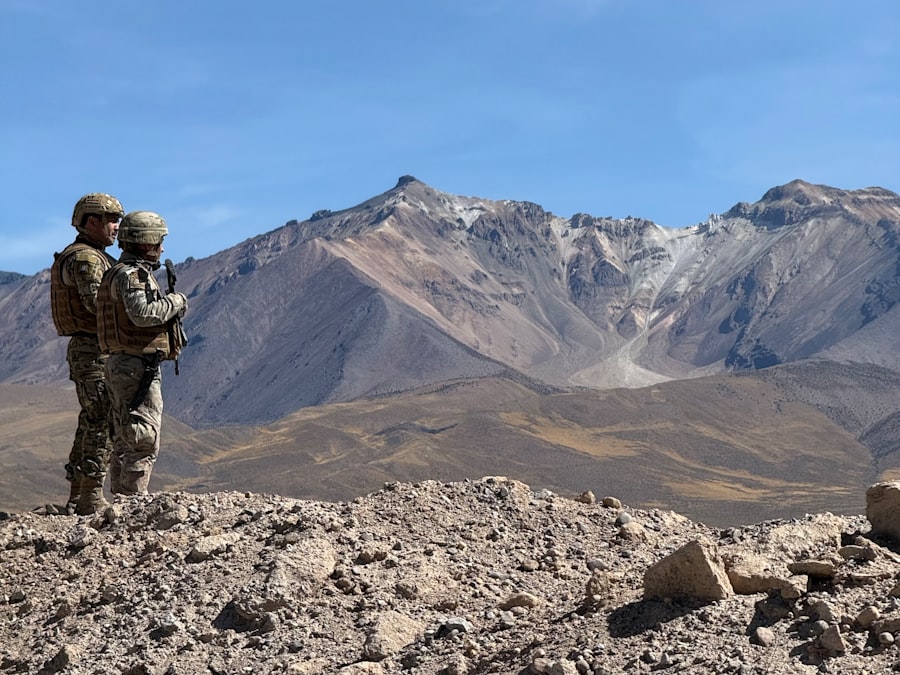
The Kola Peninsula’s geographic position places it directly on Russia’s doorstep with two NATO members: Norway and Finland. This proximity creates a complex geopolitical dynamic, characterized by both cooperation and underlying tensions. The region serves as a crucial buffer zone and a sensitive interface for military and diplomatic engagement.
The Norwegian Border: A History of Cooperation and Concern
The shared border with Norway, while largely peaceful, carries a history of geopolitical sensitivities. Both nations are heavily involved in Arctic security and resource management, leading to areas of cooperation, particularly in environmental protection and search and rescue operations. However, the presence of significant military assets on both sides of the border means that any escalation of tensions in the wider Arctic region can quickly reverberate across this frontier.
Military Presence and Surveillance
Both Russia and Norway maintain significant military presences along their shared border. Russia’s Kola Peninsula hosts numerous military installations, while Norway has its own strategic outposts designed to monitor Russian activity. This mutual surveillance is a constant feature of the relationship, aimed at maintaining transparency and preventing miscalculations, but it also underscores the underlying strategic importance of the region.
Resource Management and Environmental Cooperation
Despite military concerns, there are also avenues of cooperation, particularly regarding the management of shared resources and environmental protection. The Barents Sea is a shared ecosystem, and joint efforts to combat pollution, manage fish stocks, and conduct scientific research are vital for both nations. This cooperative aspect highlights the potential for pragmatic engagement even amidst broader geopolitical competition.
The Finnish Border: A Shifting Dynamic
Finland, until recently a neutral nation, joined NATO in April 2023, significantly altering the geopolitical landscape of the Kola Peninsula. This shift means that Russia’s entire northern border, save for a short stretch with Belarus, is now contiguous with NATO territory. This development has amplified existing security concerns for Russia and has led to increased military activity and a re-evaluation of strategic postures.
Finland’s NATO Accession and its Impact
Finland’s membership in NATO transforms the security calculus for Russia on the Kola Peninsula. The previously less militarized Finnish border now represents a NATO flank, prompting Russia to reinforce its own defenses and potentially redeploy assets. This is a major geopolitical shift with long-term implications for regional stability and military planning.
The Arctic Council and Multilateral Engagement
The Arctic Council, a forum for intergovernmental cooperation on Arctic issues, has historically served as a platform for dialogue and collaboration among Arctic nations, including Russia, Norway, and Finland. While political tensions have impacted the Council’s functioning in recent years, its existence and the ongoing need for multilateral engagement on issues like climate change, search and rescue, and scientific research remain crucial. The Kola Peninsula, as a key Arctic region, is intrinsically linked to these broader discussions.
Environmental Vulnerabilities: A Fragile Ecosystem Under Threat

The Kola Peninsula’s unique Arctic environment is exceptionally fragile and susceptible to the impacts of climate change and industrial activity. The geopolitical pursuit of resources and strategic advantage often clashes with the imperative of environmental protection, creating a complex and often contentious dynamic.
Climate Change Impacts: Melting Permafrost and Coastal Erosion
The Arctic is warming at a rate significantly faster than the global average, leading to dramatic environmental changes on the Kola Peninsula. The thawing of permafrost poses a threat to infrastructure, including roads, buildings, and pipelines. Coastal erosion is also a growing concern, impacting coastal communities and vital infrastructure.
Rising Temperatures and Shifting Ecosystems
The rising temperatures are causing shifts in the region’s ecosystems, impacting biodiversity and the traditional livelihoods of indigenous communities. Changes in sea ice extent and thickness affect marine life and the accessibility of traditional hunting and fishing grounds.
Increased Shipping and Potential for Spills
As the Northern Sea Route becomes more accessible, the increase in shipping traffic raises the risk of accidents and oil spills. The consequences of such an event in the fragile Arctic environment would be catastrophic, with long-lasting and devastating impacts on marine life, ecosystems, and coastal communities.
Industrial Pollution and Legacy Contamination
The long history of intensive mining and industrial activity on the Kola Peninsula has resulted in significant environmental degradation and legacy contamination. Many sites bear the scars of past practices, with lingering pollution from heavy metals and other hazardous substances.
Heavy Metal Contamination and Health Concerns
Mining operations have historically released significant amounts of heavy metals into the air and water, leading to contamination of soil, rivers, and the food chain. This pollution has raised serious health concerns for local populations and wildlife.
Waste Management and Remediation Challenges
The effective management of industrial waste and the remediation of contaminated sites on the Kola Peninsula are immense challenges. The vastness of the region and the harsh climate make cleanup operations difficult and expensive, requiring long-term commitment and significant investment. The geopolitical imperative to extract resources often overshadows the urgent need for environmental remediation.
The geopolitics of the Kola Peninsula in Russia has become increasingly significant due to its strategic location and military importance. As tensions rise in the Arctic region, understanding the dynamics at play is crucial for analyzing Russia’s broader geopolitical strategies. For a deeper insight into these complexities, you can explore a related article that discusses the implications of Russia’s actions in the Arctic and the Kola Peninsula. This article provides valuable context and analysis, making it a worthwhile read for anyone interested in this topic. You can find it here: In the War Room.
The Future of the Kola Peninsula: Navigating Competition and Cooperation
| Metrics | Data |
|---|---|
| Area | 61,000 square kilometers |
| Population | Around 800,000 |
| Strategic Importance | Key location for Russian military and economic interests |
| Natural Resources | Rich in minerals, including nickel, copper, and cobalt |
| Environmental Concerns | Impact of mining and industrial activities on the Arctic environment |
The future geopolitical trajectory of the Kola Peninsula will be shaped by a delicate balance between intense geopolitical competition, particularly with NATO, and the undeniable necessity for cooperation on shared challenges. Its strategic importance as a military bastion, its immense resource potential, and its role in the emerging Arctic order ensure that it will remain a focal point of global attention.
The Arctic Arms Race: A Growing Concern
The increasing militarization of the Arctic, with Russia investing heavily in its military infrastructure on the Kola Peninsula and NATO increasing its own presence, raises concerns about a potential Arctic arms race. The strategic importance of the region, coupled with competing resource claims and security anxieties, fuels this trend.
Russia’s Military Modernization and NATO’s Response
Russia’s ongoing modernization of its Northern Fleet and its expansion of military capabilities on the Kola Peninsula are seen by NATO as a direct challenge to its security. This has led to increased NATO exercises, the deployment of additional forces in Norway and the Baltic states, and a heightened state of alert across the region.
Risk of Miscalculation and Escalation
The close proximity of significant military forces and the inherent strategic importance of the Kola Peninsula create a heightened risk of miscalculation and escalation. Accidental encounters, misunderstandings, or a deliberate attempt to assert dominance could quickly spiral into a wider confrontation.
Economic Development and International Investment
Despite the geopolitical tensions, the Kola Peninsula’s vast economic potential, particularly in resource extraction and shipping, continues to attract international interest. Balancing economic development with environmental sustainability and navigating the complex geopolitical landscape will be crucial for attracting responsible investment.
Balancing Resource Extraction with Environmental Protection
The pursuit of economic opportunities in the Arctic must be carefully balanced with the imperative of protecting its fragile environment. Sustainable practices, robust regulatory frameworks, and a commitment to minimizing environmental impact will be essential for the long-term viability of any development initiatives.
The Role of Indigenous Communities
The indigenous peoples of the Kola Peninsula, such as the Sámi, have deep historical and cultural ties to the land and its resources. Their rights, traditional livelihoods, and participation in decision-making processes regarding resource development and environmental management are crucial considerations in shaping the future of the region. Their voices, often marginalized, are essential for ensuring a just and sustainable future.
The Kola Peninsula, a region of stark beauty and immense strategic importance, stands at a critical juncture. Its future will be defined by the ongoing interplay of geopolitical competition, the pursuit of economic opportunity, and the urgent need to protect a fragile Arctic environment. The decisions made today in Moscow, Washington, Brussels, and the capitals of other Arctic nations will undoubtedly shape the destiny of this vital northern frontier for generations to come.

Russia’s Nuclear Submarines Depend on This Arctic Lifeline
FAQs
What is the Kola Peninsula?
The Kola Peninsula is a large peninsula in the far northwest of Russia. It is bordered by the Barents Sea to the north and the White Sea to the east. The peninsula is known for its rugged terrain, tundra landscapes, and rich mineral resources.
What is the geopolitical significance of the Kola Peninsula?
The Kola Peninsula holds significant geopolitical importance due to its proximity to Scandinavia and its access to the Arctic Ocean. It is home to the Russian Northern Fleet, which plays a crucial role in Russia’s military strategy and Arctic presence.
How does the Kola Peninsula impact Russia’s geopolitical influence?
The Kola Peninsula’s strategic location allows Russia to project power into the Arctic region and maintain a strong military presence in the area. It also provides access to important natural resources, such as oil, gas, and minerals, which contribute to Russia’s economic and geopolitical influence.
What are the environmental concerns related to the Kola Peninsula?
The Kola Peninsula has been the site of extensive mining and industrial activity, leading to environmental pollution and degradation. The region has also been impacted by nuclear accidents and the storage of nuclear waste, raising concerns about the environmental and human health risks.
How does the Kola Peninsula factor into international relations and global politics?
The Kola Peninsula’s strategic location and natural resources make it a focal point in international relations and global politics. It is a key area for Arctic cooperation and competition among countries with interests in the region, including Russia, Norway, and other Arctic states.