Russia’s Arctic Vulnerability: Military Geography Challenges
The vast and strategically vital Arctic region presents Russia with a complex web of military geography challenges. As global interest in the Arctic intensifies due to climate change and resource potential, Russia’s extensive Arctic coastline, sparsely populated territories, and extreme environmental conditions create unique vulnerabilities that demand careful consideration and robust strategic adaptation. The sheer scale of the region, coupled with its harsh climate, directly impacts military logistics, force projection, and the ability to effectively defend its sovereign interests against potential adversaries.
The Russian Arctic stretches across eleven time zones and encompasses over 6 million square kilometers, representing a significant portion of the Arctic Circle. This immense territory, while a source of national pride and potential wealth, simultaneously poses a formidable logistical and operational hurdle for any military force. The vast distances involved mean that deploying and sustaining forces, particularly in response to a crisis, requires extraordinary planning and resources.
Geographic Extremes and Their Military Impact
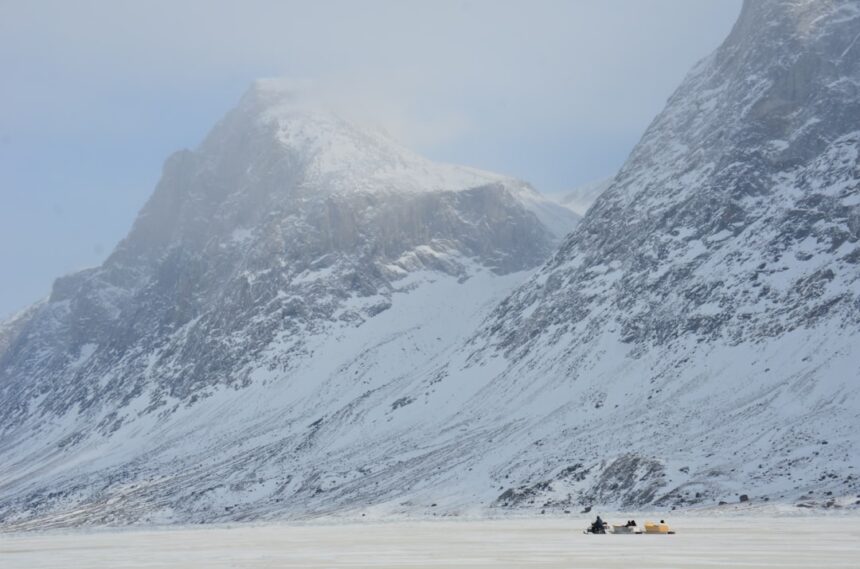
The defining characteristic of the Russian Arctic is its extreme environment. Permafrost, vast stretches of ice and snow, and extremely low temperatures present constant challenges for infrastructure development and maintenance, as well as for the operation of military equipment.
Permafrost: A Foundation of Shifting Sands
The widespread presence of permafrost beneath much of the Russian Arctic significantly complicates the construction and longevity of military bases, airfields, and logistical hubs. As global temperatures rise, the thawing of permafrost leads to ground instability, causing structures to buckle, roads to crack, and pipelines to rupture. This necessitates constant, costly repairs and limits the permanence of built infrastructure. Military engineers face the daunting task of designing and maintaining facilities that can withstand these dynamic geological shifts, a process that is both technically demanding and financially draining. The implications for long-term force posture are significant, as static installations become increasingly unreliable.
Ice Cover: A Double-Edged Sword for Naval Operations
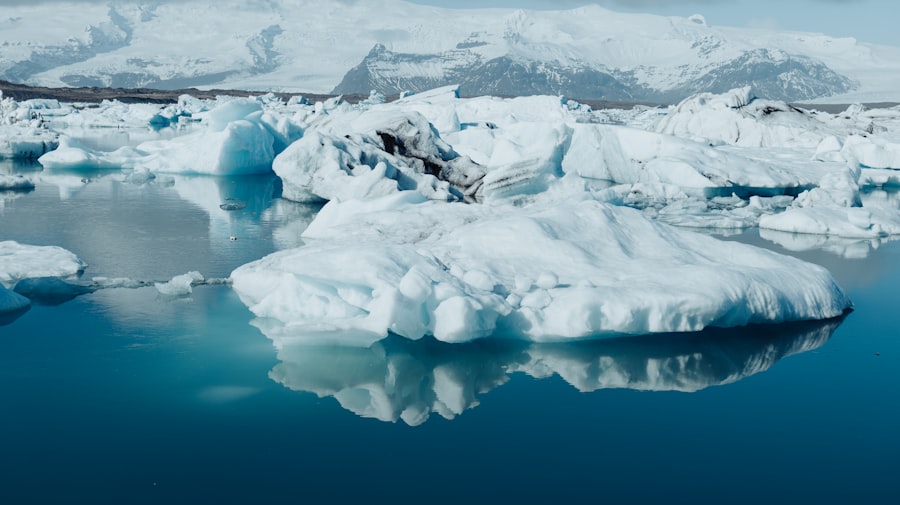
The extensive sea ice that blankets much of the Russian Arctic presents a unique paradox for military geography. While it historically served as a natural barrier, deterring naval incursions, the receding ice is opening up new shipping routes and increasing accessibility. For Russia, this means that the Northern Sea Route (NSR), a potential economic lifeline, is becoming more navigable, but it also exposes its northern flank to greater naval traffic and potential surveillance by other powers. The ability to operate ice-hardened vessels and maintain naval presence in a dynamic ice environment requires specialized equipment and training, adding another layer of complexity to maritime defense. Furthermore, the unpredictability of ice formation and break-up can severely impact naval deployment schedules and operational freedom.
Sparse Population and Infrastructure Deficiencies
The Russian Arctic is characterized by extremely low population density, with many settlements located in remote and isolated areas. This sparsity presents a significant challenge for military logistics and rapid response. The limited road and rail networks mean that ground transportation is often impractical, forcing reliance on air and sea lift, which are themselves subject to the environmental constraints of the region.
Limited Transportation Networks and Their Bottlenecks
The underdeveloped transportation infrastructure is a critical vulnerability. The absence of a comprehensive network of roads and railways means that the movement of troops, equipment, and supplies is heavily dependent on a few key arteries, which can become bottlenecks in times of crisis. Maintaining these sparse arteries in the face of harsh weather conditions and permafrost thaw is a constant struggle. This dependence on limited transportation routes makes Russia’s Arctic military logistics susceptible to disruption, whether from natural events or deliberate actions by adversaries. The ability to rapidly reinforce or resupply forces in remote Arctic locations is thus severely compromised.
Reliance on Air and Sea Lift: Vulnerabilities Exposed
Given the limitations of ground transportation, Russia relies heavily on air and sea lift for its Arctic military operations. However, both of these modes of transport have their own inherent vulnerabilities. Airfields in the Arctic are often rudimentary and susceptible to weather disruptions, limiting flight operations. Furthermore, the range and payload capacity of aircraft can be strained by the vast distances and harsh environmental conditions. Similarly, sea lift operations are dependent on port facilities, which are scarce and often ice-bound for significant portions of the year. The need for specialized icebreaker support for naval vessels further complicates sea logistics. Any disruption to these vital lifelines, whether due to mechanical failure, weather, or enemy action, can have cascading effects on military readiness and operational capability.
The strategic importance of the Arctic region has become increasingly evident, particularly in light of Russia’s military geography and its vulnerabilities in this harsh environment. An insightful article that delves into these issues can be found at In The War Room, where experts analyze the implications of Russia’s Arctic ambitions and the challenges it faces in maintaining a robust military presence in such a remote and extreme landscape. This discussion highlights the broader geopolitical dynamics at play and the potential consequences for global security.
The Northern Sea Route: A Strategic Waterway and a Point of Contention
The Northern Sea Route (NSR) is a critical maritime artery that runs along Russia’s northern coast. As climate change reduces sea ice, the NSR is becoming increasingly viable for year-round navigation, transforming it into a crucial economic and strategic asset for Russia. However, its increasing accessibility also brings it into sharper focus as a potential area of international interest and competition.
Opening of the NSR and Its Geopolitical Ramifications
The receding ice cover has opened up the NSR to commercial shipping and increased naval transits. This presents Russia with significant economic opportunities, but it also raises geopolitical questions about transit rights, security, and international access. Russia asserts its sovereignty over the NSR, classifying it as internal waters and requiring vessels to adhere to strict regulations and obtain permits. This assertion of control is a key element of its Arctic strategy.
Russian Assertions of Sovereignty and International Law Debates
Russia’s claim of exclusive control over the NSR is a point of ongoing international debate. While Russia views it as a historical and sovereign waterway, many international legal experts argue that parts of the NSR should be considered an international strait, subject to the right of transit passage for foreign vessels. This divergence in interpretation creates potential for friction and necessitates a careful diplomatic approach alongside military preparedness. Russia’s military posture in the region, including the deployment of icebreakers and naval assets, serves to underscore its claims and deter potential challenges.
The NSR as a Transit Corridor: Economic Potential and Security Concerns
The NSR offers a significantly shorter transit route between Europe and Asia compared to the Suez Canal, promising substantial economic benefits for Russia through transit fees and increased economic activity along its Arctic coast. However, this increased traffic also introduces new security concerns. Russia must ensure the safety of navigation, protect its own economic interests, and prevent potential intrusions or surveillance by foreign powers. The need to secure this vital route influences its military deployment patterns and investment in Arctic infrastructure.
Military Presence and Infrastructure Along the NSR
To secure and leverage the NSR, Russia has been actively enhancing its military presence and infrastructure along its length. This includes the refurbishment and expansion of existing bases, the construction of new facilities, and the deployment of advanced military hardware.
Reopening of Soviet-Era Arctic Bases
Russia has been systematically reopening and upgrading numerous Soviet-era military bases and radar stations that were abandoned after the collapse of the USSR. These installations, strategically located along the Arctic coast and the NSR, are being modernized with advanced communication systems, air defense capabilities, and logistical support. The aim is to re-establish a robust military presence across the entire Arctic coastline, enabling better surveillance, response times, and force projection.
Investment in Icebreaker Fleets and Naval Capabilities
A cornerstone of Russia’s Arctic military strategy is its formidable fleet of nuclear and diesel-powered icebreakers. These vessels are essential for maintaining the navigability of the NSR, escorting commercial and military shipping, and providing logistical support in icy conditions. Russia continues to invest heavily in expanding and modernizing its icebreaker fleet, recognizing its critical role in projecting power and securing its Arctic interests. This is complemented by the development of specialized naval vessels capable of operating in Arctic conditions.
The Challenge of Force Projection and Sustained Operations
Russia’s ability to project power and sustain military operations in its vast Arctic territories is fundamentally shaped by its geography and environment. The challenges are not simply about reaching a location, but about maintaining readiness and operational effectiveness over extended periods.
Maintaining Operational Readiness in Extreme Conditions
The extreme temperatures, prolonged periods of darkness, and severe weather conditions of the Arctic impose significant strains on military personnel and equipment. Maintaining operational readiness requires specialized training, equipment designed for cold-weather performance, and robust logistical support.
Specialized Training and Personnel Preparedness
Operating effectively in the Arctic demands highly specialized training for military personnel. This includes acclimatization to extreme cold, wilderness survival skills, and proficiency in operating equipment in challenging conditions. The psychological impact of prolonged isolation and extreme environmental stressors also requires careful consideration and psychological support for troops deployed in the region. Russia’s commitment to developing its Arctic military capabilities includes significant investment in training programs designed to prepare its forces for these unique operational environments.
Cold-Weather Equipment and Technological Adaptation
Military equipment designed for temperate climates is often ill-suited for the Arctic. Russia must invest in and maintain a fleet of vehicles, aircraft, and naval vessels specifically designed to withstand extreme cold, ice, and harsh weather. This includes specialized lubricants, engine components, and hull designs. Furthermore, the maintenance and repair of such equipment in remote Arctic locations present additional logistical hurdles. The development and deployment of advanced technologies, such as drones capable of operating in extreme cold and sophisticated navigation systems for icy waters, are crucial for maintaining a technological edge.
Logistical Hurdles and the Importance of Resupply
The sparsely populated nature of the Russian Arctic and its limited infrastructure create immense logistical challenges. The ability to resupply forces with fuel, ammunition, food, and spare parts is paramount for sustained operations and requires a sophisticated and resilient logistical network.
The Fragility of Arctic Supply Chains
Arctic supply chains are inherently fragile. They are susceptible to disruptions from severe weather, ice conditions, and mechanical failures. The long distances involved mean that resupply missions can be time-consuming and resource-intensive. Any failure in these supply lines can quickly degrade a military unit’s operational capacity, potentially leading to mission failure or even endangerment of personnel. Russia’s strategic planners must continuously assess and mitigate these vulnerabilities.
The Role of Arctic Infrastructure Development in Military Support
The development of Arctic infrastructure, including ports, airfields, and transportation routes, is not only for economic purposes but also crucial for supporting military operations. Enhanced infrastructure improves the efficiency and reliability of resupply efforts, enabling faster deployment of reinforcements and more effective maintenance of operational readiness. Russia’s ongoing investment in building and modernizing Arctic ports and airfields directly serves its military objectives in the region.
Emerging Threats and the Need for Strategic Adaptation
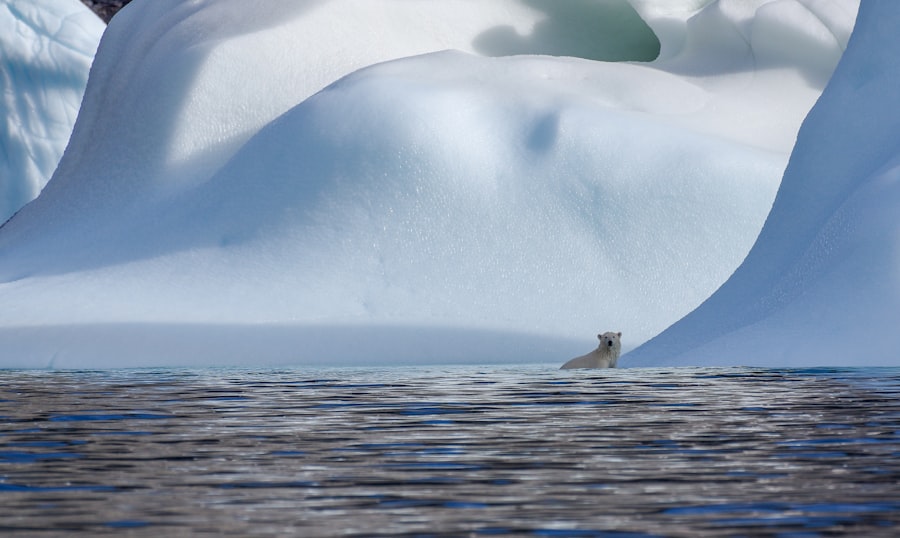
The changing Arctic landscape, driven by climate change and increasing geopolitical interest, is presenting Russia with new and evolving threats. Adapting its military geography to address these emergent challenges is crucial for maintaining its security and sovereignty.
The Rise of Non-State Actors and Transnational Crime
While traditionally focused on state-level competition, the Arctic is increasingly attracting the attention of non-state actors, including criminal organizations and extremist groups. The vast, sparsely policed territories and the opening of new routes can create opportunities for illicit activities, such as illegal fishing, smuggling, and potentially even terrorism.
Securing Vast Coastlines Against Unconventional Threats
The sheer length of Russia’s Arctic coastline makes it incredibly difficult to patrol and secure against unconventional threats. The limited number of personnel and the vastness of the territory create blind spots that can be exploited. Russia needs to develop flexible and adaptable strategies to detect and respond to these emerging threats, which may require a greater emphasis on intelligence gathering, surveillance, and rapid deployment capabilities.
Counter-Terrorism and Law Enforcement in Remote Arctic Regions
The potential for terrorist activities or organized crime to exploit the remoteness of the Arctic presents a significant challenge for law enforcement and counter-terrorism agencies. Establishing effective law enforcement presences and response mechanisms in such isolated areas requires significant logistical and operational planning. Russia’s military may be called upon to provide support in these scenarios, further complicating its operational focus.
Increasing Military Presence of Other Arctic and Non-Arctic States
As the Arctic becomes more accessible, other nations, including NATO members and increasingly China, are increasing their military presence and engagement in the region. This growing multipolarity introduces new strategic considerations and potential for competition.
The NATO Factor and Arctic Defense Posture
NATO’s increased focus on the Arctic and its member states’ investments in Arctic capabilities directly impact Russia’s security calculus. Russia views any perceived encroachment on its Arctic interests by NATO as a significant threat and is likely to continue to bolster its own defenses in response. The geography of the Barents Sea, bordering Russia and several NATO members, remains a critical strategic area where military activities are closely monitored.
China’s Growing Arctic Ambitions and Their Implications
China’s increasing interest in the Arctic, articulated through its “Polar Silk Road” initiative, presents a unique dynamic. While China does not share a border with the Arctic, its economic and strategic ambitions are undeniable. Russia, while seeking economic partnerships with China, also remains wary of potential long-term strategic implications. The interaction between Russia and China in the Arctic, particularly concerning resource development and shipping routes, warrants careful observation and strategic adaptation by Russia to balance potential cooperation with inherent competition.
Recent discussions surrounding Russia’s military geography have highlighted the vulnerabilities in the Arctic region, particularly as climate change opens new shipping routes and resource opportunities. An insightful article that delves deeper into this topic can be found at In the War Room, where experts analyze the strategic implications of Russia’s Arctic ambitions and the potential challenges posed by its military posture in this increasingly contested area. Understanding these dynamics is crucial for assessing the broader geopolitical landscape.
Conclusion: Adapting to a Changing Arctic Landscape
| Aspect | Details |
|---|---|
| Geography | Arctic region |
| Military Presence | Strategic military bases |
| Vulnerability | Environmental challenges |
| Resources | Oil and natural gas reserves |
Russia’s Arctic vulnerability is a multifaceted challenge, deeply rooted in the region’s unique military geography. The immense scale, extreme environment, and underdeveloped infrastructure create inherent difficulties in force projection, logistical support, and sustained operations. As the Arctic continues to transform, driven by climate change and increased international interest, Russia faces the imperative to adapt its military strategies and capabilities.
The reopening of the Northern Sea Route offers significant economic potential but also introduces new security concerns and the possibility of international contention. Russia’s efforts to enhance its military presence, modernize its infrastructure, and expand its icebreaker fleet are all aimed at securing its sovereignty and asserting its influence in this strategically vital region.
However, the challenges are ongoing. The fragility of Arctic supply chains, the need for specialized training and equipment, and the emergence of new threats from non-state actors and other nations necessitate a continuous process of strategic adaptation. Russia’s success in navigating these complexities will depend on its ability to balance economic development with robust security, foster innovation in cold-weather military operations, and diplomatically engage with other Arctic stakeholders while resolutely defending its national interests. The future of the Russian Arctic, both economically and militarily, will be shaped by its capacity to overcome the formidable challenges presented by its vast and unforgiving geography.

Russia’s Nuclear Submarines Depend on This Arctic Lifeline
FAQs
What is the significance of Russia’s military geography in the Arctic?
Russia’s military geography in the Arctic is significant due to the region’s strategic importance for natural resources, trade routes, and potential military positioning.
How vulnerable is Russia’s military presence in the Arctic?
Russia’s military presence in the Arctic is vulnerable due to the harsh environmental conditions, limited infrastructure, and the potential for increased competition from other Arctic nations.
What are the key challenges for Russia’s military operations in the Arctic?
Key challenges for Russia’s military operations in the Arctic include logistical difficulties, harsh weather conditions, and the need for specialized equipment and training for Arctic warfare.
What are the potential implications of Russia’s Arctic vulnerability on global geopolitics?
Russia’s Arctic vulnerability could have implications on global geopolitics by potentially leading to increased competition and tensions among Arctic nations, as well as impacting global trade and energy security.
How is Russia addressing its military vulnerability in the Arctic?
Russia is addressing its military vulnerability in the Arctic by investing in infrastructure, modernizing its military capabilities for Arctic operations, and asserting its territorial claims in the region.