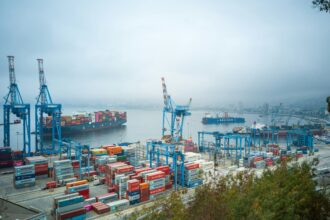
The Kola Peninsula, a vast and strategically vital landmass jutting out into the Arctic Ocean, has long been a cornerstone of Russia’s military planning. Its proximity to vital shipping lanes, its rich resource deposits, and its role as a launching point for nuclear-powered submarines and ballistic missiles have cemented its importance in Moscow’s defense doctrine. Over the decades, Russia has meticulously cultivated a formidable military presence on the peninsula, adapting its strategies and capabilities to meet evolving geopolitical landscapes and technological advancements. This article delves into the multifaceted aspects of Russia’s military strategy in the Kola Peninsula, examining its historical evolution, its current operational posture, and the strategic objectives it serves.
The strategic importance of the Kola Peninsula was recognized long before the modern era. Its deep fjords and ice-free harbors, particularly Murmansk, offered a crucial outlet to the Atlantic and Northern Sea Route. This potential was amplified with the advent of naval power.
Tsarist and Early Soviet Era: Securing Access and a Naval Foothold
Even in the waning years of the Russian Empire, the strategic value of the Kola Peninsula was apparent. The construction of the Murmansk Railway, completed in 1916, was a direct response to the need for better access to ice-free ports for wartime supply and trade. While the Tsarist regime did not establish a massive military presence, the groundwork was laid for future development.
The Bolshevik Revolution and the subsequent formation of the Soviet Union marked a significant shift. The USSR viewed the peninsula as a critical bulwark against potential Western incursions and a launchpad for its own naval ambitions. The Soviet era saw the systematic militarization of the Kola Peninsula, transforming it into a heavily fortified region.
The Birth of the Northern Fleet
A pivotal development was the establishment of the Northern Fleet in 1933. This nascent naval force was tasked with protecting Soviet territorial waters, projecting power in the Arctic, and, crucially, serving as a key component of the Soviet nuclear deterrent. The peninsula’s geographical advantages – its northern latitude for stealth, its deep waters for submarine operations, and its proximity to NATO’s northern flank – made it an ideal home for this emerging force.
Fortification and Infrastructure Development
Throughout the Cold War, the Soviet Union invested heavily in building extensive military infrastructure on the Kola Peninsula. This included the construction of naval bases, airfields, radar installations, and underground command centers. Key sites like Severomorsk, the main base of the Northern Fleet, were developed into sprawling complexes capable of supporting a significant portion of the Soviet Navy. The emphasis was on defensive capabilities, creating a layered defense system that aimed to repel any potential invasion.
The Cold War: A Crucible of Strategic Competition
The Kola Peninsula was a frontline in the Cold War, a constant arena of strategic competition between the Soviet Union and the NATO alliance. The proximity of Soviet and NATO forces, particularly in the Greenland-Iceland-UK (GIUK) gap, made the region a high-tension zone.
Submarine Warfare: The Silent Battle Beneath the Ice
The primary strategic focus during the Cold War was submarine warfare. The Soviet Union developed a formidable submarine force, including increasingly sophisticated nuclear-powered attack submarines (SSNs) and ballistic missile submarines (SSBNs). The Kola Peninsula provided these submarines with unparalleled access to the open ocean while offering concealment under the Arctic ice.
SSBN Patrols and Deterrence
The SSBNs based in the Kola Peninsula formed a vital leg of the Soviet nuclear triad. Their ability to patrol silently in the Arctic and launch nuclear missiles provided a credible second-strike capability, a cornerstone of Soviet strategic deterrence. The constant tension revolved around detecting and tracking these submarines, with both sides investing heavily in anti-submarine warfare (ASW) technologies.
SSN Operations and Interdiction
Soviet SSNs were tasked with a variety of missions, including intelligence gathering, shadowing NATO naval forces, and interdicting enemy submarines and surface vessels. The Kola Peninsula served as their primary operating base, allowing for rapid deployment and return for resupply and maintenance.
Air Defense and Early Warning Systems
Complementing the naval presence, the Kola Peninsula was also equipped with extensive air defense networks. Radar stations, surface-to-air missile (SAM) sites, and fighter interceptor bases were strategically positioned to detect and engage any incoming aerial threats. This layered defense was designed to protect both military installations and the civilian population of the region.
The military strategy of Russia in the Kola Peninsula has garnered significant attention due to its strategic importance in the Arctic region. For a deeper understanding of the implications of this strategy and its potential impact on global security, you can refer to a related article that explores the geopolitical dynamics at play. To read more, visit this article.
Modern Military Posture: Reinvigoration and Strategic Recalibration
Following the collapse of the Soviet Union, the military infrastructure on the Kola Peninsula experienced a period of decline due to economic constraints and a shift in geopolitical priorities. However, in recent years, Russia has embarked on a significant re-militarization of the region, driven by a resurgent nationalistic agenda and a renewed focus on the Arctic.
The Northern Fleet: A Resurgent Powerhouse
The Northern Fleet remains the linchpin of Russia’s military strategy on the Kola Peninsula. Under President Putin, there has been a concerted effort to modernize and expand its capabilities, reflecting its restored prominence in Russian defense planning.
Modernization of Submarine Assets
A key focus has been the modernization of the submarine fleet. New generations of SSNs and SSBNs, such as the Yasen-class attack submarines and the Borei-class ballistic missile submarines, are being introduced. These vessels incorporate advanced stealth technology, improved weaponry, and enhanced operational range, significantly increasing their combat effectiveness and survivability.
Borei-Class SSBNs: The Backbone of the Nuclear Deterrent
The Borei-class submarines are designed to carry multiple Bulava intercontinental ballistic missiles (ICBMs), each capable of delivering multiple nuclear warheads. Their deployment from Kola bases ensures Russia’s ability to maintain a secure and survivable nuclear deterrent against any potential aggressor.
Yasen-Class SSNs: Enhanced Offensive and Defensive Capabilities
The Yasen-class SSNs are highly capable multi-role submarines, armed with a variety of torpedoes, cruise missiles, and anti-ship missiles. They are designed for a wide range of missions, from anti-submarine warfare to land-attack strikes.
Surface Fleet Expansion and Modernization
While submarines remain paramount, Russia is also investing in its surface fleet. New frigates, corvettes, and patrol vessels are being commissioned, equipped with modern weapon systems and sensors. These vessels are designed to operate in the challenging Arctic environment and project power in the region.
Arctic Warfare Capabilities
The Russian military is increasingly prioritizing capabilities tailored for Arctic warfare. This includes specialized ice-capable vessels, advanced cold-weather equipment for personnel, and enhanced logistics for operations in extreme conditions. The Kola Peninsula serves as a vital hub for developing and testing these capabilities.
Air and Missile Defense: A Fortified Shield
The Kola Peninsula continues to be a critical element of Russia’s integrated air and missile defense (IAMD) system. The strategic importance of protecting naval assets and key infrastructure from aerial and missile threats remains a top priority.
Advanced Radar Networks and Early Warning Systems
A sophisticated network of advanced radar stations and early warning systems is maintained and upgraded on the Kola Peninsula. These systems are designed to detect incoming aircraft, drones, and ballistic missiles at long ranges, providing crucial time for defensive responses.
Over-the-Horizon Radar (OTH-R) Installations
Russia has invested in Over-the-Horizon radar systems, which can detect targets beyond the line of sight, providing a significant advantage in monitoring vast expanses of the Arctic and Atlantic.
Surface-to-Air Missile (SAM) Systems
The peninsula is heavily defended by a range of modern SAM systems, including the S-400 Triumf and S-300 series. These systems are capable of engaging a wide spectrum of aerial threats, from tactical aircraft to intercontinental ballistic missiles.
S-400 Triumf: The Cornerstone of Air Defense
The S-400 Triumf is a highly advanced long-range SAM system considered one of the most capable in the world. Its deployment on the Kola Peninsula significantly enhances Russia’s ability to control its airspace and protect its strategic assets.
Interceptor Aircraft and Airbases
Airbases on the Kola Peninsula house squadrons of advanced fighter jets, such as the MiG-31BM and Su-35. These aircraft are tasked with air patrols, interception missions, and providing air support for naval and ground forces.
The military strategy of Russia’s Kola Peninsula has garnered significant attention due to its strategic importance in the Arctic region. This area serves as a critical base for Russia’s Northern Fleet and plays a vital role in the country’s defense posture. For those interested in a deeper analysis of the implications of this military presence, you can read a related article that explores the broader geopolitical context and the potential consequences for international relations. To learn more, visit this insightful piece on military strategies in the Arctic.
Ground Forces and Coastal Defense: Securing the Land
While the focus is often on naval and air power, Russia also maintains a significant ground force presence on the Kola Peninsula, particularly focused on coastal defense and securing key strategic locations.
Coastal Missile Systems: Deterring Amphibious Assaults
The coastline of the Kola Peninsula is fortified with advanced coastal missile systems, such as the Bal and Bastion. These mobile systems are designed to detect and engage enemy surface vessels, effectively deterring any attempts at amphibious landings.
Bal and Bastion Systems: Projecting Anti-Ship Power
The Bal system carries anti-ship missiles capable of engaging targets at medium ranges, while the Bastion system is designed for longer-range engagements, providing a robust defense against naval incursions.
Mechanized Infantry and Artillery
Elements of Russian mechanized infantry and artillery units are stationed on the peninsula to provide ground defense and support to naval operations. Their role is to secure key infrastructure, such as airfields and ports, and to repel any potential ground assaults.
Border Protection and Arctic Security Forces
With the increasing militarization of the Arctic, Russia has also bolstered its border protection forces on the Kola Peninsula. Specialized units are tasked with monitoring the land and maritime borders, ensuring the security of its Arctic territories.
Strategic Objectives: Why the Kola Peninsula Matters

The extensive military presence on the Kola Peninsula is not merely a matter of historical inertia; it serves a clear set of contemporary strategic objectives for Russia.
The Arctic as a New Frontier: Resource Security and Geopolitical Influence
The Arctic is increasingly recognized as a region of immense strategic importance, driven by thawing ice that opens up new shipping routes and access to vast untapped natural resources. Russia aims to assert its dominance in this burgeoning arena.
Northern Sea Route: A Vital Artery for Trade and Power Projection
The Northern Sea Route (NSR), which traverses Russia’s Arctic coastline, is becoming an increasingly important alternative to traditional trade routes. Russia is investing heavily in infrastructure to facilitate year-round navigation on the NSR, and the Kola Peninsula serves as a key western gateway. A strong military presence is crucial for protecting this vital artery and projecting Russian influence along its entire length.
Resource Exploitation: Securing Energy and Mineral Wealth
The Arctic shelf is believed to hold significant reserves of oil, gas, and rare earth minerals. Russia aims to secure its access to these resources, and its military posture on the Kola Peninsula is designed to deter any potential challenges to its resource claims.
Maintaining Nuclear Deterrence: The Unwavering Priority
The role of the Kola Peninsula in Russia’s nuclear deterrent remains paramount. The presence of SSBNs and the strategic location for launching ballistic missiles are fundamental to Russia’s ability to project strategic power and maintain its status as a nuclear-armed state.
Second-Strike Capability: Guaranteeing Retaliation
The SSBNs based on the Kola Peninsula are the most survivable leg of Russia’s nuclear triad. Their ability to remain hidden beneath the Arctic ice and launch a retaliatory strike, even after a first strike, is a cornerstone of Russia’s doctrine of mutually assured destruction (MAD).
Strategic Bomber Operations: Extending Reach
While submarines are key, the Kola Peninsula also serves as a strategic base for long-range bomber operations, further extending Russia’s nuclear strike capabilities and its ability to project power into the Atlantic and beyond.
Projecting Power and Deterring NATO
The Kola Peninsula is strategically situated to challenge NATO’s northern flank and project Russian power into the North Atlantic. The modernization and expansion of military capabilities are clearly aimed at deterring potential NATO expansion and demonstrating Russia’s resolve.
The GIUK Gap: A Persistent Area of Tension
The Greenland-Iceland-United Kingdom (GIUK) gap remains a critical maritime chokepoint. Russia’s presence on the Kola Peninsula allows it to exert influence and potentially interdict NATO naval movements through this vital strait.
Challenging NATO Dominance: A Signal to the West
The revitalized military strength in the Kola Peninsula serves as a clear signal to NATO and Western powers of Russia’s continued military might and its willingness to defend its perceived interests in the Arctic and beyond.
Future Trajectory: Emerging Trends and Challenges
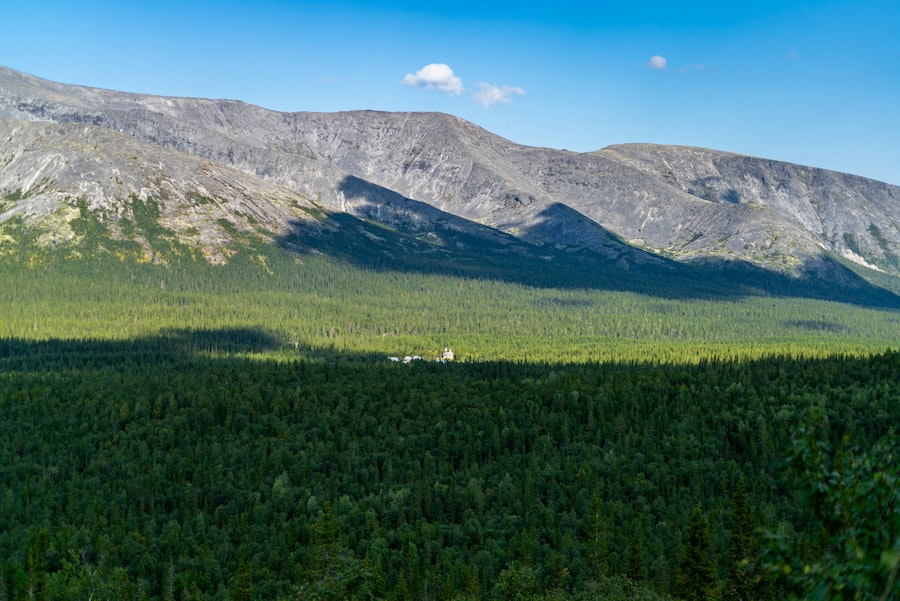
The military strategy of Russia on the Kola Peninsula is not static; it is constantly evolving in response to technological advancements, geopolitical shifts, and the evolving nature of warfare.
Technological Advancements and the Future of Warfare
The integration of new technologies will continue to shape Russia’s military posture on the Kola Peninsula. This includes advanced artificial intelligence (AI), autonomous systems, and enhanced cyber warfare capabilities.
Hypersonic Missiles and Advanced Weaponry
The development and deployment of hypersonic missiles, capable of evading existing missile defense systems, will undoubtedly feature prominently in Russia’s future arsenal based in the region.
Unmanned Systems and Arctic Surveillance
The use of unmanned aerial vehicles (UAVs) and unmanned underwater vehicles (UUVs) will likely increase for surveillance, reconnaissance, and potentially offensive operations in the challenging Arctic environment.
The Arctic Arms Race: A Global Concern
The increasing militarization of the Arctic, with Russia leading the charge, has raised concerns about a potential arms race. Other Arctic nations are also bolstering their military presence, leading to a complex and potentially volatile geopolitical situation.
Increased NATO Presence and Response
As Russia enhances its capabilities, NATO is likely to respond by increasing its own military presence and conducting more exercises in the High North, potentially leading to a dangerous cycle of escalation.
International Law and Arctic Governance
The militarization of the Arctic also raises questions about the adherence to international law and the establishment of effective governance mechanisms for the region. The Kola Peninsula, as a central hub of Russian military activity, will be at the heart of these discussions.
Environmental Considerations and Military Operations
The sensitive Arctic environment presents unique challenges for military operations. Russia will need to balance its strategic objectives with the need to minimize its environmental impact, especially as resource exploitation and increased shipping activity continue.
Oil Spills and Contamination Risks
The potential for oil spills and other forms of environmental contamination from increased military and commercial activity in the Arctic is a significant concern, with profound implications for the fragile ecosystem.
Climate Change and Infrastructure Vulnerability
Climate change itself poses a threat to existing military infrastructure on the Kola Peninsula, as permafrost thaws and coastal erosion intensifies. Russia will need to adapt its infrastructure to these changing environmental conditions.
The Ongoing Need for Dialogue and De-escalation
Despite the hardening of military postures, the long-term security of the Arctic will ultimately depend on dialogue and de-escalation. Maintaining open lines of communication and pursuing diplomatic solutions will be crucial to preventing conflict and ensuring the peaceful development of this vital region. The strategic significance of the Kola Peninsula means that any miscalculation or escalation in this area could have far-reaching global consequences.

Russia’s Nuclear Submarines Depend on This Arctic Lifeline
FAQs
What is the significance of the Kola Peninsula in Russia’s military strategy?
The Kola Peninsula is strategically important to Russia due to its proximity to NATO member countries and its access to the Arctic Ocean. It is home to the Russian Northern Fleet and provides a strategic location for military operations and deterrence.
What military assets does Russia have on the Kola Peninsula?
Russia maintains a significant military presence on the Kola Peninsula, including naval bases, airfields, and missile defense systems. The Northern Fleet, which is based in the area, is one of the key components of Russia’s military capabilities in the region.
How does the Kola Peninsula factor into Russia’s Arctic strategy?
The Kola Peninsula plays a crucial role in Russia’s Arctic strategy, as it provides access to the Northern Sea Route and the Arctic Ocean. Russia has been increasing its military presence in the Arctic region, and the Kola Peninsula serves as a key hub for these activities.
What are the potential implications of Russia’s military strategy on the Kola Peninsula?
Russia’s military strategy on the Kola Peninsula has raised concerns among neighboring NATO countries and has led to increased tensions in the region. The presence of advanced military capabilities in the area has the potential to impact security dynamics in the Arctic and beyond.
How does the Kola Peninsula fit into Russia’s broader defense posture?
The Kola Peninsula is an integral part of Russia’s broader defense posture, particularly in the context of its strategic interests in the Arctic and its overall military capabilities. The area’s significance extends beyond regional considerations and is linked to Russia’s broader national security strategy.