So, you’ve heard the whispers about the CIA and something called “Project Stargate,” right? Maybe you’ve seen a documentary, read a fringe website, or just have a general curiosity about the wilder side of intelligence. The big question on everyone’s mind is usually: Did it actually work?
The short answer is that the scientific evidence for remote viewing’s reliability as a consistent, predictable intelligence-gathering tool is pretty shaky, at best. While Project Stargate and its predecessors were real government programs that explored the possibility of psychic abilities for intelligence purposes, the results were far from the definitive proof many hoped for. They spent a lot of money and time investigating, and while there were some intriguing anecdotal reports and experiments that couldn’t be easily explained away, they never reached a point where they could reliably “remote view” a target and get actionable intelligence that outperformed traditional methods. It’s a fascinating story, though, full of dedicated individuals, perplexing outcomes, and a healthy dose of skepticism.
The Genesis of Psychic Espionage
The idea of using “psychic spies” didn’t just appear out of thin air in the late 20th century. Its roots stretch back to the Cold War, a time when both the United States and the Soviet Union were exploring every conceivable avenue to gain an advantage over the other. The fear of falling behind in any technological or even unconventional field was intense.
Post-War Paranoia and Early Investigations
Following World War II, a wave of interest in parapsychology – the study of purported psychic phenomena like telepathy, clairvoyance, and precognition – swept through academic and even governmental circles. The Soviets, in particular, were seen as aggressively pursuing psychic research, which naturally triggered a defensive response in the U.S. defense establishment.
The Soviet Factor: A Driving Force
Reports, some perhaps exaggerated, of Soviet success in psychic research fueled American concerns. The idea was simple: if the Soviets could weaponize the mind, then the U.S. needed to do the same, or at least understand the threat. This perception, whether entirely accurate or not, served as a powerful motivator for initial funding and exploration.
Early U.S. Initiatives: Beyond the CIA
Before the dedicated “Stargate” programs, smaller, less public efforts were already underway. Various government agencies, including the Department of Defense and the military branches, dabbled in parapsychological research. These early forays were often characterized by a desire for scientific validation and practical application, but also by a good deal of skepticism within the established scientific and intelligence communities.
The Rise of Remote Viewing
Remote viewing, as it came to be understood in this context, is the purported ability to acquire information about a distant or unseen target, person, object, or location using extrasensory perception (ESP). It’s distinct from simple clairvoyance in that it often involves describing specific details, drawing representations, and conveying sensory impressions.
Defining the Unseen: What is Remote Viewing?
At its core, remote viewing is about perception without conventional sensory input. Think of it as trying to “see” or “know” something through your mind alone. Proponents suggest that individuals can tune into a “psychic field” or “universal consciousness” to gather information. This is where things get abstract and where the scientific challenges become most apparent.
The “Scientific” Approach: Attempts at Objectivity
Researchers involved in these projects, particularly at institutions like Stanford Research Institute (SRI) and later at various government contractors, attempted to design experiments that could objectively measure the success of remote viewing. This involved using controlled conditions, “blinded” protocols (where the remote viewer didn’t know the target), and statistical analysis to assess the results. However, defining what constitutes “success” in these subjective experiences proved to be a major hurdle.
CIA Project Stargate, which focused on the exploration of remote viewing and psychic phenomena for intelligence purposes, has intrigued many researchers and enthusiasts alike. For those interested in delving deeper into the implications and outcomes of this controversial program, a related article can be found at this link. This article provides insights into the methodologies employed in the project and discusses its impact on the field of parapsychology.
Project Stargate: The Main Event
“Project Stargate” is the umbrella term for a series of U.S. government programs, primarily conducted by the CIA and DIA (Defense Intelligence Agency), that investigated the potential use of psychic phenomena, particularly remote viewing, for intelligence gathering from the 1970s to the mid-1990s. It wasn’t just one monolithic project, but rather a series of evolving efforts with different names and focuses.
Key Programs and Their Evolution
The journey of psychic intelligence research within the U.S. government involved several distinct phases and operational names, each building on or diverging from its predecessors. Understanding these shifts helps paint a clearer picture of the program’s trajectory.
GRILL FLAME and CENTER LANE: The Early Stages
These were some of the earlier names associated with the government’s exploration of psychic phenomena. GRILL FLAME, in particular, focused on the practical application of remote viewing for intelligence purposes. Researchers and remote viewers worked to gather information on targets of interest, often with mixed results.
The DIA’s Involvement: Expanding the Scope
The Defense Intelligence Agency took a significant role in these efforts, often integrating remote viewing into broader intelligence analysis. They saw potential in complementing traditional intelligence methods with what they hoped would be a unique source of information.
SOUL
Another significant program was SOUL (often referred to as STAR GAZER or SUN STREAK), which continued the investigation and refinement of remote viewing techniques. The aim was to develop reliable protocols and train individuals to become effective remote viewers.
The Remote Viewers: Who Were They?
The individuals who participated in these programs, the “remote viewers,” came from diverse backgrounds. Some were identified through psychic abilities testing, while others were recruited from military or intelligence personnel who showed aptitude.
Humble Beginnings: Unassuming Participants
Contrary to popular imagination, many remote viewers weren’t flamboyant psychics. They were often ordinary people, sometimes with a background in fields like art, science, or the military, who discovered they possessed an unusual ability. Their accounts often describe the experience as a form of intuitive perception or vivid imagination that could be channeled.
Training and Protocols: From Intuition to Structure
Efforts were made to train these individuals and develop structured protocols to guide the remote viewing process. This was crucial for attempting to achieve consistency and for making the data interpretable by intelligence analysts. These protocols often involved specific steps for focusing, perceiving, and documenting the impressions received.
Targets of Interest: What Were They Looking For?
The remote viewers were tasked with gathering information on a wide range of targets, reflecting the broad spectrum of intelligence concerns during the Cold War and beyond. The information sought was often highly sensitive and difficult to obtain through conventional means.
Soviet Military Installations: The Primary Focus
A significant portion of the remote viewing efforts was directed towards Soviet military sites, facilities, and activities. This included trying to glean information about new weapons systems, troop movements, and operational plans. The goal was to provide early warnings and strategic insights.
Other Intelligence Gaps: From Hostage Situations to Future Events
Beyond military targets, remote viewers were sometimes asked to provide information on hostage situations, locate downed aircraft, or even offer insights into potential future events. The flexibility of the concept meant its application was explored across various intelligence challenges.
The Science (or Lack Thereof) Behind the Phenomenon
This is where the waters get particularly murky and where the program faced its most significant criticisms. While proponents and some researchers pointed to intriguing results, the broader scientific community remained highly skeptical due to methodological issues and the difficulty in replicating findings.
Methodological Challenges: The Hurdles of Proof
Conducting rigorous scientific experiments on psychic phenomena is notoriously difficult. The subjective nature of the experience, the potential for subtle sensory leakage, and the inherent challenges in blinding protocols all contributed to the debates surrounding the validity of remote viewing.
The “Blind” Dilemma: Ensuring True Objectivity
A key principle in scientific research is blinding, where participants and researchers are unaware of crucial variables (like the target) to prevent bias. In remote viewing, truly blinding the viewer and the experimenter to the target proved to be an ongoing challenge. Even subtle cues could inadvertently influence the “viewer.”
Replication Issues: The Elusive Repeatability
One of the cornerstones of scientific validity is the ability to replicate results. Remote viewing experiments often struggled with this. While some sessions might yield striking accuracy, repeating those successes consistently and under controlled conditions proved to be a significant obstacle.
Statistical Analysis: Finding Meaning in Ambiguity
Researchers attempted to use statistical analysis to determine if the accuracy of remote viewing was significantly better than chance. This involved comparing the viewer’s descriptions to the actual target and quantifying the overlap. However, the interpretation of these statistics was often debated.
What Constitutes a “Hit”? The Subjectivity of Data
Defining what constitutes a “hit” or a successful remote viewing session was itself a subjective process. Even when viewers described elements that were present at the target, the accuracy, specificity, and relevance of those descriptions were often open to interpretation. Was a vague mention of “water” enough if the target had a small pond?
The “File Drawer Problem”: Bias in Publication
A common criticism in parapsychology is the “file drawer problem” – the tendency for studies with negative or inconclusive results to remain unpublished, while those with seemingly positive findings are more likely to be disseminated. This can create a skewed perception of the overall evidence.
The Turning Point: The Grim Review and Declassification
After decades of funding and investigation, a critical review of the programs led to their eventual termination. The lack of definitive, actionable intelligence and persistent scientific doubts played significant roles in this decision.
The 1995 CIA Assessment: A Scrutiny of the Evidence
In 1995, the CIA commissioned an independent review of the U.S. government’s psychic espionage programs, including Project Stargate. This assessment was conducted by the American Institutes for Research (AIR). The goal was to provide an objective evaluation of the program’s effectiveness and potential future utility.
The Verdict: “No Operations Impacted”
The AIR report concluded that while some viewers produced “information that was occasionally accurate and useful,” the program had “not provided any uniquely valuable intelligence.” Crucially, it stated that the programs had not influenced U.S. foreign or domestic policy, and no intelligence operations were significantly impacted by remote viewing.
The Call for Termination: A Practical Decision
Based on the assessment, the recommendation was to terminate the programs. The report emphasized that the results, while sometimes intriguing, did not justify the continued expense and effort when compared to the effectiveness and reliability of traditional intelligence methods.
Declassification and Public Scrutiny
Following the termination of the programs, much of the information related to Project Stargate began to be declassified. This opened the door for public discussion, analysis, and a new wave of interest from researchers, journalists, and the curious public.
Unveiling the Secrets: What Was Revealed?
The declassified documents offered a glimpse into the operational details, the individuals involved, the types of targets, and the outcomes of various experiments. It allowed for a more informed, though still debated, understanding of what the government had been doing for decades.
Lingering Questions: The Unexplained Aspects
Despite the official conclusions, the declassification also brought to the fore the persistent questions and anecdotal evidence that couldn’t be easily dismissed. There were instances where remote viewers provided information that was later corroborated by conventional intelligence, leading some to believe there was something to it, even if it wasn’t reliably usable.
CIA Project Stargate, which focused on the exploration of remote viewing, has intrigued many researchers and enthusiasts alike. For those interested in delving deeper into the implications and outcomes of this fascinating program, a related article can be found at In The War Room, where the nuances of psychic espionage and its historical context are thoroughly examined. This exploration sheds light on the broader impact of such unconventional methods in intelligence gathering.
Legacy and Lingering Mysteries
Though officially defunct, Project Stargate left a complicated legacy. It sparked public fascination with psychic abilities, influenced popular culture, and continues to be a subject of debate among researchers and enthusiasts alike.
The End of Government-Sponsored Psychic Research (in this form)
With the termination of Project Stargate, the U.S. government effectively ceased its large-scale, overt sponsorship of remote viewing programs for intelligence purposes. The focus shifted back to more established and verifiable intelligence-gathering methods.
A Shift in Focus: Prioritizing Conventional Intelligence
The decision to end the programs signaled a return to prioritizing proven and measurable intelligence techniques. The resources that had been allocated to psychic research were redirected towards areas with more tangible and consistent outcomes.
The “Zero Sum” Game: Was it all a Waste?
Critics often point to the vast sums of money and time spent on these programs with little demonstrable return on investment as evidence of their futility. However, proponents argue that even the “failures” provided valuable insights into the nature of consciousness and perception, and that some findings remain unexplained by conventional science.
The Unexplained Anecdotes and Unanswered Questions
Despite the official verdict, there remain numerous anecdotal accounts and specific instances that continue to fuel speculation and debate about the potential reality of remote viewing.
The “Amazing” Hits: Stories That Persist
Throughout the declassified information and subsequent discussions, certain remote viewing sessions stand out for their seemingly uncanny accuracy. These stories, while often lacking the rigorous scientific validation the programs aimed for, are the ones that capture the imagination and keep the idea of psychic intelligence alive.
The “What If” Factor: The Allure of the Unknown
The very nature of remote viewing – its ability to tap into the unknown – makes it inherently alluring. Even with the official end of Project Stargate, the possibility that there might be untapped human potential, even if not fully understood or controllable, continues to fascinate many. It’s a reminder that our understanding of reality might still have significant gaps.
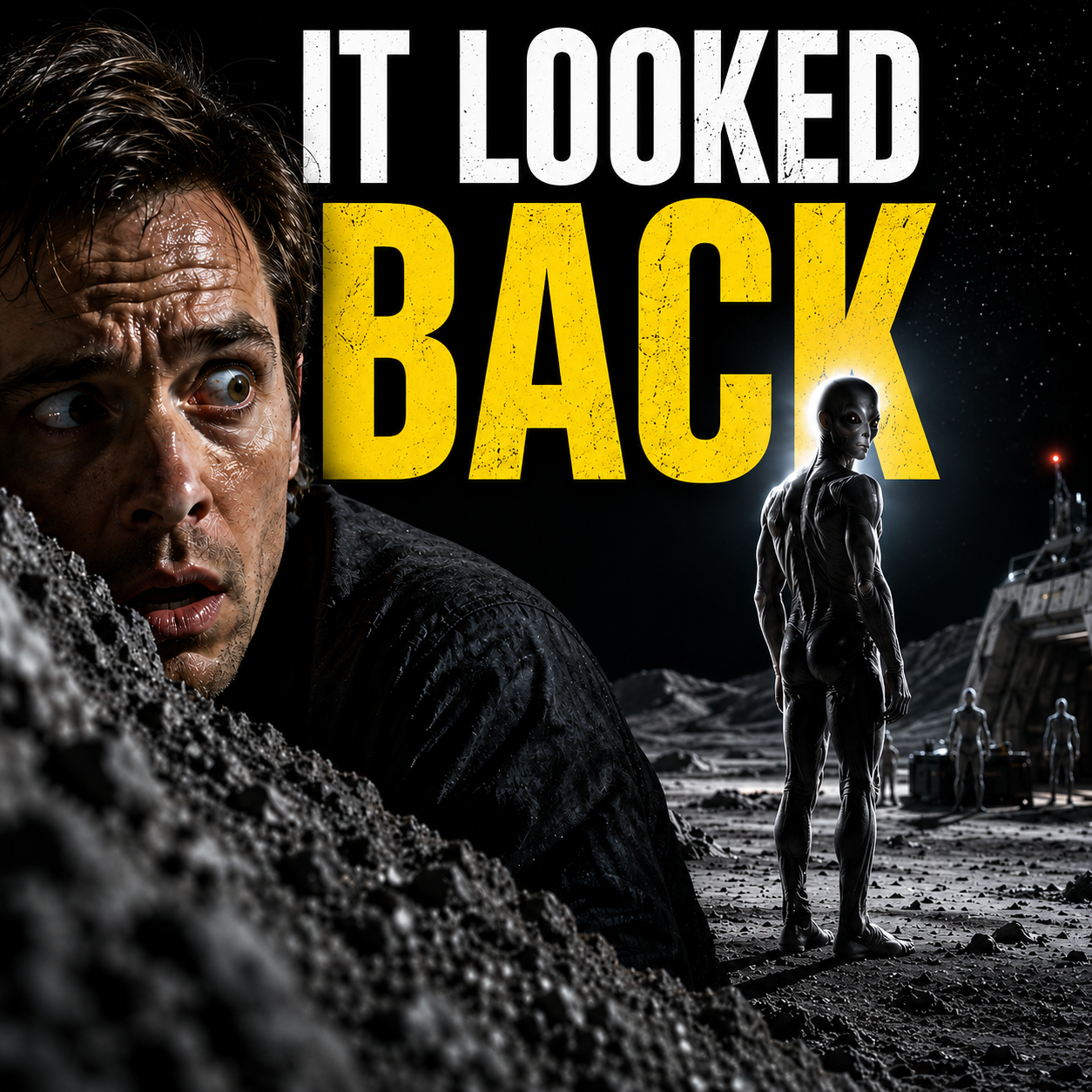
He Remote Viewed the Moon. Then Something Saw Him.
FAQs
What is CIA Project Stargate?
CIA Project Stargate was a secret program that ran from 1978 to 1995, in which the CIA and other U.S. government agencies investigated the potential for psychic phenomena, particularly remote viewing, as a tool for intelligence gathering.
What is remote viewing?
Remote viewing is the practice of seeking impressions about a distant or unseen target using paranormal means, such as extrasensory perception (ESP) or “sensing” with the mind. It is often described as a form of psychic ability.
What was the purpose of CIA Project Stargate?
The purpose of CIA Project Stargate was to determine if remote viewing could be used as a tool for intelligence gathering, particularly in the context of national security and defense. The program aimed to assess the potential of psychic phenomena for use in espionage and other intelligence operations.
What were the outcomes of CIA Project Stargate?
The outcomes of CIA Project Stargate are a subject of debate. Some participants and researchers involved in the program claimed that remote viewing showed promise as a method for gathering intelligence. However, the program was ultimately discontinued in 1995, and the CIA concluded that remote viewing was not a reliable or effective intelligence-gathering tool.
Is remote viewing still used by the CIA or other government agencies?
While CIA Project Stargate has been discontinued, it is not publicly known whether remote viewing or similar psychic phenomena are still being actively researched or used by the CIA or other government agencies. The program remains a subject of interest and speculation in the realm of paranormal and psychic research.