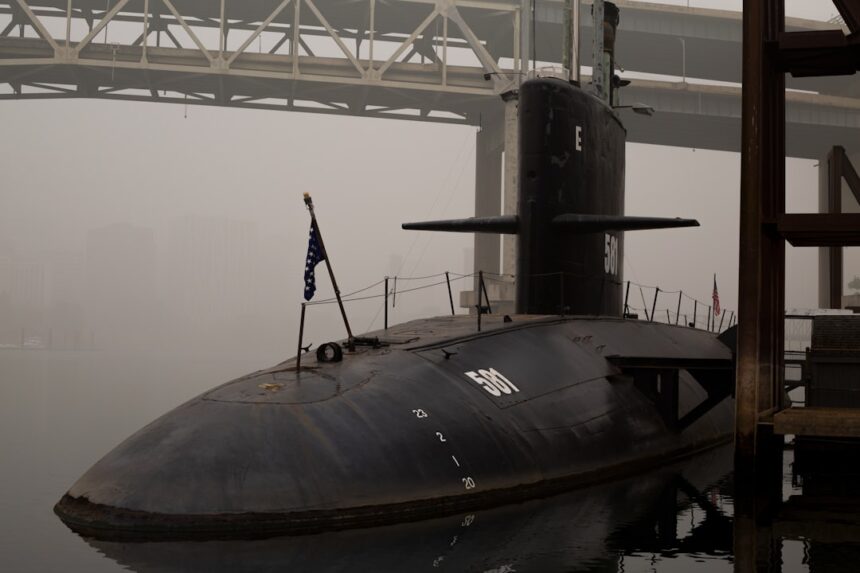
The concept of nuclear deterrence has undergone significant transformation since the dawn of the atomic age. Initially, the development of nuclear weapons was seen as a means to secure national interests and maintain a balance of power, particularly during the Cold War. The doctrine of mutually assured destruction (MAD) emerged as a cornerstone of this strategy, positing that the possession of nuclear arsenals by opposing states would prevent direct conflict due to the catastrophic consequences that would ensue.
This period was characterized by an arms race, where nations sought to outdo each other in terms of nuclear capabilities, leading to stockpiles that could obliterate entire cities. As the geopolitical landscape evolved, so too did the strategies surrounding nuclear deterrence. The end of the Cold War marked a shift in focus from large-scale nuclear arsenals to more nuanced approaches that included arms reduction treaties and non-proliferation efforts.
The establishment of frameworks such as the Treaty on the Non-Proliferation of Nuclear Weapons (NPT) aimed to curb the spread of nuclear weapons while promoting peaceful uses of nuclear energy. This evolution reflects a growing recognition that while nuclear weapons can serve as a deterrent, their existence also poses significant risks that necessitate careful management and international cooperation.
Key Takeaways
- Nuclear deterrence has evolved over time, from the Cold War era to the present day, shaping global security dynamics.
- Nuclear weapons continue to play a significant role in modern security, serving as a deterrent against potential adversaries.
- Emerging technologies have a profound impact on nuclear deterrence, presenting new challenges and opportunities for maintaining stability.
- International cooperation is crucial for ensuring nuclear security and preventing the proliferation of nuclear weapons.
- Non-state actors pose a significant challenge to nuclear deterrence efforts, requiring innovative strategies to address this threat.
The Role of Nuclear Weapons in Modern Security
In contemporary security paradigms, nuclear weapons continue to play a pivotal role, albeit in a more complex and multifaceted manner. For many nations, possessing a nuclear arsenal is synonymous with national security and sovereignty. Countries like North Korea and India have pursued nuclear capabilities not only for deterrence but also as a means to assert their status on the global stage.
The presence of nuclear weapons can act as a stabilizing force in certain regions, deterring aggression from adversaries and providing a sense of security to allies. However, the reliance on nuclear weapons for security raises critical questions about the sustainability of such strategies. The potential for miscalculation or accidental launch remains a pressing concern, particularly in regions with high tensions.
Moreover, the proliferation of nuclear technology poses risks that extend beyond state actors, as rogue nations and non-state actors may seek to acquire these capabilities. Thus, while nuclear weapons may provide a semblance of security, they also introduce complexities that challenge traditional notions of safety and stability in international relations.
The Impact of Emerging Technologies on Nuclear Deterrence
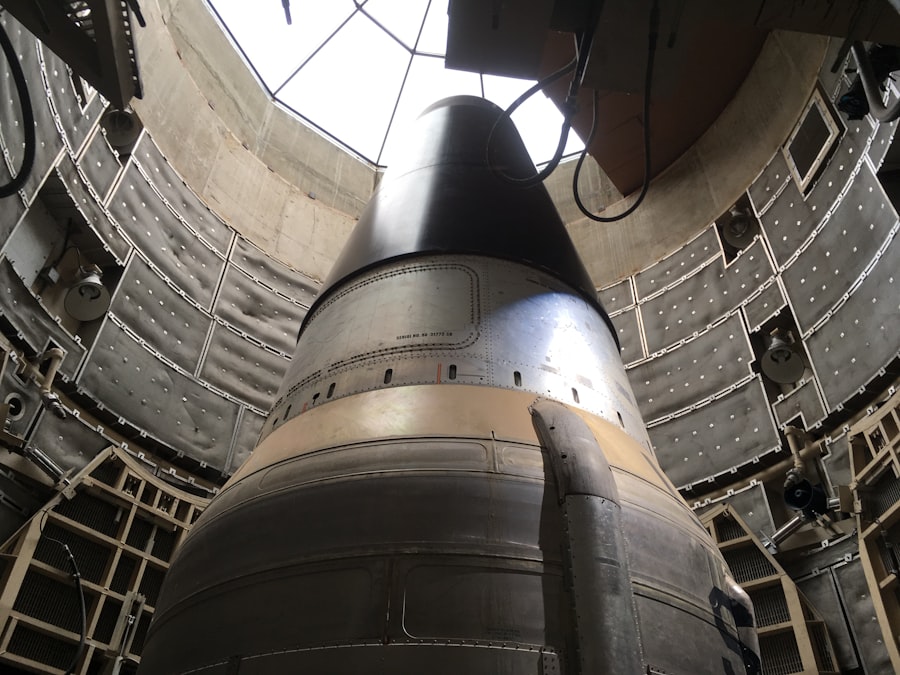
The advent of emerging technologies has significantly influenced the landscape of nuclear deterrence. Innovations in artificial intelligence, cyber capabilities, and missile defense systems have introduced new dynamics that can alter the effectiveness and reliability of traditional deterrent strategies. For instance, advancements in AI could enhance decision-making processes related to nuclear command and control, but they also raise concerns about the potential for automated systems to misinterpret threats or act without human oversight.
Additionally, cyber warfare presents unique challenges to nuclear deterrence. The ability to disrupt communication systems or compromise command structures could undermine the credibility of a nation’s deterrent posture. As states invest in cyber capabilities, the risk of escalation increases, as adversaries may perceive cyber attacks as precursors to conventional or nuclear conflict.
This evolving technological landscape necessitates a reevaluation of existing deterrence strategies to account for new vulnerabilities and threats.
The Importance of International Cooperation in Nuclear Security
| Metrics | Data |
|---|---|
| Number of countries involved in international nuclear security cooperation | Over 100 countries |
| Amount of nuclear material secured through international cooperation | Thousands of kilograms |
| Number of international treaties and agreements related to nuclear security | Dozens |
| Investment in international nuclear security cooperation | Billions of dollars |
International cooperation is paramount in addressing the challenges posed by nuclear weapons and ensuring global security. The interconnected nature of today’s world means that no single nation can effectively manage nuclear risks in isolation. Collaborative efforts through treaties, diplomatic engagements, and multilateral organizations are essential for fostering trust and transparency among states.
Initiatives such as the NPT and various arms control agreements exemplify how nations can work together to mitigate the risks associated with nuclear proliferation. Moreover, international cooperation extends beyond formal agreements; it encompasses dialogue and confidence-building measures that can help de-escalate tensions.
As global security challenges become increasingly complex, fostering a culture of cooperation will be vital in addressing the multifaceted threats posed by nuclear weapons.
The Challenges of Non-State Actors and Nuclear Deterrence
The rise of non-state actors presents a formidable challenge to traditional notions of nuclear deterrence. Groups such as terrorist organizations have demonstrated a willingness to pursue catastrophic means to achieve their objectives, raising concerns about the potential for nuclear terrorism. The prospect of these actors acquiring nuclear materials or technology poses significant risks not only to national security but also to global stability.
Addressing this challenge requires a multifaceted approach that includes enhancing security measures around nuclear facilities, improving intelligence-sharing among nations, and strengthening international legal frameworks to prevent the illicit trafficking of nuclear materials. Additionally, countering the narratives that drive non-state actors is crucial in reducing their appeal and undermining their capabilities. As long as these groups exist, they will continue to pose a threat that complicates traditional deterrence strategies.
The Future of Arms Control and Nuclear Disarmament

The future of arms control and nuclear disarmament remains uncertain amid shifting geopolitical dynamics and rising tensions among major powers. While historical treaties have made strides toward reducing arsenals and preventing proliferation, recent developments suggest a retreat from these commitments. The collapse of key agreements such as the Intermediate-Range Nuclear Forces Treaty (INF) has raised alarms about a renewed arms race and the erosion of established norms surrounding nuclear weapons.
For meaningful progress in disarmament to occur, nations must prioritize dialogue and negotiation over confrontation. Building trust through incremental steps—such as transparency measures and confidence-building initiatives—can lay the groundwork for more comprehensive disarmament efforts. Additionally, engaging emerging powers in discussions about arms control is essential for creating a more inclusive framework that addresses contemporary security concerns.
The Role of Cybersecurity in Nuclear Deterrence
As cyber threats continue to evolve, their implications for nuclear deterrence cannot be overlooked. Cybersecurity has become an integral component of national defense strategies, particularly concerning the protection of critical infrastructure related to nuclear command and control systems. A successful cyber attack on these systems could undermine a nation’s ability to respond effectively to threats, potentially destabilizing deterrent postures.
To mitigate these risks, nations must invest in robust cybersecurity measures that safeguard their nuclear arsenals from external threats. This includes not only protecting against hacking attempts but also ensuring that personnel are trained to recognize and respond to cyber incidents effectively. As cyber capabilities become increasingly sophisticated, maintaining a resilient cybersecurity posture will be essential for preserving the integrity of nuclear deterrence.
The Ethical and Moral Considerations of Nuclear Deterrence
The ethical implications surrounding nuclear deterrence are profound and complex. At its core lies the moral dilemma of possessing weapons capable of mass destruction and the potential for catastrophic humanitarian consequences. Critics argue that reliance on nuclear weapons is inherently immoral, as it places civilian populations at risk and perpetuates a culture of fear rather than fostering genuine security.
Conversely, proponents contend that nuclear deterrence has prevented large-scale conflicts since World War II, arguing that it serves as a necessary evil in an anarchic international system. This debate raises fundamental questions about the value placed on human life versus national security interests. As discussions around disarmament gain momentum, it is crucial for policymakers to consider not only strategic calculations but also the ethical ramifications of their decisions regarding nuclear weapons.
The Role of Nuclear Energy in National Security
Nuclear energy plays a dual role in national security discussions, serving both as a potential asset and a source of concern. On one hand, it provides countries with a reliable source of energy that can enhance energy independence and reduce reliance on fossil fuels. This aspect is particularly relevant in an era where energy security is increasingly intertwined with national security considerations.
Ensuring that nuclear energy programs are developed responsibly requires stringent oversight and international cooperation to prevent misuse. Balancing the benefits of nuclear energy with the risks associated with its proliferation is essential for maintaining both energy security and global stability.
The Future of Nuclear Proliferation and Non-Proliferation Efforts
The future landscape of nuclear proliferation remains fraught with challenges as geopolitical tensions rise and new players emerge on the global stage. While non-proliferation efforts have achieved some successes through treaties like the NPT, recent developments indicate an increasing willingness among certain states to pursue their own nuclear ambitions outside established frameworks. This trend poses significant risks not only for regional stability but also for global security.
To counteract these trends, it is imperative for the international community to reinforce non-proliferation norms through diplomatic engagement and incentives for compliance. Strengthening verification mechanisms and enhancing support for peaceful uses of nuclear technology can help create an environment conducive to disarmament while addressing legitimate energy needs. As nations navigate this complex landscape, collaborative efforts will be crucial in preventing further proliferation.
The Implications of Nuclear Deterrence for Global Stability
Nuclear deterrence has far-reaching implications for global stability, shaping international relations in profound ways. While it may deter direct conflicts between major powers, it also creates an environment where miscalculations or misunderstandings can lead to catastrophic consequences. The existence of nuclear weapons necessitates constant vigilance and careful management to prevent escalation into armed conflict.
Moreover, the reliance on deterrence strategies can perpetuate cycles of mistrust among nations, hindering cooperation on pressing global issues such as climate change or public health crises. As long as states prioritize their own security through military means over collaborative approaches, achieving lasting peace will remain elusive. Ultimately, fostering dialogue and building trust among nations will be essential for creating a more stable world where the specter of nuclear conflict no longer looms large over humanity’s future.
The future of nuclear deterrence is a critical topic in contemporary security discussions, particularly as global tensions rise. An insightful article that delves into this subject can be found on In The War Room, which explores the evolving strategies and technologies that shape nuclear deterrence today. For more information, you can read the article here: Future of Nuclear Deterrence.
WATCH THIS! The Secret Russian Weapon That Terrifies NATO
FAQs
What is nuclear deterrence?
Nuclear deterrence is the strategy of preventing an adversary from initiating a nuclear attack by maintaining a credible threat of retaliation.
What is the future of nuclear deterrence?
The future of nuclear deterrence is uncertain, as it is influenced by geopolitical dynamics, technological advancements, and shifts in international relations.
How is technology impacting nuclear deterrence?
Advancements in technology, such as cyber capabilities and hypersonic weapons, are changing the landscape of nuclear deterrence by introducing new challenges and opportunities for both offensive and defensive strategies.
What are the challenges to nuclear deterrence in the future?
Challenges to nuclear deterrence in the future include the proliferation of nuclear weapons, the potential for accidental or unauthorized use, and the emergence of non-state actors with access to nuclear capabilities.
What role do international relations play in the future of nuclear deterrence?
International relations will continue to shape the future of nuclear deterrence, as the behavior of nuclear-armed states and the dynamics of alliances and rivalries will influence the effectiveness and stability of deterrence strategies.