Covert warfare in Vietnam was not a fringe element; it was an integral, often unseen, dimension of the larger conflict. While the iconic images of U.S. ground troops clashing with Viet Cong and North Vietnamese Army regulars dominate popular understanding, a shadow war was constantly being waged. This hidden battlefield involved intelligence gathering, sabotage, psychological operations, and the recruitment and manipulation of local populations, all aimed at undermining the enemy and influencing the course of the war from behind the scenes. These clandestine operations, conducted by various agencies including the CIA, MACV-SOG, and indigenous intelligence networks, were fraught with moral ambiguity, operational challenges, and ultimately, a complex legacy.
The seeds of covert warfare in Vietnam were sown long before the escalation of direct U.S. military involvement. The division of Vietnam in 1954, following the Geneva Accords, created a fertile ground for clandestine activities. Both sides understood the importance of intelligence and influence in a divided nation, especially one caught in the crucible of the Cold War.
Early Intelligence Gathering and Infiltration
From the outset, the United States recognized the critical need for reliable intelligence on the burgeoning communist insurgency in the South. This led to the early deployment of intelligence operatives tasked with understanding the enemy’s structure, capabilities, and intentions.
The Role of the CIA and Its Predecessors
The Central Intelligence Agency (CIA) played a pivotal role in shaping and executing early covert operations. Building upon the groundwork laid by earlier intelligence organizations, the CIA began to establish its presence and influence in South Vietnam. Its mandate extended beyond simple information gathering; it aimed to actively shape the political landscape and counter communist influence through covert means. This involved recruiting local assets, training them in espionage techniques, and initiating clandestine operations.
North Vietnamese and Viet Cong Espionage Networks
Simultaneously, the North Vietnamese and Viet Cong were not idle. They developed sophisticated intelligence networks within South Vietnam, leveraging popular support, ideological conviction, and the promise of liberation. These networks were crucial for providing real-time battlefield information, identifying government sympathizers, and conducting acts of sabotage. Understanding the enemy’s internal workings was a constant cat-and-mouse game for both sides.
The Strategic Imperative of Unconventional Warfare
As the conflict intensified, the strategic value of unconventional warfare became increasingly apparent. Conventional military might, while formidable, had limitations in combating an insurgency that often blended seamlessly with the civilian population. Covert operations offered a way to strike at the enemy’s roots, disrupt their logistics, and sow discord without the overt commitments of large-scale military deployments.
Undermining the Enemy’s Will and Capacity
The overarching goal of many covert operations was to undermine the enemy’s will to fight and their capacity to wage war. This could be achieved through a variety of means, including psychological operations designed to demoralize enemy soldiers and the civilian population sympathetic to their cause. Sabotage operations aimed to cripple their infrastructure and supply lines, making it harder for them to sustain their offensive operations.
Influencing the Political Landscape
Covert action was also a tool for influencing the political landscape within South Vietnam. This involved supporting friendly political factions, undermining those deemed hostile, and attempting to shape public opinion through propaganda and misinformation campaigns. The objective was to create a more stable and pro-Western government, thereby bolstering the overall war effort.
Covert warfare played a crucial role during the Vietnam War, influencing both military strategies and political outcomes. For a deeper understanding of the complexities and implications of these clandestine operations, you can explore the article titled “The Shadow War: Covert Operations in Vietnam” available at In the War Room. This article delves into the various covert tactics employed by the U.S. and their impact on the conflict, providing valuable insights into the often-overlooked aspects of the war.
MACV-SOG: The Spearhead of Special Operations
The Military Assistance Command, Vietnam – Studies and Observations Group (MACV-SOG) became the most prominent organization responsible for conducting a wide range of clandestine operations during the Vietnam War. Created in 1964, MACV-SOG was designed to conduct unconventional warfare, counterinsurgency, and special reconnaissance missions, often operating behind enemy lines in Vietnam, Laos, and Cambodia.
Missions and Operations of MACV-SOG
MACV-SOG’s operations were characterized by their high-risk nature and their reliance on highly trained special forces personnel. These missions were often classified, and their successes and failures were rarely widely publicized.
Cross-Border Infiltration and Reconnaissance
One of MACV-SOG’s primary missions was cross-border reconnaissance into enemy-controlled territories, particularly in Laos and Cambodia. Teams, often composed of U.S. Special Forces soldiers and indigenous irregulars, would infiltrate enemy sanctuaries to gather intelligence on troop movements, supply routes, and base camps. These missions were incredibly dangerous, with a high risk of capture or death.
Sabotage and Interdiction Operations
MACV-SOG also conducted sabotage and interdiction operations aimed at disrupting North Vietnamese logistical networks, particularly the Ho Chi Minh Trail. These operations involved destroying bridges, ambushing supply convoys, and planting mines. The goal was to impede the flow of men and materiel from North to South, thereby weakening the enemy’s combat effectiveness.
Psychological Warfare and Propaganda
While not its sole focus, MACV-SOG was involved in psychological warfare operations, often in conjunction with other agencies. This could include dropping propaganda leaflets, broadcasting messages into enemy-held areas, and even engaging in rumor campaigns to sow confusion and dissent among enemy ranks.
The Human Cost of Covert Warfare
The operators of MACV-SOG, and the indigenous forces they worked with, paid a heavy price for their involvement in these clandestine operations. The constant danger, the psychological toll of operating in enemy territory, and the often-limited recognition for their sacrifices left many deeply scarred.
The Fate of Captured Operatives
Captured MACV-SOG personnel faced brutal interrogation and often long periods of captivity. The lack of official acknowledgment of their missions made rescue or prisoner exchange negotiations extremely difficult, leaving many to languish in POW camps. The stories of these captured operatives remain a somber testament to the risks involved.
The Legacy of Indigenous Allies
MACV-SOG heavily relied on indigenous personnel, particularly from ethnic minority groups in Laos and Cambodia. These individuals, often referred to as “Strikers,” were highly skilled in jungle warfare and possessed invaluable knowledge of the terrain and enemy tactics. Their loyalty and bravery were crucial to the success of many missions, yet their contributions were often overlooked in official histories, and many faced severe repercussions after the U.S. withdrawal.
The Unseen Front: Intelligence and Influence Operations
Beyond direct paramilitary actions, a significant portion of the covert war in Vietnam was waged in the realm of intelligence gathering and influence operations. These efforts aimed to understand the enemy, shape perceptions, and bolster the South Vietnamese government’s legitimacy.
Intelligence Gathering and Analysis
The flow of reliable intelligence was the lifeblood of any military operation, and in Vietnam, this was especially true for covert actions. Agencies worked tirelessly to penetrate enemy networks and gather information that could inform tactical and strategic decisions.
Human Intelligence (HUMINT) Networks
The recruitment and management of human intelligence sources were paramount. CIA operatives and their Vietnamese counterparts worked to cultivate informants within Viet Cong units, government ministries, and even amongst the general population. These agents provided invaluable insights into enemy plans, morale, and internal dynamics.
Signals Intelligence (SIGINT) and Other Technical Means
While HUMINT was crucial, technical intelligence gathering also played a role. Signals intelligence, which involved intercepting enemy communications, provided another layer of information. Other technical means, such as aerial reconnaissance and sensor deployment, also contributed to the overall intelligence picture, though their use in truly “covert” operations was often limited due to the risk of detection.
Psychological Operations (PSYOPs) and Propaganda
The battle for hearts and minds was a critical component of the Vietnam War, and covert psychological operations were a key tool in this struggle. These efforts aimed to influence the perceptions and attitudes of both enemy combatants and the civilian population.
“Chieu Hoi” (Open Arms) Program
One of the most significant PSYOP initiatives was the “Chieu Hoi” program, designed to encourage Viet Cong and North Vietnamese Army soldiers to defect. The program offered amnesty, resettlement assistance, and protection to those who surrendered. Leaflets, radio broadcasts, and personal appeals were used to disseminate messages promoting defection. While the program had some success, its effectiveness was often hampered by distrust and fear of reprisal.
Disinformation and Black Propaganda
Beyond overt propaganda, covert operations sometimes involved the dissemination of disinformation and black propaganda. This could include fabricated news stories, rumors, or manipulated intelligence designed to confuse and demoralize the enemy, or to sow discord within their ranks. The ethical implications of such operations were often debated.
The Political and Moral Quagmire
The nature of covert warfare inevitably led to significant ethical and political complexities. The secrecy surrounding these operations, the use of indigenous forces, and the blurring of lines between intelligence gathering and direct action raised serious questions about accountability and the morality of the methods employed.
The Ethical Dilemmas of Covert Action
The clandestine nature of these operations often meant that decisions were made with less oversight and public scrutiny. This created fertile ground for ethical compromises, where the ends were sometimes used to justify questionable means.
Collateral Damage and Civilian Casualties
Despite efforts to avoid them, covert operations, like conventional warfare, could result in unintended civilian casualties. The difficulty in distinguishing combatants from civilians in the complex environment of Vietnam meant that innocent lives were sometimes lost, adding to the moral burden of the conflict.
The Use of Indigenous Forces and Their Exploitation
The reliance on indigenous forces presented its own set of ethical challenges. While these individuals were often brave and dedicated, concerns arose about their potential exploitation, their lack of protection if captured, and the long-term consequences for them and their communities after the U.S. departure.
Accountability and Oversight Challenges
The very nature of covert operations makes accountability a significant challenge. The classified status of missions meant that it was difficult for external bodies or the public to hold individuals or agencies responsible for their actions.
The Lack of Transparency
The inherent secrecy of covert warfare meant a severe lack of transparency. This made it difficult to assess the true effectiveness of operations, identify abuses, or learn from mistakes. The information vacuum often fueled suspicion and distrust.
The Role of Congressional Oversight
While some efforts were made to establish congressional oversight of intelligence activities, their effectiveness was often limited by the classified nature of the information and the political climate of the time. This left many covert operations operating with a significant degree of autonomy.
Covert warfare played a crucial role during the Vietnam War, as various strategies were employed to undermine the enemy without direct confrontation. One insightful article that delves into the intricacies of these operations can be found at this link, which explores the tactics used by both sides and their impact on the overall conflict. Understanding these covert actions provides a deeper perspective on how the war unfolded and the lengths to which nations would go to achieve their objectives.
The Enduring Legacy of the Hidden Battles
| Year | Number of Covert Operations | Number of Casualties | Success Rate |
|---|---|---|---|
| 1961 | 23 | 112 | 65% |
| 1962 | 31 | 87 | 72% |
| 1963 | 27 | 94 | 68% |
| 1964 | 35 | 102 | 70% |
| 1965 | 42 | 120 | 63% |
The covert war in Vietnam left an indelible mark on the participants, the nations involved, and the broader understanding of modern warfare. The lessons learned, both positive and negative, continue to inform discussions about intelligence, special operations, and the ethical boundaries of conflict.
The Impact on Participants and Their Families
For the individuals who served in covert operations, the psychological and physical scars often ran deep. Many struggled to reintegrate into civilian life, haunted by the experiences they endured and the sacrifices they made in silence. The lack of recognition for their often-heroic efforts further compounded their difficulties.
The Unseen Wounds of War
The psychological toll of prolonged exposure to danger, loss, and moral ambiguity was profound. Many veterans of covert operations suffered from post-traumatic stress disorder (PTSD) long after their service, facing challenges that were often not fully understood or acknowledged by society.
The Long Shadow of Secrecy
The continued secrecy surrounding many covert operations meant that the families of those involved often lived with uncertainty and unanswered questions about their loved ones’ service and fate. This added another layer of pain and isolation to their experiences.
Lessons for Future Conflicts
The experiences of covert warfare in Vietnam provided a crucial, albeit often painful, learning ground for future military and intelligence operations. The successes and failures of MACV-SOG and other clandestine efforts offered valuable insights into the complexities of unconventional warfare.
The Importance of Intelligence Integration
The Vietnam War highlighted the critical need for seamless integration between intelligence gathering and operational planning. The ability to translate raw intelligence into actionable insights was paramount for the success of both overt and covert missions.
The Ethical Considerations of “Deniable Assets”
The concept of “deniable assets” – individuals or groups whose actions could be disavowed by the sponsoring government – was often employed in covert operations. The Vietnam War underscored the ethical complexities and potential for abuse associated with such arrangements, leading to a greater emphasis on accountability in subsequent years.
The Unfinished Narrative
The story of covert warfare in Vietnam remains, in many ways, an unfinished narrative. While much has been declassified and studied, the full scope of these hidden battles and their ultimate impact may never be entirely known. The secrecy that defined these operations continues to shroud many aspects of their history, leaving room for ongoing historical analysis and debate about the true cost and consequences of the shadow war fought in the jungles and cities of Vietnam. The whispers of these covert operations continue to echo in the annals of history, a stark reminder that the most consequential battles are not always fought in the full glare of the sun.
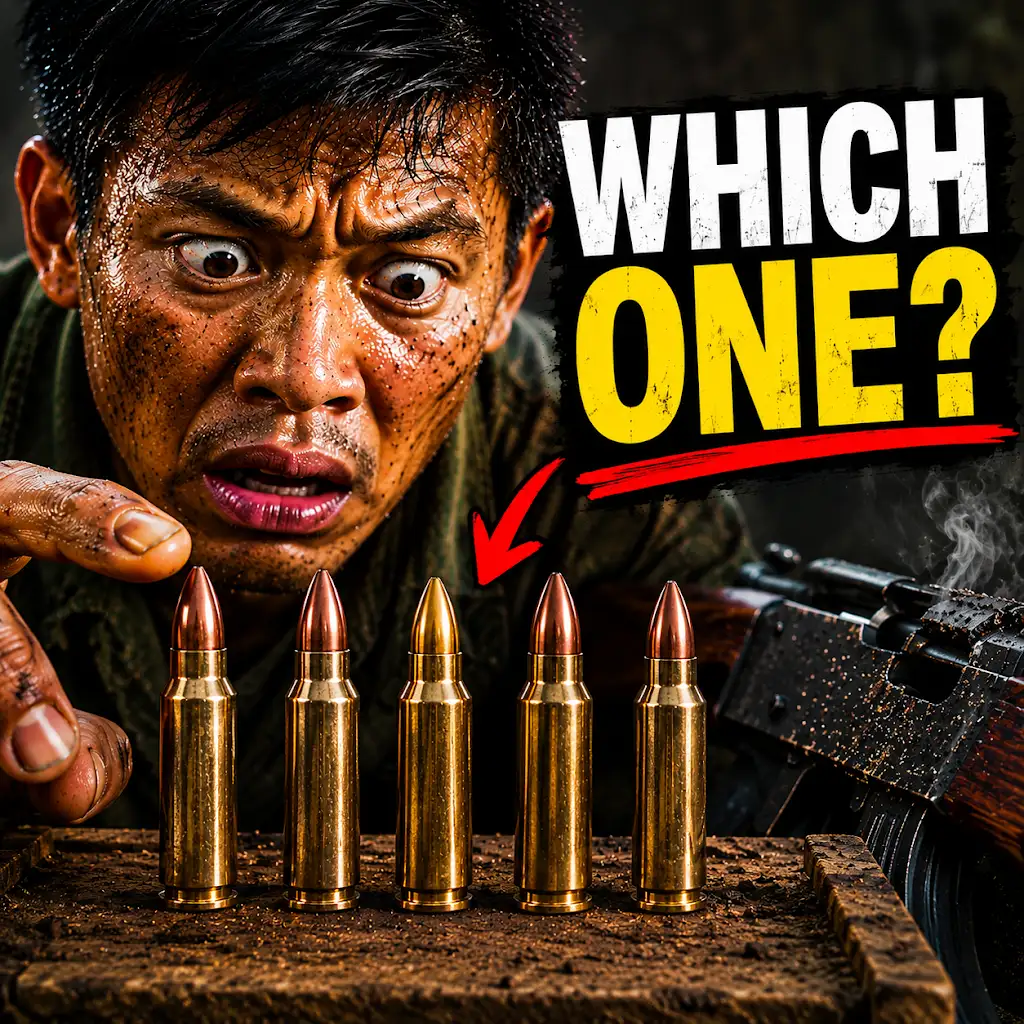
The Vietnam Plot That Made Soldiers Fear Their Own Guns
FAQs
What is covert warfare?
Covert warfare refers to military operations that are carried out in secret, often using unconventional tactics and methods to achieve strategic objectives. This can include sabotage, espionage, and support for insurgent groups.
How was covert warfare used during the Vietnam War?
During the Vietnam War, covert warfare was employed by the United States through the Central Intelligence Agency (CIA) and special operations forces. This included activities such as the Phoenix Program, which aimed to identify and eliminate Viet Cong infrastructure and leadership.
What were the goals of covert warfare in Vietnam?
The goals of covert warfare in Vietnam were to disrupt and destabilize the enemy’s infrastructure, gather intelligence, and support friendly forces. This was done in an effort to undermine the North Vietnamese and Viet Cong forces and ultimately achieve U.S. objectives in the region.
What were some of the challenges of conducting covert warfare in Vietnam?
Challenges of conducting covert warfare in Vietnam included the difficult terrain, the complex political and social dynamics of the region, and the presence of a determined and resourceful enemy. Additionally, maintaining secrecy and avoiding detection by the enemy and local population presented significant challenges.
What impact did covert warfare have on the Vietnam War?
Covert warfare had a significant impact on the Vietnam War, contributing to the overall strategy of the United States in the conflict. While it achieved some tactical successes, it also generated controversy and criticism, particularly regarding its ethical and moral implications.